New film on violence in Columbus looks at gang & gun issues from new perspective
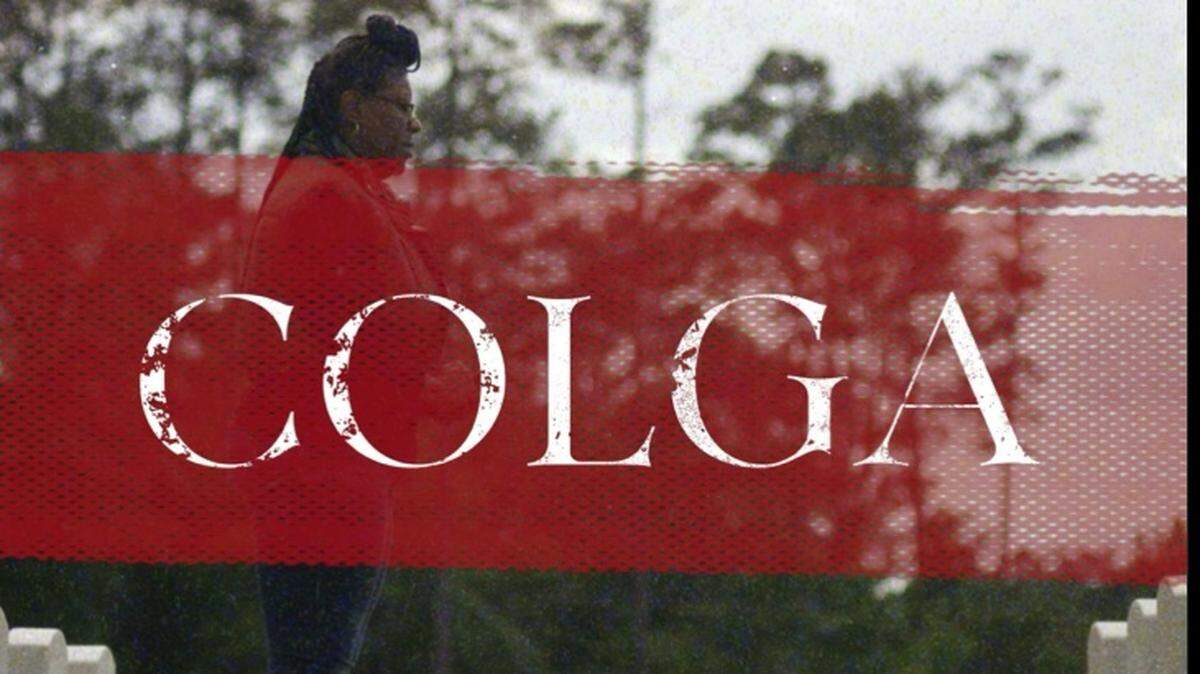
Columbus is the subject of a new documentary, “COLGA” which offers an intimate look at the gun and gang-related violence that has plagued the city over the last decade.
Directed and produced by Columbus residents, Caleb Money and David Swanson of Village Production Agency, “COLGA” is a compilation of first-person interviews and raw footage that pulls back the curtain on an element of Columbus life.
The documentary strives to go beyond the headlines to present a nuanced portrayal of the issue that has long affected the Columbus community, particularly young men of color. “COLGA” brings to light stories that some residents may find both familiar and upsetting.
The Ledger sat down with both Money and Swanson to see how this idea started and where they hoped it will go. We spoke both in person and via email, and Money acted as de facto spokesman with his partner’s tacit consent to speak for both of them. The moments where Swanson weighed in are notated as such.

A local perspective
The documentary began as a short PSA project in collaboration with former gang member-turned-activist, Blake Russell. But as the project lost momentum, they enlisted the help of neighbors from some of the very areas featured in the film.
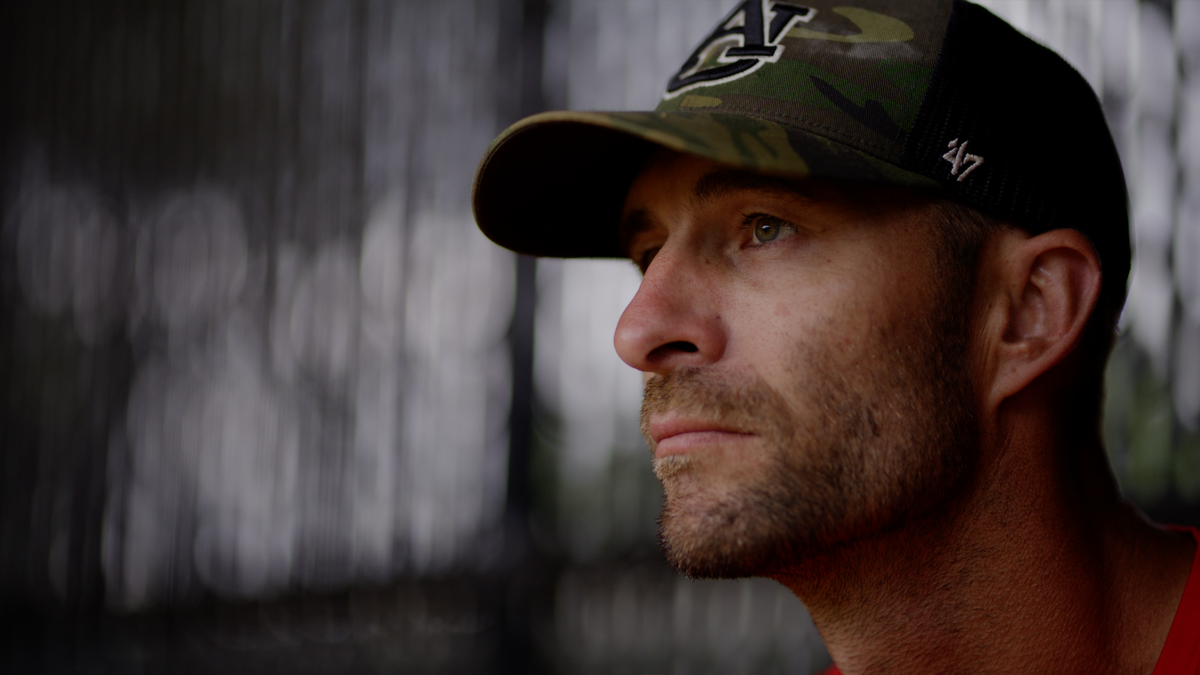
Once it evolved into a full-length feature it emerged as a deep-dive into the heart of Columbus’ gang culture. A product of over two years of production, the movie was filmed in various locations around the city, and interviews several former gang members, some who are second-generation members.”
Mayor Skip Henderson, in an interview about the film, emphasized the importance of acknowledging the city’s challenges. “Columbus has challenges, just like every community throughout this country. But we’re working on them,” he said.
Henderson also highlighted recent improvements in law enforcement and crime prevention efforts that could work toward alleviating the pressure on both law enforcement and the community.
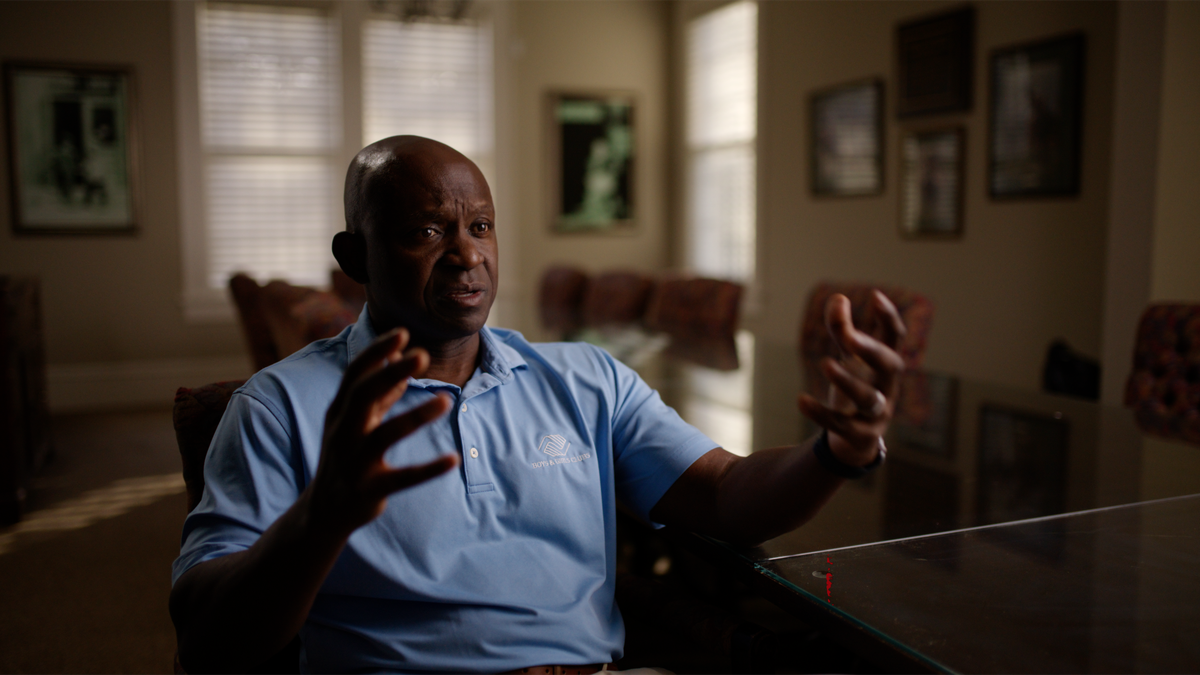
Also featured in the film, are several community leaders and activists who tout the same message as the Mayor and the filmmakers: we must keep the conversation going so we can come together as a community. Money and Swanson hope to peel back the layers to reveal a compassionate look at a community that is a victim itself.
The deadliest year in history
The documentary began at a crucial time for Columbus, when, in 2021, the city saw 72 homicides over the year with many other related injuries. However, Henderson noted a significant recent decrease, with murders down significantly at the time of the interview.
Both Money and Swanson conducted hours and hours of interviews, respectively and combed through thousands of social media threads and posts to offer as comprehensive a picture as they thought possible. Some of the footage used in the film is graphic and disturbing, but it’s true to the experience of some of these young men.
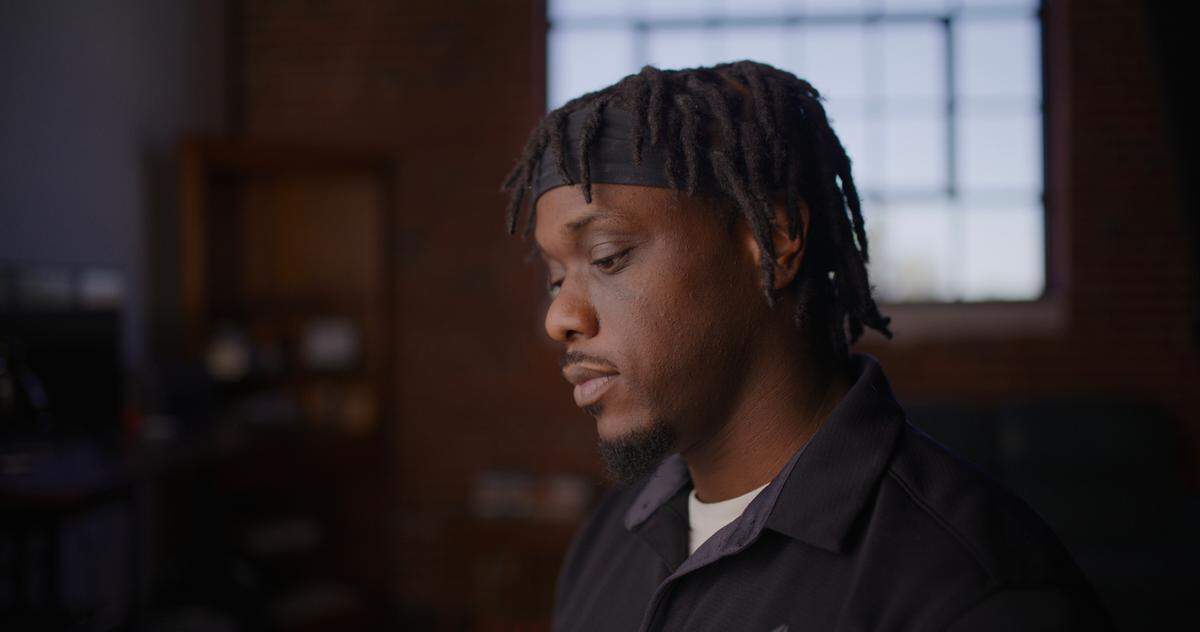
Two mothers were interviewed, having lost their sons to gun violence recently. Their raw honesty punctuates the thread of compassion that runs throughout the film.
If you ask either of the filmmakers what they hope their legacy to be, they agree. Money hopes, “this film sparks conversations that lead to meaningful action—action that ultimately brings gang violence to a net zero. We believe this can only be achieved by addressing the generational and systemic issues that so many in our city face.”
A dissenting opinion
While the film has garnered praise for its honest portrayal of Columbus’ struggles, it has also faced some criticism. Some community members expressed concerns about the representation of law enforcement and young Black men in the documentary.
Terrence Flowers, digital producer and Columbus resident, questions the choice to only include men who are still active in that life. He said perhaps they should have “[Interviewed] somebody else in one of those roles, who did win and was on top. [Someone] who did get off the streets and changed their lives; who did leave the gangs.” He went on to point out, “Everybody ended up going to jail or living in hiding.”
Flowers also felt key points were left out of the narrative. For example, he was left wondering about the cause of the record amount of deaths in 2021, and what sorts of feuds led to the wars between the neighborhoods. He explained, “I never heard the reasons mentioned one time.”
Revealing new perspectives
Directors Money and Swanson, as a team and a production company, stress that the goal of the film was to present a balanced narrative. “We want this film to reach as many people as possible,” Money stated. “For those experiencing violence in their communities, we hope the film helps them feel seen and heard. For those unaware of the depth of these issues, we aim to reveal a side they may not have considered before.”

The filmmakers hope “COLGA” will spark conversations leading to meaningful action. They believe that addressing gang violence requires tackling generational and systemic issues faced by many in the city.
Looking toward solutions
“COLGA” serves as a powerful reminder of the challenges facing Columbus, but also of the community’s resilience and determination to take care of its own. As the film gains wider attention, the filmmakers hope it will become a catalyst for deeper understanding and more effective solutions to the complex issue of gang violence in this Georgia city.
Mayor Henderson remains optimistic about Columbus’ future, citing improvements in police staffing and the implementation of new technologies to predict and prevent crime, but he is quick to reiterate, “We can’t arrest our way out of these problems.”
He hopes the film sheds an authentic light on the current circumstance and he vows “to continue to do everything we can and provide resources for those folks that are wanting to break free of some of that stigma, of the intergenerational hopelessness.”
While not without its controversies, “COLGA” offers a compelling and thought-provoking look at a crucial issue facing Columbus. It is, at times, hard to watch, but it also challenges viewers to see beyond statistics and headlines, presenting a human face to a problem that affects the entire community.