Here’s the surprising way new bird flu variant detected in cows could affect Georgia cats
The highly pathogenic avian influenza (H5N1), more commonly known, as “bird flu,” is now posing a threat to Georgia animal owners.
The Guardian reports a new variant of the avian flu has spilled over into the cattle industry putting Georgia residents on high alert. Experts warn this particular version could become extremely problematic to both humans and animals, because of its tenacity and adaptability.
Although the Georgia Department of Agriculture (GDA) lifted the suspension of poultry production, PBS reported it is now “endemic to cows” and raw milk could pose the potential risk of transmission.
“There is no way this is going to get contained” on its own, said Seema Lakdawala, an influenza virologist and co-director of the Center for Transmission of Airborne Pathogens at Emory School of Medicine.
Although it’s not in Georgia yet, it seems likely it will be here soon.
What is different now?
The new variant of bird flu, known as D1.1, has several key differences from the previous strain, according to a technical brief from the GDA.
It is a hybrid virus with two variations, making it hard to predict and treat.
This strain has become adaptable to mammals.
Its makeup may affect its ability to evade pre-existing human immunity against seasonal flu viruses.
It has been associated with more severe human cases, including one death in Louisiana.
This variant adapts more readily to humans.
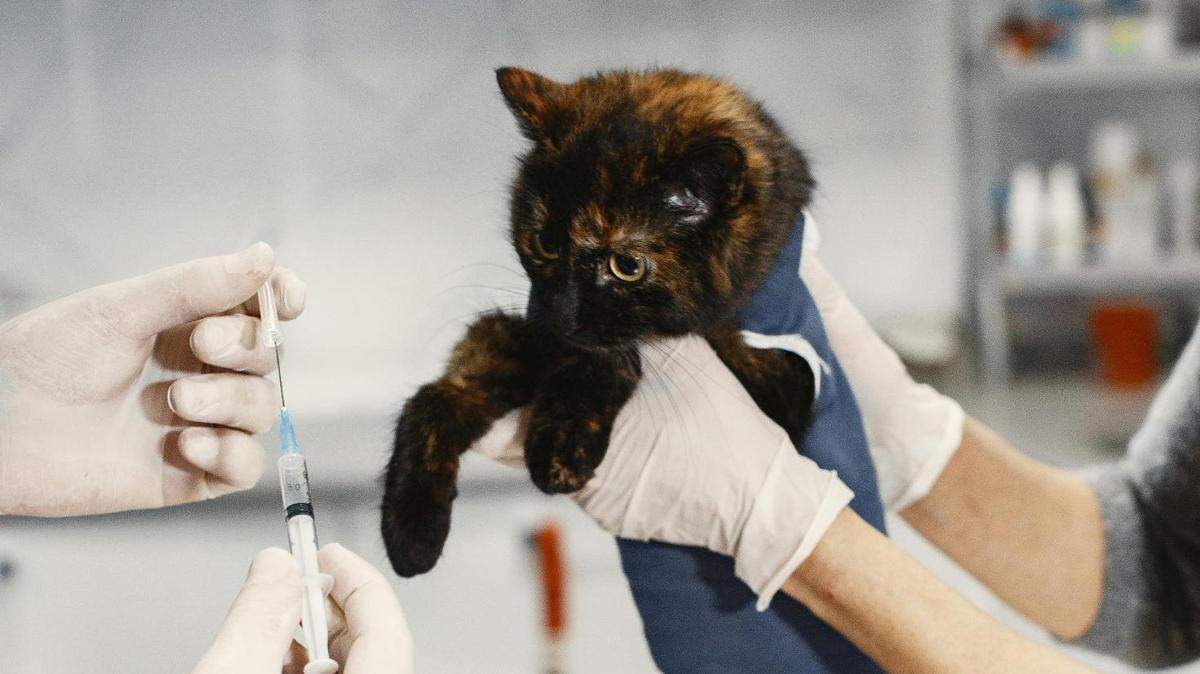
Domestic pets are in real danger from the new variant
Both cats and dogs can get the new bird flu, but cats are much more susceptible to the new strain. H5N1 has been detected in cats, including domestic, feral and big cats, according to the American Veterinary Medicine Association. Georgia pet owners should be aware that it is usually through the consumption of contaminated food.
The Cornell College for Veterinary Medicine reports the mortality rate can be as high as 70% in infected cats, and advice to be aware of these sources of infection:
Consuming raw or undercooked meat, especially poultry
Drinking unpasteurized milk or raw colostrum
Exposure to infected wild birds, poultry or livestock
Contact with contaminated environments or people who have worked on affected farms
Symptoms in infected pets can include fever, loss of appetite, lethargy, respiratory issues and neurological abnormalities.
There is a link between the virus and dairy cows
The ability of cows to contract bird flu has significant implications for Georgia’s economy, particularly in the dairy industry and public health sector.
Lower milk output from infected cows could cause Georgia’s dairy industry to face economic challenges.
Lactating dairy cattle must test negative, causing interstate movement restrictions.
Georgia has yet to report cow infections, which suggests the virus may be circulating undetected in livestock.
Human infections are rare but not impossible. Theoretically, the 57,0000 workers employed on Georgia’s 160 dairy farms and six dairy plants are at risk.
The ability to infect multiple species, including wild mammals, could affect Georgia’s wildlife populations.
Human infection is rare, but it’s best to take all the necessary precautions to avoid illness: wash your hands, handle food correctly and report any signs of sickness in your animals.
Are you concerned about the new bird flu? Email me at srose@ledger-enquirer.com or find me on Instagram.
This story was originally published February 28, 2025 at 2:22 PM.