Yes, there are copperheads in Columbus. Here’s where they hide & how to identify them
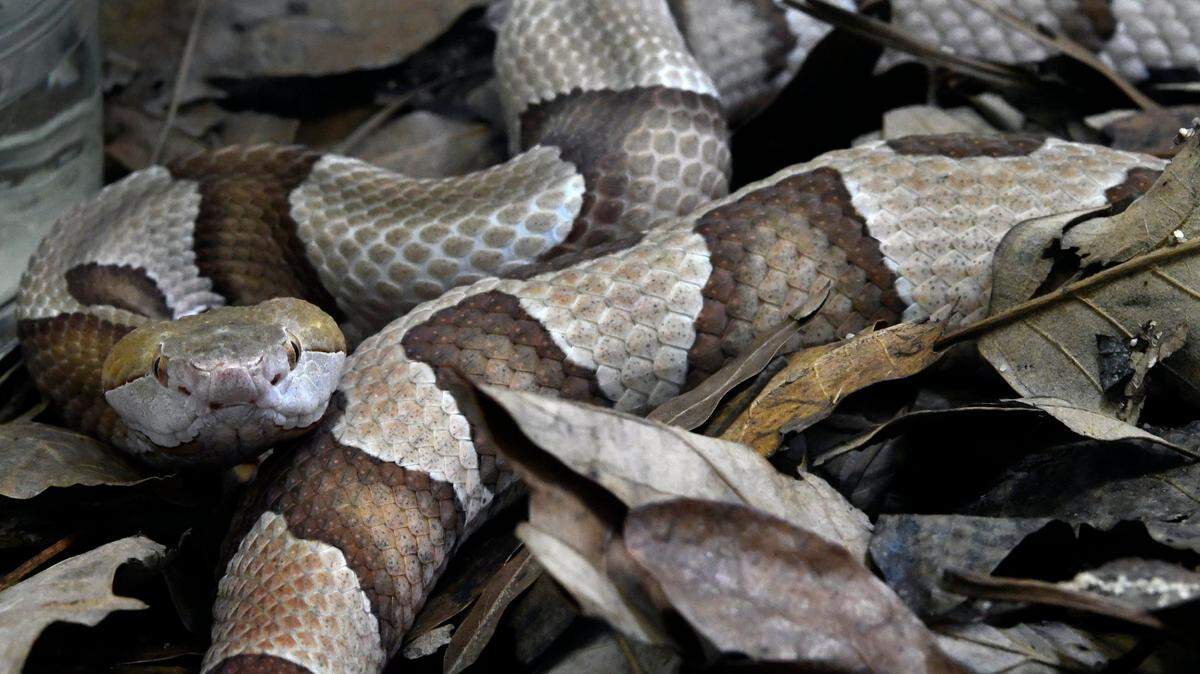
Georgia residents have long been warned about the dangers of cottonmouths and rattlesnakes, but if you live in Muscogee County or Harris County, it’s likely that you will encounter a copperhead. You may even find one skulking around your yard or house.
According to the Georgia Department of Natural Resources, the copperhead, or the Agkistrodon contortrix, is the most common snake in West Central Georgia all the way up to metro Atlanta.
The copperhead is among six venomous snakes found in Georgia and are responsible for the majority of snakebites in the Southeast each year and they will lurk in darker, cooler areas around your house.
What does a copperhead look like?
Copperheads are medium-sized snakes that average 2-3 feet in length although the females are a little longer than the males.
Look for these characteristics to identify a copperhead. according to the Georgia Wildlife Resources Division:
Reddish-brown, copper or pinkish-tan coloring on other body
Crossbands shaped like a Hershey’s kiss on their body that are lighter in the center
Markings that have darker margins and a lighter center
Muscular bodies with ridged scales
Where are they most likely to hide in the yard?
If you do happen to encounter a copperhead they are a bit less likely to be as damaging as other poisonous snakes and death from a copperhead bite is very rare.
Woodpiles or brush piles
Tall grass or dense vegetation
Rock piles or stone walls
Shaded areas near houses
Gardens or flower beds
Wooded areas or deadfall
What to do if you’re bitten by a snake?
Despite what we’ve been told by movies and television shows, you should not attempt to suck the venom out, says the National Library of Medicine. That can make the bite worse and possibly cause you to ingest venom.
Call 911 or the Poison Control Hotline at 1-800-222-1222 immediately.
While you are waiting for emergency services, wash the bite with warm soapy water and elevate the affected area above the heart.
DO NOT:
Apply ice to the bite - it could further damage tissue
Try to trap or capture the snake - attempt to take a picture for better identification
Take aspirin or ibuprofen - they can increase bleeding
What are the common treatments for snake bites?
Antivenom is the primary treatment for snake bites that are considered less dangerous. The typical dose is around four to six vials.
Snakebite patients typically spend at least 24-36 hours in hospital so that doctors can monitor any worsening symptoms.
Do you have any advice about copperheads this year? Sound off in the comments, or you can email me and find me on Instagram.
This story was originally published June 13, 2024 at 12:00 PM.