Is your GA homeowners insurance ready for storm damage? Discover what’s actually covered
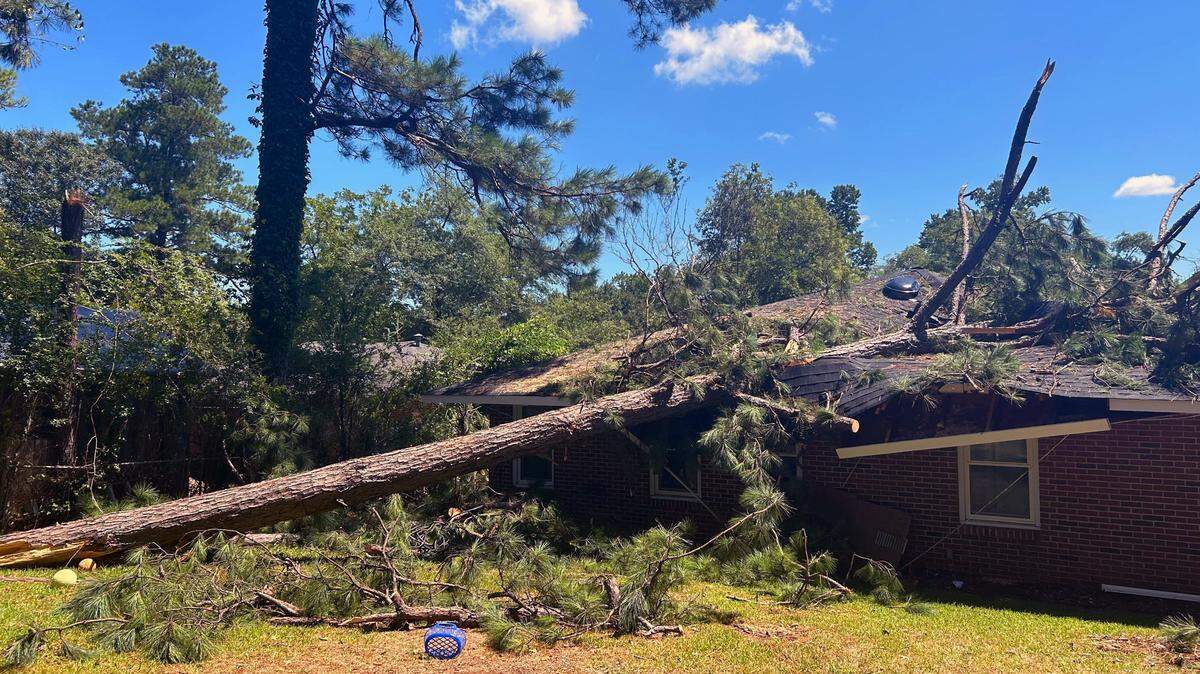
Hurricane Helene is one of the largest and strongest hurricanes the Southeast has experienced, and it’s likely to cause quite a bit of property damage, but what will your homeowner’s insurance cover everything?
Depending on your company and policy terms, it will likely include storm damage but there are a few key points to consider when you file your claim.
Wind Damage
According to Allstate Insurance Agency, homeowners insurance typically covers wind damage and will most likely cover things that are an indirect result of strong gusts like those produced by Helene.
Damage from wind-driven rain
Destruction from fallen trees (as long as it broke as a result of the storm)
Siding damage
Broken windows
Hail damage
Lightning Strikes
Progressive Insurance assures damage to your home and personal property is “typically covered” and this will likely include garages, sheds and fences.
However, there are other circumstances to consider surrounding lightning damages.
With direct strikes your insurance will typically cover:
Fire damage caused by lightning
Structural damage to the house itself
Damage to electrical systems and wiring
If you face a power surge, insurance will typically cover:
Electronics and appliances
Home security systems
HVAC equipment
Water Damage
Damage occurred from rain entering a wind-damaged roof or window is usually covered, but coverage depends on a few factors, according to Nationwide.
Excluded damage includes:
Flooding from natural disasters
Gradual leaks or seepage
Damage from lack of maintenance
Sewer or drain backups (unless you have specific additional coverage)
Replacing the source of the water damage (e.g., the broken appliance itself)
There are exceptions
Although these are generalities, insurance coverage can vary from company to company and is highly dependent on the type of policy you own.
The National Association of Insurance Commissioners (NAIC) warns there are several important factors to consider when making a claim.
Some policies have separate, higher deductibles for wind or hurricane damage.
Flood and earthquake damage are typically not covered and require separate policies.
There may be limits on coverage for certain types of damage or items. Review your policy details.
Remember to document it thoroughly and contact your insurer promptly
While standard homeowners insurance provides significant protection against storm damage, it’s crucial to understand your specific policy’s coverage and limitations.