GA’s yellow pollen is out in full force, but is that the pollen making you feel bad?

Spring doesn’t sneak up on Georgians. Vehicles covered in yellow pollen announce the season.
In fact, Georgia saw an extremely high pollen count over the weekend, breaking a 35-year-old record on Saturday. According to The Weather Channel, the recorded numbers were 10 times greater than what is considered “extremely high,” reducing many of us to a sniveling mess.
Most people think that yellow dust covering everything is to blame, but Dr. Robert Cartwright at the Allergy Center in Brookstone says that is not always the case.
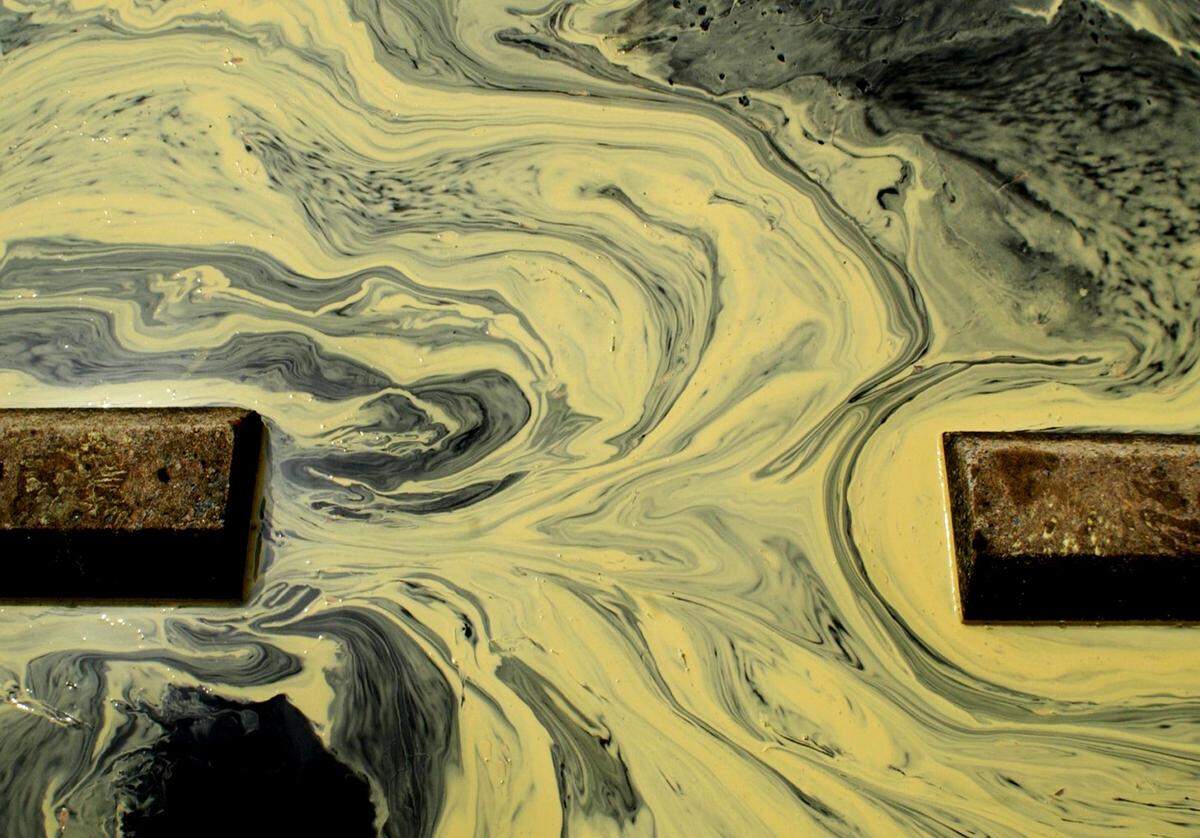
You may be surprised to know that bright yellow pollen is not making your allergies flare up.
Dr. Cartwright says, “The one everybody sees all over their car is pine pollen. Pine pollen doesn’t usually cause too much trouble for most people, because it’s so big. It doesn’t get up into your nasal passageways very well.”
Misconceptions abound regarding pollen and its effects, so we spoke with a local allergist to clarify what’s really happening and how to manage your symptoms effectively.
You’re allergic to a certain kind of tree pollen, not just pollen
While the ubiquitous pine pollen is the most visible, the real offenders are other tree pollen present in the air simultaneously. Here in Georgia, it’s most likely Oak pollen that is triggering your allergies, but it might not be that at all.
Other Spring irritants:
Sweet gum
Birch
Hickory
Dust mites
Mold
Effective remedies for seasonal allergies in Georgia.
While some people explore herbal remedies and supplements, Dr. Cartwright is reluctant to advise patients to rely solely on those.
He warns, “It’s a little hard to recommend those in my world, because they haven’t been very well studied.”
There are other ways.
Rinse nasal passages with saline.
Use the recirculate setting in your car’s air conditioning system and keep windows closed.
Consider taking over-the-counter allergy medications daily to stay ahead of symptoms.
Allergy shots are another option for those individuals whose allergies affect their quality of life.
Allergies can develop at any age
The not-so fun news for allergic (and non-allergic) individuals is that you can grow into or out of an allergy. Although they commonly emerge during childhood, adolescence, or young adulthood, you can develop them at any stage.
Dr. Cartwright explains, “While genetics play a role, the exact reasons behind allergy development remain unclear. Allergy symptoms and triggers can change over time.”
Periodic re-evaluation and allergy testing by a professional allergist can help identify current sensitivities and adjust treatment plans accordingly. An allergy test involves pricking the skin and exposing it to suspected allergens to observe for signs of a reaction.
Watch for these signs if you feel like you are experiencing a new allergy:
Respiratory symptoms like sneezing, a runny or itchy nose, coughing or wheezing
Eye irritation, called allergic conjunctivitis
Skin reactions that look like hives, rashes or swelling
Digestive problems, which are most common with food allergies
Symptoms of severe anaphylaxis like throat tightness, swollen tongue or lips, dizziness or fainting.
Seek medical help if you are suffering from severe symptoms.
It’s common to blame all our sneezing, runny noses or coughing on the ‘hay fever,” but not everyone is allergic to pollen, reminds Dr. Cartwright.
Nose and sinus problems may not be allergy-related at all. These issues can stem from colds, the flu, irritants like cleaning sprays or cigarette smoke, or even weather changes. Structural issues within the nose and sinuses can also cause similar symptoms.
If not pollen, what allergy bothers you the most?
Email me at srose@ledger-enquirer.com or find me on Instagram.