Are your plants hurting your pets? Here’s how to keep your Georgia yard safe
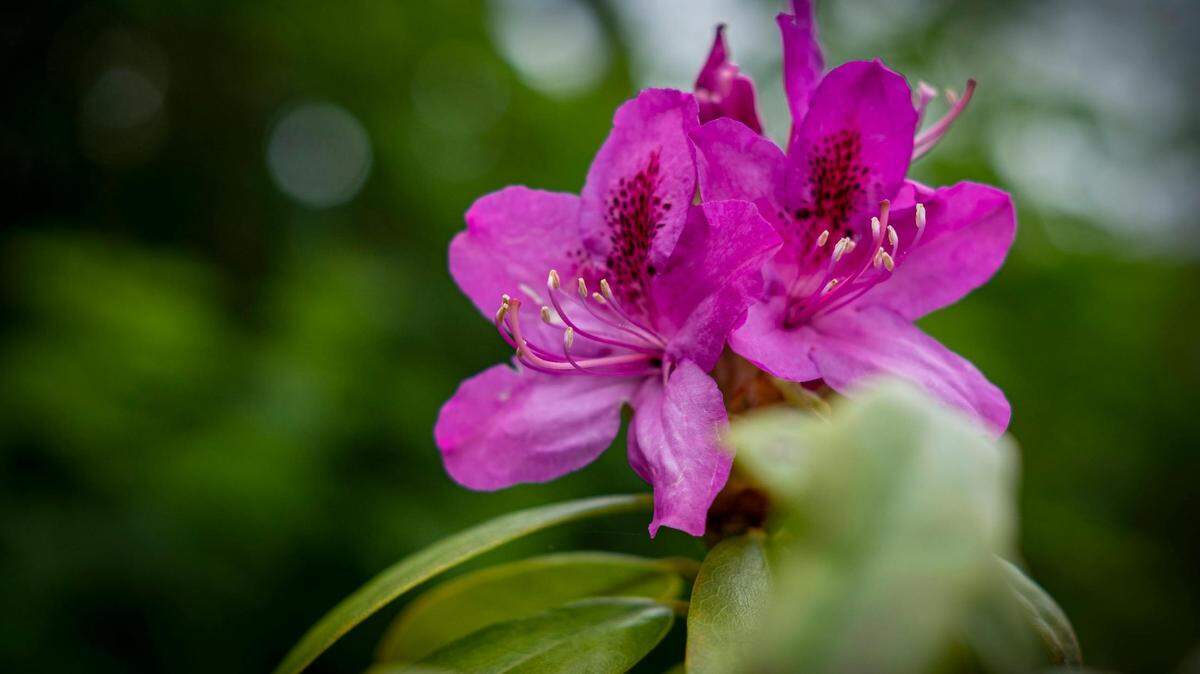
Even as the seasons change, pet owners have to be careful about what their animals ingest because there are several Georgia plants that can make them extremely sick.
There are a handful of plants that can affect the pets in your home, particularly cats and dogs, and they are classified into four categories, according to the University of Georgia:
Highly Toxic: These plants can cause severe illness or death even in small amounts.
Moderately Toxic: These plants can cause significant discomfort and illness, but are rarely fatal.
Mildly Toxic: These plants may cause minor irritation or discomfort.
Non-Toxic: These plants are generally safe for humans and animals.
If your pet eats a poisonous plant you will notice, first and foremost, gastrointestinal symptoms like vomiting and diarrhea. Your pet may be drooling excessively, they’re lethargic with a loss of appetite and difficulty breathing.
Take these steps to keep your pet safe.
Contact a veterinarian immediately
Identify and photograph the plant if possible.
Contact the Georgia Poison Center at 1-800-222-1222
Flowering Plants
Highly Toxic
Water Hemlock
Poison Hemlock
Castor Bean
Moderately Toxic
Azalea/Rhododendron
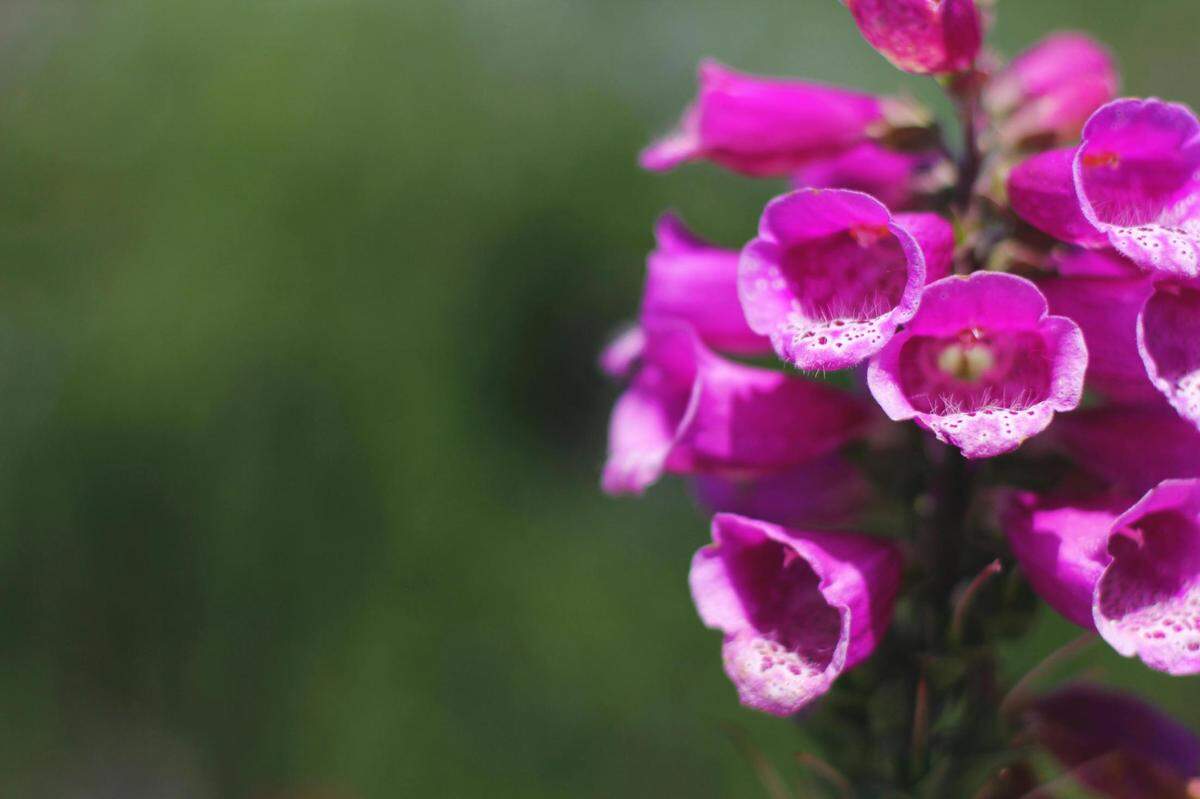
Foxglove
Oleander
Mildly Toxic
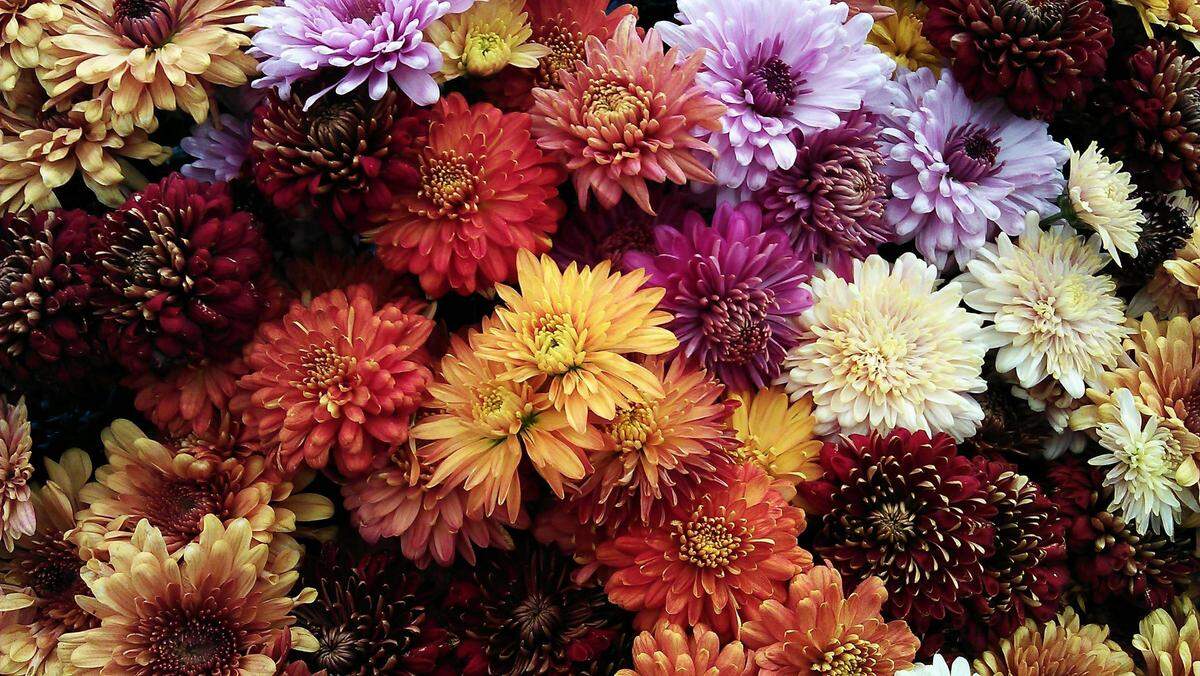
Chrysanthemums (Mums)
Tulips.
Iris
Yarrow
Bleeding Hearts
Wisteria
Clematis
Trees and Shrubs
Highly Toxic
Black Cherry
Yew
Red buckeye/Horse Chestnut
Chinaberry
Privet
Moderately Toxic
American Ivy/Virginia Creeper
Holly
Birch Tree
Bird of Paradise
Chinese Lantern
Elder
Mistletoe
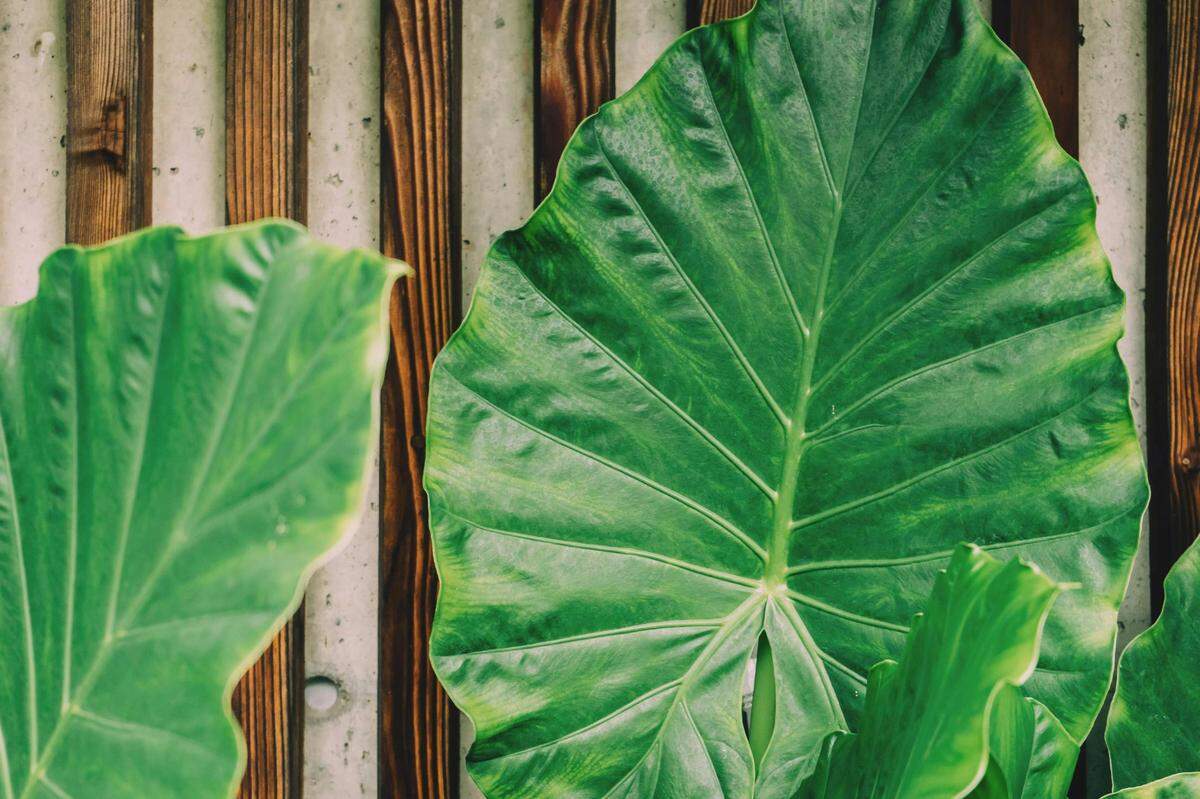
Elephant ear
Mildly Toxic
Boxwood
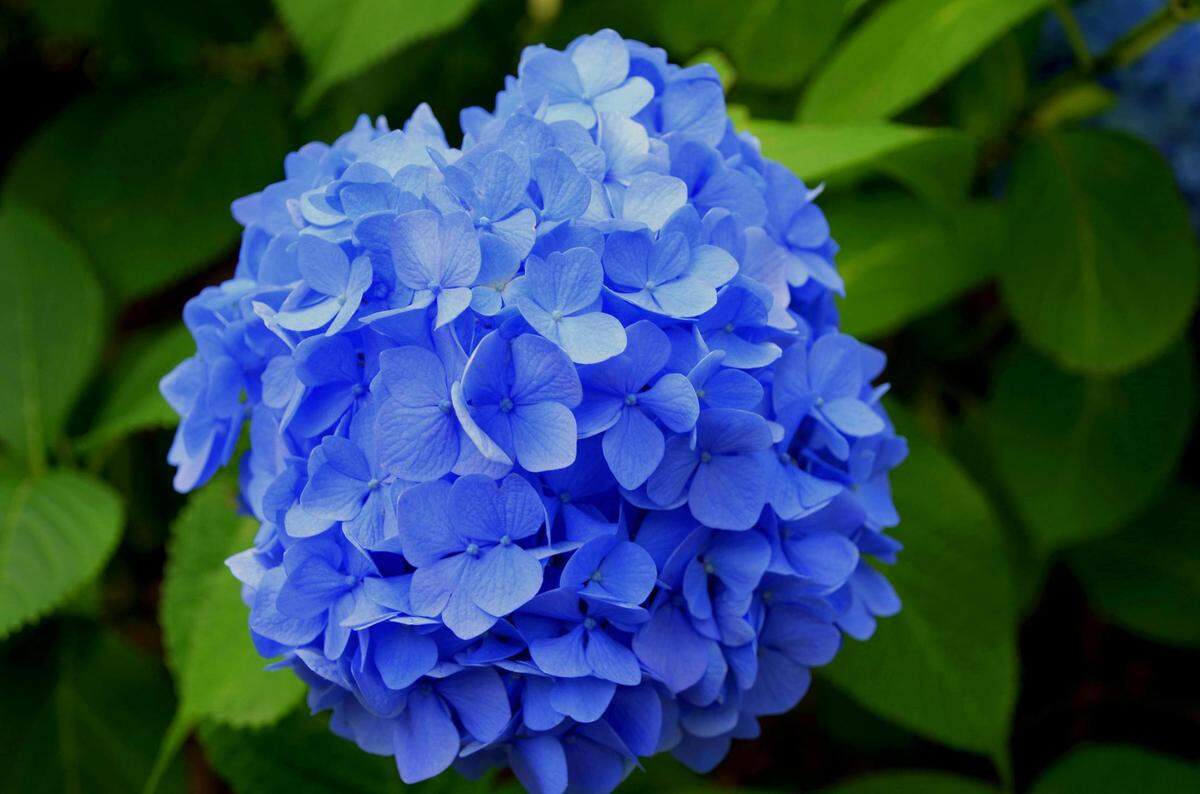
Hydrangea
Wild plants
Highly Toxic
Jimsonweed
Milkweed
Moderately Toxic
Nightshades and Horse Nettle
Pokeweed/PokeBerry
Bracken Fern
Cherry Laurel
Mountain Laurel
Yellow Jessamine
Perilla Mint
This is not, by any means, an exhaustive list, and it’s important to know what plants you have in your yard to keep your pets (and humans) safe.