
No commercial flights at Columbus Airport for 4 months. Our FAQ explains impact
The Columbus Airport’s primary runway is getting a long-awaited makeover, prompting a temporary pause in commercial services.
What does this mean for passengers? Here’s what you need to know, based on information from airport officials:
What is the CSG 6-24 Runway Project?
The CSG 6-24 Runway Project is a four-month initiative to completely reconstruct Columbus Airport’s main commercial runway, Runway 6-24.
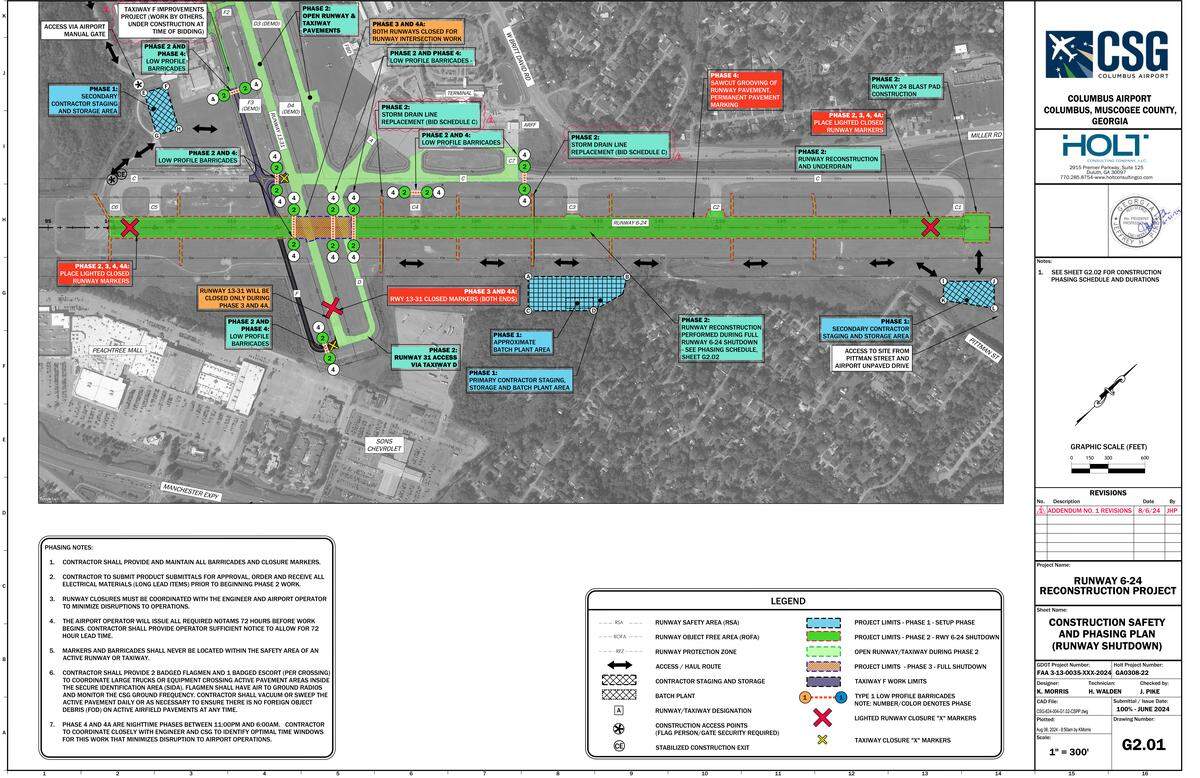
At 6,997 feet long and 150 feet wide, it is the airport’s largest runway. The $24 million project is contracted to Summer’s Concrete Contracting of Hahira, Georgia. According to Columbus Airport director Amber Clark, the project is funded through a combination of federal, state and local grants and through the Transportation Special Purpose Local Option Sales Tax.
When will the project start and end?
Construction is scheduled to begin Aug. 5 and end Nov. 27.
How will the project affect flights?
All commercial flights and services at CSG will be paused during the reconstruction period. Larger non-commercial aircraft also will be unable to use the runway during this time.
Runway 13-31, which serves smaller aircraft, will remain open for general aviation traffic — except for a 3-4 week period when construction is done at the intersection of the two runways. Clark said she anticipates this period will take place from mid-September to early October.
Helicopter operations will continue throughout the project because they don’t require a runway, Clark told the Ledger-Enquirer.
What if I booked a flight from CSG during the closure?
If you booked a flight departing from Columbus Airport between Aug. 5 and Nov. 27, CSG recommends that you contact Delta Customer Service to rebook your flight, ask about refunds or to get additional support. The Delta Customer Service phone number is 1-800-221-1212.
Can I book flights from Columbus Airport during the closure?
Passengers won’t be able to book flights during the reconstruction period. But they still can buy tickets for travel on any dates before Aug. 5 or after Nov. 27. According to CSG’s website, Delta Air Lines has been communicating with the airport throughout the project planning and is working to resume their services after the project is complete.
“We’re encouraging people to just be aware and make arrangements as necessary,” Clark said. “But please continue to start booking through the holidays. We’ll be ready for that service.”
Will the airport be closed?
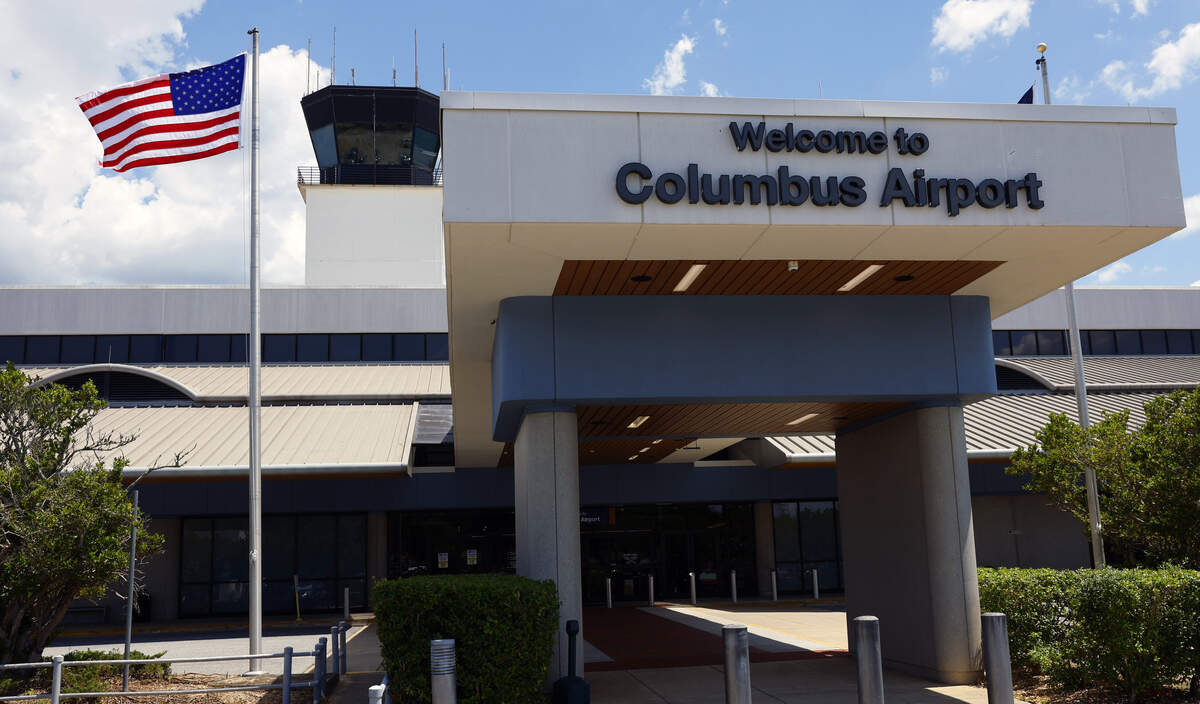
No — the airport will remain open during the runway reconstruction. The terminal will continue to operate, and services such as rental cars, food and beverage concessions and Runway 13-31 still will be available.
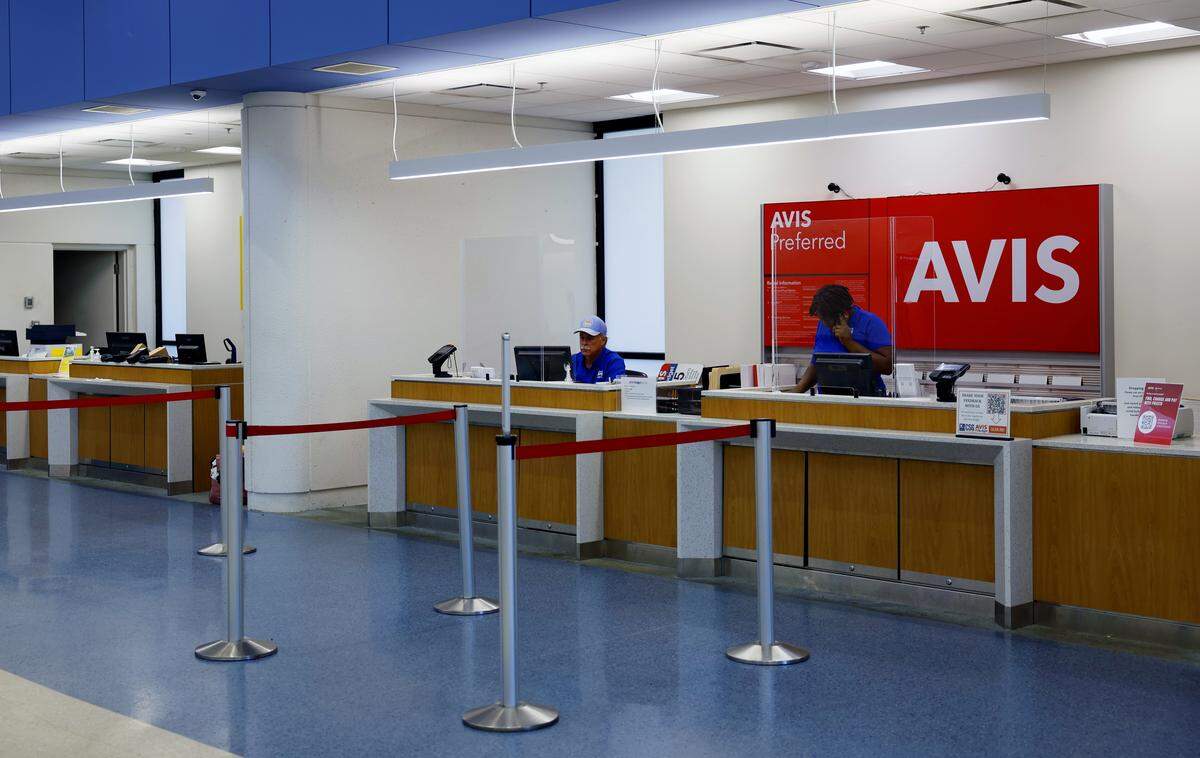
Clark said staff will remain employed, with no expected layoffs. Most employees will continue in their usual roles, she said, though some might help with cleaning and maintenance related to the construction.
During the closure, unused areas will be repurposed as event spaces and made available for rent. Clark said parts of the ramp and secondary runway could be rented for larger events like 5K runs. Those interested in hosting an event at the airport between August and November can find more information on the CSG website.
Why is the runway being reconstructed?
Current runways have an average lifespan of about 20 years, according to the Federal Aviation Administration. At over 40 years old, Runway 6-24 has far exceeded this lifespan. A full reconstruction will ensure the safety and longevity of the runway, Clark said.
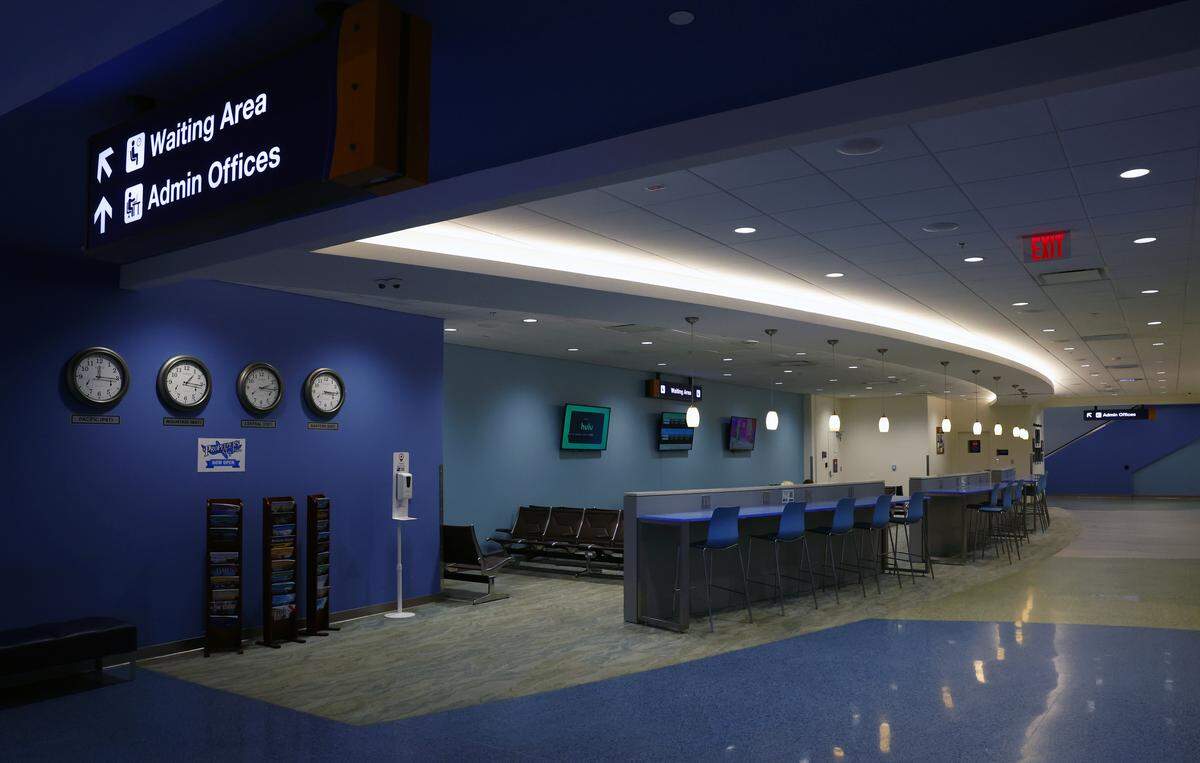
She also said the timeframe was chosen strategically to plan for after summer vacation season and before holiday traffic.
“Typically, people are getting back into school, and so we wanted to get it done right now before we really start to see that holiday travel,” Clark said.
What does the reconstruction entail?
Reconstructing a runway is an extensive process. Construction will involve:
- Removing the existing asphalt and base
- Replacing two storm drains beneath the runway
- Rebuilding the gravel base and resurfacing the runway with concrete
- Installing a new drainage system along the sides of the runway
- Installing a blast pad at the southwest-facing end of the runway
- Installing a new runway lighting system
- Smoothing and shaping safety areas surrounding the runway.
Clark said moving from asphalt to concrete is a “good investment for the future” because concrete lasts longer and is easier to maintain. It’s also stronger and can accommodate heavier aircraft.
Is the runway safe in its current condition?
According to CSG, a variety of projects have maintained Runway 6-24 over its lifetime. The runway undergoes annual inspections by the Federal Aviation Association, and routine preventative maintenance and careful monitoring has allowed the airport to extend the runway’s lifetime.
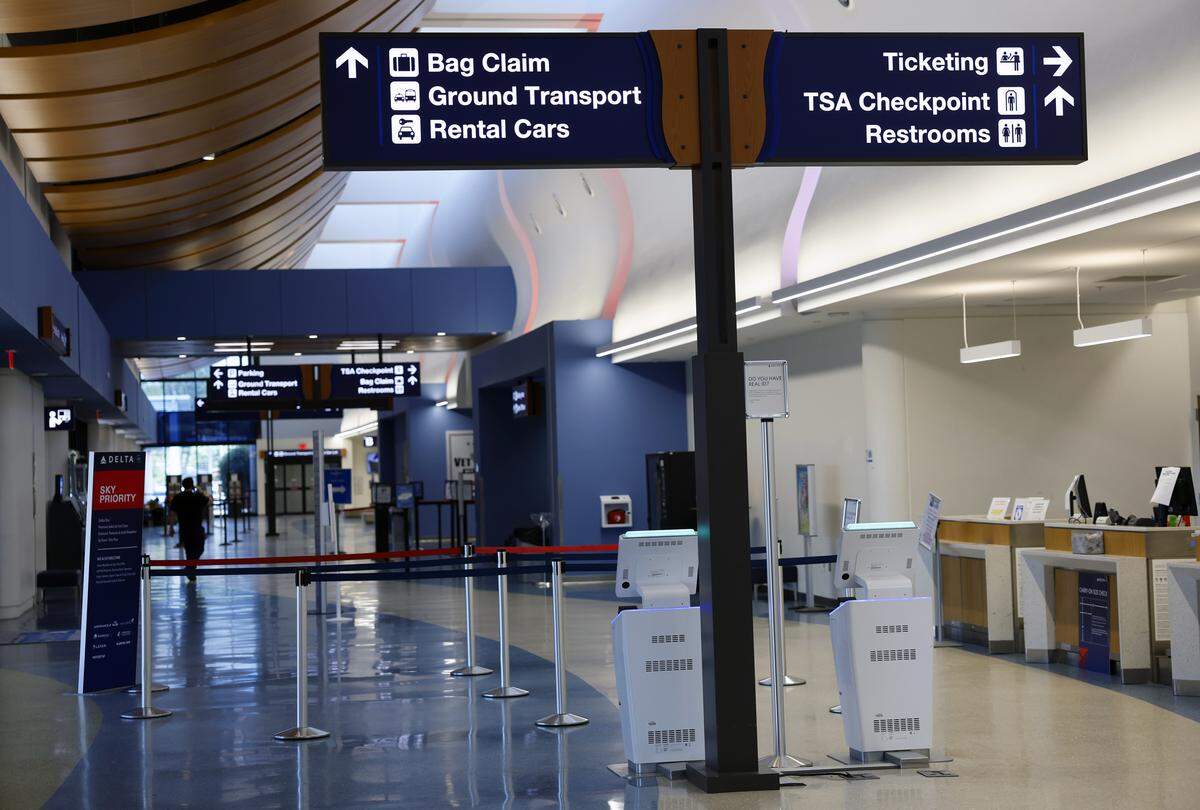
“This runway has well over 40 years,” Clark said. “It’s just time to reconstruct it. … We don’t anticipate doing this for at least another 40 years. And if we have to, it won’t be a full shutdown. It would be much easier to repair if we needed to.”
How will the local region be impacted?
CSG’s website says the airport is committed to addressing safety, infrastructure and environmental concerns, and will work to minimize the impacts of air quality, noise pollution and other construction-related disruptions throughout the project.
How can I stay informed about the project?
Clark said the airport releases regular updates. There are three ways to stay informed:
1. Visit the website at flycolumbusga.com/cgs-runway-project/
2. Follow CSG on social media:
- Facebook: Columbus Airport (GA)
- Instagram: @columbusairportcsg
- LinkedIn: ColumbusAirportGA
- Twitter/X: @flycolumbusga
3. Sign up to be added to the email list by visiting flycolumbusga.com
This story was originally published July 30, 2025 at 10:03 AM.