‘THEO-logians’ visit Columbus for ‘Theo of Golden’ tour — and get surprise from author
The memories from one year spent in Columbus three decades ago, paired with reading Allen Levi’s bestselling novel “Theo of Golden,” spurred a Florida woman to return to the Chattahoochee Valley in search of any and all connections between the book and Columbus.
Linda Brandt, whose husband was stationed at Fort Benning in 1996, and three friends arrived in Columbus on Memorial Day to learn more about — and to experience — the real-life places that influenced “Theo of Golden.”
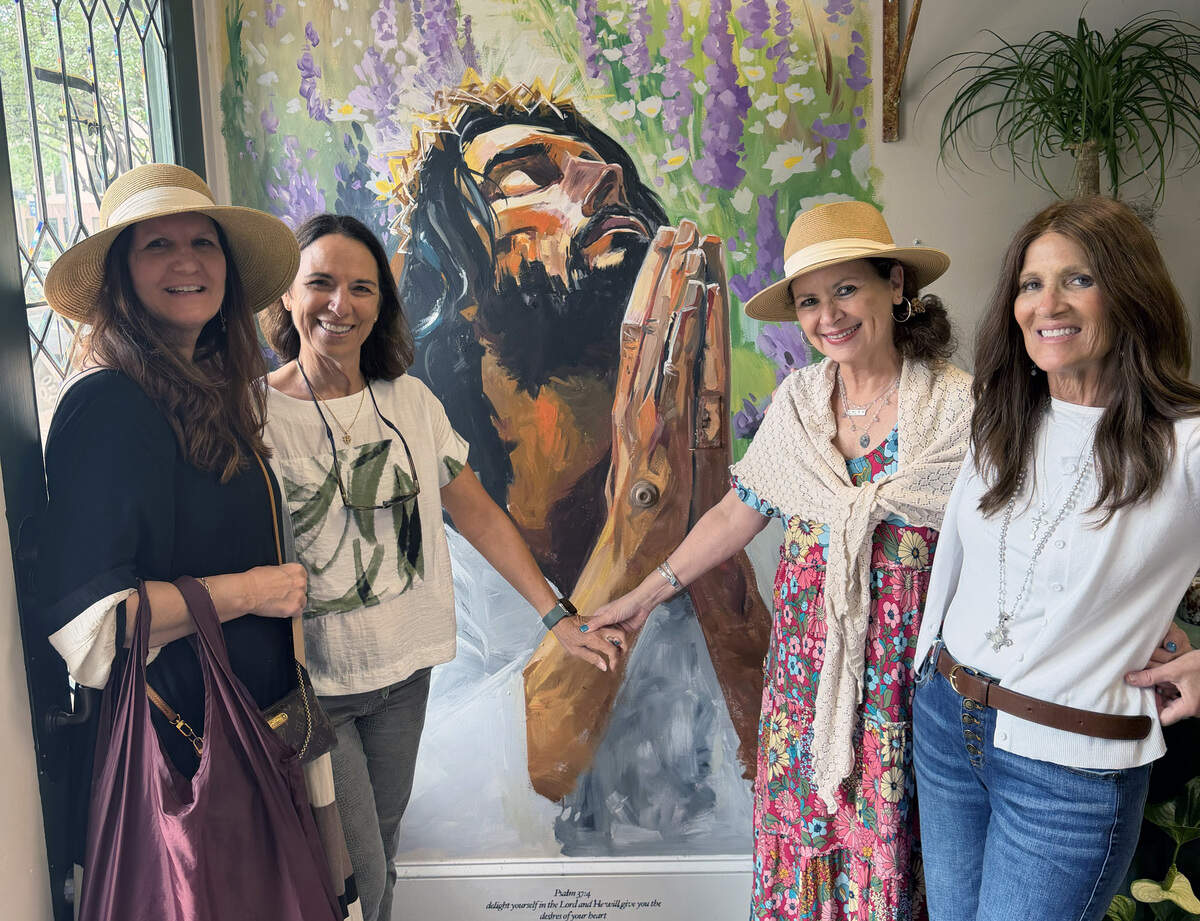
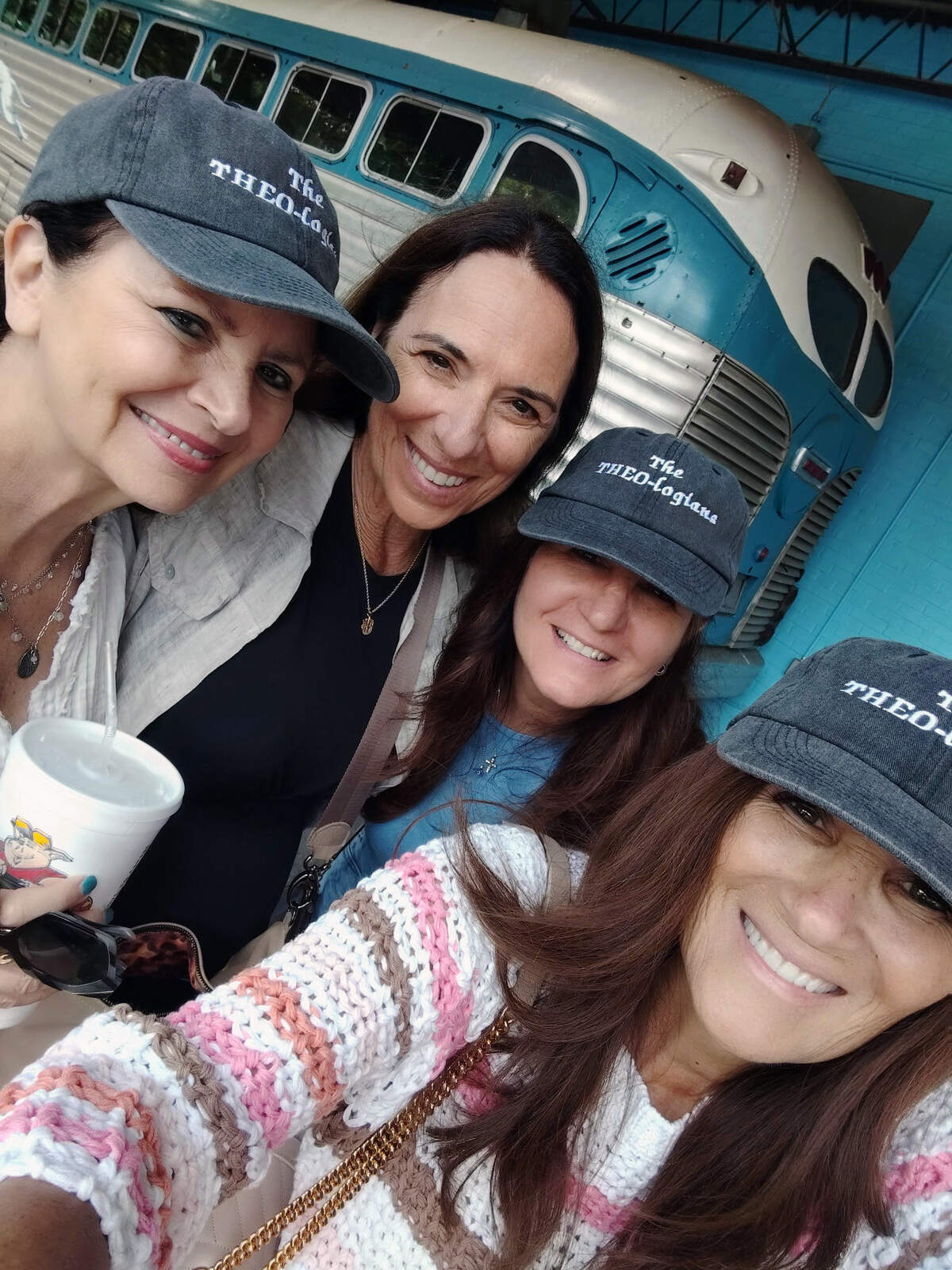
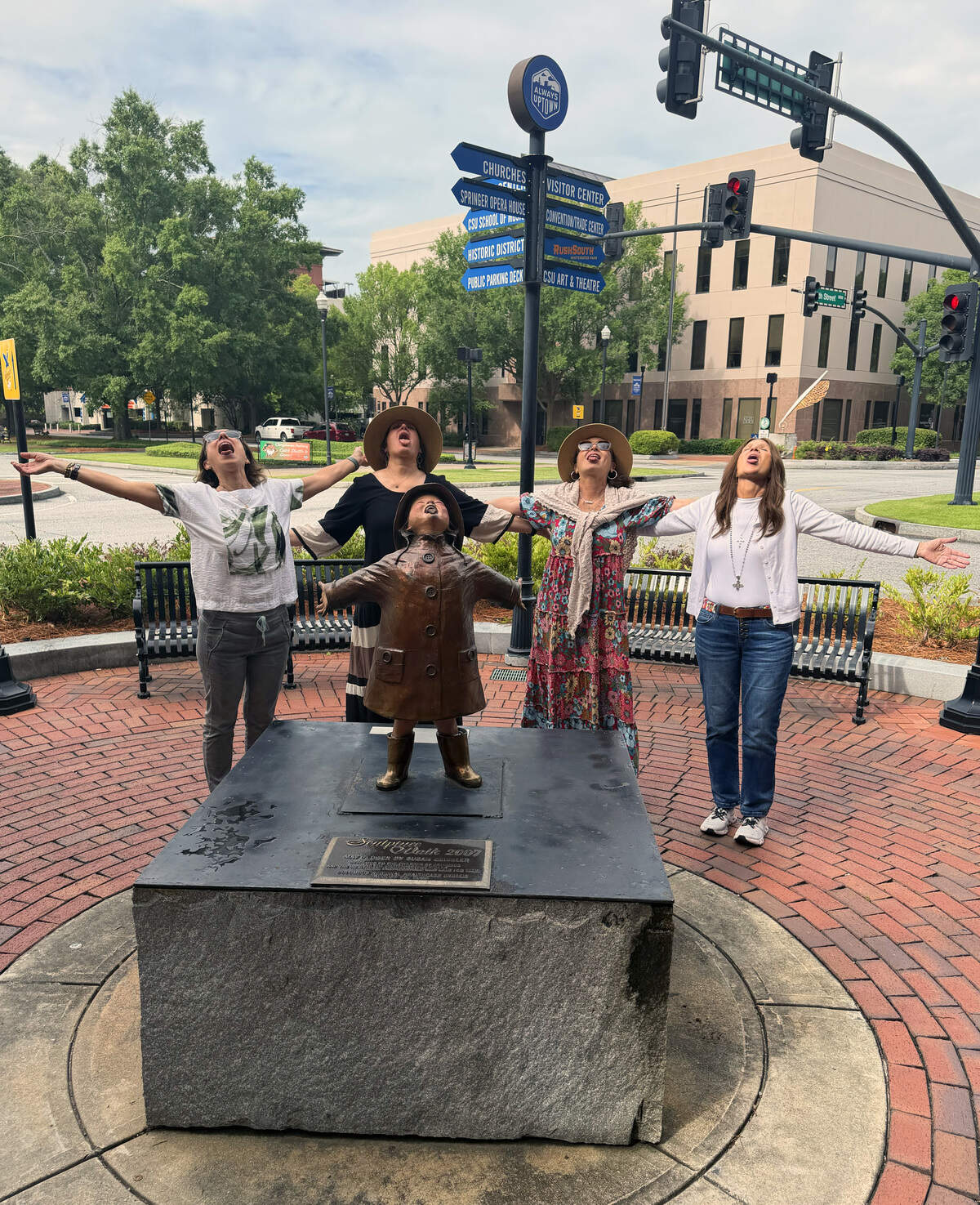
The four women, members of a book club, dubbed themselves “THEO-logians.” They have the hats to prove it.
Brandt said the book brought back a flood of memories, including her many bicycle rides from the former Infantry Museum at Fort Benning and along the Chattahoochee Riverwalk. A search through pictures uncovered one with a map of the Riverwalk and Oxbow Meadows.
In that photo, Brandt said, she noticed one of the connections to “Theo of Golden.”
“I saw that I rode through Oxbow Meadows,” she told the Ledger-Enquirer, “and I was like, ‘He has named the Chattahoochee River the Oxbow River.”
More discoveries followed, Brandt said, cementing the relationship between Levi’s fictional town of Golden and Columbus.
“I realized that Golden was actually Columbus, Georgia, and I started putting two and two together, that some of these places he’s talking about in the book are real,” she said.
Brandt said she got her friends Roxanne Connor, Kim Crist and Suzanne Mavrakos excited about exploring Columbus and its connections to “Theo of Golden.”
“We all read the book,” Brandt said. “We all fell in love with the character Theo.”
During their first night in Columbus, they walked along Broadway from their downtown hotel to Fountain City Coffee, the inspiration for the Chalice coffee shop in the novel.
“We were peering in — it was closed — and we just thought, ‘Oh my gosh. This is so cool,’” Connor said.
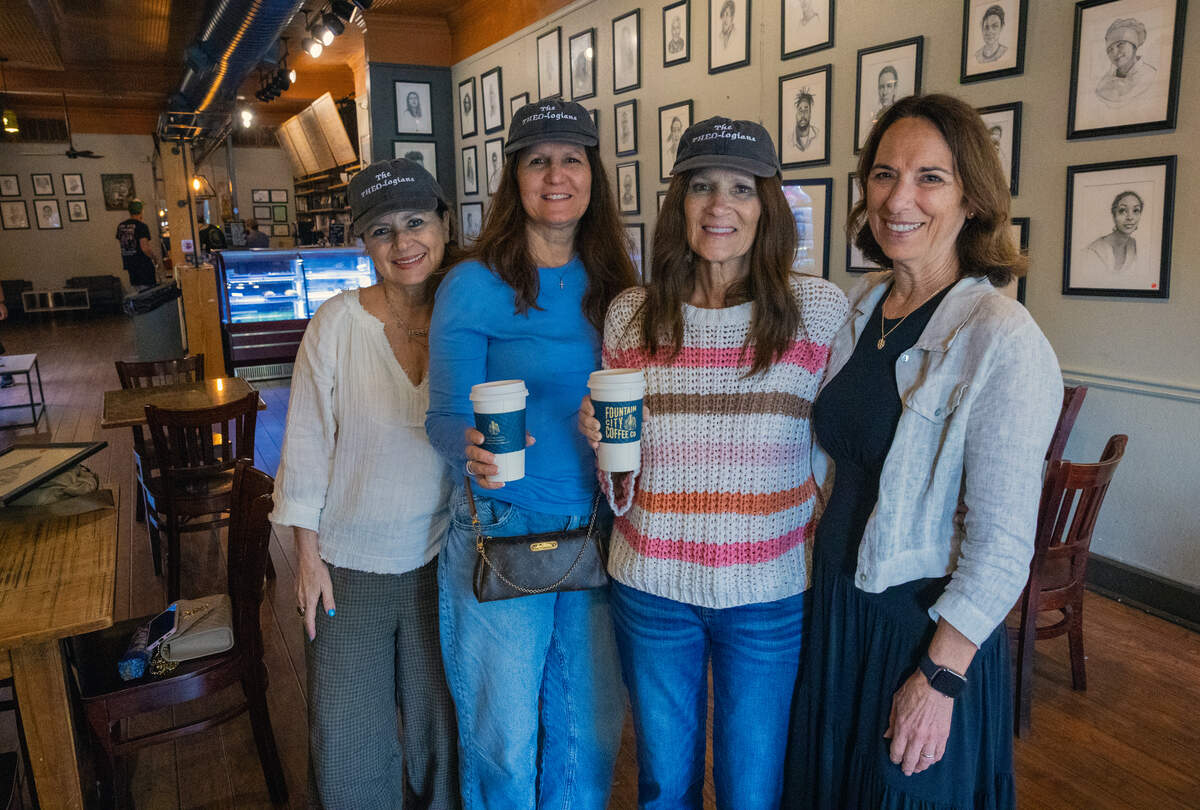
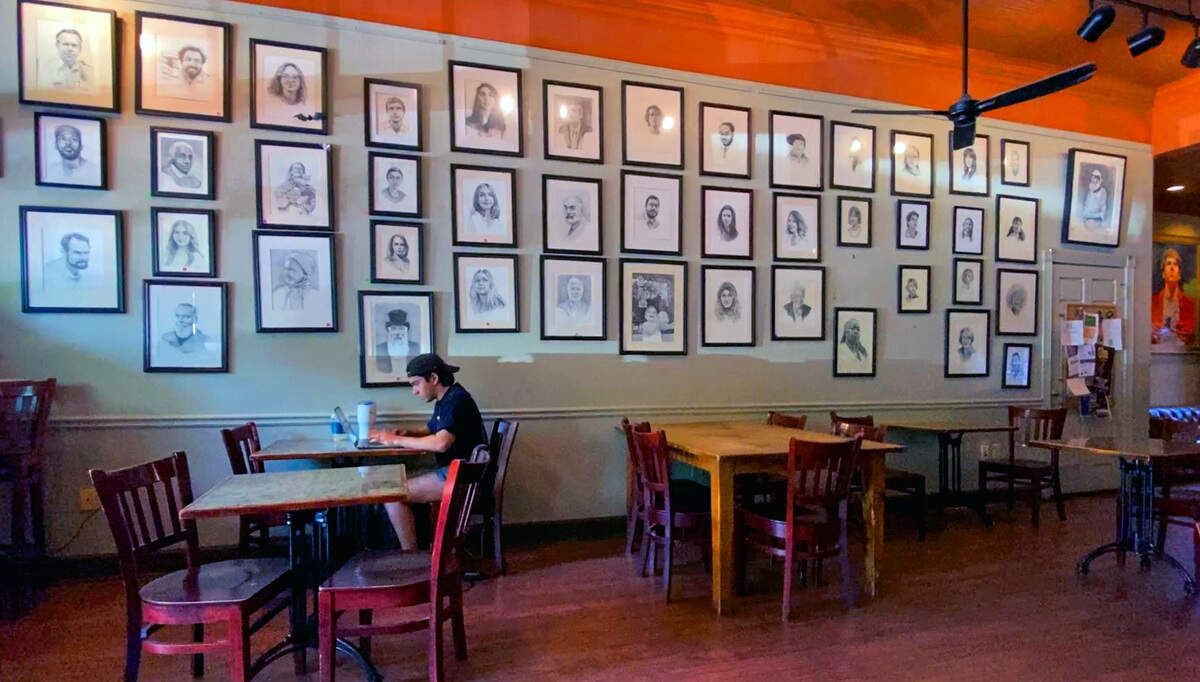
They returned in the morning, went in and sipped coffee, surrounded by the charcoal and pencil portraits, drawn by Columbus artist Garry Pound, that are central to the “Theo of Golden” narrative.
“It was exactly what I thought, and all the faces, it just touched my heart that someone would do this for someone,” Connor said.
Those portraits, Crist said, made her wonder: Where did they come from? What’s their history? Do they have a family? Are they happy in their lives?
“It was overwhelming, actually,” she said.
“When you see it in person, and you see all these faces looking at you, from little kids holding a coffee mug to an old man in a funny looking hat, it was just very emotional.” Crist said, "You just kind of feel each person.”
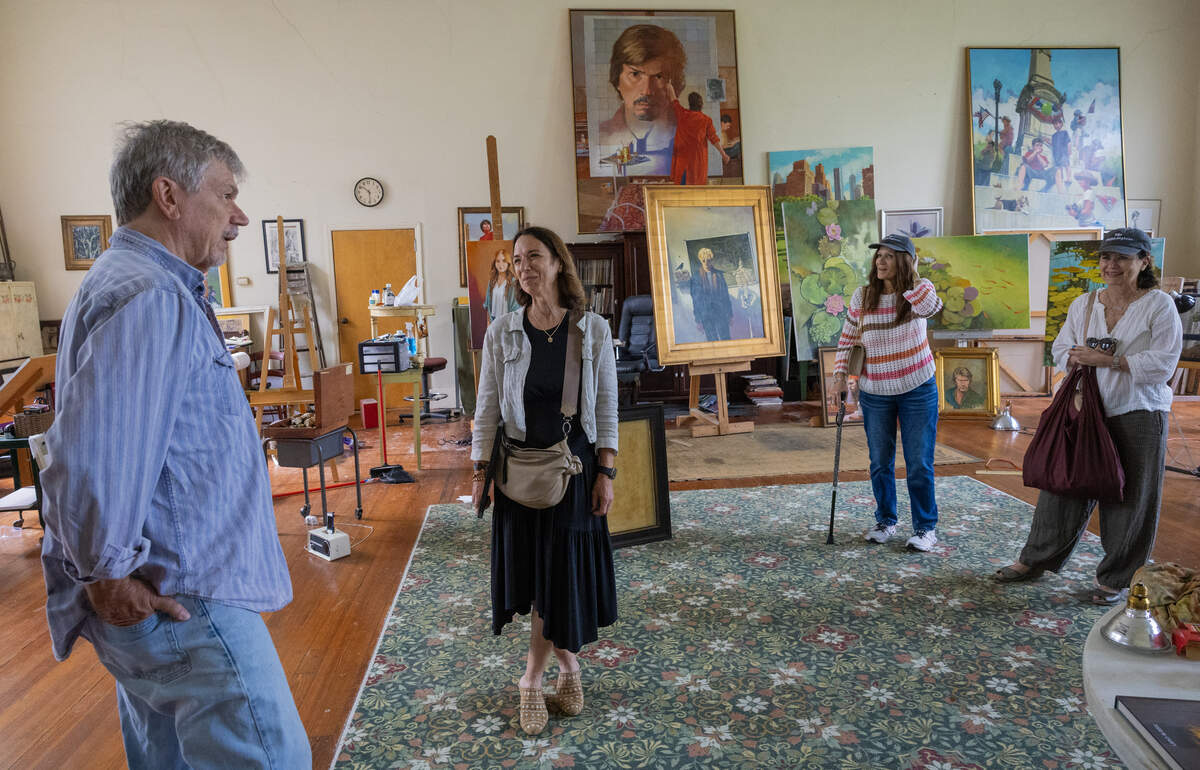
After an unsuccessful first attempt to get into Legacy Hall at the RiverCenter for the Performing Arts to see how closely the venue compares to the book’s fictional Bettye Hall, the group walked from Fountain City Coffee south along Broadway into the Columbus Historic District, ending up at Pound’s art studio.
“That was incredible, truly,” Mavrakos said, ”I’ve already sent pictures to friends, my braggadocious text sending out, because that was just so cool to meet him and be in his space, and it was overwhelming.”
During the visit to Pound’s studio, the “THEO-logians” discussed commissioning Pound to create portraits similar to those at Fountain City. Mavrakos said she is considering having Pound do a portrait of her two daughters.
“Well, I’ve got them both reading the book, so I’m kind of drawing them in as well and just how special it is,” Mavrakos said. “It’s so great to read a book and then actually connect and walk into a coffee shop and see these drawings and realize it’s kind of when fiction meets reality. It’s all tangible, and you’re touching it, and meeting the person that actually did it was just special, very special.”
Through the morning, Brandt wondered whether she would hear from Levi. She had written to him before their trip, asking whether he would meet them at “the Fedder,” the fictional fountain in “Theo of Golden.”
Though she hadn’t yet heard from Levi, Brandt still said, ”It was just turning into a wonderful trip.”
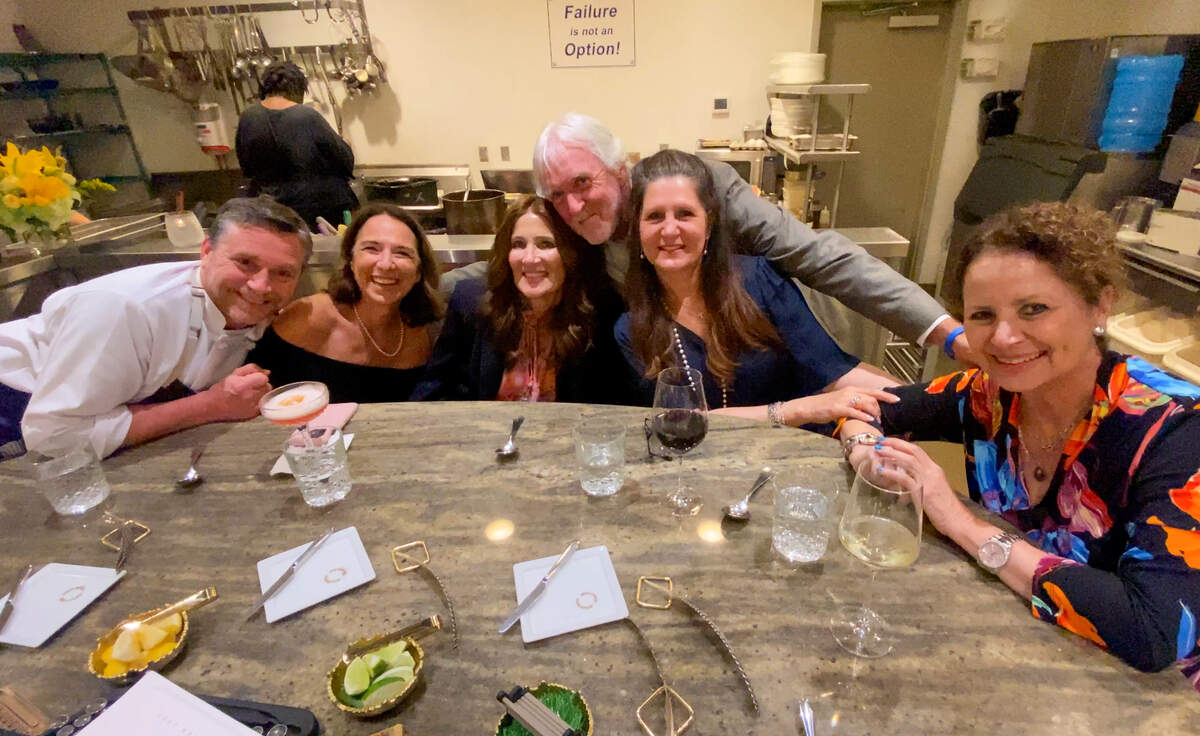
The day literally took an epic turn that evening during their “Theo of Golden” dinner at the Epic Restaurant chef’s table, organized by Jamie and Melissa Keating, co-owners of Epic.
Sitting at the chef’s table in Epic’s kitchen, Brandt said she immediately saw the restaurant’s attention to detail: a typewriter on a table, a copy of “Theo of Golden” placed atop the typewriter, a bench, feathers and more.
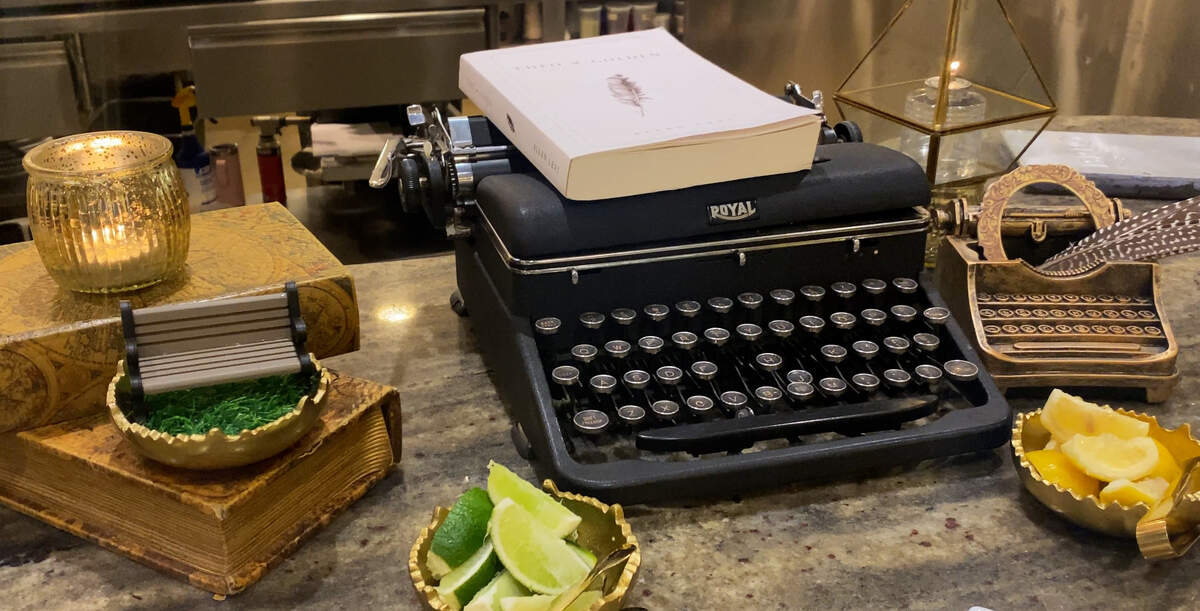
“Everything was over the top,” she said, “It was like nothing we could have dreamed of.”
Three courses into the meal, Levi made a surprise visit to their table.
“I was speechless,” Brandt said. “I was crying. I was a little bit in shock. I didn’t know what to say.”
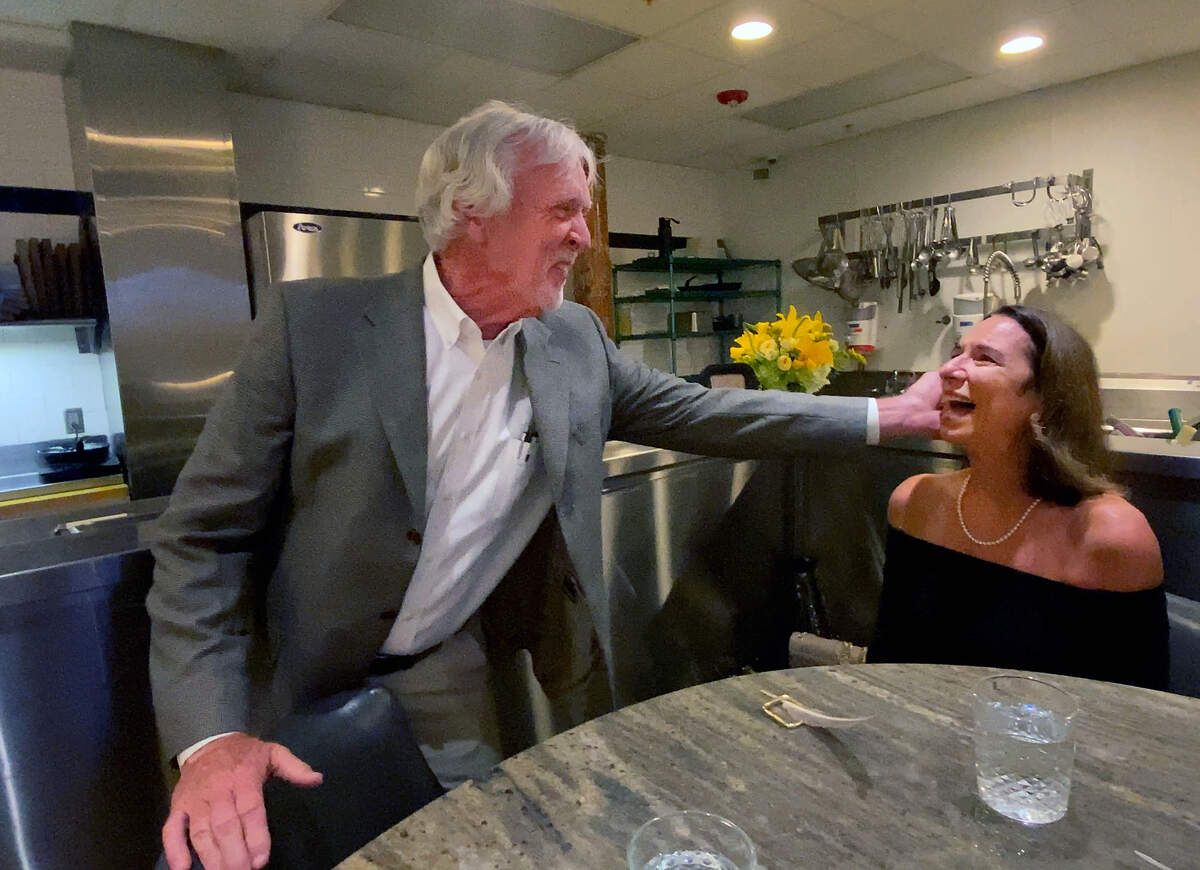
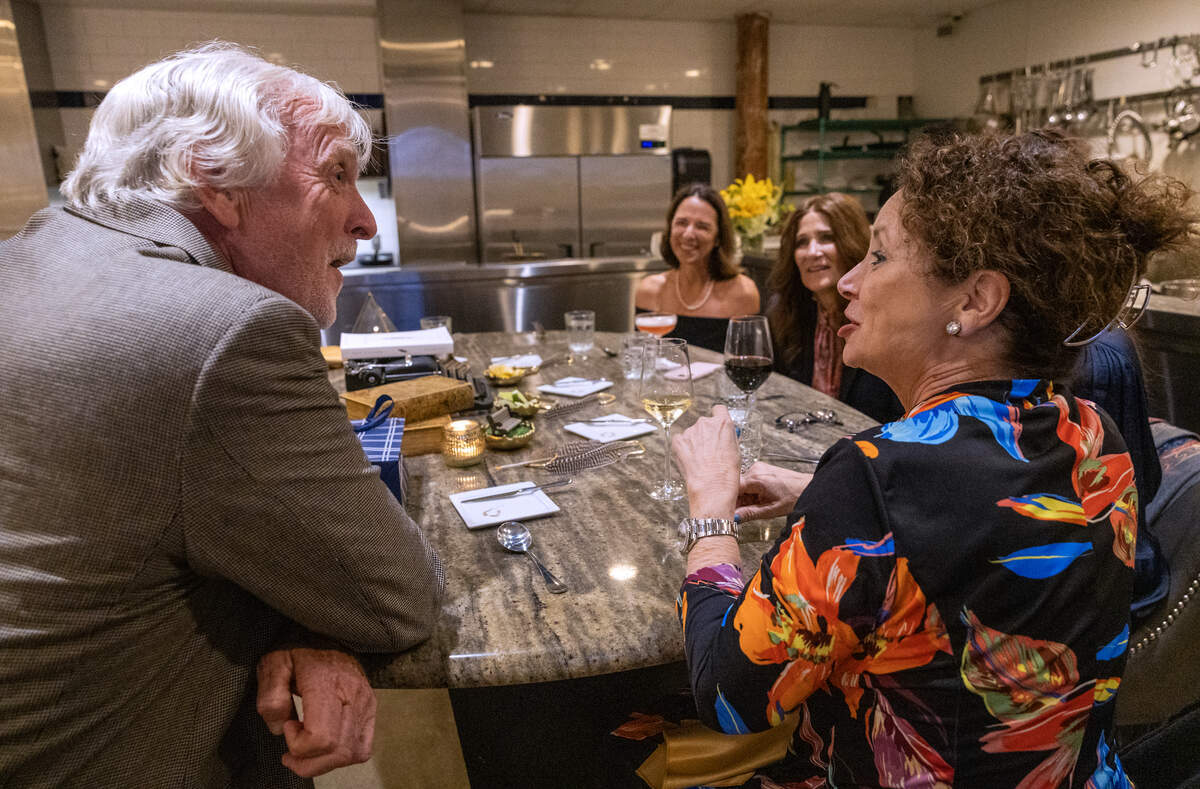
Levi talked with the “THEO-logians” as a group and individually. He was gracious, Brandt said, and expressed concern he was infringing on their time.
“We’re like, ‘Oh my God, no, please,’” Brandt said. “He wanted us to have this experience, this chef’s table, and we’re like, ‘No, we want Allen Levi.’”
Describing the visit with Levi at Epic, Brandt referenced the book.
“I have tasted heaven,” she said. ‘That was him walking in.”
The next morning, they revisited Fountain City for another coffee — and revisited the RiverCenter in hopes of peering inside Legacy Hall.
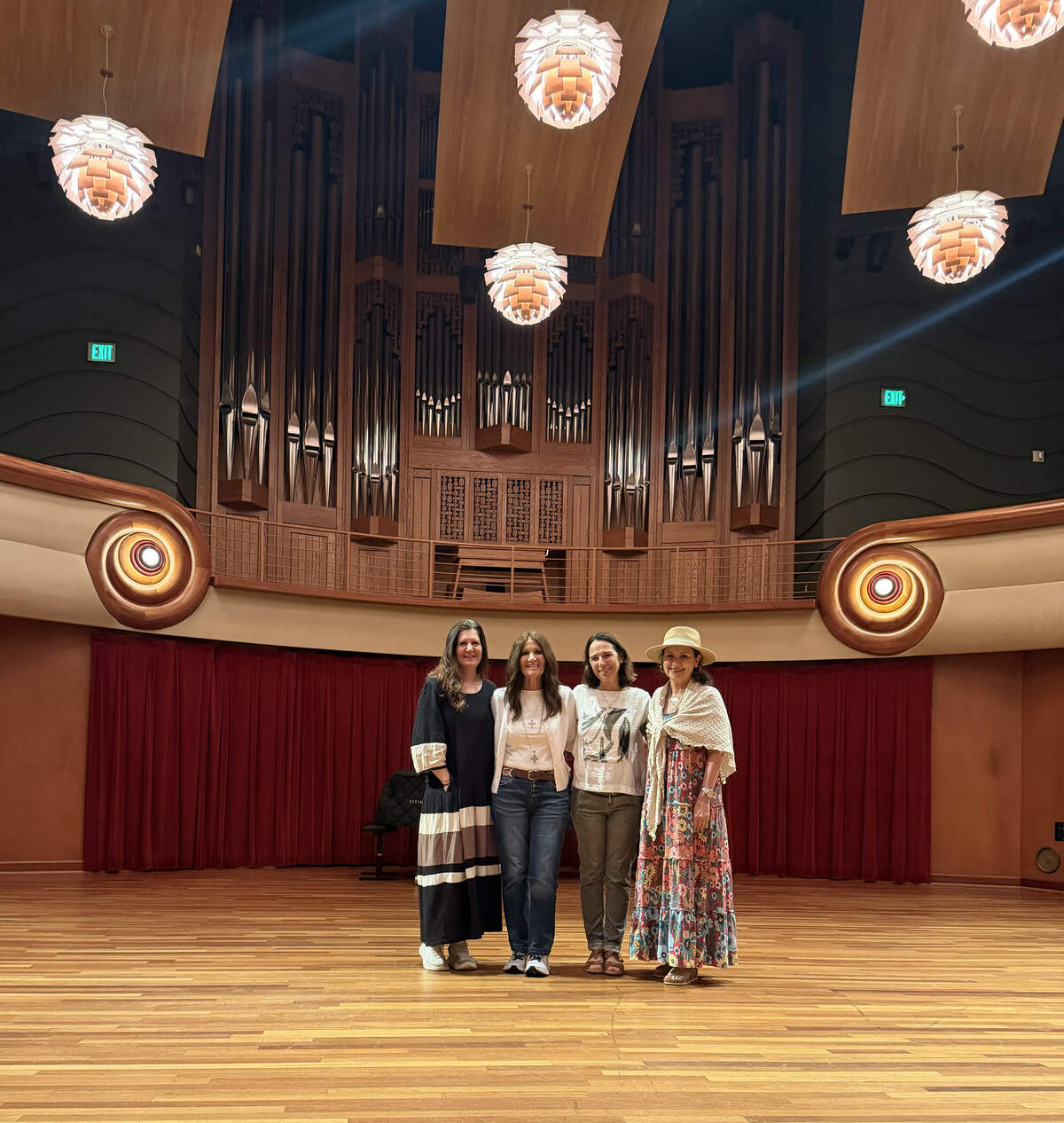
Brandt said Levi’s vivid description of Bettye Hall, its concert organ and pine-cone lights and the storylines occurring there, placed a visit to Legacy Hall near the top of her must-see list.
“It was the last piece of the puzzle,” she said, “We really wanted to see it, and when the girls said, ‘Let’s give it one more try,’ I was nervous because I thought, ‘If that lady sees us coming again, she’s going to be rolling her eyes and going, ‘Oh my gosh. Not them again.’”
Brandt said this time a woman opened the doors to Legacy Hall for them, and they walked on the stage and took pictures of the organ.
“As we were leaving, we spotted a florist shop on the side street, and we walked in to buy that woman just a big bouquet of flowers,” Brandt said. "We took them back to her, and there were more hugs and tears, just, you know, thank you for fulfilling everything on our bucket list here.”
What’s next?
“We’re thirsty for more, and I think that’s one reason why we were here,” Crist said, “We just want more of the book, and there aren’t any more pages yet.”
Each of the “THEO-logians” said they will take more than memories from their trip.
Crist said Levi’s portrayal of Theo’s life is inspirational.
“I think it’s going to inspire people to become better versions of themselves,” she said, “I know it has for me.”
Connor concurred.
“W need to see the good in this world,” she said. “We need to see better in people. It’s not what we’re seeing right now. So I think that’s for me. That’s what it did. It made me realize that I want to be a better person. I want to be more like Jesus, like we said, and hoping it’s inspiring others to do the same.”
Brandt said one of the deepest longings of the human soul is to be seen.
“I found myself looking at people deeper,” she said. "I can see people when they’re younger now when I look into their faces. I’m more aware of people and just being seen. “
Mavrakos added, “I think we’re all portraits on a wall. I think every person you meet, whether they’re standing in front of you at the grocery store or they’re parked next to you at the red light, everybody has a story.
“Whether good, bad or ugly, everybody’s having a day. Everybody is walking their own path. And if we all choose kindness like Theo did and extend grace to others, and like Jesus, embrace forgiveness., if we do all of these things, what a better world we would have.
“And this little book kind of reminded us all of that, at least for me. It made me really think, and it gave me a pause to think all of those things and to want to be more like that, to be the best version of myself.”