
Midtown Medical Center penalized for hospital-acquired infections
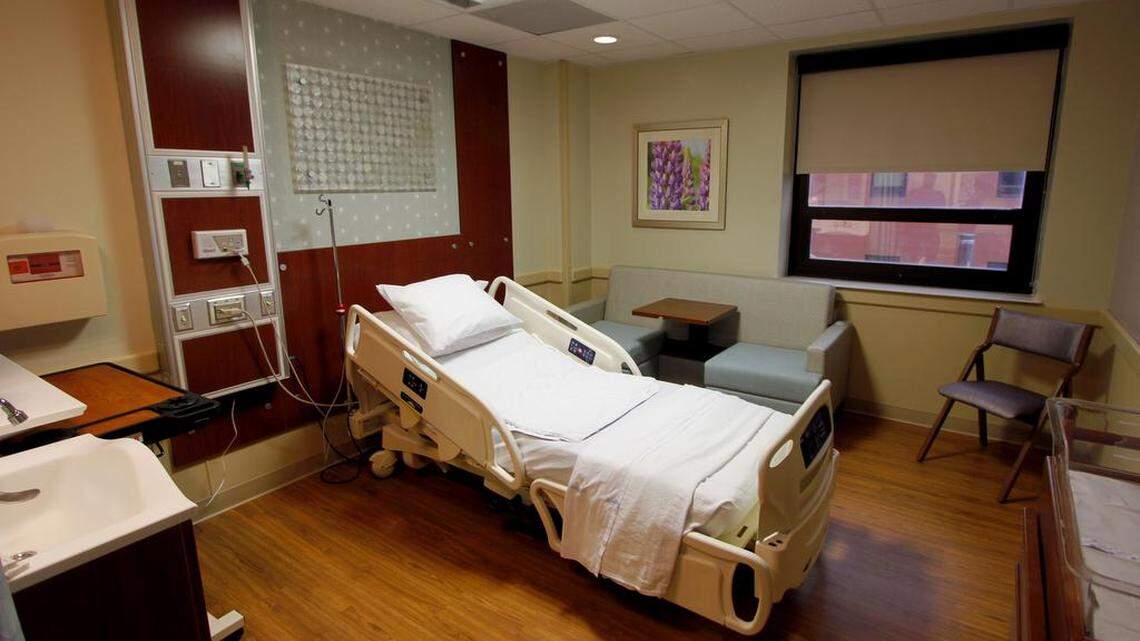
It’s not the type of list any hospital wants to be on, but Midtown Medical Center in Columbus is far from alone.
Owned by Columbus Regional Health, the medical center is among 31 hospitals across Georgia that is being penalized for having too high of a rate of hospital-acquired infections.
The 31 are out of 134 hospitals operating statewide. Nationwide, the federal agency has targeted just under 800 hospitals for high patient-injury rates overall, with infection rates most recently being added to infractions that draw penalties.
(Area Alabama hospitals not on penalty list for hospital infections)
The U.S. Centers for Medicare and Medicaid Services will cut Medicare payments for one year to the Columbus hospital and others on the recently released list by 1 percent. The oversight falls under the Hospital-Acquired Condition Reduction Program, which was started in 2015 under the Affordable Care Act.
The program requires payment reductions to those hospitals that rank in the worst-performing 25 percent of all locations. Areas measured include central line-associated bloodstream infections, catheter-associated urinary tract infections, surgical site infections (colon and hysterectomy), methicillin-resistant staphylococcus aureus bacteremia, and clostridium difficile infections.
Columbus Regional Health responded in a statement to the Ledger-Enquirer that the “respected hospitals” on the list are among the state’s largest health-care facilities, serving some of the “sickest populations of patients.”
Ryan Chandler, Columbus Regional Health executive vice president and chief operating officer, said in the statement that the organization takes measurement of such quality aspects of health care “seriously,” and works to improve each day.
“Over the two years since this data set was collected and subsequently made available to the public, we have incorporated current best practices for enhanced outcomes and we have seen positive improvements in our recent data,” Chandler said. “The efforts of our dedicated clinicians in daily patient care huddles and mandatory education sessions will continue to have a positive effect on our data sets and this will be reflected in future publications. We have always been, and we remain, committed to the challenges of improvement over time and to providing the best care possible for our patients.”
No other Columbus hospitals were on the penalty list from the U.S. Centers for Medicare and Medicaid Services. Columbus Regional Health also operates Northside Medical Center on the city’s north side, while St. Francis Hospital — a major heart facility for the region — is located on Manchester Expressway.
The U.S. Centers for Disease Control and Prevention has made the reduction of hospital-related infections a major focus for its organization. That includes tracking the progress made in preventing them. It said one in 25 hospital patients can expect to contract a health care-related infection on any given day.
Its website said there were an estimated 721,800 hospital-acquired infections (HAI) nationwide at acute-care facilities in 2011. Those infections came from ailments that included treatment of pneumonia, gastrointestinal illness, urinary tract and primary bloodstream infections and surgical-site infections from inpatient procedures.
“Steps can be taken to control and prevent HAIs in a variety of settings,” the CDC said. “Research shows that when health-care facilities, care teams, and individual doctors and nurses, are aware of infection problems and take specific steps to prevent them, rates of some targeted HAIs can decrease by more than 70 percent. Preventing HAIs is possible, but it will take a conscious effort of everyone — clinicians, health-care facilities and systems, public health, quality improvement groups, and the federal government — working together toward improving care, protecting patients and saving lives.”
Here are the Georgia hospitals (as reported by the Atlanta Business Chronicle) being penalized for hospital-acquired infection rates by the U.S. Centers for Medicare and Medicaid Services:
▪ Athens Regional Medical Center
▪ AU Medical Center
▪ Candler Hospital
▪ Crisp Regional Hospital
▪ DeKalb Medical Center
▪ Eastside Medical Center (Emory Eastside Medical Center)
▪ Emory Johns Creek Hospital
▪ Emory University Hospital
▪ Emory University Hospital Midtown
▪ Grady Memorial Hospital
▪ Gwinnett Medical Center
▪ Habersham County Medical Center
▪ Hamilton Medical Center
▪ Meadows Regional Medical Center
▪ Navicent Health (formerly the Medical Center of Central Georgia)
▪ Memorial Health University Medical Center Inc.
▪ Midtown Medical Center in Columbus, Ga.
▪ Oconee Regional Medical Center
▪ Phoebe Putney Memorial Hospital
▪ Piedmont Hospital
▪ Rockdale Medical Center
▪ Saint Joseph's Hospital of Atlanta Inc. (Emory Saint Joseph's)
▪ Southeastern Regional Medical Center (Cancer Treatment Centers of America)
▪ Southern Regional Medical Center
▪ St. Joseph's Hospital - Savannah
▪ Tift Regional Medical Center
▪ University Hospital McDuffie
▪ WellStar Atlanta Medical Center
▪ WellStar Kennestone Hospital
▪ WellStar Paulding Hospital
Tony Adams: 706-571-8574, @ledgerbizz
This story was originally published January 9, 2017 at 2:18 PM with the headline "Midtown Medical Center penalized for hospital-acquired infections."