Columbus area plant accused of polluting says it will close if feds don’t extend deadline
Leaders of a Phenix City manufacturing plant are asking the federal government for more time to install pollution-reducing equipment and say the facility could close if the delay isn’t granted.
Continental Carbon Company president Dennis Hetu says more than a hundred jobs would be lost if the U.S. Department of Justice and the EPA don’t approve the company’s request to extend the Dec. 31 deadline by 2 ½-3 years.
The EPA and DOJ required Continental Carbon to install the equipment after determining pollutants from the facility violated the Clean Air Act. The agencies have already granted the company a two-year extension on its original deadline.
Continental Carbon has letters of support for its request from Alabama Gov. Kay Ivey and Phenix City Mayor Eddie Lowe. Local residents who say emissions from the plant damage their property and threaten their health hope the deadline isn’t extended
What is carbon black?
Continental Carbon makes carbon black. According to the EPA, carbon black is produced by the reaction of a hydrocarbon fuel, such as oil or gas, with combustion air at temperatures of 2,400-2,800 degrees Fahrenheit.
The unburned carbon is a black powder, with particles 10-500 nanometers in diameter. The main uses of carbon black are as a reinforcing agent in rubber compounds, mostly in tires, and as a black pigment in printing inks, surface coatings, paper and plastics.
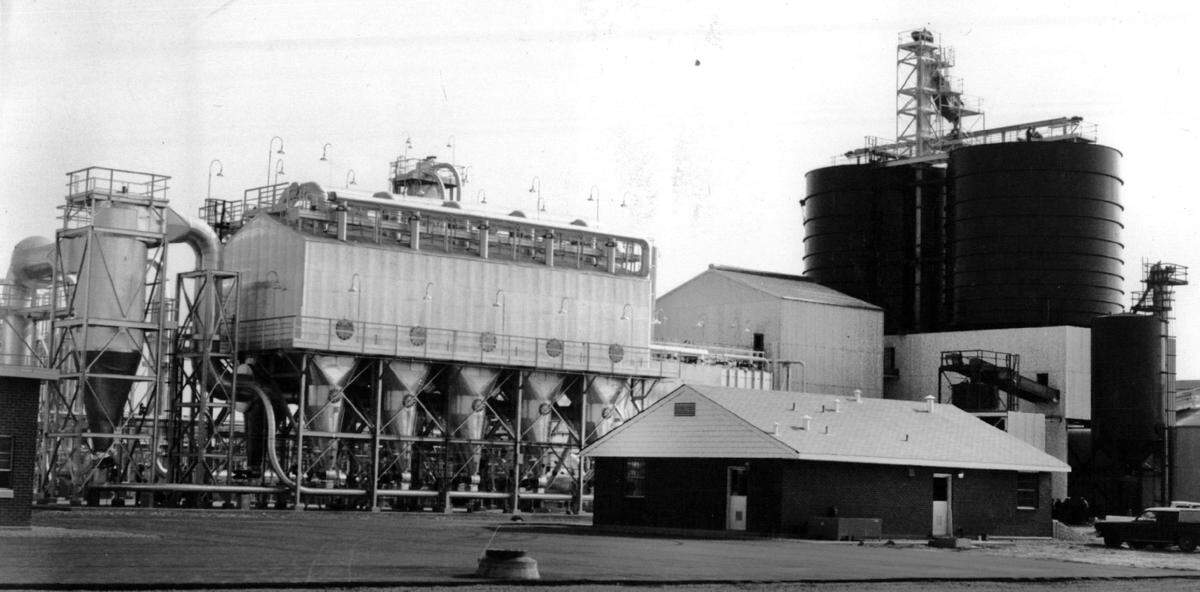
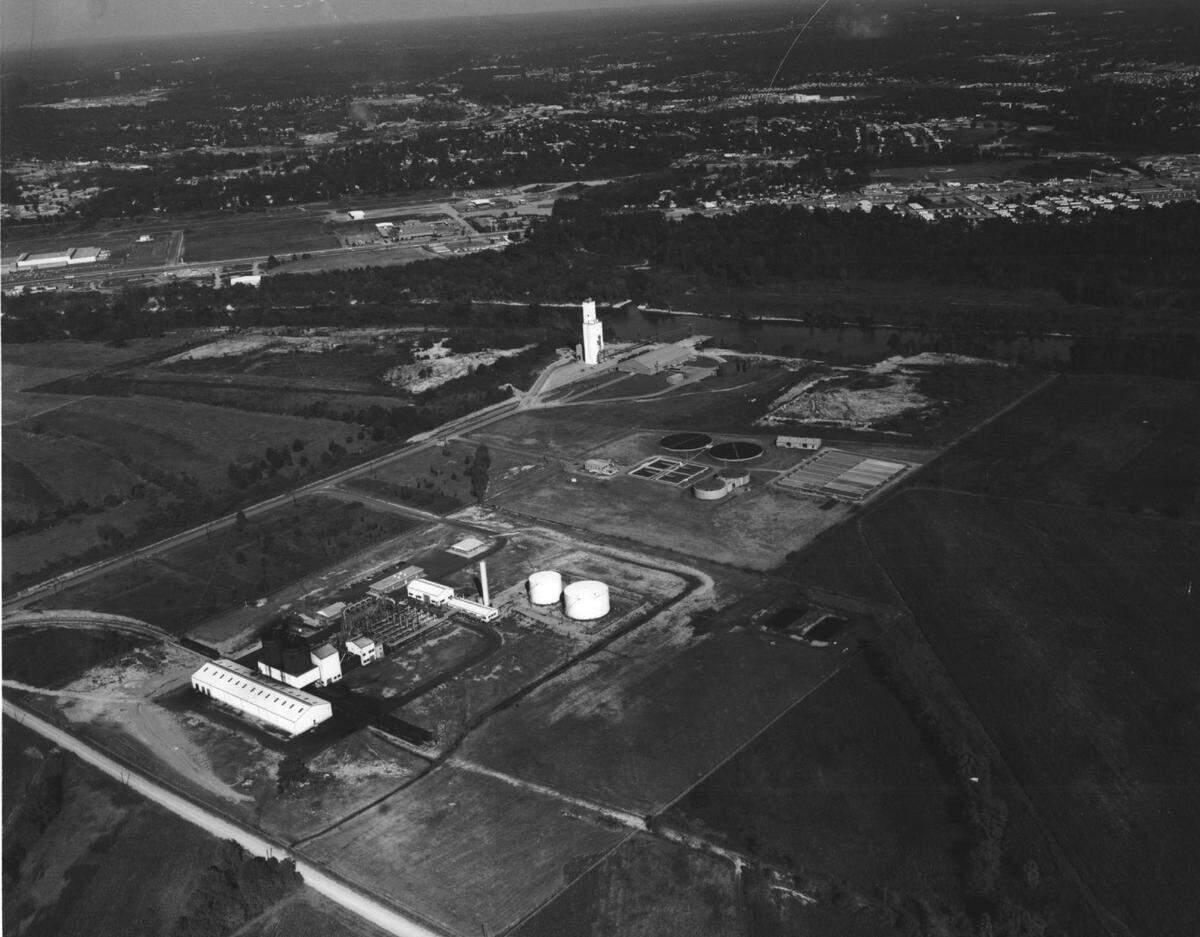
For 53 years, Continental Carbon has operated a plant in Phenix City, at 1500 State Docks Road, along the west bank of the Chattahoochee River and across the state line from Columbus. Continental Carbon, headquartered in Houston, has two other plants: one in Ponca City, Oklahoma, and one in Sunray, Texas.
Legal background
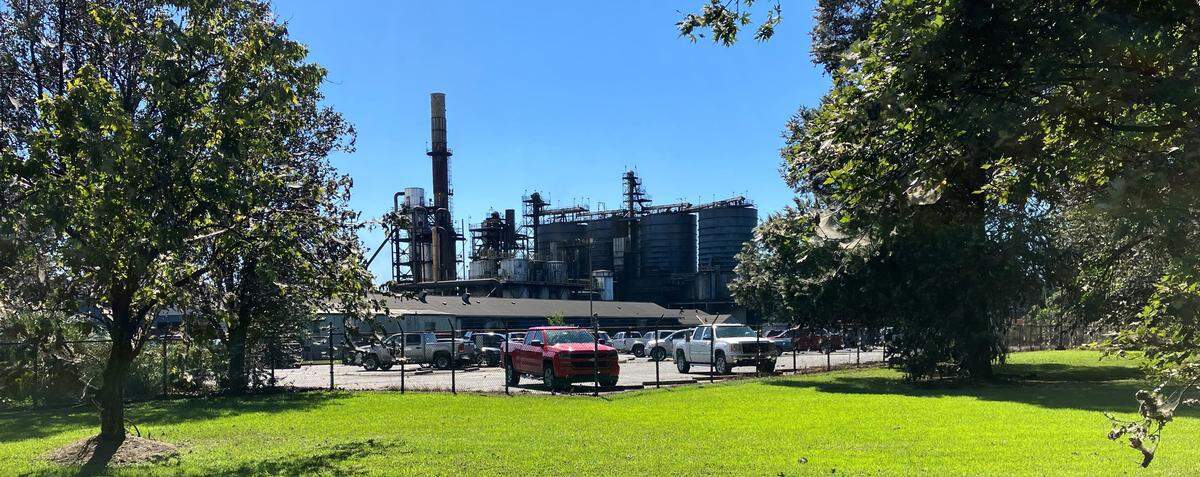
In August 2001, a class action lawsuit on behalf of now-closed Action Marine owner John Tharpe and others in the Columbus area was filed against Continental Carbon, seeking compensation to their properties from what federal environmental investigators concluded was soot emitted from the Continental Carbon plant across the Chattahoochee River in Phenix City.
The city of Columbus and South Columbus Concerned Citizens President Owen Ditchfield later joined the lawsuit.
In 2004, the city of Columbus, Tharpe and Ditchfield won their lawsuit. The city was awarded $570,000 in compensation. Tharpe received a $100,000 personal award and $1.2 million for his boat dealership. Ditchfield was awarded $45,000 plus interest.
Continental Carbon also had to pay $17.5 million in punitive damages, of which $3.4 million went to the city of Columbus.
In 2007, the EPA started investigating the five major U.S. carbon black producers for claims of pollutants coming from their plants, specifically hazardous levels of sulfur dioxide, nitrogen oxide and particulate matter violating the Clean Air Act.
In 2015, the EPA and DOJ announced a Clean Air Act settlement with Continental Carbon.
The EPA estimated in 2015 it would cost Continental Carbon $98 million to comply with the consent decree at its three plants. Since then, the company has invested more than $300 million in new pollution control equipment at its Oklahoma and Texas plants and planned to invest more than $100 million at its Phenix City plant, according to an email Greg Johnstone, the Phenix City plant’s manager, sent the L-E.
In 2017, the federal and state governments agreed to extend Continental Carbon’s deadline to complete the pollution control upgrades at the Phenix City plant from 2020 to Dec. 31, 2022.
Now, the company is asking for more time.
“Unfortunately, because of COVID restrictions, economic challenges, supply chain disruptions and the rapidly increasing costs of new equipment for our Phenix City plant, CCC would have no choice but to close the plant by the end of the year under the terms of our consent decree,” Johnstone said.
Economic impact
The cost to comply with the consent decree at the Phenix City plant has grown to $120 million, Hetu said. With a profit margin of 3%, spending that amount would put Continental Carbon in “an uncompetitive position” because it would add 3-6 cents per pound of carbon black in operating costs, Hetu said, “in a market where a fraction of a penny makes or breaks a sale.”
Continental Carbon is prepared to immediately spend $50 million for new pollution control equipment and engineering of the installation if its request for another deadline extension is granted, Hetu said.
“What we offered the EPA,” he said, “if you want to penalize us for being so late to the game, we understand, and we’re willing to accept that penalty by either capping our production at a lower rate, forcing us to use a lower sulfur feed stock, which is going to cost millions, or even temporarily installing emission reduction equipment that has no value 2½-3 years from now.”
Continental Carbon’s competitors received an extension of their December 2022 deadline after claiming what’s called “force majeure,” which are circumstances beyond one’s control.
If the deadline isn’t extended, Hetu said, Continental Carbon would need to shut down the Phenix City plant because it couldn’t afford the penalties of $72,000 per day for violating the consent decree.
The Phenix City plant’s wages and benefits total $6.5 million for approximately 120 jobs, Johnstone said. Since the COVID pandemic, however, the plant has been operating at less than half its full-time staff, Hetu said.
If the deadline extension request is approved, Hetu said, Continental Carbon would hire an additional 20-30 people and implement an agreement with Colorado-based carbon black alternative producer BolderBlack to build a facility next to the Phenix City plant on Continental Carbon property and add another 30-40 local jobs.
BolderBlack breaks down scrap tires and other rubber products into their basic ingredients, including carbon black.
“Nobody can use straight recycled carbon black on anything because it doesn’t work fundamentally on its own,” Hetu said. “It has to have some kind of blend ratio with virgin carbon black. So, what a great opportunity to have a recycled carbon black plant right next to a virgin carbon black plant, whereby I can do the blending and send it out to all of my customers and everybody else. It’s perfect.”
Phenix City is the ideal location for this unique partnership, Hetu said, because of the Continental Carbon plant being only 100 miles away from the Atlanta area, which has among the largest depositories of scrap tires in North America.
“We can run a carbon black reclaim system at full capacity for 20 years just on the tires out of Atlanta,” he said.
In addition to the jobs at the plant, Johnstone said, Continental Carbon annually spends more than $4 million with local businesses for services such as transportation, maintenance, equipment and supplies, plus taxes exceeding $550,000 per year.
Environmental impact
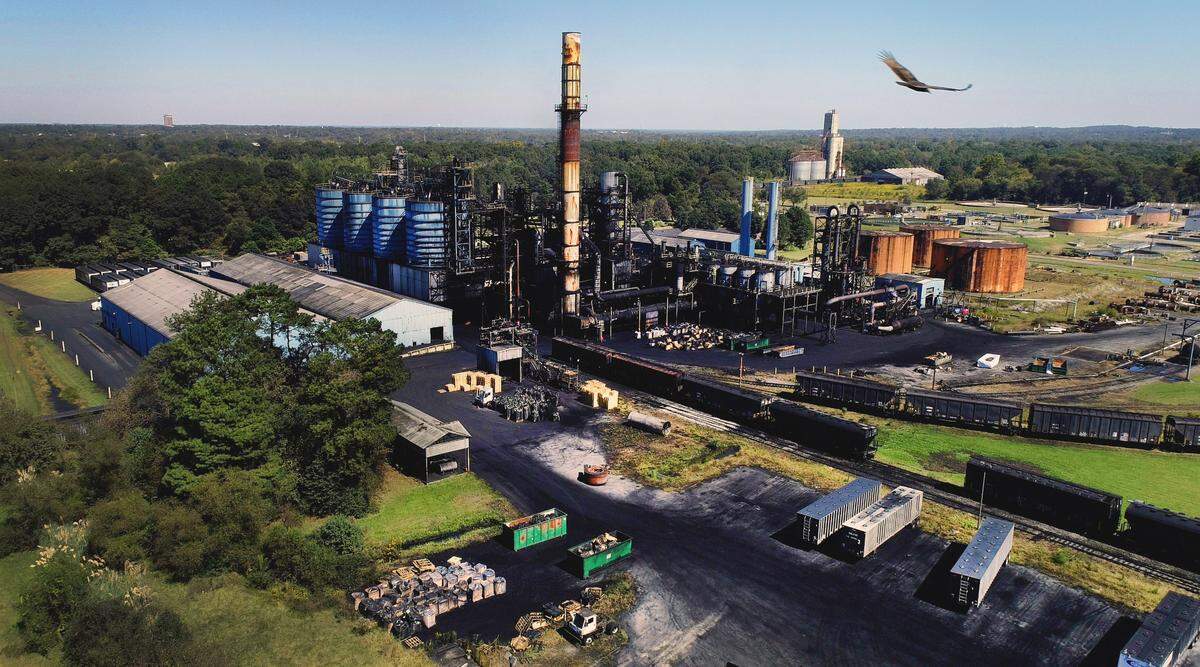
With the nearest carbon black plants in Louisiana and Texas, Hetu said, shutting down the Phenix City plant would mean longer transportation time for carbon black to reach tire manufacturers in the Southeast.
The Phenix City plant also is more valuable to the industry than its size would indicate because it takes 2-4 hours for carbon black to be trucked from Phenix City to a tire manufacturer, Hetu said. The closest alternative is at least 12 hours away, he said.
So closing the plant, Hetu said, would equate to “basically taking one emission away and adding another emission into the system for a net of nothing.”
The L-E didn’t reach an EPA official for comment before publication. DOJ spokesman Wyn Horbuckle declined to comment.
Concerns about emissions from Continental Carbon’s plant in Phenix City go beyond the air. The Alabama Department of Environmental Management’s database of correspondence with companies holding permits in the state shows 11 complaints filed against Continental Carbon for air issues since 2005, eight complaints for land issues since 2017 and eight complaints for water issues since 2017.
“The EPA and ADEM did their on-site evaluation,” Hetu said. “They sent a report documenting their observations. We had to respond in writing to their findings. All of that was done in 2017 and 2018. Since then, we’ve been in full compliance with every permit we operate under. We’ve cooperated fully with the EPA and ADEM in every request they’ve had.”
But critics continue to accuse the company of polluting.
The Chattahoochee Riverkeeper, a nonprofit environmental advocacy organization dedicated to protecting and restoring the Chattahoochee River Basin, filed a complaint to the EPA against Continental Carbon in May, alleging the Phenix City plant is failing to comply with ADEM’s industrial stormwater general permit.
“Based on field observations during and immediately following rain events,” the Chattahoochee RiverKeeper “believes this site is discharging polluted stormwater without necessary coverage under the relevant permit,” Riverkeeper general counsel Kevin Jeselnik wrote in the complaint.
Riverkeeper Jason Ulseth told the L-E, “We’re not here to try to tell them to shut off their operations and leave. We want them to comply with the environmental regulations in place. … It’s just a matter of doing it safely and responsibly.”
Hetu countered, “To our knowledge, we haven’t received anything from ADEM or EPA on this issue.”
He contends Continental Carbon isn’t responsible for the storm drain that runs under John Bussey Drive, referenced in the Riverkeeper’s complaint.
“That’s not on our property,” he said. “. . . That’s not our area to measure. That’s not our area to monitor.”
Johnstone added, “The last time we had any official correspondence (with regulators) was our written report back in September of 2018.”
Residents react
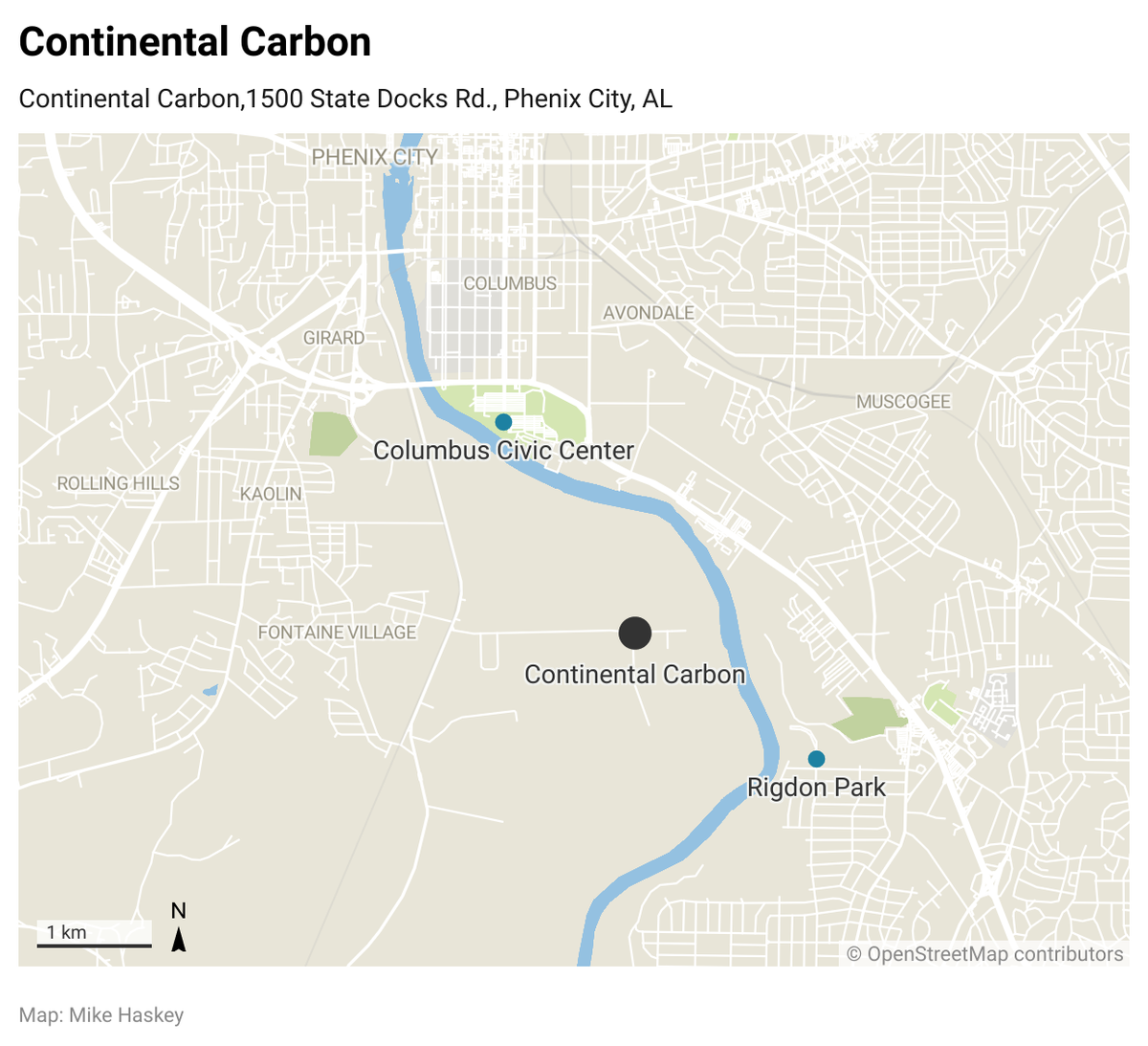
Three residents in the Oakland Park neighborhood of south Columbus and three residents of the Historic District in downtown Columbus, both just east of the Continental Carbon plant across the Chattahoochee River, told the L-E during the past several weeks that emissions from the plant continue to damage their property with soot, although none said they have had the substance tested.
Ken Henson, a local lawyer, moved downtown from north Columbus five years ago.
“What’s interesting is the blackness on my porch floor and chairs,” he said. “I have to wear shoes or my socks or my feet are black.”
Henson wrote a letter to the DOJ after he saw an Aug. 24 letter to the editor on the Phenix Citizen website from Continental Carbon asking for public support of its deadline extension request.
“CC has still not added the equipment to meet an EPA consent order that was previously extended,” Henson wrote. “And now they want another extension to continue to send this black pollution over to Columbus. And they have the audacity to ask people to write letters to support their efforts to spew pollution over into Columbus.
“They needed to add equipment after verdict in 2007. They have polluted our air for 15 more years and want letters to allow them to continue.”
Hetu called Henson’s assertions “100% inaccurate. We have and continue to meet every single requirement of every single permit that we’re operating under. We have actually gone above and beyond and spent a few million dollars implementing particulate emission reductions.”
In addition to the federal class-action lawsuit, 142 more local property owners sued Continental Carbon in 2004 in Russell County Circuit Court. They claimed years of carbon black emissions from the company’s Phenix City plant damaged their homes, boats and cars, reduced property values and threatened their health. They eventually received undisclosed settlements.
Oakland Park resident John Marvets was among them. So when the L-E told him that Continental Carbon insists it must shut the Phenix City plant if the deadline to upgrade its emission controls isn’t extended again, he said, “If it puts them out of business, so be it.”
That’s because, Marvets said, he hasn’t seen any reduction in the soot that falls on his property 18 years after the lawsuit.
“I’ve found no difference,” he said. “… You walk outside in the mornings, walk on your grass, your feet are black if you’re barefoot. … If you have white-soled shoes on, some brand-new tennis shoes, you walk outside, you go through the yard, they’re black, and you can’t clean it. I mean, you can try. It just smudges. It smears. It’s just ridiculous.
“Your car windshield, it’s got a little dew on it, you go use the wipers, and it’s just black streaks. I mean, it’s dirty water on my windshield every morning. If you have a garden, your tomatoes have this black soot on them, and you try to wipe it off, and it just smears. It doesn’t come off. It’s ridiculous to have to deal with this. I thought it was dealt with when they were fined pretty good. Unfortunately, they did nothing about it as far as I can tell.”
During the springtime, the prevailing winds make the conditions worse, Marvets said.
“There’s an acrid odor in the air,” he said. “… That plant is detrimental to the health of most people in Oakland Park. … In my mind, I can see no mitigation that has taken place. And for them to say they want more time? Please. They should be fined all over again.”
Keep Columbus Beautiful executive director Lisa Thomas-Cutts declined to comment about the situation and referred the L-E’s inquiry to city attorney Clifton Fay or city manager Isaiah Hugley. The L-E didn’t reach Fay before this story’s publication, and Hugley yielded to Mayor Skip Henderson for the city’s response.
Henderson declined to answer whether he is in favor of Continental Carbon’s request for a deadline extension.
“It appears to me they’ve been given a fair amount of time,” he told the L-E, “but I’m going to leave it up to the federal folks to determine that.”
To his knowledge, Henderson said, no Columbus Consolidated Government official or representative has contacted the EPA or DOJ to advocate for a certain decision.
“We hate to see any jobs leave the region,” Henderson said. “We value all of our corporate neighbors, but we kind of expect them to be good neighbors. I know there’s been a lot of challenges created by Continental Carbon with regard to some of the residents in the Oakland Park area as well as some of the publicly owned property.”
Greater Columbus Chamber of Commerce president and CEO Jerald Mitchell also expressed support for both sides of this issue.
“We value our natural resources and adherence to the highest of standards for our environment,” Mitchell told the L-E in an email. “We also strive daily to maintain a vibrant regional economy through retention and attraction of jobs and investment. We look forward to an outcome in this instance that accomplishes both.”
Asked whether the chamber has contacted any government officials to advocate for or against Continental Carbon’s deadline extension request, chamber vice president for partnership and engagement Brian Sillitto told the L-E in an email, “At this point, that answer is no.”
The L-E didn’t reach Phenix City economic development manager Shaun Culligan before this story’s publication.
In an undated letter addressed “To Whom It May Concern,” Phenix City Mayor Eddie Lowe wrote that allowing Continental Carbon’s request for a deadline extension would be a “win-win for America” because it would keep the plant operating while the company “works expeditiously to invest in and install the new emission controls EPA wants in place there.”
Lowe confirmed in the letter Hetu’s assertion that keeping the Continental Carbon plant open would enable it to partner with a tire recycling company that can produce carbon black from used tires, although he didn’t specify BolderBlack.
“The new recycling facility would be sited near the Phenix City facility, and together the plants would produce a blended, more sustainable carbon black,” Lowe wrote. “They would also be able to reclaim oil and steel that could be used beneficially. This could not only reuse millions of waste tires every year that would otherwise be discarded, but create many new, good paying jobs in Phenix City.”
Lowe also noted closing the Phenix City plant would prompt “tire producers and others to look for carbon black offshore, where there will be higher emissions.”
Alabama Gov. Kay Ivey, in a July 29 letter to EPA Administrator Michael Regan and Assistant Attorney General Todd Kim, wrote, “As Governor, preserving Alabama’s diverse and natural resources by way of protecting the environment is among my top priorities. So too is preserving the jobs of hardworking Alabamians whose families rely on responsible employers. If approved, Continental Carbon’s proposal to keep its Phenix City plan operating while expeditiously investing in and installing new emission controls would fulfill both of these priorities, and it is my hope that it would exceed your expectations.”