‘The good, the bad and the ugly.’ Columbus area health inspector shares how her job works
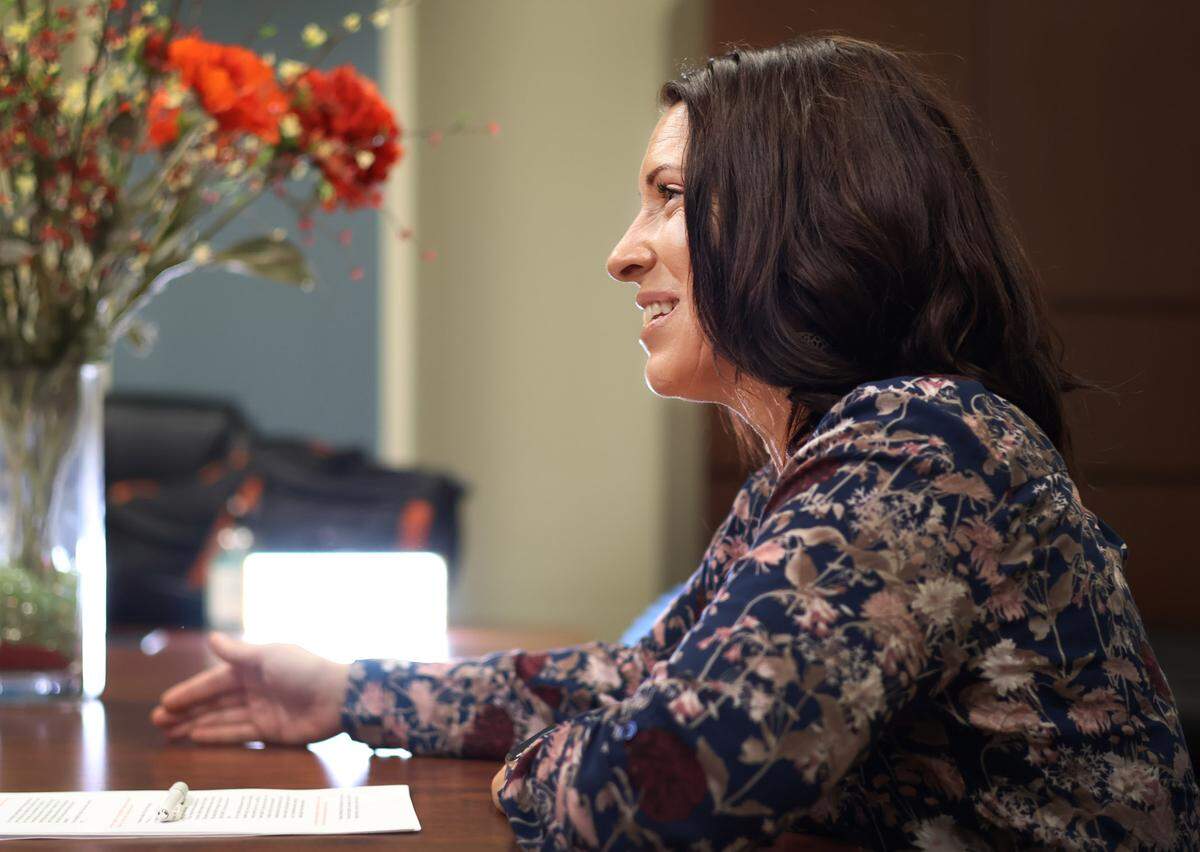
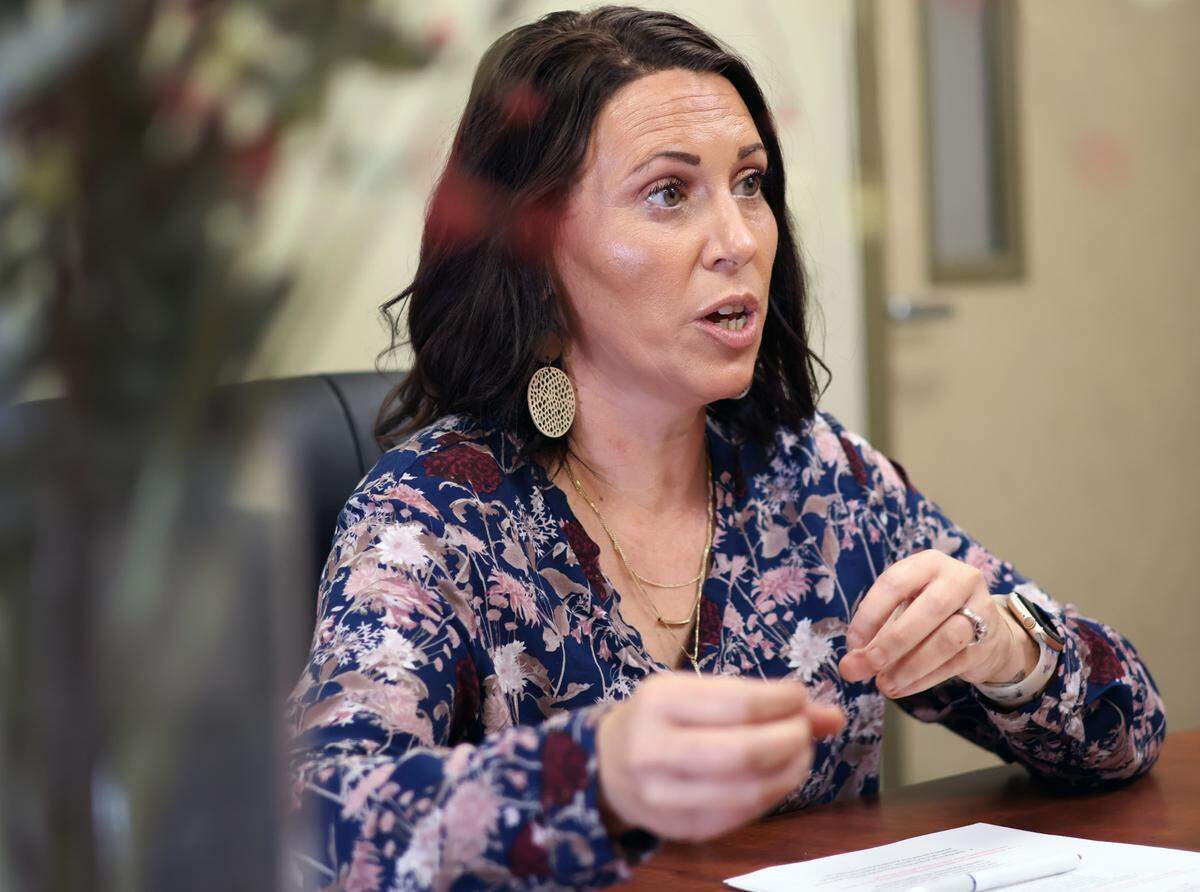
Danielle Saunders aims to educate rather than regulate in her role as the environmental health floating coordinator for the West Center Health District.
She’s been in the role for more than five and years, and floats through the 16 counties that make up the district, including Muscogee and Harris, making sure food service establishments and other businesses comply with health codes.
Environmentalists, or health inspectors, are fundamental and essential for ensuring restaurants, hotels and swimming pools are safe for people in Georgia, Saunders said.
“We go in,” she said. “We conduct our inspections, and we have to either give them good or bad news as far as what’s going on with this facility.”
Saunders’ job allows her to be a person of service, she said, and gives her the chance to help people. It’s a rewarding position because she doesn’t have an office job, Saunders said, and is able to become familiar with the entire region around Columbus.
“I get to see everything,” she said. “I get to see the good, the bad and the ugly. And I get to work with all kinds of different people from all walks of life.”
The Ledger-Enquirer spoke with Saunders about her role inspecting food service establishments and what inspectors are looking for when determining what grade restaurants receive on their inspections.
Saunders’ responses have been edited for length and clarity.
When do restaurants get inspected?
The inspections are unannounced because we don’t want facilities to get kind of in the routine of, ‘They’re gonna be here on this exact date at this exact time.’
We have a system that’s called Digital Health Department, and all of our inspections are inputted into that database. So, then what happens is when establishments come up due the system displays how many inspections are due.
Inspections are due by risk types. Risk Type 1 would be a facility that does not offer any raw animal products. So think of everything that’s precooked like hot dogs. Those facilities are only required to receive an annual inspection.
A facility that would be categorized as a Risk Type 2 does offer raw animal products, like raw beef or raw chicken, and they actually have to utilize a cook process to serve that to their guests. Those are required to have two routine inspections a year.
The last and least most common in Columbus would be Risk Type 3. Those are facilities that utilize special processes like that would hinder shelf life like smoking for preservation or reduced oxygen packaging.
Those types of facilities are required to have three inspections annually, one of those inspections really to just solely that’s directed at their processes and their data records and stuff like that.
Why do some months have more inspections than others?
I think most people think food is the only thing that us environmentalists do. But there’s seven programs that the environmentalist has to regulate for compliance for the state of Georgia.
There may be some months where there seems like there’s a bunch of food that was done, because it absolutely was, whereas other months it seems those numbers fall. We have to look and see what other programs the environmentalists were working on.
We also regulate tourist accommodations, pools, spas, tattoo facilities or body art programs, we do rabies here and we also do well-water and on-site sewage management.
It depends on precedence. Rabies will always take precedence over food because that is an imminent health risk. We have to prioritize some of our workload
Sometimes there are months where we are just hitting the ground running.
What are some challenges or obstacles that you face?
One of the biggest challenges that we collectively have is having to tell people, no.
A prime example is food trucks, which is a huge thing right now.
Because we’re bordering a state, we have a lot of folks from the neighboring state that want to come and operate. We will gladly accept, but they have to come into compliance with what Georgia’s rules are.
We are not allowed to accept out-of-state food trucks because we don’t have jurisdiction there. So, we have to go with what the laws and the rules state for Georgia.
Also, going into a facility and having to tell them that we might have to throw out all your food. That’s an expense no one really wants. We don’t like to do that, but sometimes that is a necessity.
What is the process?
We have an inspection report that we follow.
When we walk in, we introduce ourselves. We ask for the person in charge and the person that is certified as the food safety manager because they have managerial control and have oversight.
We want to look at static and non-static activities.
Static meaning things that don’t change, like food temperatures.
Non-static is when they’re cooking and prepping stuff. We go to non-static activities first because those are what’s happening now. They’re actionable and can change.
We also look at cleanliness of the facilities. But a majority of our inspection is based on the imminent health risks. What will potentially make people sick? That is our main purpose.
What are some issues you’ve seen in Columbus?
I can’t say I’ve had any bad experiences here like that would be like a core memory.
But most of the stuff that we do see is like poor hygiene practices like not washing your hands properly. There might be some insects, pests or rodents. But those are few and far between.
How does a restaurant receive an unsatisfactory score?
It’s not like, ‘Oh, this is wrong.’
It’s cumulative. Our inspections are based on a 100-point system.
The grading scale goes from a 90 to 100 is an ‘A’, an 80 to 89 is a ‘B’, a 70 to a 79 is a ‘C’, and then under that is unsatisfactory.
Each category on the report has an assigned point value and then from those points determines the score.
Sometimes, you can have people have two 9-point violations, and then sometimes that might be 3 or 4 points. And if there’s repeat violations, there would be additional points taken off depending on where they fell on the inspection.
It’s really based on a cumulative score, but nine times that it’s in the inspector will know the vibe of the place. If we’re five minutes into it, and I’m already finding some things then we might be here a little bit.
How can business owners and consumers be proactive?
Business owners should be proactive with environmental health. As inspectors, one of the biggest things we’ve seen because of the pandemic is a lot of turnover.
Our primary role is to educate those folks, but we want you to be proactive with us too. When we come in, don’t be scared. We’re not there to bite you. We’re actually there to help you, and we want you to be successful.
Consumers can go to the West Central Health District website and look up any scores to know how well or poor a restaurant did. If they’re seeing something that they don’t feel is right, they can contact us at 833-337-1749. They can ask for Environmental Health for whatever county that they’re in and submit a complaint.
One thing I always tell my facilities, and when I’m doing instruction training, is that how we feed people at home is not how we feed people in public.
This story was originally published September 12, 2023 at 5:00 AM.