Pandemic caused financial strains for local business. Columbus restaurants still feel it
The damaging effects of inflation on local restaurants have caused Kate Williams’ profession to work much differently than it did when the private chef and restaurant consultant and her husband moved to Fort Mitchell in 2016.
The couple moved after Williams’ husband was stationed at Fort Moore, and Williams started her business, Painted Gypsy Kitchen, the following year. Although Columbus residents can regularly find Williams at Market Days selling her popular baked goods, her primary business is working as a private chef.
Inflation, unexpected price hikes and supply shortages forced Columbus-area restaurants to changed menu options and raise prices for customers in the wake of the COVID-19 pandemic, and that hasn’t changed much since 2020.
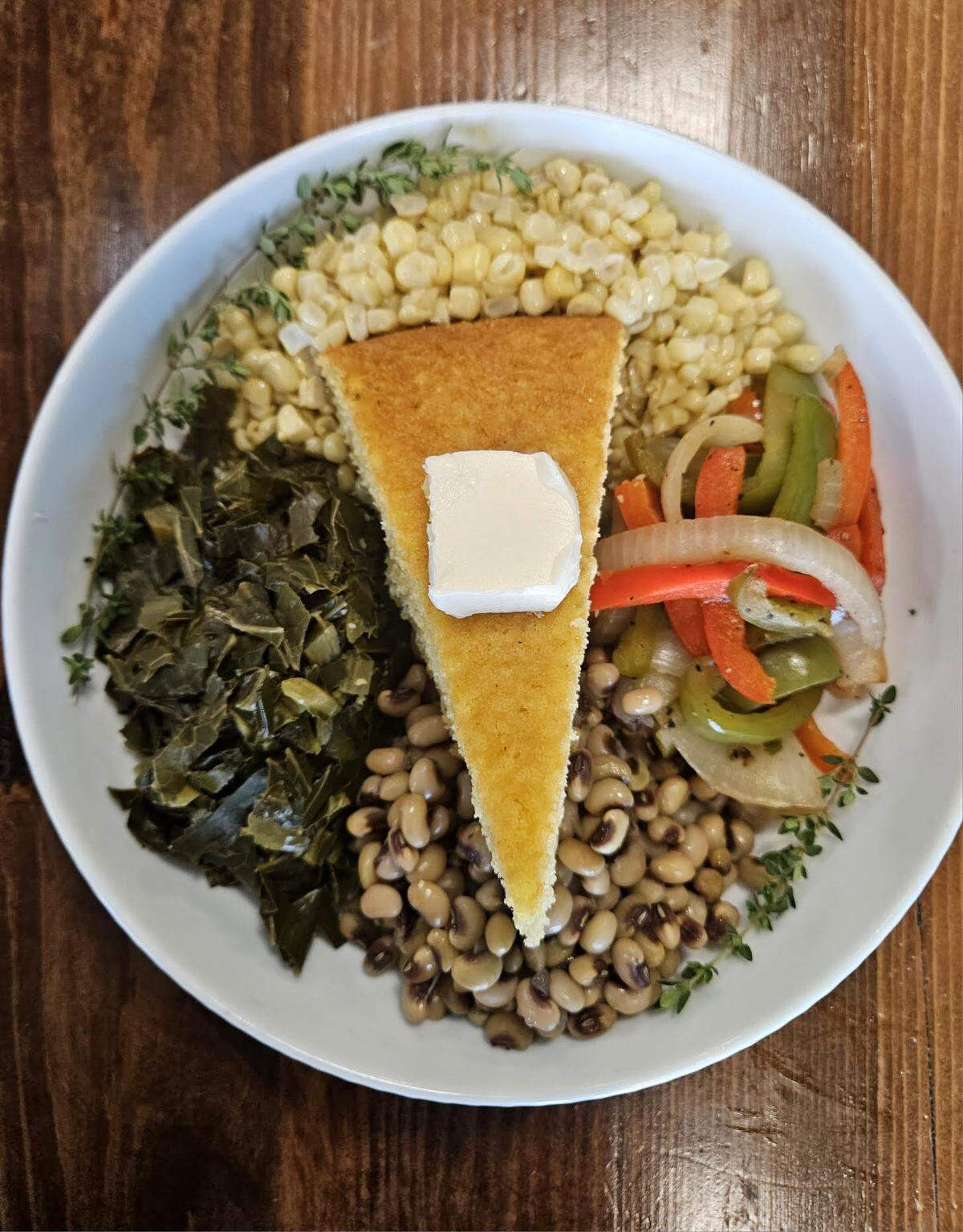
In 2018, Williams might’ve prepared a Mediterranean-themed menu for a party of eight. The menu would include an organic chicken dish with three sides and a dessert. In 2018, Williams could make that meal for about $18.50 per person.
Today, this could cost about $26 per person.
This inflation has left Williams and others in the food industry in Columbus to find alternatives to keep menu item prices as low as they can — inflation sometimes hits faster than the businesses can adjust.

‘The $8 lunch doesn’t exist anymore’
Businesses that restaurants have to work with are operating at a certain cost and standard, she said, and they’re not likely to lower their prices. In turn, restaurants are faced with difficult choices.
For restaurants she consults with, she commonly helps them understand food costs that may prevent them from offering lower priced menu items.
“The $8 lunch doesn’t exist anymore,” she said. “ ...The $8 lunch isn’t happening ever again unless inflation miraculously goes back down.”
Impact of a virus
The United States’ economy lost 23 million jobs in early 2020, leading to a recession, according to a report by the U.S. Bureau of Labor Statistics.
Unemployment in Muscogee County rose as high as 12.8% during this time, according to Federal Reserve Economic Data.
In response, there were sharp increases in government spending and the Federal Reserve lowered interest rates to near zero, keeping them there for almost two years. Columbus restaurants had to weather the challenges these changes brought.
Cash Morpeth, the youngest child of Country’s Barbecue owner Jim Morpeth, began working as the general manager of the Country’s Mercury Drive location just months before they had to close the doors because of the pandemic.
Morpeth had just graduated from Auburn University, and quickly realized his entrance into the family business was a trial by virus.
“It was an incredible learning experience,” Morpeth said. “It really kind of fast-tracked me in gaining a lot of knowledge in this business.”
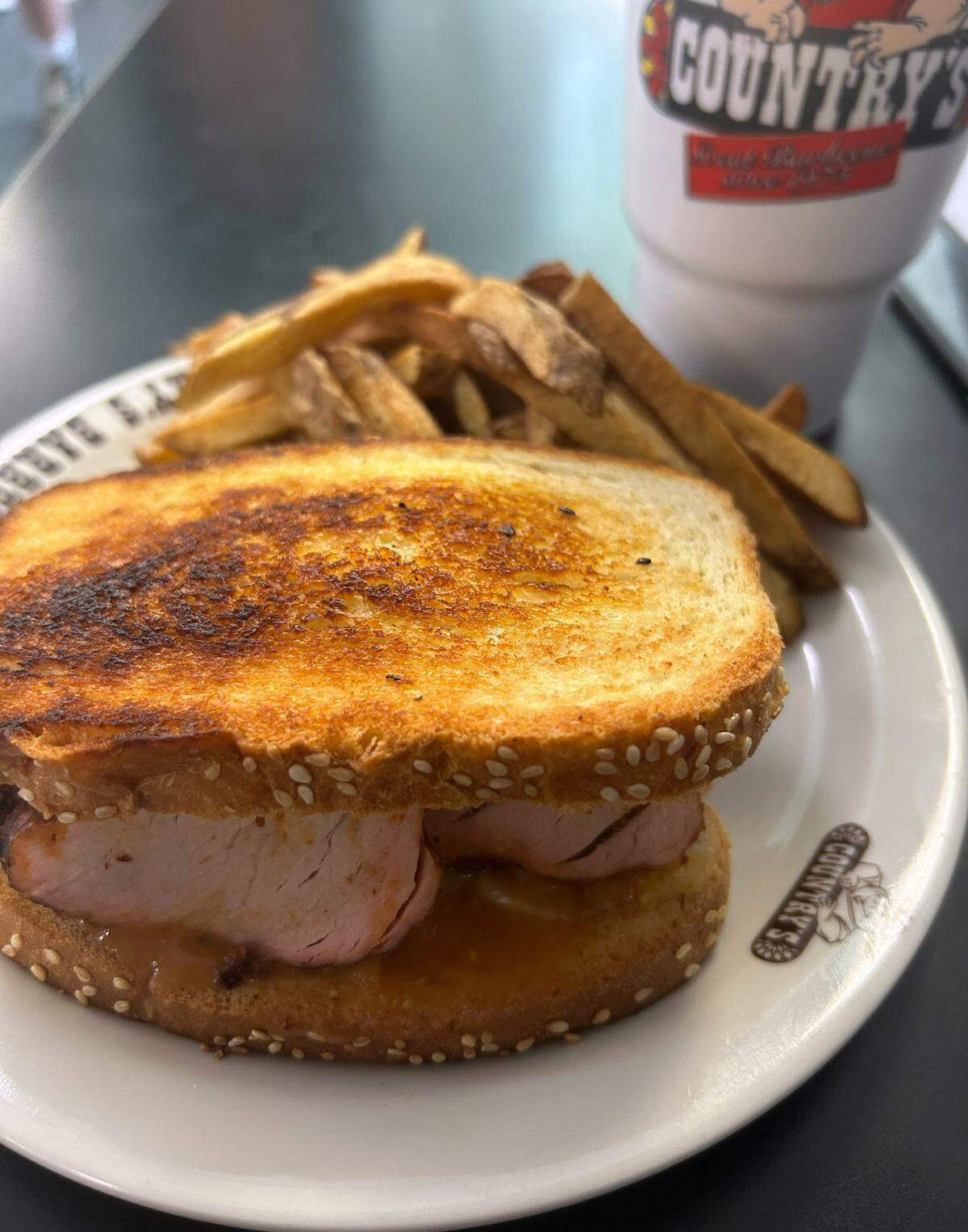
Country’s Barbecue, which was founded in Columbus in 1975, currently employs about 250 people across three locations in the city. There was an understanding of the responsibility the owners had not only to the business, but the employees and their families, co-owner Scott Ressmeyer said.
“They’re having the same struggles that we’re having,” he said. “They go home, and they have families. They’ve got to feed their families, so they’ve got to make a decent wage.”
But the cost of labor doesn’t change the ripple effect the food industry has felt since 2020.
At the start of the pandemic, it was hard to get products in because people weren’t working in the factories or plants where a lot of food gets produced, Ressmeyer said. This drove up the prices for providers, which in turn meant prices for Country’s Barbecue went up.
There were times when some of the costs at Country’s were up as much as 40 to 50%.
Before the pandemic, Williams could buy flour for less than a penny per ounce, she said. Today it costs her over 13 cents per ounce. Heavy cream used to fluctuate between $1.70 and $2.12 a quart, but now it’s almost $6 a quart.
The Food Mill also saw price increases, despite being able to source most of its products locally, said Olivia Amos, executive director of The Food Mill. Inflation was easier to navigate for the restaurant because it already relied heavily on local food systems, but it still felt the pinch when getting its paper products, cleaning supplies and other items.
“There was no supply,” Ressmeyer said. “And the demand was great … And it wasn’t just Country’s. Every restaurant in Columbus, Georgia and the country were all feeling the same pain.”
An ability to adapt
In response to high prices and some products being outright unavailable, businesses had to adapt.
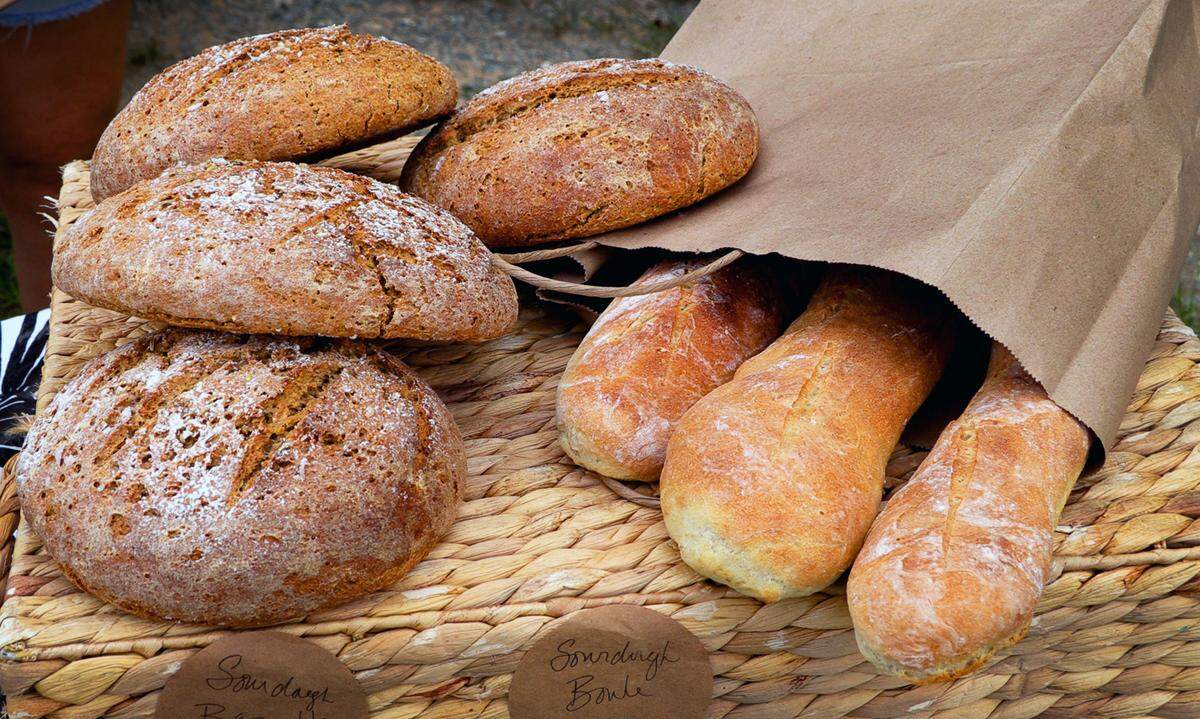
Williams was fortunate in that she was already flexible, similarly to The Food Mill. Because she sourced many of the items she uses from local providers, like the Food Mill does, many of her menu options are based on what’s available.
If something was unavailable, Williams would cut it from her menu and offer other options.
But some things she did have to compromise on: When the cost of eggs spiked, Williams realized she needed to switch to a cheaper product. She changed the recipes on certain items because of the cost or ingredients were too high.
She still buys local as much as possible.
“I want to be able to say, ‘Hey, you know these eggs come from Farmer George,’” Williams said. “And I was proud to tell people that because I want people to know that I’m a small business in a community, and I support local businesses around me.”
Country’s Barbecue purchases a lot of its products in bulk, Ressmeyer said. When the cost of certain items are spiking, they can try to make it up a little with drink or dessert costs. There’s a lot that goes into balancing costs with maintaining quality and prices for customers, he said.
The restaurant has raised its menu prices some, but those increases do not match the pace of the inflation they’ve seen the past few years.
“Local restaurants try to maintain being profitable, but not feel like you’re price gouging your people,” Ressmeyer said. “It’s hard for a family of four. You go out there and spend 60 bucks. That adds up quick.”
Although inflation is getting better nationwide, local restaurant owners are still experiencing spikes on certain products. If something drops in price, Ressmeyer said, something else will go up.
Throughout the economic challenges, local businesses in the Columbus area have worked together to support each other and buy local.
Amos is happy to see how local farmers are getting the support they need and getting fair market value for their produce and meats, she said. The silver lining has been that the tough economic conditions shed a light on the importance of the local food system in Columbus.
“I believe that the foundation of any good community is small business,” Williams said. “And the support that not only the businesses give each other, but that the community supports the small business.”
This story was originally published July 18, 2024 at 8:58 AM.