Columbus department puts millions into local businesses, homes. ‘Exists because we care’
While many in Columbus may not know about it, a city government program has provided help to thousands of people locally with millions of dollars in funding supporting local businesses and helping locals keep their homes in good shape.
The Community Reinvestment Department secured significant money to help local business after the COVID-19 pandemic and rehabilitate local homes. While the department is less than 20 years old, it was developed off the back of an initiative started 50 years ago.
On Aug. 22, 1974, President Gerald Ford signed the Housing and Community Development Act into law, creating a program that the Community Reinvestment Department in Columbus regularly uses today to help fund projects across the city.
The Community Reinvestment Department, created in 2005, aims to listen to the needs of people in Columbus and works to secure funding to support projects that address those needs, director Robert Scott told the Ledger-Enquirer.
“Oftentimes it doesn’t seem like the city has your best interest at heart or you can’t trust (the city),” Scott said. “But this department exists because we care.”
Many of the projects are paid for by the federally-funded Community Development Block Grant program, through the Housing and Community Development Act of 1974.
Between 2015 and 2019, the department’s projects served over 26,500 beneficiaries through CDBG funding. After Scott was hired in 2020, the Community Reinvestment Department served over 140,000 beneficiaries through CDBG funding.
“I’m basically a grant manager who manages a team who works to make impacts for low-income communities (as defined by the U.S. Housing and Urban Development Department), as well as supporting housing,” Scott said.
The Community Reinvestment Department hosted a birthday celebration Thursday for the 50th anniversary of the CDBG program to spotlight some of the pivotal projects achieved by the department using this funding.
Investing in more Columbus streetlights
During Evelyn “Mimi” Woodson’s last Columbus Council meeting in 2022, Scott listened to residents complain about how poor the street lights were in South Columbus.
“They couldn’t see at night,” Scott said. “And (a resident) almost hit somebody and barely avoided an accident.”
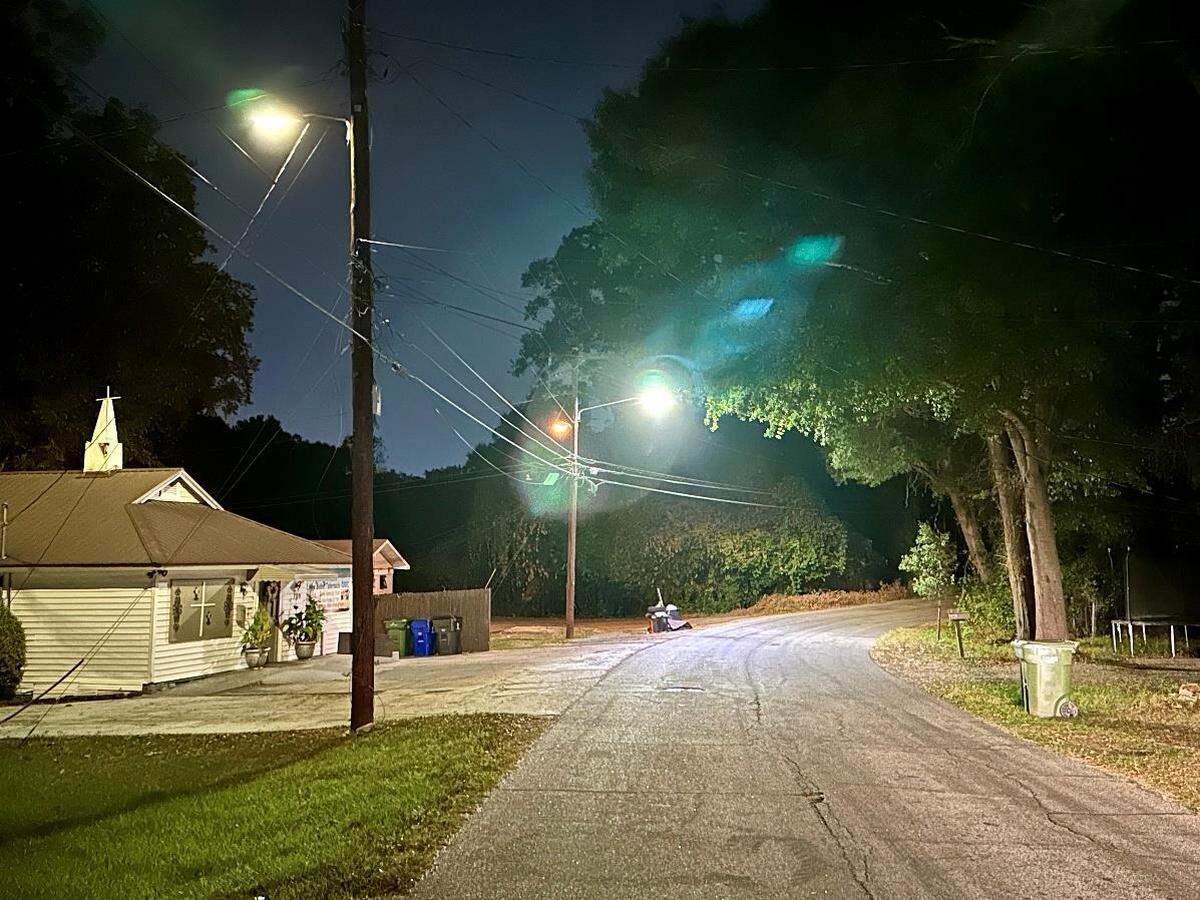
His team at the Community Reinvestment Department saw an opportunity to utilize CDBG funding to help increase the lighting in this area of the city.
The department, in partnership with the Columbus Department of Engineering and Georgia Power, used $611,000 in CDBG funding to upgrade residential lighting and increase road visibility and pedestrian safety at night for the area.
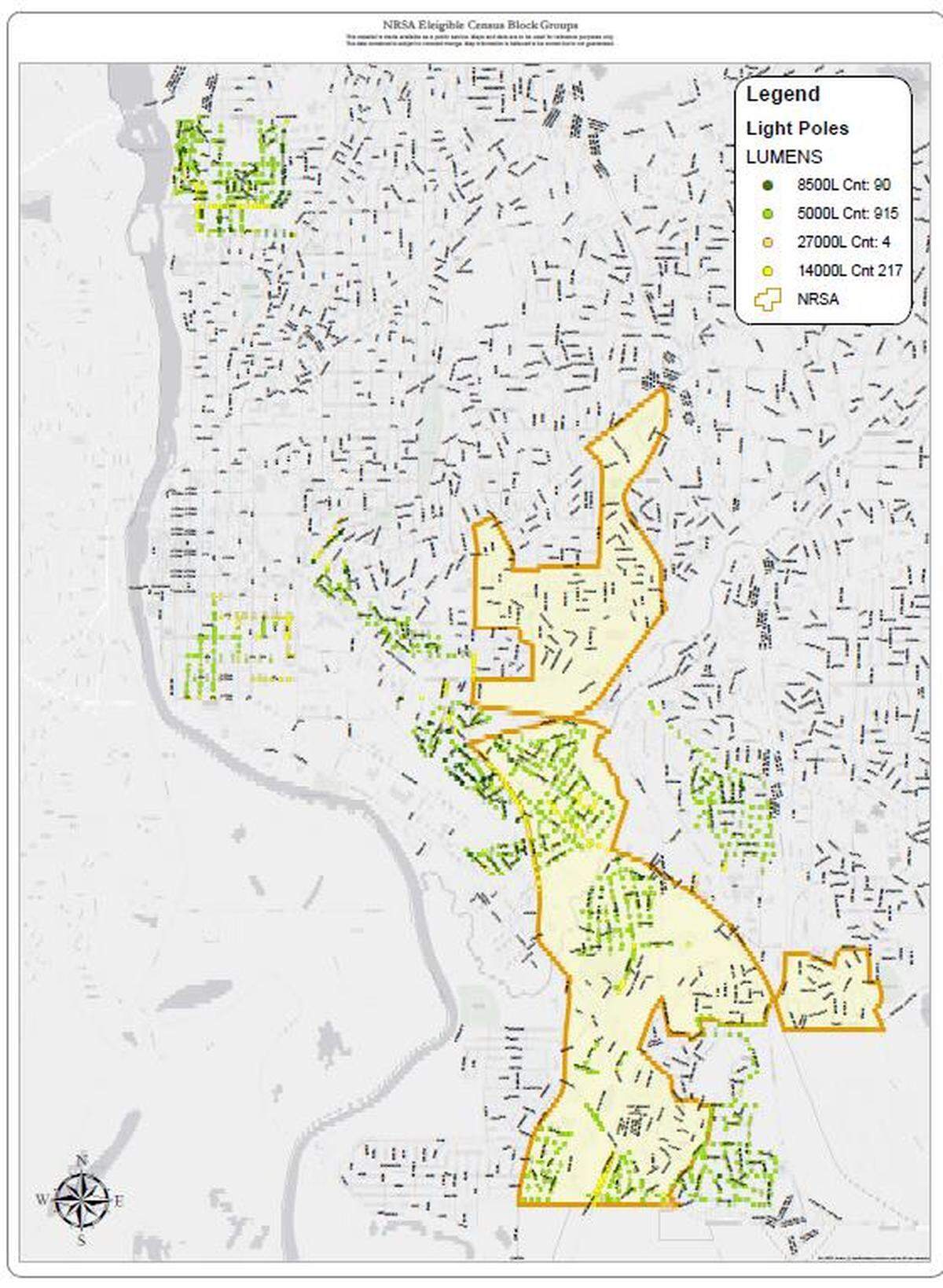
Over 1,200 existing pole-mounted street light fixtures in 17 neighborhoods were replaced with a fixture design similar to the existing fixtures. The project was completed in February 2024.
“That project not only helped to increase the visibility and all of those things,” Scott said. “But it helped to create and shape a residential lighting standard.”
Helping Columbus businesses during COVID
When COVID-19 wreaked havoc on the nation’s economy, Scott said, the city of Columbus initially promised to help provide relief for local small businesses with the help of state funding.
But the state rescinded the money, leaving local business owners who’d applied for relief feeling betrayed.
“They felt entitled to promises,” he said. “This was just horrible.”
As a way to try to offset the negative feelings, the Community Reinvestment Department created small program that could help about 30 small businesses using $120,000 in CDBG funding for COVID-19.
The pilot program served 27 businesses, creating and retaining 61 jobs. But after the success of the initial program, the city offered the department about $5 million in funding from the American Rescue Plan Act.
They asked the Community Reinvestment Department to triplicate what the first program was able to do.
“I got greedy,” Scott said. “And asked the state for $4 million more for the program.”
In the end, the program was able to assist an additional 127 small businesses and 27 nonprofits. The Small Business Economic Relief Grant Program was recognized as a “Best Practice” from the National Community Development Association and inspired similar programs nationwide, Scott said.
Rehabbing local homes
One of the most impactful programs the department helps oversee is the CDBG-Rehabilitation program.
The key objectives of the program are to improve living conditions of households by repairing and upgrading existing homes and revitalize the neighborhood by stimulating economic development and improving the overall quality of life.
In Columbus, housing rehabilitation significantly impacted low and moderate-income residents, who are primarily elderly.
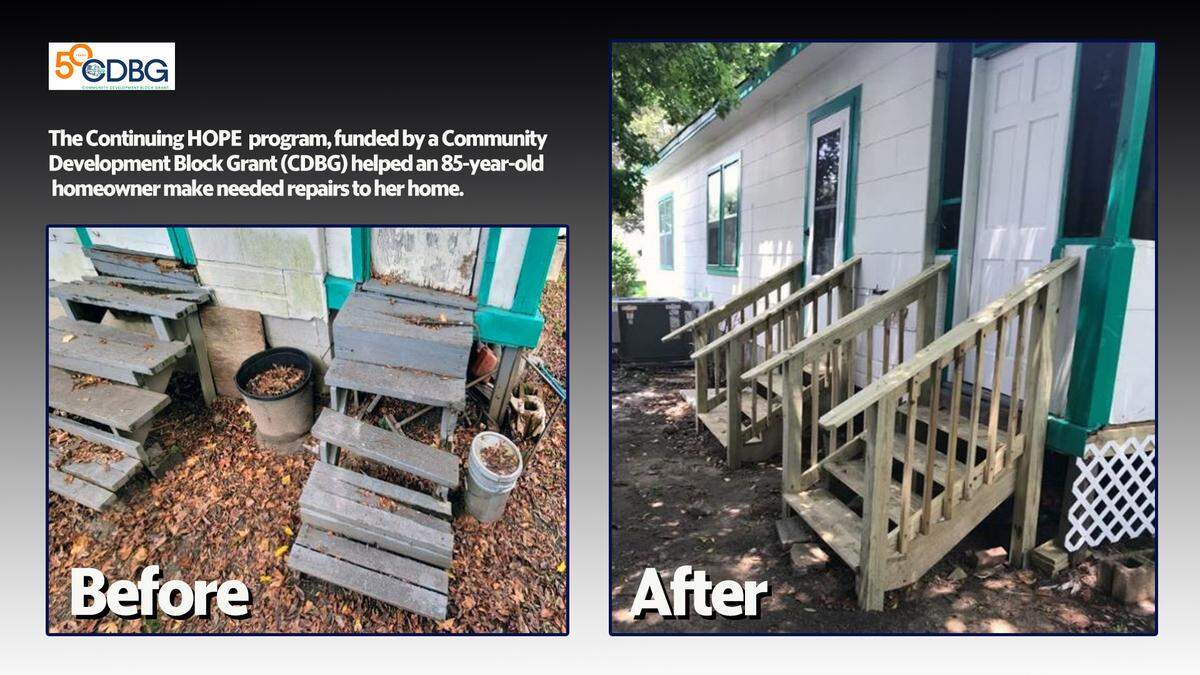
Homes needed repairs to fix structural issues, update electrical and plumbing systems and address health hazards like lead paint and mold.
Over the past 10 years, Columbus expended more than $1.4 million and served around 171 households, averaging about $8,500 per household.
Scott often visits the homes and homeowners before rehabilitation begins, and he views the elderly residents he helps as his own family. The positive responses he sees after residents are helped gives him a confidence in the work the Community Reinvestment Department is doing.
“It’s almost like my living ancestors are proud of the work we are doing,” Scott said.
Other ongoing projects the Community Reinvestment Department is helping with including the facility expansion of Feeding The Valley, building a bike/pedestrian trail along 1st Avenue across from the Banks at Mill Village, the Shared Kitchen Project and The Salvation Army’s Center of Hope.
“This is not a job for us,” Scott said. “This is our ministry.”
This story was originally published August 23, 2024 at 12:05 PM.