Why are movies being filmed in Columbus? Here’s what filmmakers love about the location
Editor’s note: This is part one of a three-part series on the film industry in Columbus. The next installment will focus on challenges small local companies face and how the Columbus Film Commission is working to meet their needs.
Before the global pandemic and the writer and actor strikes, Peter Bowden, president and CEO of VisitColumbusGA, set a goal for Columbus to become a third film hub in Georgia.
Despite setbacks, producers and filmmakers see potential in Columbus as a filming location because of its ability to appear as both a mid-size city or a small town and offer support from the local business community.
Alexander Kane, producer of “The Razor’s Edge” starring Tommy Lee Jones and James Franco, found several benefits in filming his recent projects in Muscogee County. These begin with the look of Columbus.
“Columbus has the ability to look like a lot of places,” Kane told the Ledger-Enquirer.

If filmmakers need Columbus to look like New Jersey, Brazil or the “Wild West,” he said, the city can give that appearance.
Caleb Money, a local filmmaker and co-owner of the Columbus-based production company Village Film, sees the same visual appeal of Columbus.
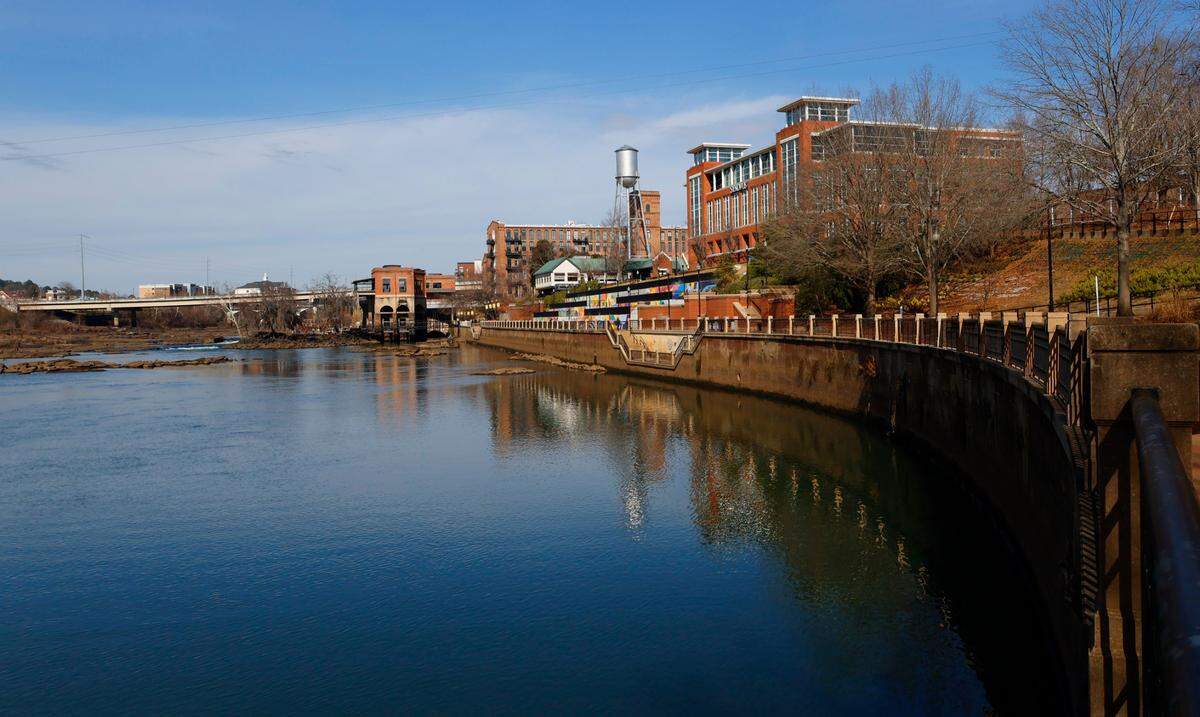
“Having a river like we do run through our city, the possibilities are unlimited when it comes to utilizing that as part of your film or even like a backdrop to a story,” Money told the Ledger-Enquirer.
Downtown and the Historic District are also great for shooting, he said. Filmmakers can take advantage of Fort Moore’s presence if they’re shooting anything adjacent to the military, Money said.
“If you know what to look for, there are pockets here that really lend themselves to tell a good story,” he said. “Especially if it’s any kind of story that touches any kind of southern culture.”

Columbus residents, businesses give support
Another positive to filming in Columbus is the abundance of restaurants and lodging, Kane said.
Multiple hotels have been opened or renovated in recent years, contributing to the goal of increasing occupancy limits in the city.
Hotels and food are a little more expensive than other places in Georgia, Kane said, but the costs are on par with other cities its size. Columbus is more expensive than a smaller Georgia city but cheaper than Atlanta.
The city also offers an incentive to offset some of the cost of lodging and food, Kane said.
Not only are the numerous restaurants a benefit to the cast and crew in town for filming, he said, but their presence also has an economic impact on the local businesses.
Kane estimates the 85-member crew he had in Columbus for almost a month earlier this year spent about $100,000 of their income on daily living. Celebrities eating out at restaurants can also draw in people hoping to see a famous actor to those establishments where they’ll spend money, he said.
The Columbus police and fire departments and Fort Moore were also helpful while filming in Muscogee County, Kane said.
But the reception his productions received from residents and local businesses were among some of his best experiences as a producer, he said.
“Mercedes-Benz of Columbus might be the most cooperative and helpful car dealership we’ve ever had on any movie,” Kane said.
Other offerings for filmmakers in Columbus include a limited workforce, Flat Rock Studio, a local film incentive and the Columbus Film Office acting as a point of first contact for filmmakers, film commissioner Joel Slocumb told the Ledger-Enquirer.
Can Columbus build film industry from within?
But becoming an attractive location for outside filmmakers is only one piece of a larger puzzle in growing the industry in Columbus.
Local, small filmmakers and production companies need ongoing support, Money said. And the city’s film industry workforce remains limited with those who would like to find careers in the industry facing barriers.
Bringing productions in from other cities is a good thing, Money said, and Columbus should continue to do that. But local companies like Village Film should also receive support.
“We’re courting large-scale productions with crews, executives and directors from other cities,” Money said. “... And all those crews, and the people working on those productions, none of them are from Columbus.”