NAACP brings more firepower to fight against hair relaxer manufacturers in GA, CA and IL
The NAACP brings the weight of its legal and communication arms by partnering with the law firm that’s helping women in Georgia and other states fight for justice against chemical hair relaxer manufacturers.
Lawsuits were filed in multiple states in recent years after the hair-straightening products were linked to cancer and uterine fibroids.
A 2022 study published in the Journal of the National Cancer Institute found individuals who reported using hair-straightening products were almost twice as likely to develop uterine cancer than those who did not.
While the study didn’t find the health risks of these products were different by race, the effects were greater for Black women because they were more likely to use the products.
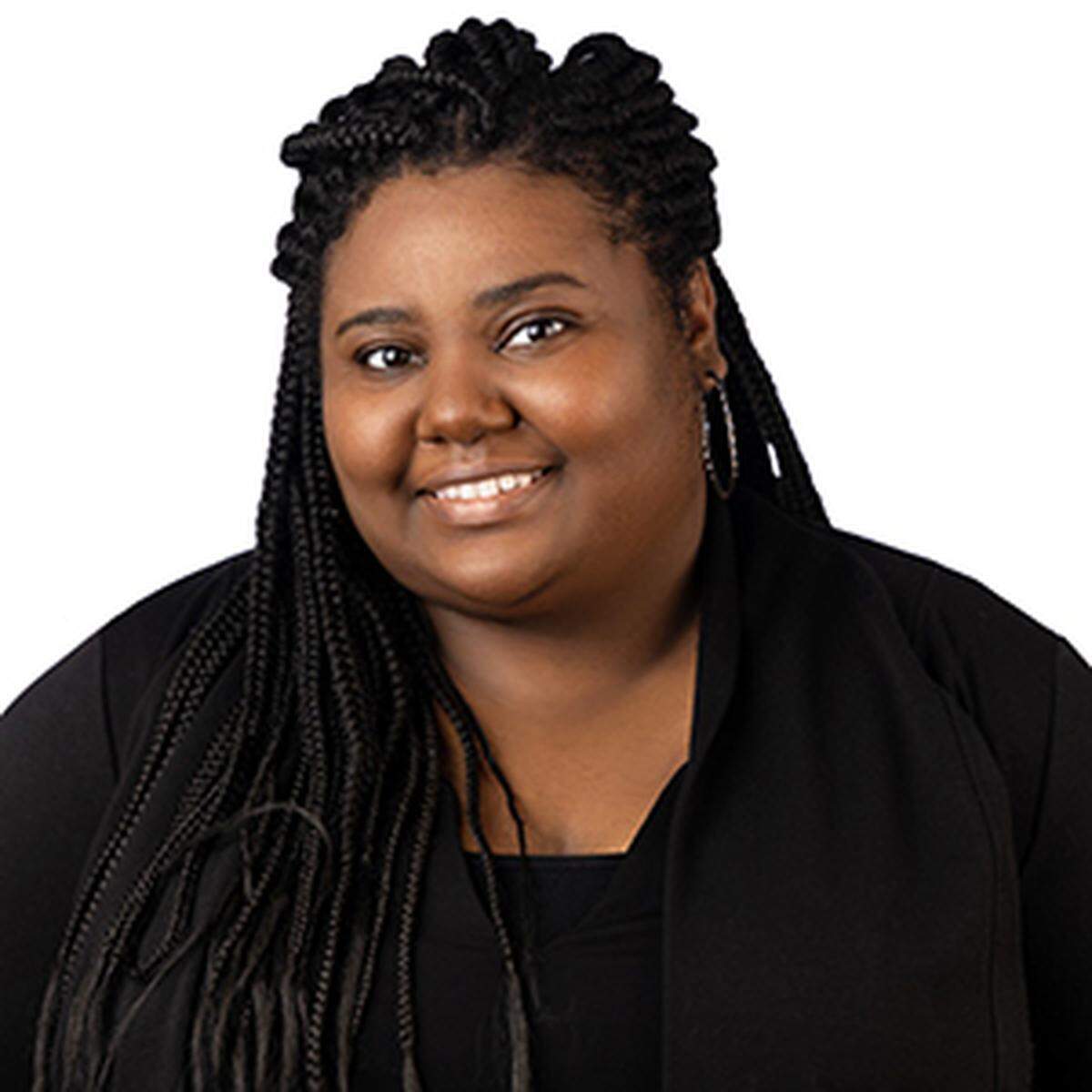
Attorney Danielle Ward Mason argues manufacturers like L’Oreal and Strength of Nature misrepresented the products as safe and marketed them with images of young girls who never actually used chemical relaxers to straighten their hair.
Earlier this year, Mason represented four Georgia women in separate cases against the manufacturers. More women are filing cases regularly, Mason told the Ledger-Enquirer, and she estimates around 30 lawsuits have been filed related to hair relaxers.
The cases in Georgia are stayed, pending a ruling on a motion to dismiss by appellate courts, Mason said.
Plaintiffs also have filed cases in California and Illinois, Mason said. The cases in multiple states show the importance of the litigation isn’t specific to any one state, she said.
“This is a national problem,” Mason said. “Black women are everywhere, and the women who have been exposed to these products are everywhere.”

She agreed to join the California-based law firm Singleton Schreiber in May — a move that brought together two firms in the hair relaxer litigation.
Exposing the litigation to a broader reach helps more women have access to justice, Mason said.
Now that the NAACP and Singleton Schreiber are partnering on this issue, Mason believes the additional resources will amplify messaging about the danger of chemical hair relaxers and add more firepower to their legal cases.
“The NAACP will use all its legal might to seek justice from those companies that have profited while Black women were harmed by these beauty products,” said Janette McCarthy Wallace, General Counsel of the NAACP, in a news release. “It remains the mission of The Association to protect Black women against predation of any form, most especially against their health and wellness.”
Fighting for changes in regulation
As advocates seek justice in the courtroom, groups also are arguing that the regulatory framework needs to change.
Mason is working with the American Association for Justice, which assists lawyers fighting for civil justice, to bring the cause to federal lawmakers.
More testing and research needs to be done on cosmetic products before they’re marketed to the public, she said. Companies are not doing enough testing on their own to ensure the safety of the people who use their products, Mason argues, and changes need to be made.
“Ultimately, any changes to the regulatory framework are going to have to come from our governmental bodies,” Mason said.
The group has seen some success, with U.S. Rep. Ayanna Pressley (MA-07) calling for the Food and Drug Administration to investigate the health risks caused by chemical hair straighteners and ban dangerous chemicals in the products.
“We do know at some level (government bodies) are paying attention,” Mason said. “And we’ll continue to keep those doors open and assist anywhere we can to help ensure that they continue to focus on this and address it legislatively where appropriate.”
Staying informed about everyday products
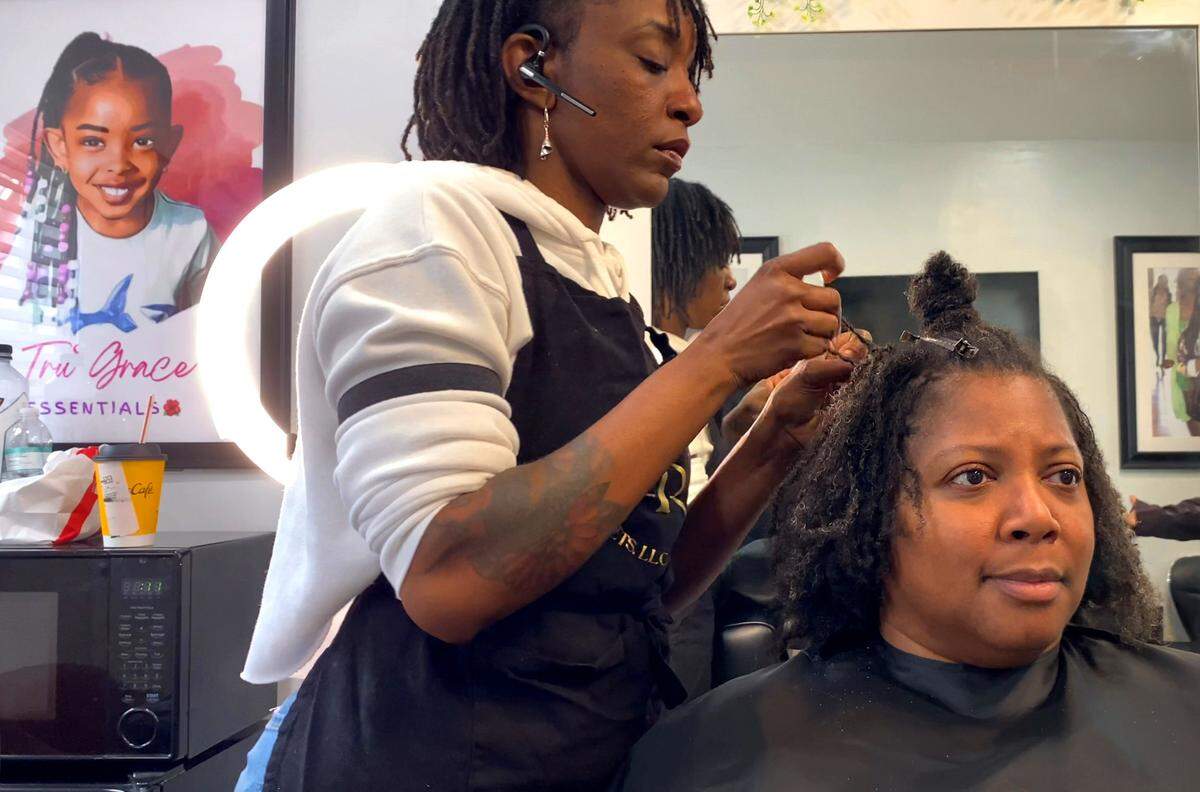
There is a long history of products being potentially dangerous to consumers, Mason said. And it can be difficult for people to completely know what’s in the products they use daily.
Reading the ingredients can help — but not always. Toxins can be hidden in a “catch-all” category like fragrance, Mason said. But there are resources people can use to learn more about what they’re using.
The Environmental Working Group has done research and testing on many of the everyday products people use for their skin and hair, Mason said, and it offers databases online.
“I would encourage people to start looking into that because a lot of the dangers that we’re encountering are hidden,” she said. “And it’s going to take the watchdogs like the Environmental Working Group to help shed light on that.”
Mason is looking forward to the NAACP’s involvement on this issue. Hundreds of women suffering from various reproductive conditions already have reached out after the announcement, Mason said.
“We are continuing to get the word out about this,” she said. “And utilizing our collective power to make changes, both judicially and legislatively.”
This story was originally published October 17, 2024 at 10:15 AM.