Columbus Chamber of Commerce president reflects on past four years as he ends his tenure
Columbus wasn’t really on Jerald Mitchell’s radar before he became the first Black president and CEO of the Greater Columbus Chamber of Commerce four years ago.
Mitchell was vice president of economic development for the Atlanta Beltline Inc., when he began having conversations about the position in Columbus.
“I’m learning about all the things that are happening in Columbus and realizing this is a really cool community that should have been on my radar,” Mitchell told the Ledger-Enquirer.
As he got deeper into the process of taking the job, the global COVID-19 pandemic happened.
When the pandemic began, Mitchell felt strongly that he shouldn’t leave the Atlanta Beltline and declined the job at the Chamber of Commerce.
But as the initial months of the pandemic passed, and he understood more about how COVID-19 would affect the world, Mitchell decided to give Columbus a shot.
“What brought me to Columbus — and to this job — was just the sheer opportunity,” he said. “There was a need to advance economically and to begin to build a strong foundation for economic growth.”
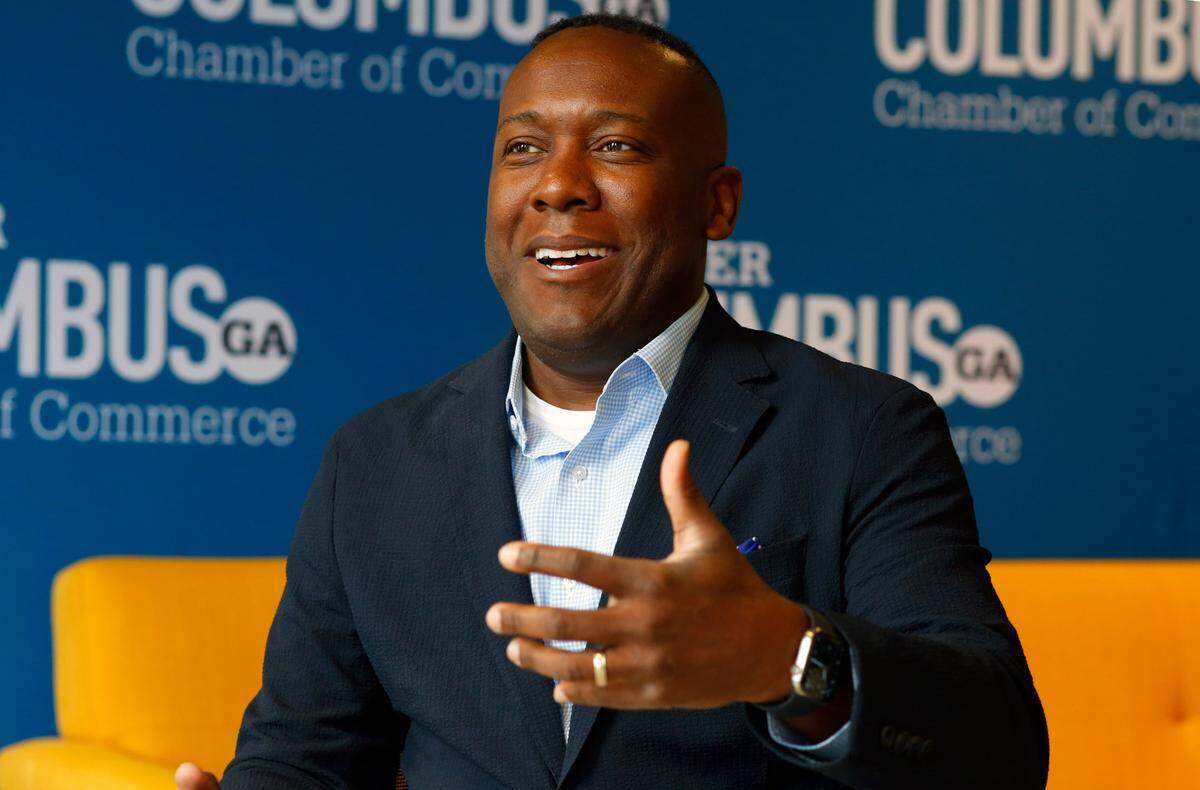
Columbus’ history of supporting large corporations and businesses, like Aflac and TSYS, also made the city compelling for Mitchell.
Four years later, Mitchell looks back on his time in Columbus and considers the economic development opportunities, growing industries and challenges the city faces as he steps down to pursue the next chapter in his career.
Why he’s stepping down
Mitchell announced in early October that he voluntarily stepped down as president and CEO of the Chamber, effective Oct. 31, to work on unspecified economic development and redevelopment projects.
“I’d really like to engage more on economic development strategy with communities that are willing to work with me,” he said. “I would really like to work more on some of the redevelopment opportunities . . . and just get engaged and have a bigger impact in the work that I’ve grown to love.”
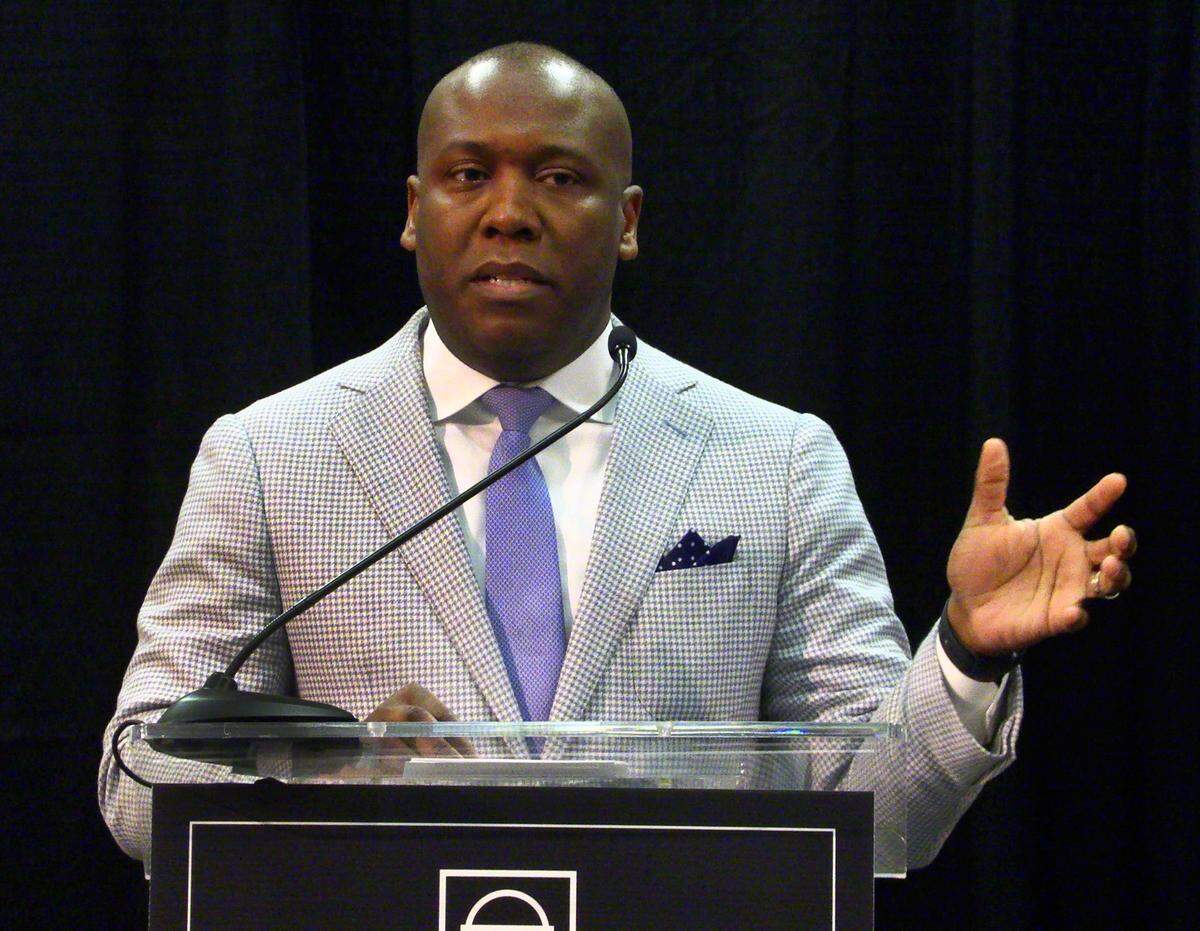
Mitchell has heard rumors about his decision to step down. He wasn’t asked to resign, and he isn’t planning to run for political office or take a chamber job elsewhere, he said.
This decision was based solely on what he believes is the next step in his career progression, Mitchell said.
Over the years, Mitchell has had many mentors. But one in particular gave him advice that stuck with him. The mentor asked him what he wanted to do with his life. Mitchell told the mentor he didn’t know.
“Jerald, you need to know something,” the mentor told him. “And it is: You control more than you think you do.”
This advice taught Mitchell that he couldn’t wait for someone else to tell him what the next step in his career should be, he said, but that he had to be thoughtful about building his network and choosing opportunities to take.
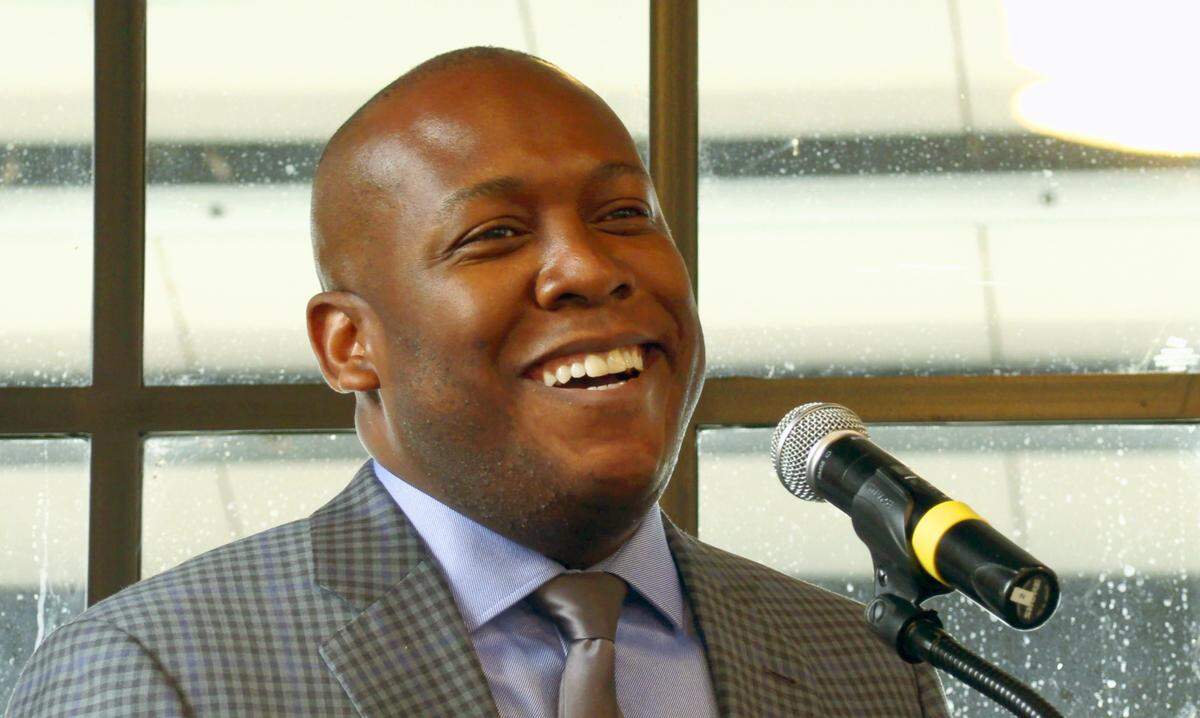
Mitchell isn’t sure whether his next step will keep him in Columbus, but the city continues to be important to him.
“This is not about me not helping or supporting Columbus,” Mitchell said. “I’ll continue to do that, but it’s time for me to make the next step.”
Challenges faced in Columbus
Looking back on the last four years, Mitchell didn’t pinpoint anything that particularly disappointed him about his time with the Chamber of Commerce.
The challenges he faced were not unexpected, he said.
“As communities grow there are growing pains,” Mitchell said. “There are challenges. There are things you have to overcome, and things you have to work through. I think that’s a good thing.”
Ensuring developers and corporations are exposed to Columbus when site-selecting is a challenge Mitchell expects the city to continue facing.
“You’ve got to not only create an environment where it’s good for businesses that aren’t here and want to be here,” he said. “But then get to a point where, when businesses come, there’s a really good place for them to plug in.”
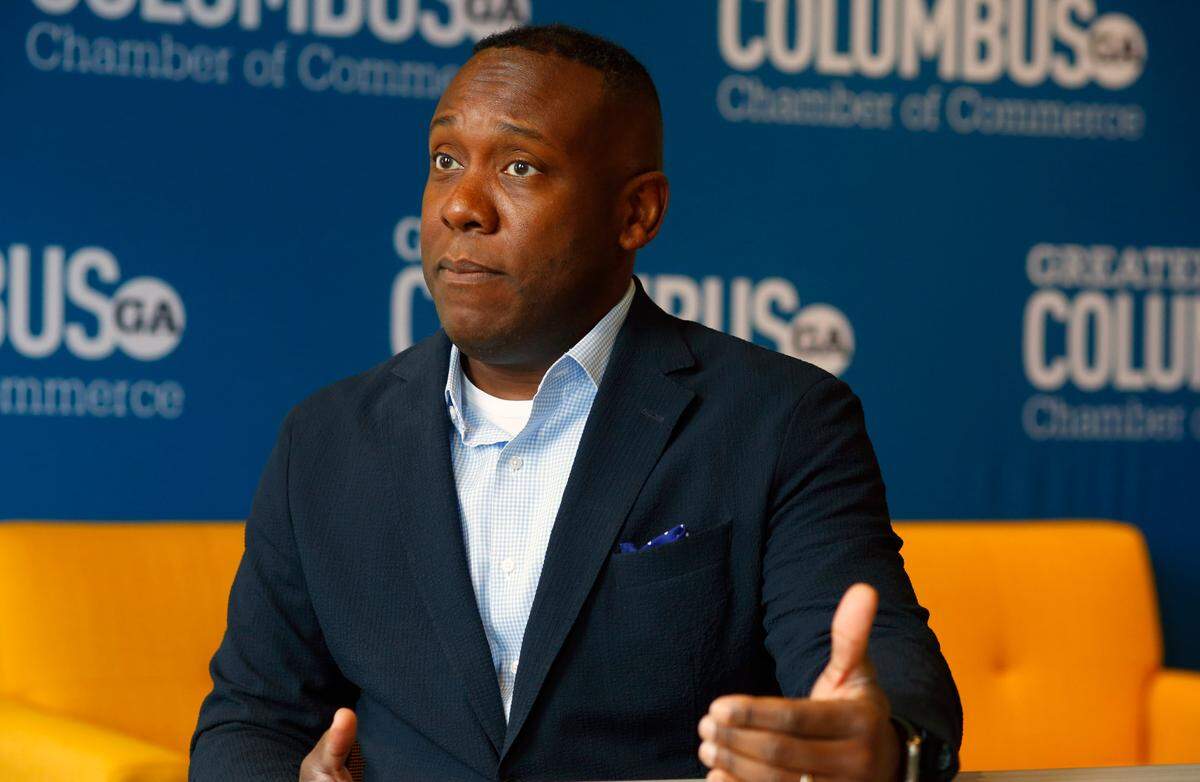
But the Chamber and other city officials must continue to focus on workforce development, he said.
“Make sure that we aren’t exporting talented, growing, good people,” Mitchell said, “and then having those folks go to find careers or opportunities elsewhere.”
The reason young people often don’t return after graduating college comes down to three factors, he said. They are quality of life, opportunities and simply wanting “their parents to stay out of their business.”
Officials working in this space can create an environment to help with the first two factors, Mitchell said, but the last one is dependent on individuals’ relationships and wants.
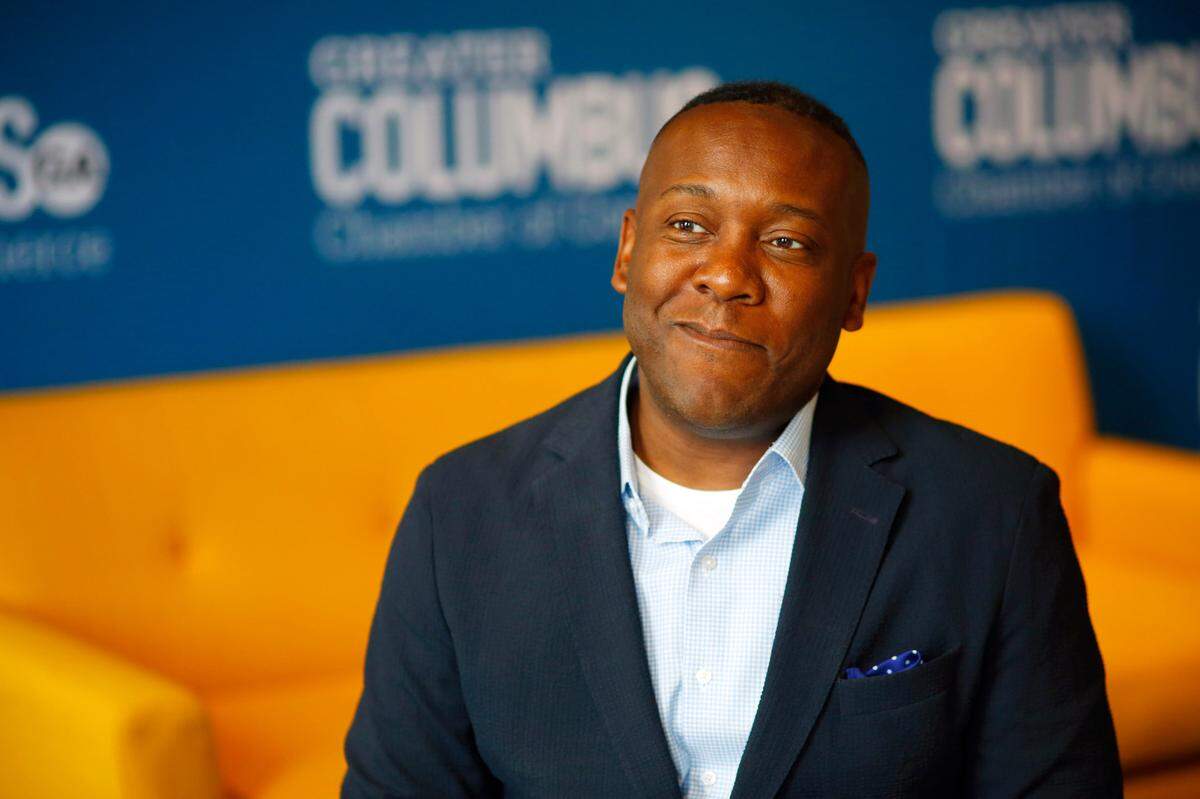
Improving infrastructure is another issue Columbus should continue to focus on, he said. One way residents can help with this is by supporting the Columbus Airport.
“I know a lot of people — when they have to take a trip — drive 90 minutes to Atlanta and fly out of Atlanta,” Mitchell said. “But they don’t really think or connect the dots as it relates to the impact that’s going to have on our local airport.”
American Airlines announced its decision to end service in Columbus because of low demand in 2023, and the Federal Aviation Administration announced in September that it will provide $24.4 million to the airport to reconstruct a runway.
When these issues arise, he said, that means you’re having conversations about difficult things that people often don’t want to talk about.
“That exchange leads to a realization that we’ve got more work to do supporting women-owned businesses,” Mitchell said. “We’ve got more work to do supporting minority-owned businesses. We’ve got more work to do to grow entrepreneurism.”
Successes and looking to the future
Looking back on successes in economic development, Mitchell believes he did well rising to the challenge of making Columbus more visible to corporations and other economic partners.
He feels the general interest in Columbus has grown with positive feedback.
“You don’t win all the economic development opportunities that you see,” Mitchell said. “You might win 10% of the economic development opportunities you see. But the point is you’re on the radar, so you have the opportunity to capture that 10%.”
Mitchell believes Columbus will see positive outcomes from this work in the future but warns that it’s a “marathon and not a sprint.”
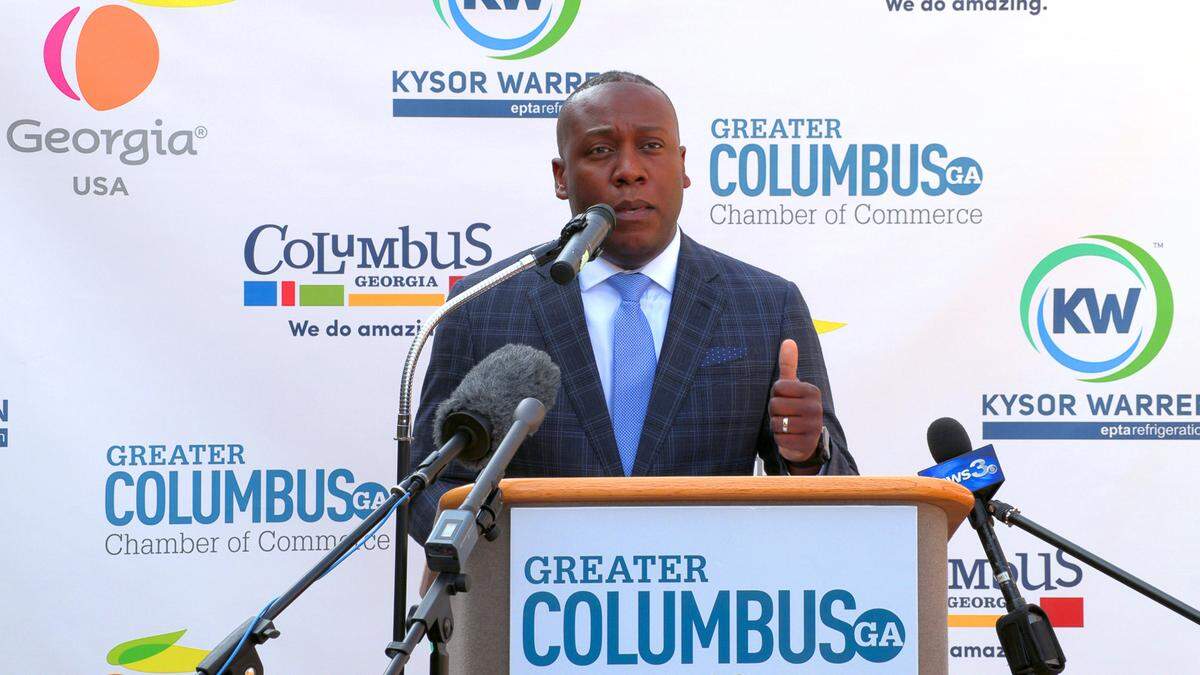
He’s also proud of the work to bring the the Atlanta Braves Double-A minor league baseball affiliate to Columbus, the Clingstones, despite some backlash on the team’s name.
“When they announced the name, the Clingstones, you would have thought some sort of cardinal offense was made,” Mitchell said. “The reality is that something good is happening.”
The clingstone peach was grown in Columbus in the 1800s, he said, explaining that it’s not “just a California peach.”
Engagement in programs like Leadership Columbus and Young Professionals was also a success, Mitchell said. The Chamber also has organized intercity leadership trips to other cities like Asheville, N.C., and Atlanta.
“I think that there’s a lot to be optimistic about because those things have worked and have a lot more potential in working to keep Columbus on the radar in all aspects,” he said.
Looking ahead, Mitchell believes industries that could lead to job growth in Columbus include electric vehicle manufacturing, automation, robotics, aerospace and financial technology.
Robotics is an area he believes will do well in the region because of existing programs at Columbus Technical College and the Muscogee County School District. Fort Moore’s presence also helps in this area.
“We’ve got that workforce that is matriculating out of Fort Moore and into our community,” Mitchell said. “And if they can’t find jobs in that space, then they go somewhere else where they can find it. I think we’ve got a huge opportunity in robotics.”
The process to replace Mitchell already has begun, he said. The executive committee of the Chamber is leading the search by working with firms to find top talent around the country, Mitchell said. There’s also a search committee assembled that represents various interests from around the community, he said.
No interim has been named, Mitchell said. But Carolyn Bermudez, president of Liberty Utilities and Chair of the Board at the Chamber, will be the point of contact.
“I think we’ve built a really good platform or foundation for someone to be successful,” Mitchell said.
This story was originally published October 31, 2024 at 11:24 AM.