
Columbus-based startup launches product to create ‘a healthier world’
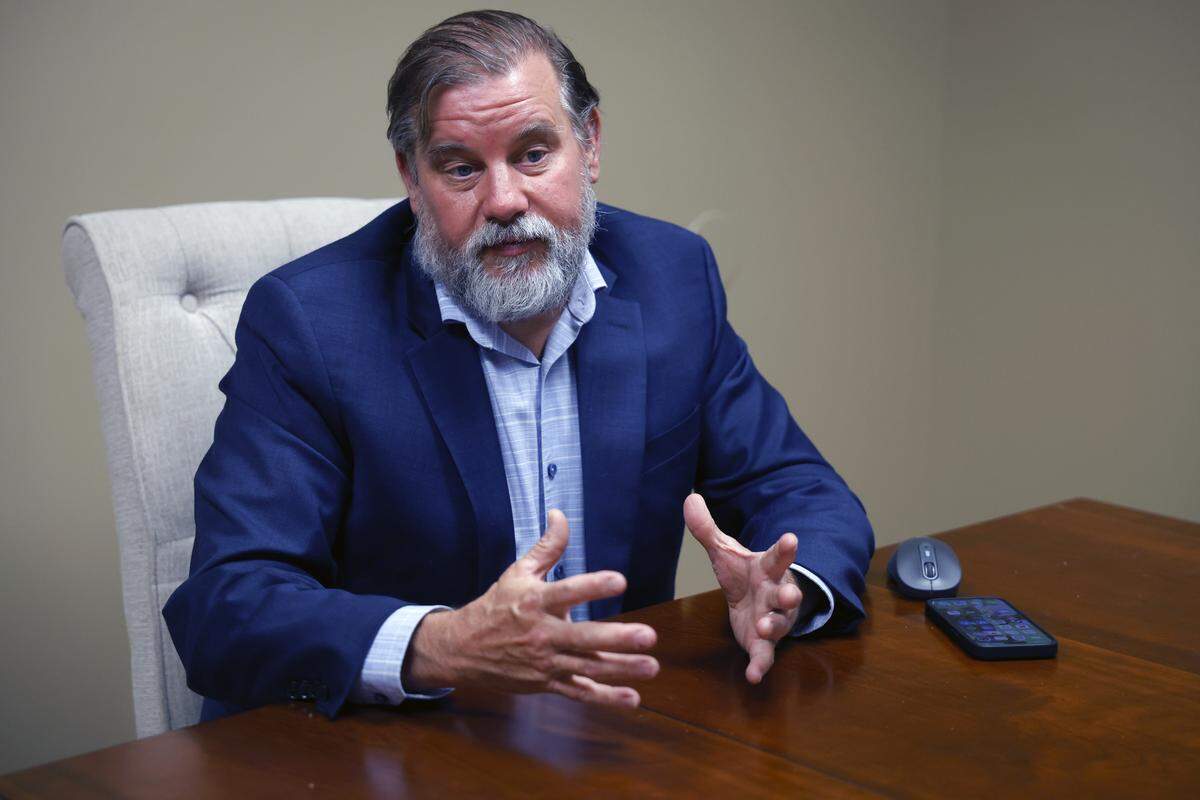
VentorLux LLC founder Nathan Carr has spent years refining what he calls a practical way to clean the air in high-traffic buildings like hospitals, military barracks and detention centers, where respiratory illness can spread quickly.
The company’s flagship device, the Soulis X1, is part of the Soulis product line and uses UVC light produced by LEDs inside an enclosed unit to treat circulating air, an approach Carr said can reduce the number of airborne microorganisms in a room.
VentorLux is pursuing FDA clearance, a milestone Carr believes would accelerate adoption beyond early installations.
“We’re with our UL listing right now,” Carr told the Ledger-Enquirer during an interview in his Columbus office. “We’re already at St Francis Hospital. They have several of our units there.”
FDA certification, he added, is “really a license to hunt.”
“It clarifies that the government organization has certified your product,” Carr said, “that [the product] does everything that you say it does.”
How the Soulis X1 works
Carr described the goal in simple terms: reducing the “colony count of what’s in the air,” a reference to the amount of microorganisms that can be grown from air samples in a lab. The Soulis uses UVC LED technology, which is patented to turn off the DNA of the bacteria, he said.
UVC is a specific band of ultraviolet light used in disinfection. Carr’s explanation focuses on what happens when that light reaches a microbe.
“What it does is it takes the helix, the DNA helix, which is a ladder, and it fuses two of the rungs together,” Carr said. “. . . Once they’re fused, it’s called dimering. And once that happens, it becomes non-virulent and non-reproductive.”
Carr said VentorLux tests the Soulis X1 by sampling air before and after the unit runs. Results often show a rapid early drop.
“Almost 100% of our cases, we have a 90% to 95% drop in colony count in bacteria in the first 15 minutes of operation,” Carr said. “And in our fourth hour, we’re at 99.9% in all of our cases.”
For FDA-related benchmarks, Carr noted higher reduction targets.
“You have to have what’s called a four-log reduction, meaning 99.99%,” he said. “We actually achieved a five-and-a-half log on tuberculosis in 45 minutes.”
Carr said the Soulis X1 has been deployed locally and tested in military environments, including a proof-of-concept at Fort Benning’s basic training barracks on Sand Hill. The results have shown the technology to be successful, he said.
“The Army started doing their own studies and found that our barracks had fewer respiratory infections than all the other barracks on the base, and the soldiers had quicker healing times,” Carr said.
Built in Columbus
Carr’s reasons for building in Columbus are personal and practical. He graduated from Columbus High School in 1989, and h returned to the area as his father’s health declined.
Carr credits his father, retired Dr. Joe Bruce Carr, with influencing the medical field in Columbus. His father helped lay the groundwork for the same hospital system that became VentorLux’s first proving ground, he said.
“My dad brought nephrology to Columbus in 1975,” he said. “… There were no dialysis clinics.”
According to his obituary, Dr. Carr was Columbus’ first nephrologist and is credited with bringing dialysis and innovations in critical care to the city. He practiced medicine for 38 years and served as St. Francis’ critical care chief from 2004 to 2013. The obituary says he built trust with patients and families facing life-and-death decisions and was known for compassion and leadership.
That family connection carried into VentorLux’s early deployments, Carr said.
“St Francis is our champion hospital,” he said. “My dad helped build it. He’s on the wall there. It was our first customer.”
Carr emphasized that VentorLux also builds and prototypes locally.
“Columbus has ended up being the epicenter,” he said. “All these things that we’re knocking off, and they’re all local right here.”
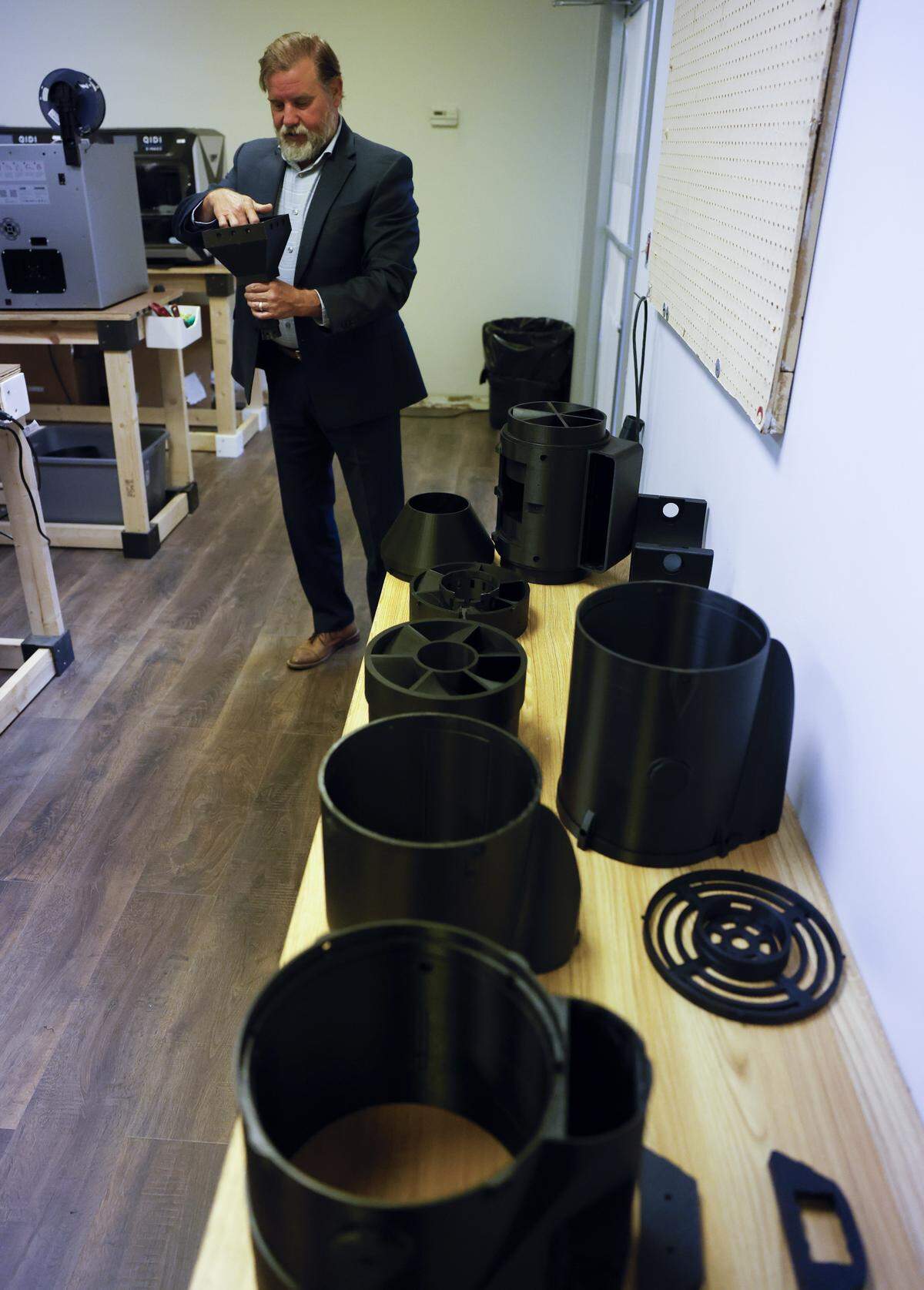
Manufacturing for the Soulis line relies heavily on rapid prototyping, which Carr also does locally.
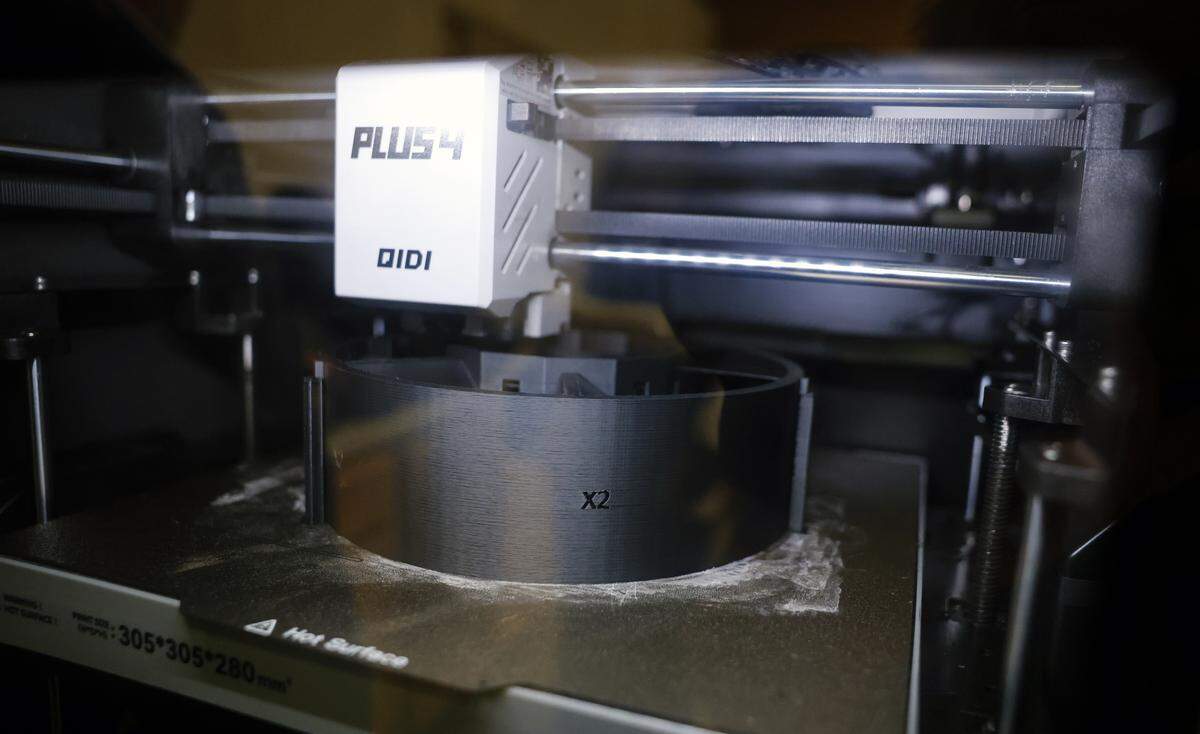
“We actually manufacture it here,” he said. “We have a 3D print lab here. We’re running about 40 printers, and that’s how we actually build the product.”
Carr also credited local workforce pipelines for helping him build his team, including an employee recruited through Columbus Technical College.
What’s next for the VentorLux Soulis line?
Carr said VentorLux is developing additional form factors, including a wearable device and residential HVAC add-ons, while waiting for FDA clearance on the lead unit.
He also described an effort to pair cleaning with real-time detection.
“We’re now working on a module that will be able to identify microorganisms in real time,” Carr said. “It’ll establish an electronic fingerprint tied to a cloud-based system that actually allows us to monitor air quality, so something like COVID wouldn’t happen again.”
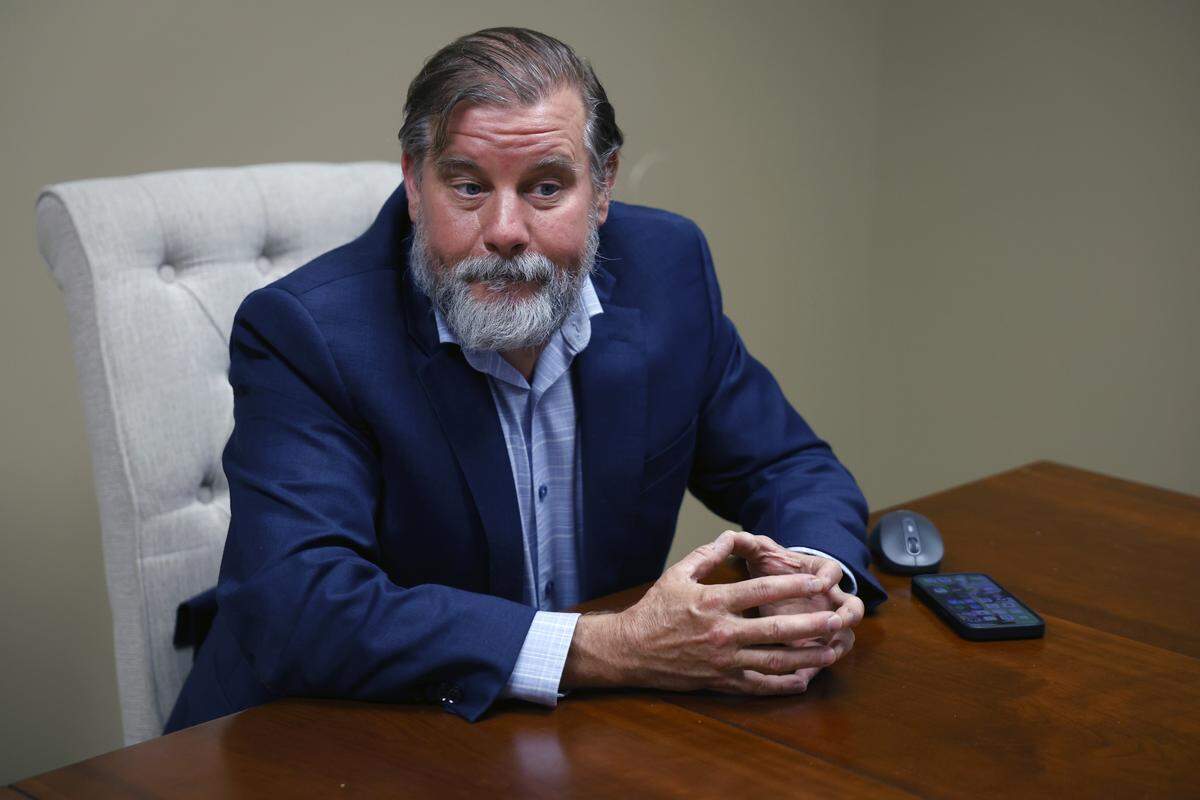
Carr said he hopes the broader impact goes beyond any single building, ultimately creating “a healthier world.” He expects scale to come through a larger partner.
“I believe this baton will get passed off to a larger company that has tentacles throughout the world that can get this device out throughout the world,” he said.
This story was originally published May 6, 2026 at 5:00 AM.