Black mothers face higher mortality rates. Why that is, and how Georgia could improve
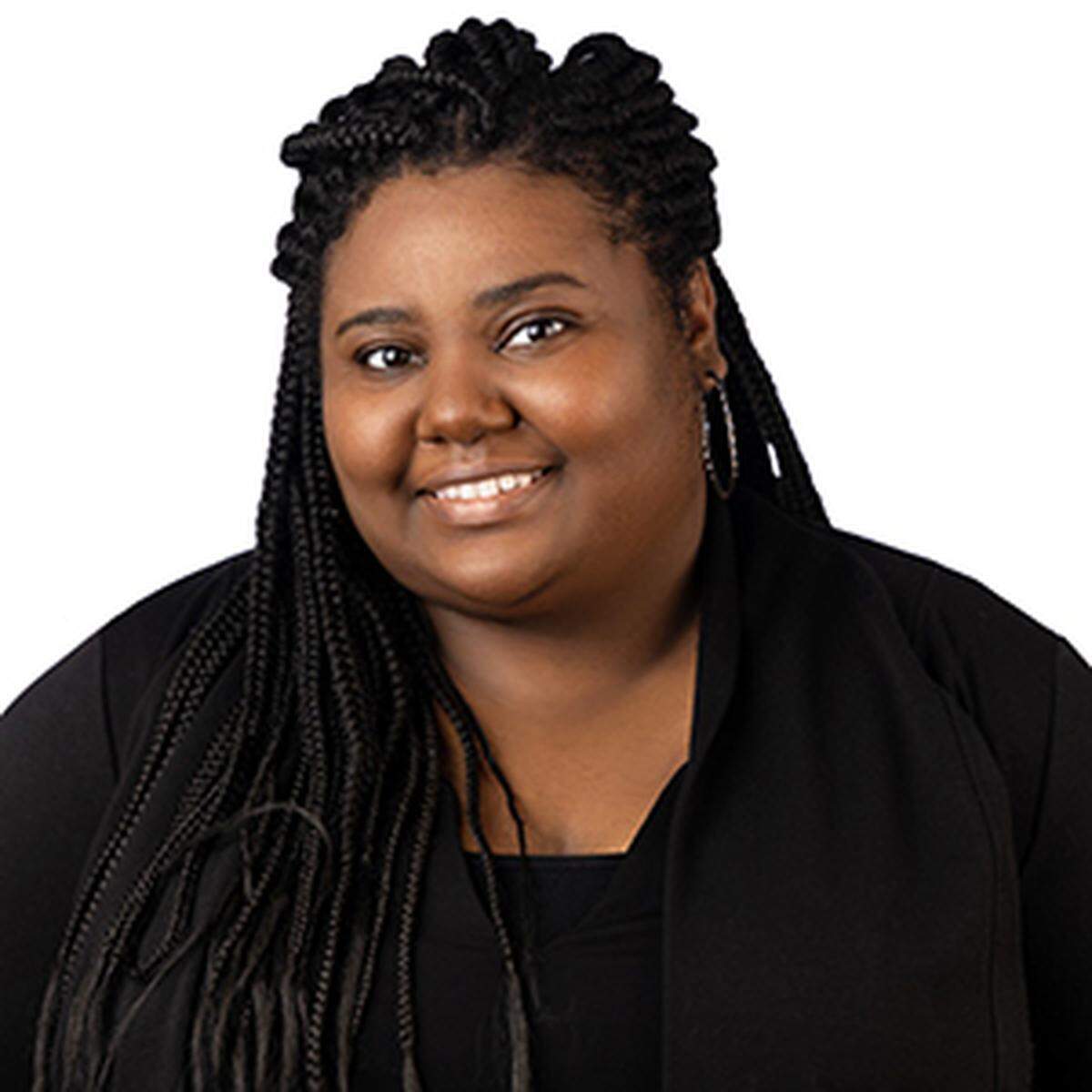
Michelle Wallace gave birth to her son at 32 weeks in 1987, eight weeks shy of a full-term pregnancy.
After the delivery, her nurse urged her out of the bed to take a shower, despite Michelle’s mother warning the nurse her daughter could not get up.
“She forced me out of the bed,” Michelle said. “I stand. And I collapsed on the floor.”
Michelle’s physicians missed that she was suffering from preeclampsia, a potentially fatal condition that caused her blood pressure to skyrocket. The new mother was in the ICU for 21 days.
Thirty-five years later, Michelle attended a lecture at St. Francis-Emory Healthcare in Columbus, led by healthcare providers to discuss the disproportionate mortality rate among Black mothers.
Her son, Anthony, was a guest speaker at the event. He lost his wife, Dr. Chaniece Wallace, 30, on Oct. 22, 2021, two days after giving birth to their daughter Charlotte. She had symptoms of preeclampsia.
Last week was the fifth annual Black Maternal Health Week, officially recognized by the White House in April last year, which is intended to raise awareness about the disparity in the maternity mortality rate and Black maternal health.
Why is there a need for Black Maternal Health Week?
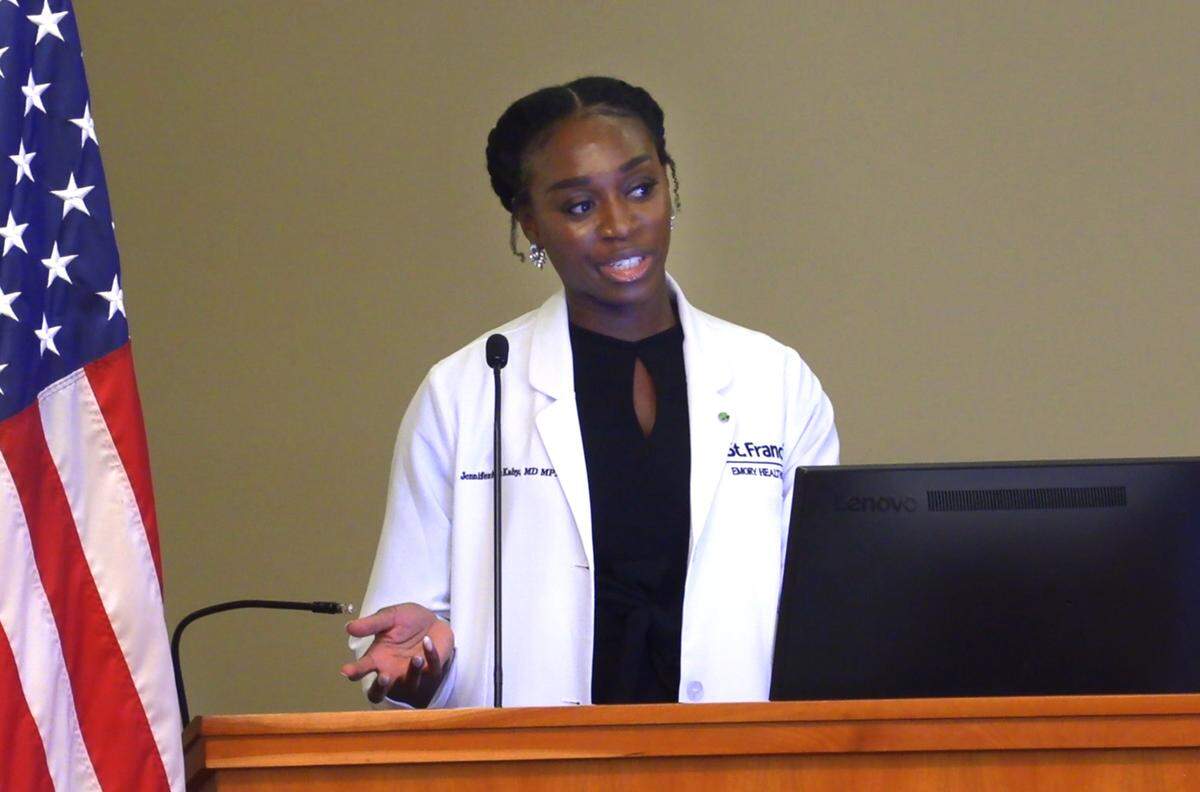
Women in the United States are more likely to die from childbirth than women from other developed countries, said Dr. Jennifer Addo Kaby, a physician at St. Francis OBGYN Physician Partners and a featured presenter during the event.
Of the 700 women who die from pregnancy-related complications in the United States each year, 9% are found to be preventable in white women, Kaby said, and 59% are found to be preventable in African American women.
Another 50,000 people have unexpected outcomes of labor and delivery with serious short or long-term health consequences, according to the Centers for Disease Control and Prevention.
Black women are three times more likely to die from a pregnancy-related cause than White women, according to the CDC.
What are possible causes of the disparity?
Some of the hypotheses as to the causes of the disparity include poorer health among Black women, economic circumstances or genetics, Kaby said.
African Americans have a lower household income on average, she said, and tend to have higher rates of comorbidities such as diabetes and high blood pressure.
Access to quality healthcare, underlying chronic conditions, structural racism and implicit bias all factor into the gap of healthcare for Black mothers, the CDC says, and many people from minority groups don’t have access to equal opportunities for economic, physical and emotional health.
A study was done that compared the birth weight of babies of Black and white women born in the United States and women born in Africa, Kaby said. The babies of U.S.-born Black women had lower birth weights than U.S.-born white women and African women, she said.
“What that shows us is that there must be some component of what is taking place institutionally within the society that’s affected birth weights,” Kaby said.
How have healthcare providers addressed the issue?
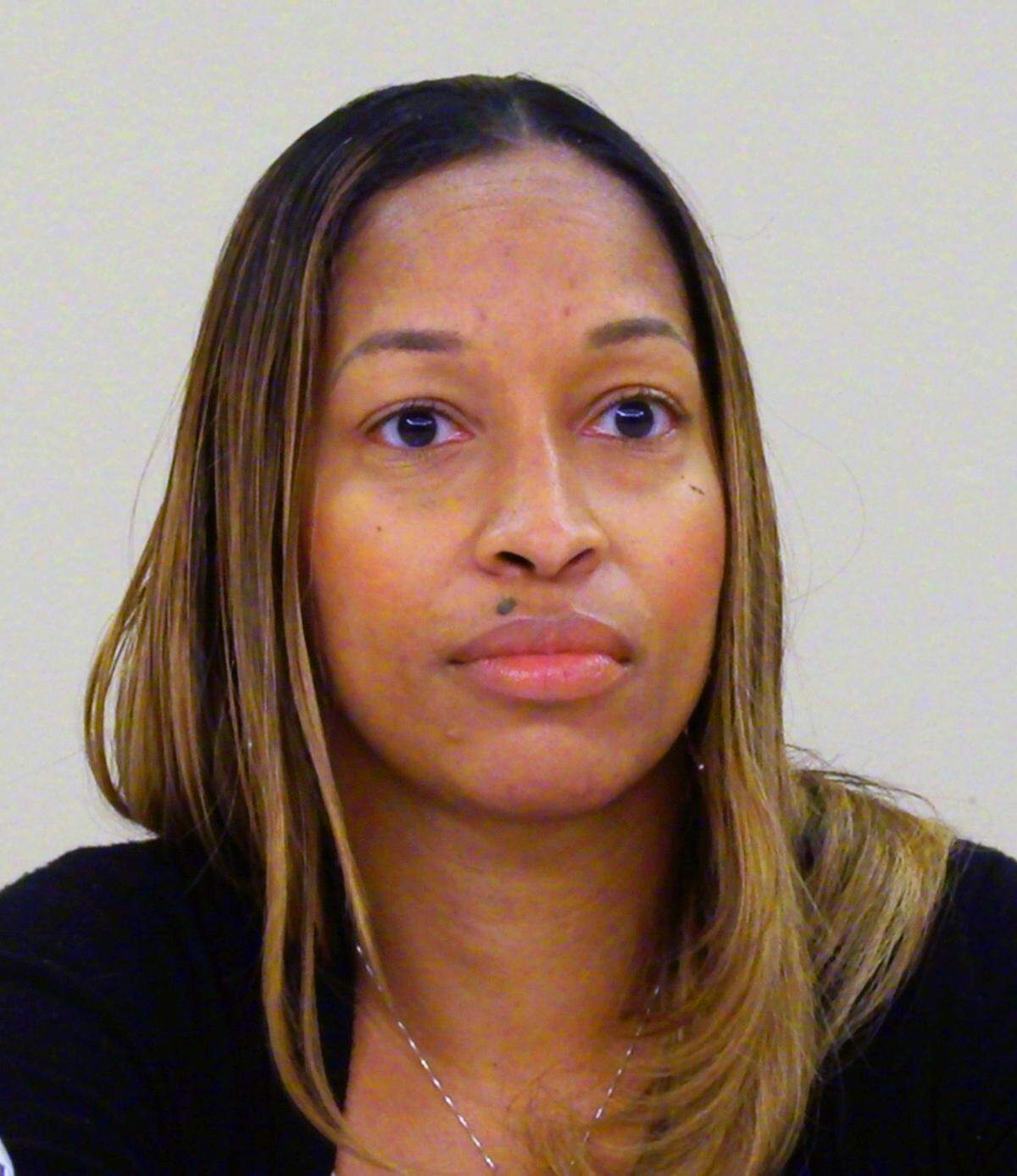
The burden of addressing Black maternal mortality is on people who work in healthcare and the healthcare system, said Dr. Shania Seibles, a panelist at the St. Francis-Emory event.
The CDC recommends that healthcare providers ask questions to better understand patients, educate patients about urgent maternal warning signs, and recognize unconscious bias in the workplace.
However, it’s also a societal issue and the CDC urges hospitals, healthcare systems, states and local communities to all play their part. This begins by identifying and addressing unconscious bias in healthcare and standardizing medical care and emergency response. Other necessary steps include improving the delivery of quality prenatal and postpartum care and supporting reviews of the causes behind every maternal death.
Solving this issue is complicated because it is systematic, Seibles said.
“It is not an overnight process,” she said. “(You can’t) snap your finger and it will be fixed tomorrow for our Black women.”
What can pregnant people and their families do to minimize the risk?
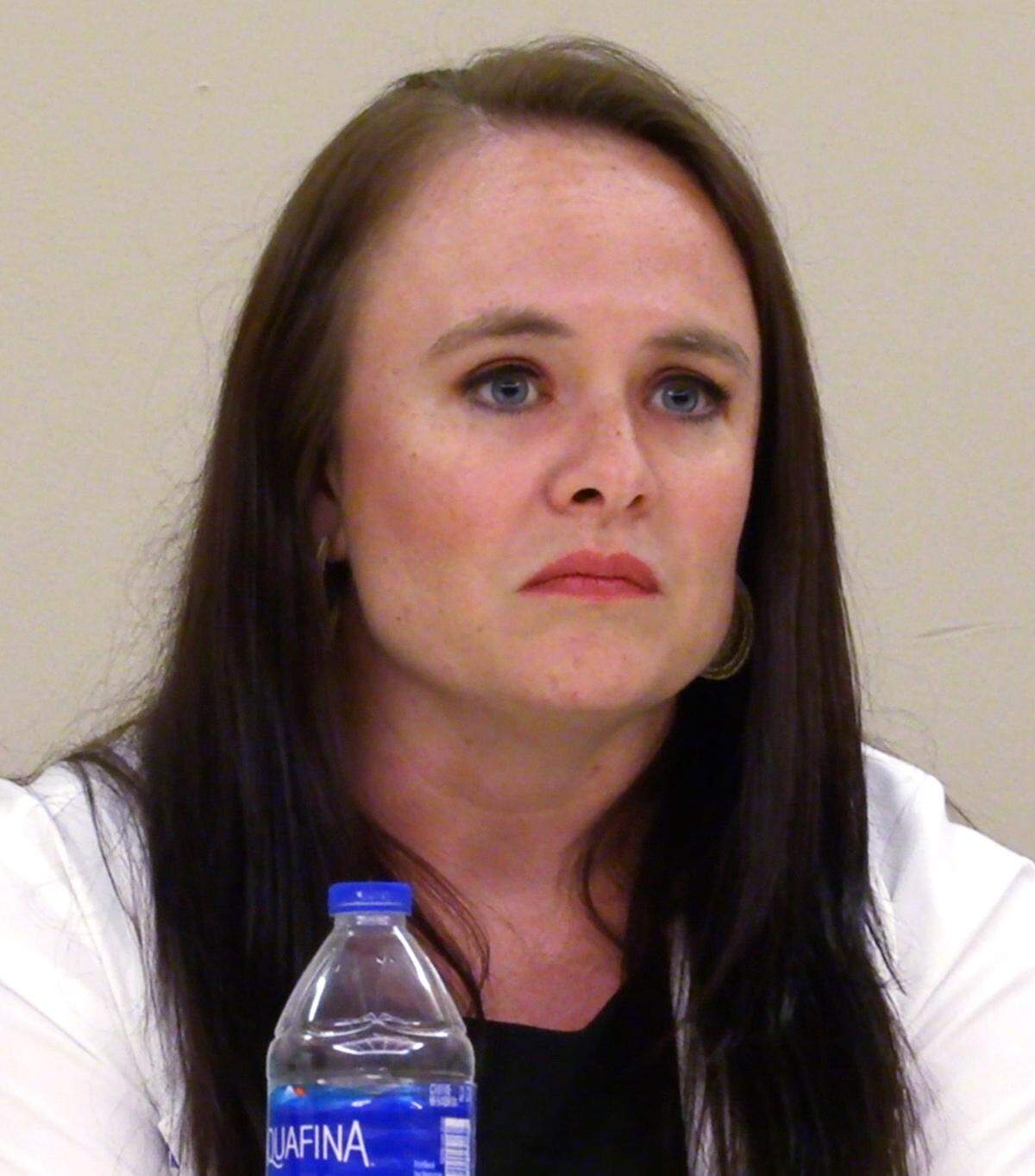
The first thing women can do to ensure a successful pregnancy is to go to their OBGYN provider to have screening tests done, said Melissa Hatter, a certified nurse-midwife with St. Francis.
“You can have your pap smear done,” she said. “You can check for any infections, anemia and get an overall health screening.”
This way women can know where their baseline health is and address any issues before they get pregnant, Hatter said.
Another thing that women of childbearing age should do, whether they’re planning to become pregnant, is to take a prenatal vitamin or women’s multivitamin, she said, because they have adequate amounts of folic acid for the first few weeks of pregnancy when women don’t usually know they’re pregnant.
The most critical step is to find a provider who will listen to them, she said. Not every provider is going to match every patient, Hatter said, and it is okay to change providers if patients don’t feel like they’re getting the care they need.
The informational events that happened across the nation for Black Maternal Health Week are very important to help educate young women, Michelle said. When women go to the doctor’s office for the first time, they often don’t know the questions they should ask, she said, and events like this help fill the education gap.
“I didn’t even know in 1987 about what could happen to me,” she said.
This story was originally published April 22, 2022 at 5:00 AM with the headline "Black mothers face higher mortality rates. Why that is, and how Georgia could improve."