Here’s what a Columbus doctor says people need to know to prevent stroke deaths
A Georgia physician is urging residents to take preventative measures to reduce their risk of having a stroke and to seek immediate medical care at the onset of symptoms as the healthcare industry observes Stroke Awareness Month.
About 1-in-6 deaths from cardiovascular disease was because of a stroke in 2020, according to the Centers for Disease Control and Prevention, and the country’s highest death rate from stroke is in the Southeast.
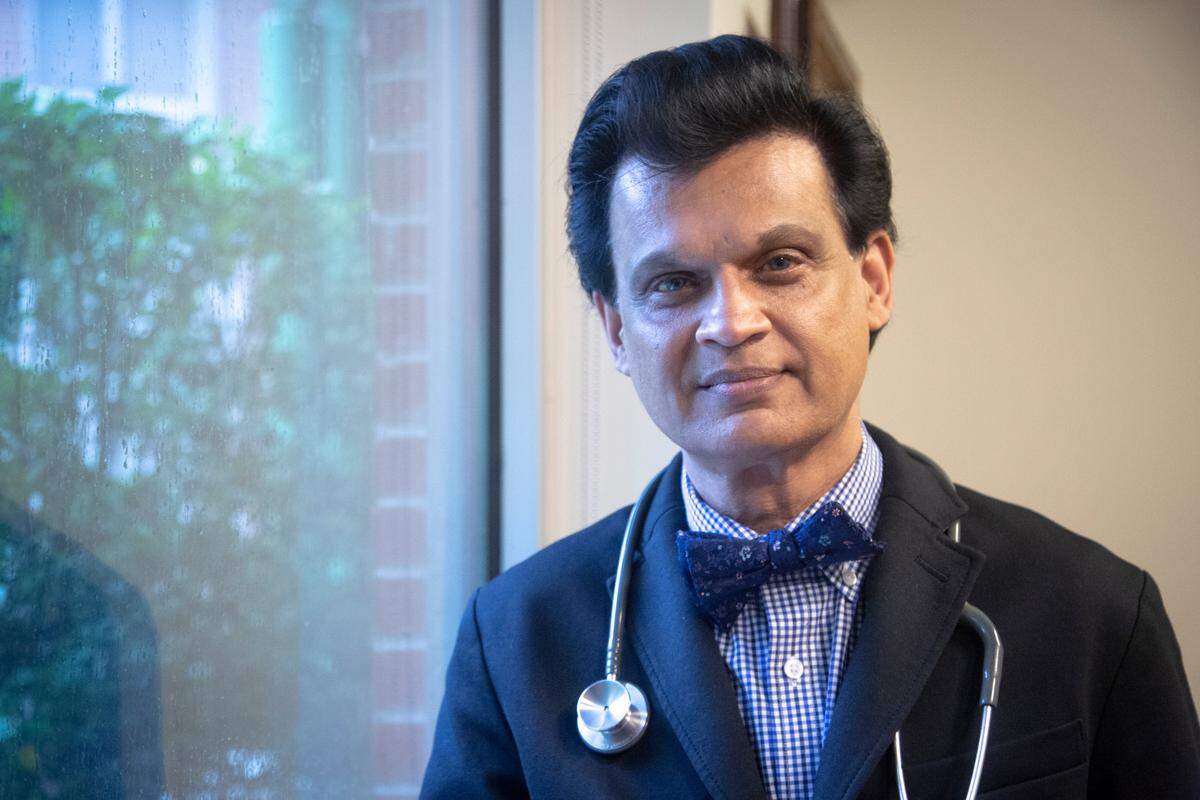
The most common risk factors for stroke include hypertension, diabetes, high cholesterol, obesity and sleep apnea, said Dr. Vipul Parekh, a stroke neurologist at St. Francis-Emory Hospital. One of the common problems that he’s observed in Columbus is that patients do not regularly take their medication, check their blood pressure or manage their diabetes.
“And the lifestyle choices here, as well as the food habits, are very poor,” Parekh said. “Which puts them at a high risk for stroke.”
The Ledger-Enquirer spoke with Parekh about what people can do to prevent having a stroke, how to recognize the signs of one and how to respond when it happens.
Parekh’s answers have been edited for clarity and length.
Q: What can people do to prevent becoming at risk of having a stroke?
A: People can make dietary changes, exercise, manage their blood pressure, manage blood sugar if they have diabetes, and quit smoking.
If you have hypertension, monitor your blood pressure regularly. Just because you take medication does not mean your blood pressure is under control.
And it’s the same thing with diabetes, just because you take the medication doesn’t mean your sugar is under control. I would always advise people to document their blood pressure and blood sugar, so that when you go to your primary care doctor you can show them the numbers. And they will arrange your medications accordingly
Q: What are the early warning signs that someone is about to have a stroke?
A: You would be having difficulty finding words. You might think, ‘I’m perfectly normal, why am I having difficulty with talking?’
You might be saying, ‘Hey, I cannot remember this word.’
Headaches, nausea, vomiting and dizziness are some of the things that will start ahead of time depending upon the location where the stroke is.
If they come to the hospital right away we can treat those. However, if they come after hours and hours we cannot do a treatment or give them a drug called tPA (Tissue Plasminogen Activator).
Q: What is a transient ischemic attack (TIA), and how can people recognize it?
A: Sometimes, patients can also have the stimulus stroke symptoms, but they come and they quickly go away. And that is a warning sign that we call TIA known as a transient ischemic attack.
It is a warning sign and even though symptoms resolve, still come to the hospital so we can find the cause of the symptoms.
Q: What are the signs and symptoms of someone having a stroke?
A: You should know the word FAST: facial drooping, arm weakness, speech difficulties and time. Recognize if someone has hand or leg weakness, they’re unable to talk or visual changes. Do not wait to bring them to the hospital right away.
Q: How quickly do people need to respond if they are showing signs of a stroke?
A: You better make sure that you come within four-and-a-half hours from the onset of symptoms. That doesn’t mean that you wait for four-and-a-half hours. Come to the hospital right away, and if you’re within the four-and-a-half hours time frame we can treat you aggressively.
Q: What do you do if you see someone having a stroke?
A: I always advise people not to give the person aspirin, and I’ll tell you why.
When people hear “stroke” they believe the person requires aspirin. But at that time we don’t know if the patient had a brain bleed stroke or an ischemic stroke until they do the head computed tomography (CT) scan.
Once the head CT scan is done, if it is a hemorrhagic stroke, we don’t give them aspirin. And that is why I advise people not to give any aspirin because at that time we don’t know what kind of stroke it is.
Q: How dangerous are strokes, and what are the treatments?
A: It depends upon the size of the stroke.
It also depends upon the location of the stroke. It also depends on other comorbidities like their age, renal failure and all other medical problems they have.
Q: What is recovery like for those who survive their stroke?
A: It depends again on the size of the stroke, location of the stroke and what their baseline was.
If they were already bed-bound and unable to move prior to this, there’s nothing much we can add to this.
But if they have deficits, we have physical therapy and occupational therapy. If they have a speech problem, we have speech therapists. And if they qualify, then we send them to rehab.
So, the recovery depends upon the size of the stroke, other comorbidities and also the location of the stroke.
This story was originally published May 31, 2022 at 9:49 AM with the headline "Here’s what a Columbus doctor says people need to know to prevent stroke deaths."