‘What am I going to feed my baby?’ Columbus moms band together to find baby formula
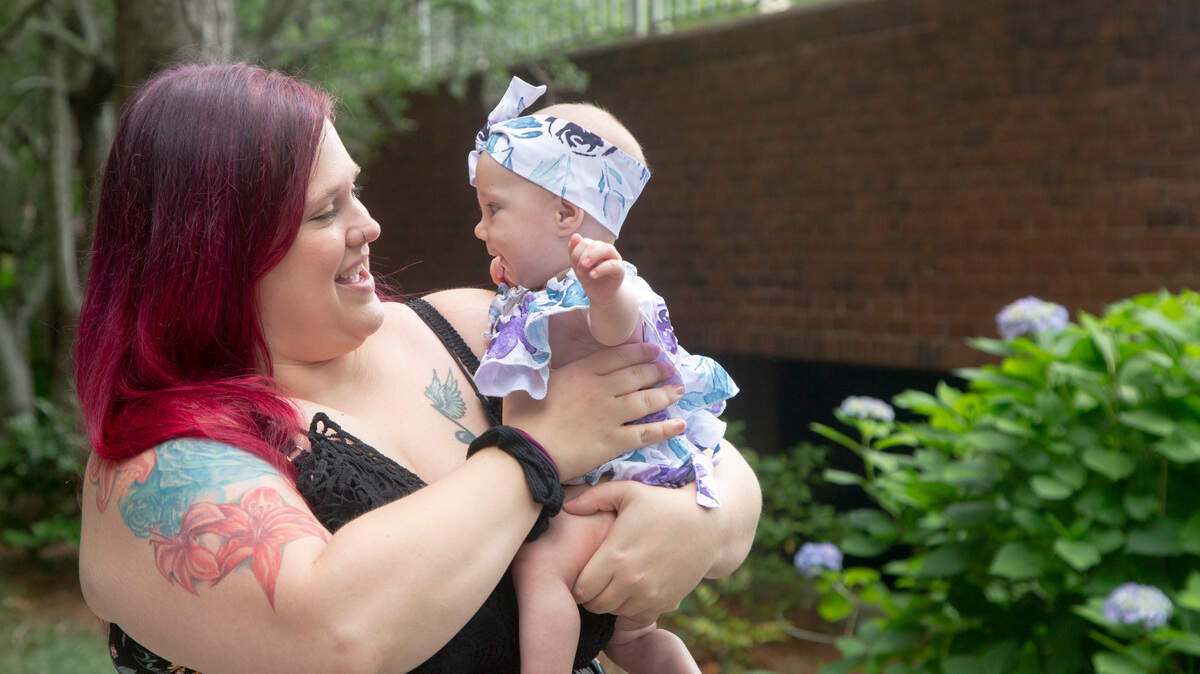
Columbus parents are banding together on social media to help each other find baby formula amid a shortage, and healthcare professionals warn parents to be cautious of bad online advice.
Supply chain issues and recalls of infant formula products led to shortages that have made it hard for parents to find the products they need to feed their children.
Elizabeth Corona is the mother of 22-month-old Carlos and 4-month-old Luca. When the shortage began, Corona quickly realized how hard feeding her newborn will be.
As a recipient of the supplemental nutrition program WIC, when Corona goes shopping for food she has to get everything on the WIC voucher in one transaction. Unfortunately, the shortage has made it difficult to find the number of cans of formula she needs to purchase to avoid losing the voucher.
“Going to the store, it was like, ‘Okay, I can find one can (of formula), but I need five,’” Corona said to the Ledger-Enquirer. “I have to go to like six or seven stores, and then I feel bad because I look like I’m hoarding formula.”
Corona’s vouchers allow her to receive about nine cans of formula a month, she said. Her son can drink only plant-based formula without getting sick, making it more difficult to provide the nutrition he needs. If she loses the voucher, she also won’t be able to get the beans, vegetables and other food items WIC provides.
Every time Corona or her husband, Kevin, go out, they check stores for formula. They also have other family members who will pick up formula for Luca if they see it.
A social network
An important part of Corona’s network has been other Columbus parents and people who just want to help on Facebook. Groups have popped up on the social media site where parents work together to get through the shortage, Corona said.
“A mom will be like, ‘I have an extra can, you can have it,’” Corona said. “And they have moms looking for breast milk or whatever they can get.”
Corona said she recently gave another mom all of her stored breast milk, which Luca couldn’t drink because he is lactose intolerant.
Having a trusted local contact who can donate breast milk is a great solution for many moms, Dr. Susan McWhirter of Rivertown Pediatrics said to the Ledger-Enquirer, as the chances of breast milk having negative effects on a baby are slim.
“Just always be cautious,” McWhirter said. “Do you know who it’s coming from? So, if it’s a mom who’s feeding an older child, their breast milk consistency may be different than what an infant needs.”
Utilizing a network of support is how another Columbus mother, Allie Cutright, is getting through the shortage crisis as well.
Cutright is mom to 4-month-old Evelynn, 6-year-old Ezra and 4-year-old Asher.

Evelynn has a cow’s milk protein allergy, Cutright told the Ledger-Enquirer, so her daughter has to have hypoallergenic formula. She tried importing formula from Europe, she said, but Evelynn also had a negative reaction to that formula even though it was labeled as hypoallergenic.
“Milk protein allergies are becoming more frequent,” McWhirter said. “It’s not unusual that probably once a month I have an infant with a significant milk protein allergy — even on breast milk.”
The local support network on Facebook has been an extremely helpful resource for Cutright during the shortage. She wouldn’t have found hardly any of the formula she has if it wasn’t for Facebook, Cutright said.
People tag her in Facebook posts or message her directly to say they’ve found the formula she needs. This has been more reliable than checking grocery stores’ inventory online.
Grocery store websites might say they have the hypoallergenic formula Evelynn needs in stock, but when Cutright goes to get it, there’s not any on the shelves.
Breastfeeding isn’t always the answer
Cutright breastfed both of her sons, but she was unable to do so with Evelyn because of her allergy. To breastfeed, she would need to cut significant parts of her diet.
But by removing those foods from her diet, Cutright would be unable to get the nutrition needed to stay healthy because of a gastric sleeve surgery she underwent two years ago.
“It would be great if I could breastfeed,” she said “It would be great if my breast milk wasn’t literally killing my baby.”
Corona also found it difficult to breastfeed because of Luca’s lactose intolerance and her struggles with mental health.
“My postpartum (depression) was worse while I was trying to pump,” she said. “And I just wanted my body back.”
While a majority of women should be able to breastfeed, McWhirter said, there are conditions, such as breast surgery, that they can’t. Other conditions may include a hormone imbalance that decreases milk supply and postpartum depression.
“Although we know breastfeeding can decrease depression,” she said. “Sometimes you’re just not mentally or physically able to breastfeed.”
Some people may be on medications that affect breast milk, McWhirter said, or they may have medical conditions that don’t allow them to breastfeed. In Georgia, about 80% of women breastfeed when they’re in the hospital, she said, and those rates drop to about 50% by two months of age.
Don’t make infant formula at home
Inflation has made things more difficult, Cutright said. She previously bought a 38-ounce can of formula for around $58, but lately a 13-ounce can may cost $50.
“I used to budget about $200 a month for her formula,” Cutright said. “And now it’s outrageous. I haven’t even done the math because I just don’t want to know.”
Corona and Cutright have seen posts on social media of people giving advice about how to make baby formula at home, they said. These types of old handed-down recipes are not good for the kids, Corona said.
“What they thought was okay back then is not safe,” she said.
Cutright worries that some parents may be tempted to try the homemade formulas or start taking their babies off of milk too soon because of desperation.
“(Not finding formula) was terrifying,” Cutright said. “Just plain and simple terrifying because you go in and there’s these empty shelves. And you’re like, ‘What am I gonna feed my baby?’”
The formulas from the store are designed to include nutrients that support a baby’s brain growth and development, McWhirter said, and homemade formulas are going to lack that. Doctors discourage everyone from making homemade formulas, she said.
The only exception is if the child is between 9 and 12 months of age and healthy, McWhirter said, then parents can substitute whole milk for up to two weeks.
“If your child is eating a lot of foods, then the formula may not be as important for their nutrition,” she said.
McWhirter advises parents to try looking for formula in some of the smaller local stores because they may have more supply than the big chains. She also recommends asking pediatricians for samples if they run out, and she said to utilize online resources like Facebook to find formula.
Parents that have excess formula and are getting ready to transition their kids off of formula can contact their local church to donate formula for others, McWhirter said.
This story was originally published June 6, 2022 at 5:00 AM with the headline "‘What am I going to feed my baby?’ Columbus moms band together to find baby formula."