What did first year of COVID look like in Columbus? This 95-year-old documented it all
Lucile Lambert’s father was 17 years old when World War I began. He was a soldier in 1918, when he got “that terrible flu everyone was getting,” she said.
The Army eventually sent him home to his mother. He survived the 1918 influenza pandemic, but carried forward the stories of those who died or suffered in the depression that followed.
“They were starving, freezing to death and dying by the thousands,” Lambert said, “in addition to what the flu was doing to them.”
Last year, when stories began trickling in about the coronavirus, Lambert, a few months shy of her 94th birthday, quickly realized things were getting bad.
“I could see it was affecting sports, religion, the economy, the world,” Lambert said. “Especially the world. I didn’t realize that so many people were traveling from one country to another.”
Lambert knew she was living through a historical moment and wanted to create a resource documenting the COVID-19 pandemic that her 4-year-old great-granddaughter, Leah, could browse through as she got older.
She compiled a three-volume scrapbook containing articles and daily headlines about COVID-19, mostly from the Ledger-Enquirer and other local news. The collection was donated to the Columbus State University Archives and Special Collections Wednesday during a luncheon that also celebrated Lambert’s 95th birthday.
Documenting COVID-19
Lambert began collecting clippings after state and local governments declared restrictions on senior living facilities in March 2020. Spring Harbor at Green Island, the retirement community she lives in, closed community dining rooms and canceled group activities. Lambert was unable to go visit family, nor were they able to visit her.
The project — “Documenting COVID-19” — includes articles from March 17, 2020, to March 31, 2021. Lambert credits her friends, Sally and Jim Gates, for assisting her in creating the cover, back pages, biography and personal statement that appear in each volume.
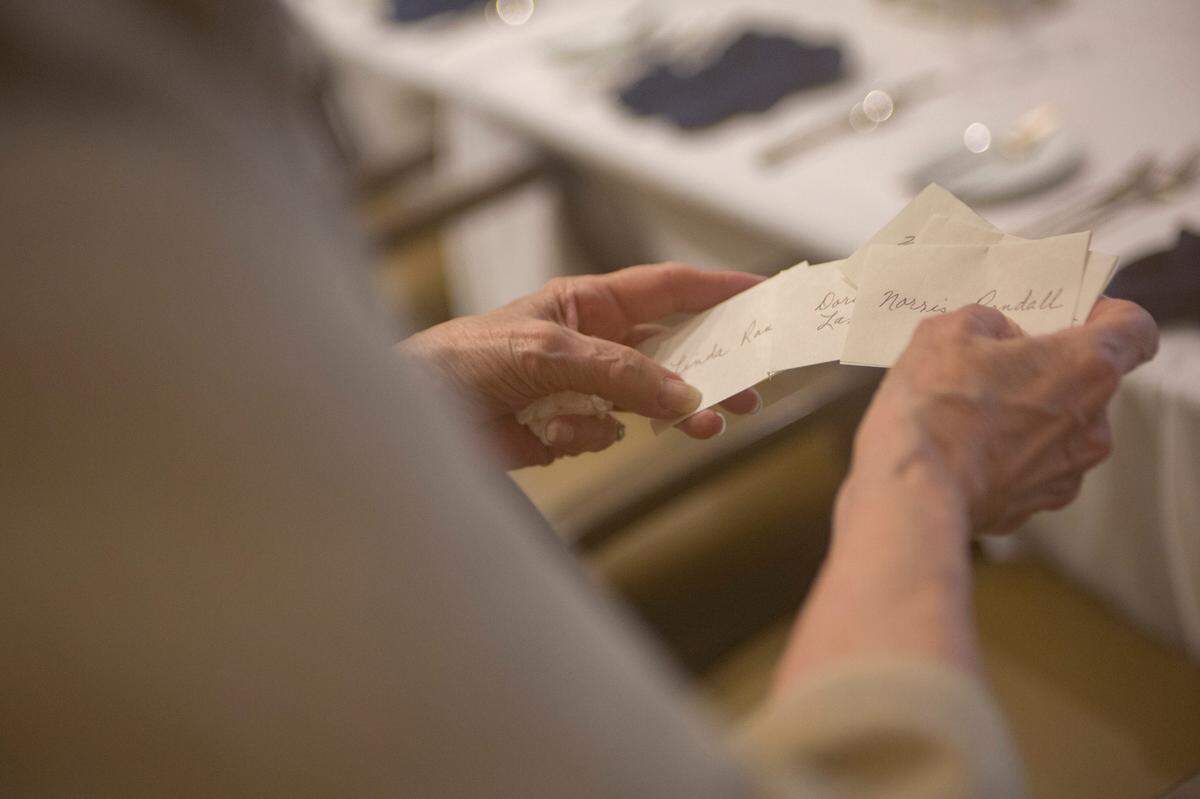
She used construction paper and other materials she had available in her apartment, but soon had to rely on others to go to the store for her and pick up supplies.
“I’d tell them, ‘I don’t want green, I want blue,’” Lambert said. “If you have to go to another store, you’ll get blue.”
One of the most challenging parts of compiling the books was overcoming her failing vision. Lambert spent a couple hours on most days working on the scrapbooks, but on days when her vision was particularly bad she stopped because it was too difficult to keep going.
“I have to accept the things that come with old age,” Lambert said. “And I’m not good at it. I’m a go-go girl, and I want to do things like I used to do.”
Preserving History
When Lambert reached out to the Gates for help with the final touches on the scrapbook, Sally suggested she donate the books to the CSU archives.
Lambert seemed open to the idea, so Sally told David Owings, head of archives and special collections at CSU, about the books and learned the archives already had a project looking for materials about COVID-19.
The biggest concern was making sure the newspaper clippings would be well-preserved, Lambert said. She worried that the newspaper print would yellow and deteriorate, so she wanted to ensure there would be copies available for young students to explore the history well into the future.
The most damaging conditions for newspaper are temperature, humidity and light, Owings said. To combat those variables, the books will be placed in a dark, climate-controlled vault kept at 60 degrees and 30% relative humidity.
“The colder you go, the more you slow down natural decay and breakdown of the chemical bonds that make up everything,” Owings said.
As the years go by, archivists will monitor the newspapers’ quality and copy any pages that are at risk of being lost, he said.
Lambert’s scrapbooks will be a large contribution to the COVID-19 project the CSU archives had already begun. It was early in the pandemic when the archives created a website allowing people to contribute their stories about how the pandemic has impacted their lives, Owings said.
According to the website, these stories could include anything from parents caring for their children to the experiences of essential workers. Currently, there are 85 items that can be viewed online that people have submitted to the CSU archives about the pandemic.
“The idea being that one day scholars, historians and everyday people are going to want to know what this was like,” Owings said.
Lifetime of scrapbooking
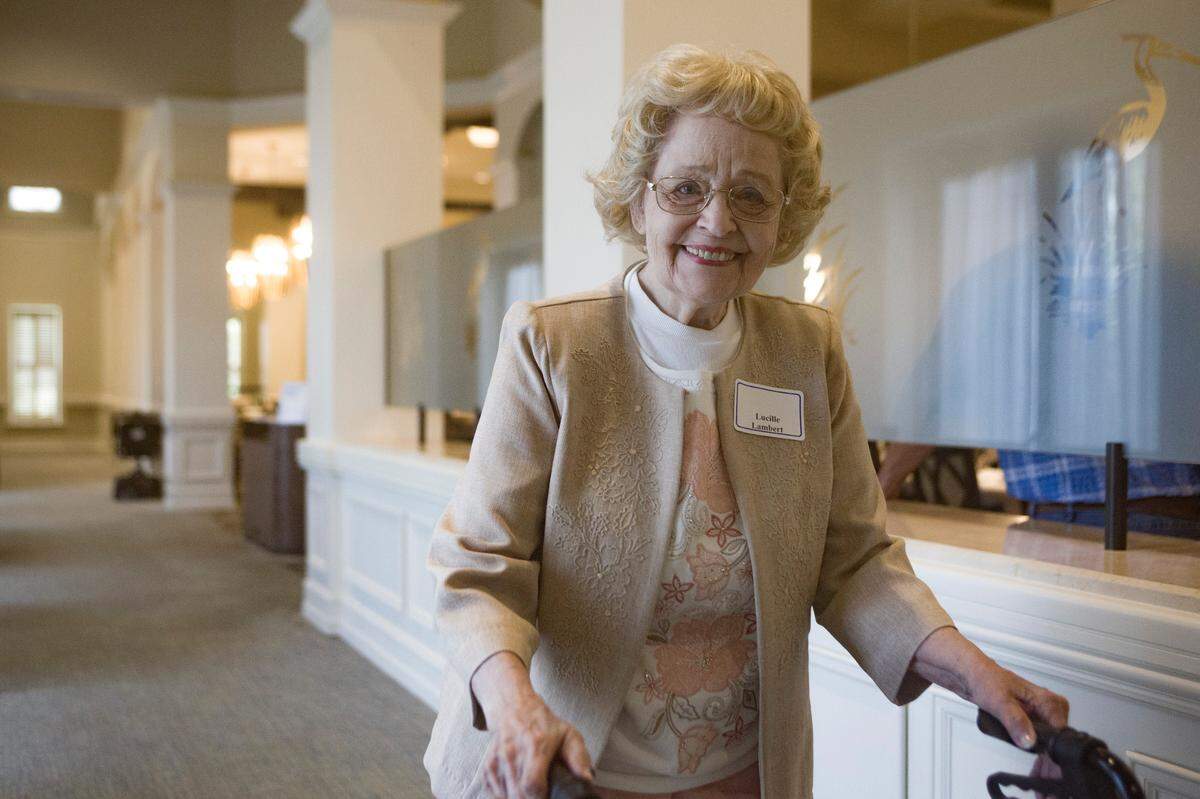
Lambert has exhibited a love of arts, crafts and photography throughout most of her life. This aspect of her personality is on display in her colorful apartment full of photographs, flowers that she gardens and examples of her crafts.
“I had what I called ‘my things,’” she said. “And I told my sister that she’d better not go near my things.”
Lambert’s things included items such as jewelry and pictures of her family at the beach. She would oftentimes put them in a photo-book.
In the 1970s, Lambert said she submitted a thick scrapbook representing the organization Keep Columbus Beautiful for a national meeting of the Audubon Society. Although she did not win the national award, she was proud to learn her scrapbook received the Award of Excellence.
When the World Trade Center was attacked in 2001, Lambert began collecting memories and newspaper clippings of the event and the fallout during subsequent years. She stored the records in a box before compiling it into a scrapbook, which was donated to the Columbus Public Library in 2003.
During the luncheon, Lambert was joined by friends and family members to celebrate her 95th birthday and pass over the “Documenting COVID-19” scrapbooks to Owings for the CSU archives. This luncheon was important to Lambert, she said, because it could be the last time she would be hosting an event.
In a short speech, Lambert thanked her friends and family whose contributions and support helped her complete the scrapbooks. Gates followed up by sharing the sense of awe she received from felt going through the pages, and how important it is to document living through a “modern day plague.”
Owings, seeing the scrapbooks for the first time, said he was glad to see how extensive they were in documenting the pandemic, and that they were made with preservation in mind.
“They’re in archival plastic,” Owings said. “It does not appear to me that they were glued down, so that will make preserving them much easier.”
Reactions to the scrapbooks were overwhelmingly positive as attendees pursued through the pages. Mary Cunard, Lambert’s sister, noted how diligently each day of the year was documented. She believes the project will be a good resource for people who want to learn more about COVID-19 in the future, comparing them to younger people today who have no memory of the attacks on 9/11.
“I think it will be a wonderful help for future generations because they won’t know anything about it,” Cunard said. “But they can read about it.”
This story was originally published June 11, 2021 at 2:30 PM.