
‘It definitely makes me lose sleep.’ Historic Westville facing financial hurdles in COVID surge
The arduous, years-long process of moving Historic Westville to Columbus from Lumpkin, Georgia, finally finished in June 2019. For a little while, things went well. Droves of school children and other patrons came to visit the 19th-century living history village near Fort Benning.
Then, COVID-19 hit, and nothing has been the same since.
The nonprofit reopened in October 2020 with various public health strategies in place aimed at preventing the spread of the coronavirus. But that shutdown — coupled with the moving expenses and decreased ticket sales — leaves Westville in a risky place as it tries to weather the pandemic.
As COVID-19 surged this summer, Executive Director Julian Singer said he hopes to develop community partnerships that allow the historic village to stabilize and gather strength.
“There is a risk,” he said. “I definitely have concerns about maintaining what we have, (and) I want Westville to succeed. ...I definitely think it can continue and should continue and will continue. But yeah, it’s concerning. It definitely makes me lose sleep.”
Westville and the start of the pandemic
Singer took over as Historic Westville’s Executive Director near the end of March 2020.
It was a homecoming for Singer. He was raised in Lumpkin, and his family has ties to the historic village. The Singers were an influential family in the south Georgia city, providing the land just outside town to house the historical village when it opened to the public in the 1970s. Several of the structures, including a home and a boot shop, belonged to Julian’s ancestors.
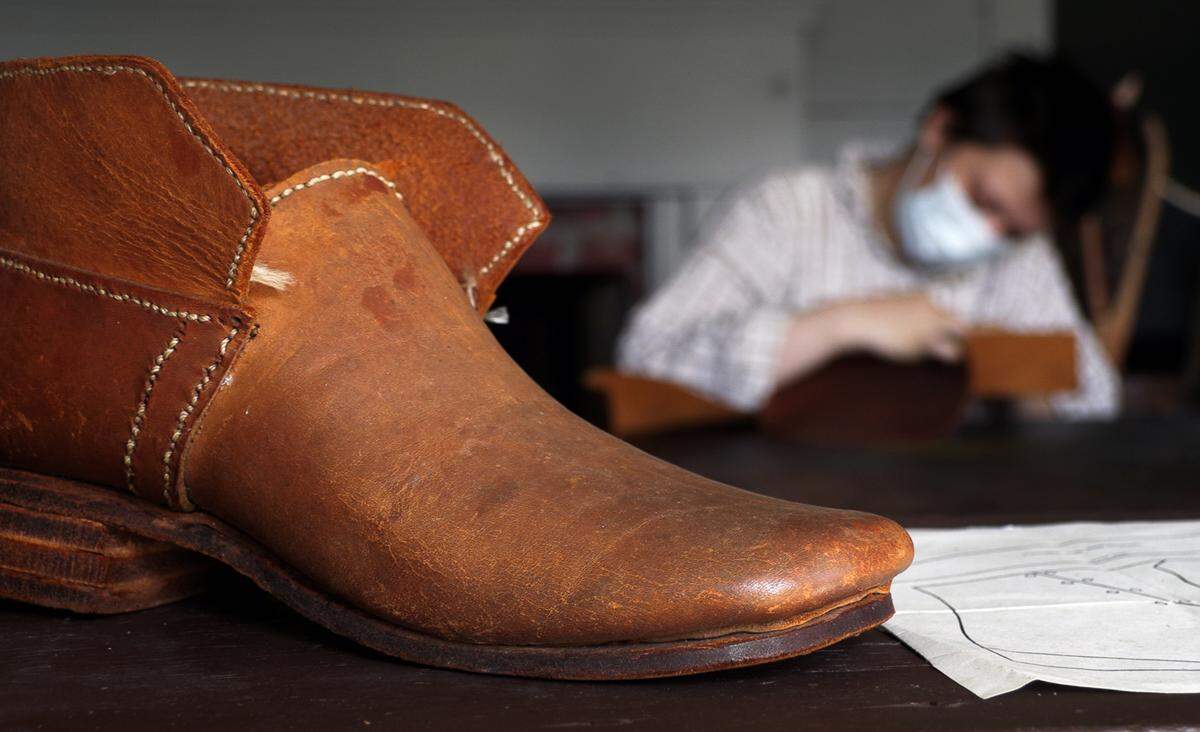
But Singer and his staff immediately had to face the coronavirus pandemic. The first cases of the disease were being confirmed, and the nonprofit closed its doors to the public on March 16. It was supposed to be a brief break, but the closure lasted nearly six months.
Singer said taking care of staff and funding were top priorities. Monthly expenses were closely examined to see where Westville could cut back. The nonprofit wasn’t able to take advantage of federal coronavirus relief aid, but employees were able to receive unemployment benefits.
The shutdown’s effect on the nonprofit was more acutely felt for several reasons, Singer said.
Seventeen buildings were moved from Lumpkin to Columbus during the relocation. Some needed repairs. Others had to be taken down and put back up again. It took a lot of time and money — four years and $9.6 million — to make it happen.
When Westville reopened in October after the 2020 summer shutdown, a lot of energy was expended on COVID-19 protocols to keep staff and visitors safe. Barriers were put up in some spots, and the number of people allowed inside the historical buildings was limited.
The nonprofit wasn’t able to host events around key holidays like Christmas, and field trips — which historically account for a large portion of Westville’s admissions— aren’t happening. Historic Westville also isn’t supported by a larger entity that could absorb some of those financial costs from lost events like Oxbow Meadows has with Columbus State University, Singer said.
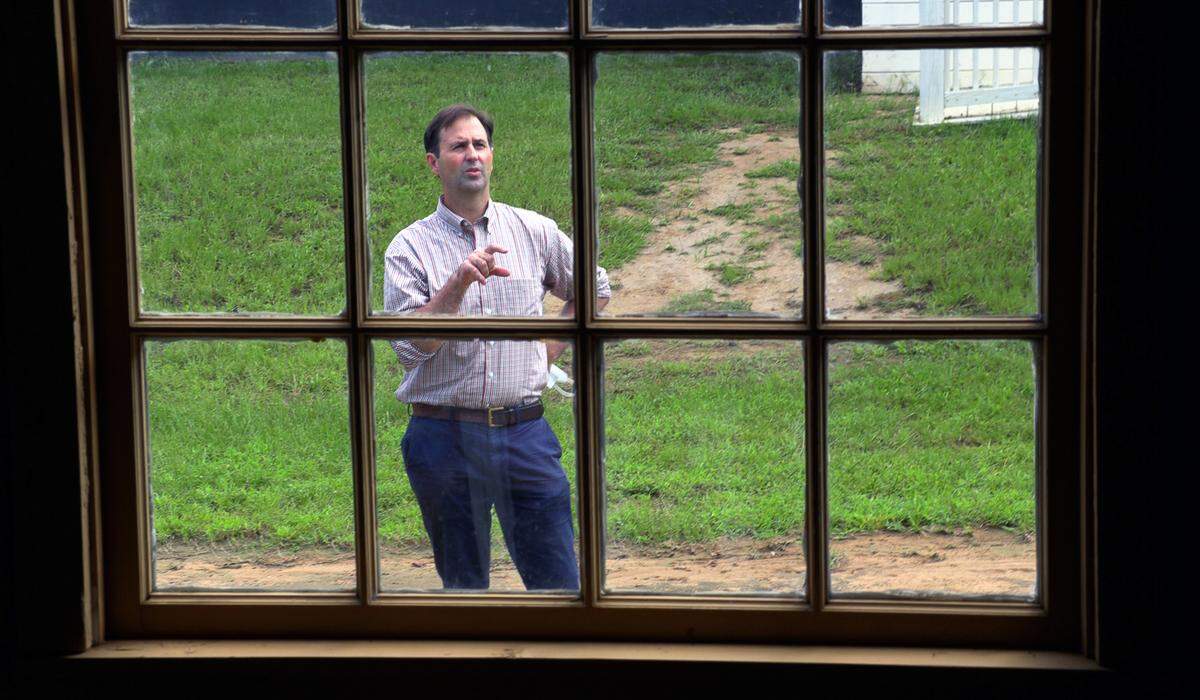
Still, Westville has tried to compensate by holding outdoor activities like pottery demonstrations and candle making to engage with customers, he said.
Things started to look better in the spring as COVID-19 cases dwindled. Singer said Westville allowed patrons to travel around the village and its buildings more freely. Historical interpreters, staff members dressed in 19th Century American South garb, could choose whether or not to wear a face covering.
The Delta variant resurgence forced Westville to reinstate its previous rules. Building occupancy limits are back, and the interpreters must don a mask. Patrons are encouraged but not required to wear face coverings.
“It’s been a lot of start (and) stop,” Singer said. “A difficult time, certainly. Jarring.
“I don’t want to say that we’re in great shape,” he added regarding Westville’s finances. “But I also don’t want to say that we’re, by this date, not going to be here.”
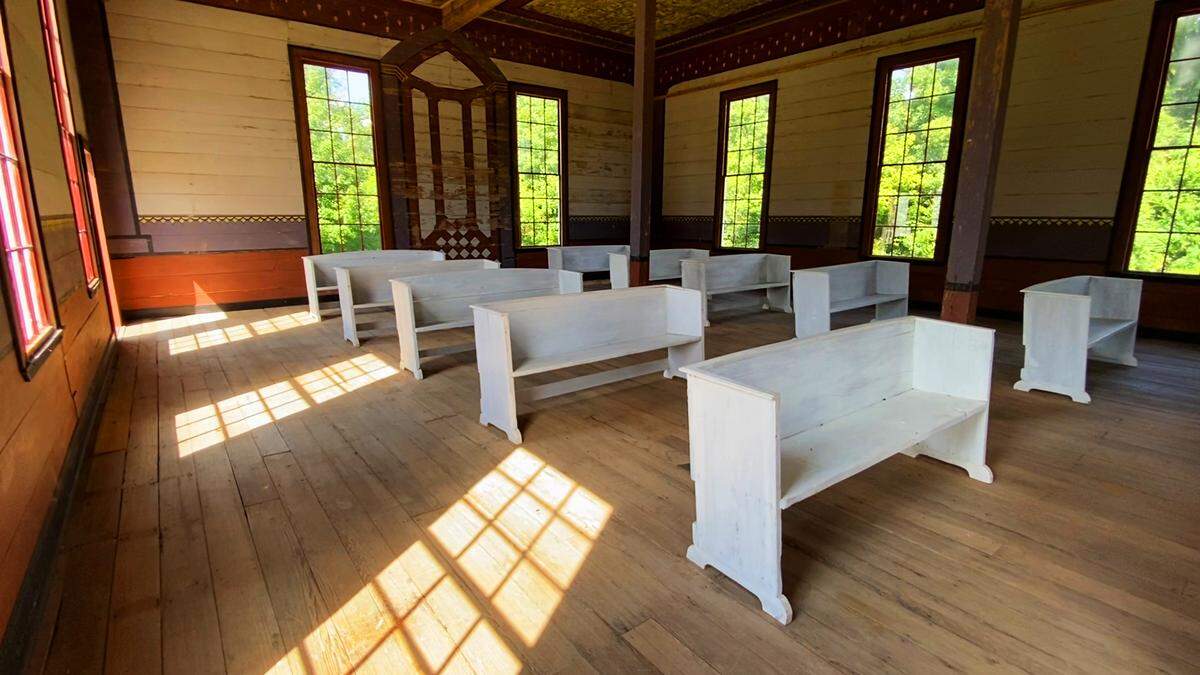
Where are things and what is next?
Singer tries to look at things in six month to five-year increments for Westville’s future. The focus for the next year is to “take care of what we have” and “develop the resources to build further,” he said.
Over the next two to three years, Westville hopes to develop stronger ties with Columbus organizations and nearby entities like the National Infantry Museum and Oxbow Meadows.
“We have this great pocket down here on South Lumpkin Road of all these organizations. And since I’ve been here, we haven’t really been able to leverage or maximize any of that collaborative energy,” he said. “There’s a really strong group of cultural arts and historical organizations here in Columbus that we look forward to building relationships with.”
Fourteen Westville structures are still located in Lumpkin. In the next five years, Singer hopes to have most or all of those buildings moved to Columbus.
The best way to support Historic Westville is to donate or volunteer, Singer said. The nonprofit has five interpreters currently employed and some staff members recently left for other positions, so volunteers have helped fill gaps.
“It’s about people. It’s about the place. It’s about the history,” he said. “There’s just no other place like it.”
For those interested in volunteering opportunities or making a donation, visit Historic Westville’s website, https://westville.org/.
This story was originally published September 15, 2021 at 6:00 AM.