Columbus area has to ‘learn to live’ with COVID, public health leader says. Here’s why
The Columbus area, along with the rest of the world, has been dealing with COVID-19 for more than a year and a half now, and it’s likely not subsiding anytime soon, says the city’s top public health official.
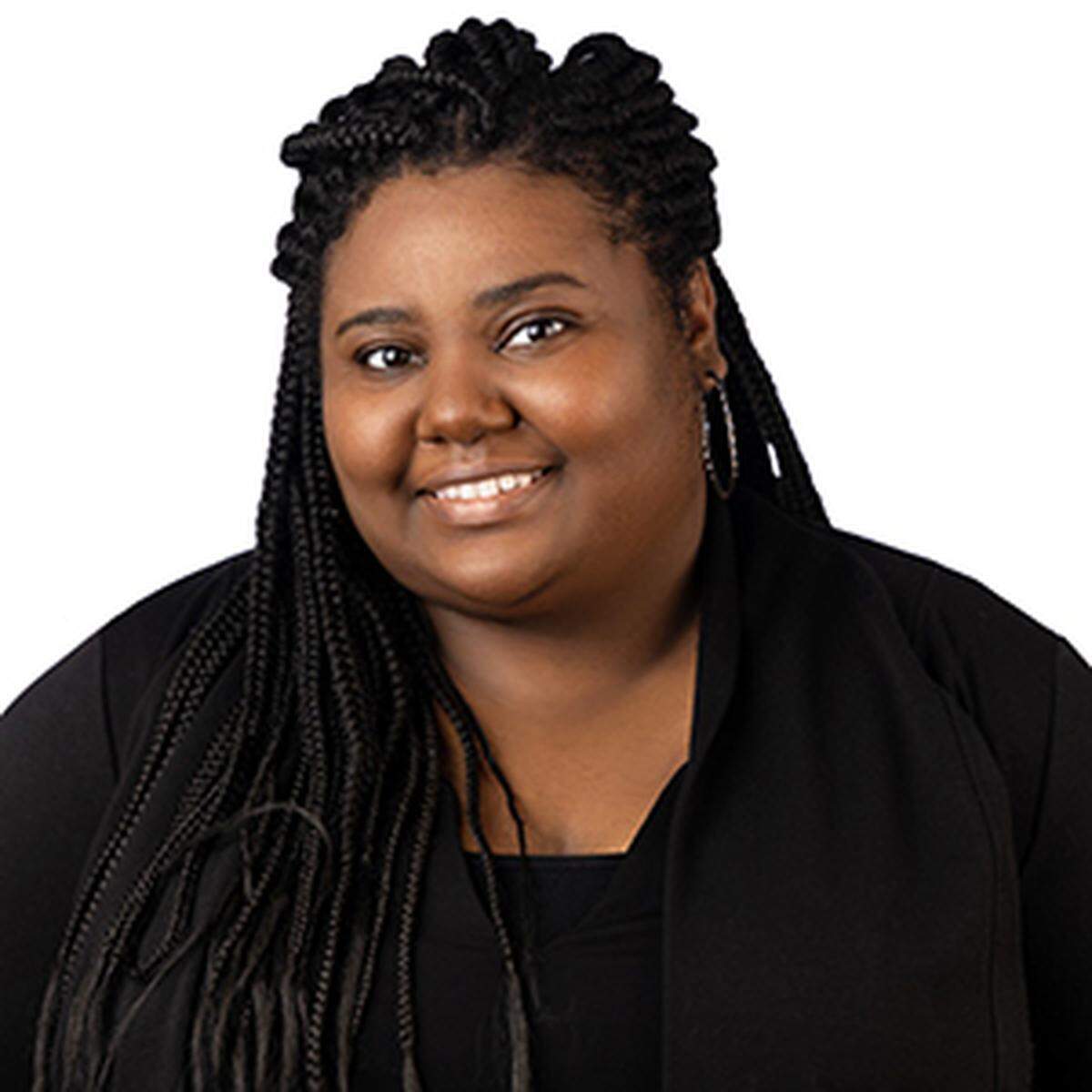
Now, the community has to learn to live with the virus in a way that does not result in so many deaths, said Dr. Beverley Townsend, health director of the West Central Health District.
Townsend is Columbus’ top public health official and is involved in serving 29 Georgia counties. Her department works to provide public health recommendations to communities based on the best information they have at the time, but Townsend is quick to admit that as scientists learn more about COVID, those suggestions may shift.
As the country grapples with a surge of COVID-19 cases, attributed to the delta variant, Columbus is no exception.
Muscogee County reported over 1,030 coronavirus cases in a two-week period as of Sept. 23, according to the Georgia Department of Public Health.
The current situation at St. Francis-Emory Healthcare hospital is unsustainable, wrote CEO Melody Trimble in a Ledger-Enquirer op-ed.
The Ledger-Enquirer spoke with Townsend about this surge, misinformation and what comes next for the district. Answers have been edited for length and clarity.
Q: How do you feel the city’s collaboration with the health department has gone during this latest wave of COVID cases?
A: I do want to say that there is a local spread. But we have good support from the city in terms of collaboration and working with us to ensure that they follow public health guidelines. We’re very happy about having a good working relationship with the city.
Q: Do you think mask or vaccine mandates are effective, and how do you feel about the fact that politicians are shying away from implementing them now as cases rise?
A: Everything we can do to help prevent the spread will be important from a public health standpoint. That includes vaccination, wearing a mask, social distancing and all the things that we have been talking about for the last year and a half. None of that has really changed from a public health standpoint. So that’s really what we still continue to take our stance about.
Q: Would you recommend that schools, businesses and other organizations implement mask mandates?
A: My recommendation is for people to do what they feel would be important in their own setting. Our recommendation from a public health standpoint is that those things work. And so, we have looked at that from the perspective that it’s important to do those things.
Q: How frustrating is it as a doctor to see so many people in the public getting misinformation from non-scientific sources rather than sources like the Department of Public Health?
A: The misinformation (is) very frustrating because it actually goes against the grain of what we have been trying to do from a scientific guideline. The misinformation is driving things in a negative direction. We will continue to promote, educate and inform to protect our public based on factual information rather than misinformation.
Q: If I have a church and want to hold an event to spread information about the COVID vaccine, would I be able to partner with the health department to make it happen?
A: Absolutely. And that’s what we want the community to do. Please get in touch with us, and we have the capability of partnering with lots of agencies and groups out there to provide education. We also have Pam (Kirkland), who’s our public information officer to provide information on the media standpoint. We have various platforms that we’re trying to use to get to the public. We go to different places to provide not only education but also vaccinations. We’ve done testing in the past.
Q: What are you hearing from local hospitals about their situations, and do you feel they have what they need to continue responding to this pandemic?
A: I think the pandemic has been very overwhelming for the healthcare system in general, so long-term sustainability can’t be at the rate at which we are going currently. I don’t know specifics about each hospital’s inside informationBut ICU beds are not available. Staff is not available to take care of the people who are there. And it’s not just COVID. COVID certainly takes up a large percentage of the beds that are occupied now, but there are people who have other ongoing disease states, heart attacks. They have surgeries, and there’s trauma that comes in. There’s people who need kidney dialysis. There’s people who have all kinds of stroke, cancer and all other kinds of emergencies that exist. There’s no room there for all of them that need support and need healthcare.
Q: What is the most concerning thing about the continuing transmission of COVID and the possibility of variants coming along?
A: I think the most important thing that we need to recognize is that the more people who are unvaccinated and who don’t have defenses to fight off the virus will give COVID a stronghold to mutate. Therefore, the virus is mutating, so it can survive. So until we have a defense against that in a large enough portion of the population, it’s going to continue to occur. We’ve seen variants in other diseases, especially the flu, but the flu vaccine is reformulated every year to fight those variants. And the COVID vaccine is obviously paralleling that particular response. There will be a need for the vaccinations to also mirror some of those developments, but we don’t have enough people in the population vaccinated for herd immunity to prevent the variants from being stronger and surviving.
Q: What would you tell that person who believes the antibodies they received from having COVID will protect them, and they don’t need to take the vaccine?
A: If you’ve had the COVID virus, yes, you do have some antibodies. But we don’t know how long those antibodies last and the recommendation currently is that once your symptoms and isolation period is over and your symptoms are resolved, then you should get vaccinated. And because you’ve had the virus, there’s no reason not to get the vaccine. The vaccine is more controllable and as studies go on we will know more of this information in the months to come. This is really so new, and we really don’t have all the answers. But the tools that we do have are the tools we have to use right now.
Q: Is there anything else about the current COVID-19 situation that you feel people in Columbus need to know?
A: COVID has come to live with us over the last year and a half, and we have to learn to live with it because with the actions of the community, it is not going away and it’s getting stronger. So, we’re going to have to find a way to combat and live with it. Hopefully not to the death of so many more people that we’ve had in the last year and a half.
I would dare to say that not many people don’t know of someone who had COVID. Maybe those who survived and maybe some had to die in their circle of people that they know. If you’re waiting on the vaccine, my question is what are you waiting for? The evidence is there with the virus. We don’t know everything about the vaccine, but we know a whole lot about the virus. It’s lethal, deadly and can cause a lot of problems and issues, including interfering with your ability to work and doing the things you would do prior to getting the virus infection.
This story was originally published September 24, 2021 at 11:20 AM.