The federal public health emergency may end this week: What that means for Medicaid
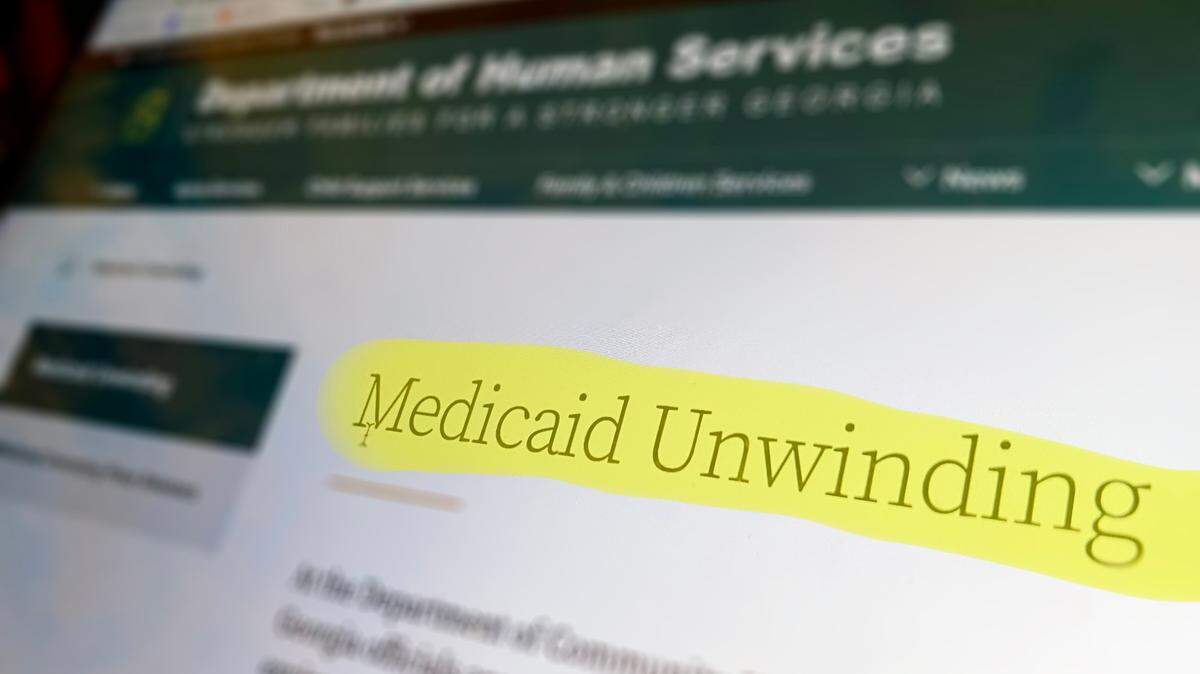
The Georgia Department of Human Services (DHS) is asking Medicaid recipients to update their profile information as the federal public health emergency (PHE) is set to end this Friday if it isn’t renewed.
The PHE order allows the government to use emergency authorizations to respond to the pandemic. States temporarily were able to adjust their policies to prevent people with Medicaid from losing health care coverage.
In Georgia, only Medicaid clients who (a) died, (b) moved out of state, (c) were incarcerated or (d) asked for their coverage to end had their cases closed, according to a news release by DHS.
Secretary of Health and Human Services Xavier Becerra renewed the PHE for 90 days in April, extending it through July 15.
What do Medicaid recipients need to do?
Although the PHE order could be extended again, DHS is preparing for the process of redetermining Medicaid eligibility by asking recipients to update their account information on Georgia Gateway, which is the state’s portal for accessing assistance programs.
This includes changes to their (1) phone number, (2) mailing address and (3) communications preferences, DHS Director of Communications Kylie Winton told the Ledger-Enquirer.
“We encourage all clients to select the ‘email’ option for the fastest alerts on their benefits,” Winton said.
Noting other changes in one’s (4) job, (5) income and (6) number of people in the household could help ensure some are automatically renewed; especially when available account information is sufficient to complete redetermination, she said.
The first step for eligible Medicaid clients in keeping their coverage is to update their information, according to the press release by DHS.
When can Medicaid clients expect their redetermination process to begin?
Once the PHE order ends, Medicaid redeterminations will be based on each customer’s eligibility timeline to determine if they still meet requirements, Winton said.
Customers will receive a notice — online or by mail — the month before their renewal month, she said.
“If a customer is determined [to] no longer [be] eligible for Medical Assistance through a Georgia Medicaid program, they will be notified,” Winton said.
Ineligibility notifications will include a statement that explains why the customer is no longer eligible for Medicaid, she said, and will refer individuals to healthcare.gov where they can purchase health insurance in a marketplace.
All Medicaid renewals, post-enrollment verifications and redeterminations should be initiated by the end of a year and completed within 14 months as part of an unwinding period, according to a letter to state health officials from the Centers for Medicare and Medicaid Services.
Where can Medicaid recipients find more information and resources?
Eligibility workers are continuing to serve customers and process changes for those who need to update their current cases, Winton said, including new members of their household, changes to their income or providing a current address.
DHS added a Medicaid unwinding resource hub to its website. It will be updated regularly with important news, resources and planning documents, Winton said. All 50 states are working through their plans for unwinding Medicaid, developing communications strategies, watching out for federal guidance and improving system and workforce enhancements, she said.
“As we finalize those arrangements, we will continue to proactively update our website and notify the public through social media, press releases, text messages, emails, community partner outreach and similar initiatives,” Winton said.
The Ledger-Enquirer will continue to follow this government health care topic and report updates accordingly.
This story was originally published July 14, 2022 at 11:15 AM.