COVID-19 on the rise again in Columbus? How to stay safe with virus ‘here to stay.’
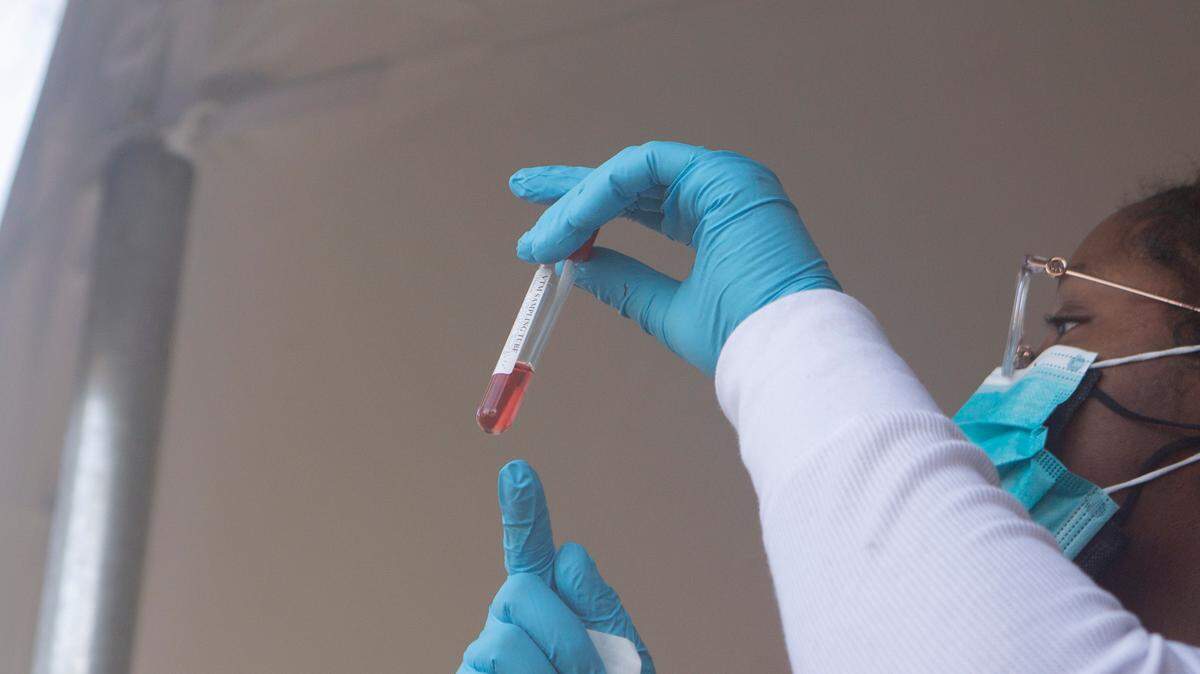
Columbus is facing a new surge of COVID-19 cases, according to wastewater testing and local health officials.
That’s not just the case locally. The United States is experiencing the largest summer surge of COVID-19 since 2022, according to the Centers for Disease Control and Prevention’s wastewater dashboard.
The CDC’s dashboard measures viral activity in wastewater, using 0% to indicate the lowest levels at any testing site and 100% to indicate the highest levels. Muscogee County is categorized in the “orange” zone by the CDC, which means viral activity in the wastewater is 60% to 79%, according to data collected from July 29 to Aug. 12.
While cases are increasing, West Central Health District spokesperson Pam Kirkland told the Ledger-Enquirer said the fluctuation in cases is expected. COVID hospitalizations are low, according to local health care officials.
“The CDC has classified COVID as endemic,” St. Francis-Emory Healthcare spokesperson Grant Farrimond told the Ledger-Enquirer in an email. “ ... Our residents should be mindful that it’s here to stay, similar to the influenza virus.”
An endemic virus occurs regularly within an area or community.
Although the CDC considers COVID-19 to be endemic, the Infection Prevention team at Piedmont Columbus Regional acknowledges that not all experts agree with this classification.
The team is still monitoring the current epidemic growth status for states on the CDC’s website, which shows the status in Georgia as growing.
“Viruses are constantly changing and evolving,” Farrimond said. “COVID is no different.”
How to stay safe during rising COVID cases
Residents should stay up-to-date on vaccinations, practice good hand hygiene and stay at home if feeling sick, officials said. People who are susceptible to respiratory illnesses should consider wearing a mask while in public.
Most people are reporting symptoms similar to a cold, the flu or allergies, according to Piedmont’s Infection Prevention Team. Complaints include a runny nose, sore throat, muscle aches and sometimes a fever.
“Check with your health care provider who may prescribe any medication for your specific symptoms,” Kirkland said.
People who test positive should remain at home away from others, looking for at least 24 hours of improving symptoms. They should also seek to have no fever without the use of medications before going out, she said. People with COVID should take additional precautions for five days, including good hand hygiene and respiratory etiquette, wearing a well-fitting mask, practicing social distancing, improving airflow in their home and testing regularly.
Anyone who starts to feel worse after resuming normal activities should stay home and away from others again for at least 24 hours with symptoms and no fever without medication, Kirkland said.
Afterward, they should take extra precautions again for an additional five days.
Patients of extreme ages, both young and old, and those with chronic medical conditions need to seek care from a medical professional, said the Infection Prevention team.
“Early treatment for COVID-19 or flu may prevent severe disease in people at higher risk, even if they are up-to-date with their vaccines,” the team said in a statement.
If someone is having any type of respiratory distress, like difficulty catching their breath or being short of breath, they should go to the emergency room.
Otherwise, people with COVID should rest, stay hydrated and monitor symptoms at home, officials said.
The CDC recommends everyone 6 months of age and older get the COVID-19 vaccine, Kirkland said. The 2024-25 vaccines are expected to be available this fall.
“Please consult with your primary care or family medicine physician on the most appropriate care plan to follow,” Farrimond said.