Hearing for Georgia Power’s data center energy request starts soon. What to know
AI-generated summary reviewed by our newsroom.
- PSC holds hearing to review Georgia Power’s combined 8.5 GW and 2 GW request
- Company seeks to expand system from 16,000 MW to 25,000 MW by 2031
- Docket centers on gas-heavy portfolio, battery targets, $15.66B price tag
In July of 2022, Georgia Power was given a thumbs up from the state Public Service Commission to go seek resource bids to power hundreds of megawatts of energy that were just approved in its triennial forecasting plan, called the Integrated Resource Plan.
That plan and the bids are for future agreements to give energy to Georgia Power customers beyond 2031, when current contracts expire. But the bidding process, in this case also called an “all-source RFP,” has gone on for a few years, and now changed 10-fold from a few hundred megawatts to 8,500 megawatts. Georgia Power says that’s because of data center growth.
And the state’s largest energy provider didn’t stop at needing 8,500 MW of new power. Two weeks after the July 2025 resource plan was filed, Georgia Power filed a request for between 1,500 and 2,000 MW of more energy, increasing that 8,500 to about 10,000 or 10,500 MW.
This “supplemental” 2 GW, along with the original 8.5 GW stemming all the way back from 2022, will be heard tomorrow by the five-member PSC. Georgia Power will testify in favor of its proposal and be cross-examined by lawyers to help determine whether the extra power is needed, and examine Georgia Power’s plan to source it.
The entire portfolio today for Georgia Power is 16,000 MW. The power company wants to increase it to 25,000 MW by 2031. Georgia Power wants to source the energy through a mix of battery storage and solar, as well as gas. The make-up of the proposed 10 GW is roughly 60% gas and 40% batteries.
Environmental advocates have concerns about cost and effects to the planet with this new request.
“(The 8.5 GW request) comes with a $15.66 billion price tag and includes Georgia Power building five new methane gas-burning power plant units at Plants Bowen, McIntosh, and Wansley,” according to Southern Environmental Law Center’s Communications Manager Terah Boyd.
The latest 1.5 or 2 GW (the total ask varies due to changes in winter and summer energy demands) asked for are called “Supplemental Resources” and would come online much sooner. The supplemental does not have to go through a formal IRP process, and can be certified right away.
“They do not have a publicly revealed cost and the cost ... is passed to customers’ bills,” Boyd said in an email.
Bob Sherrier, an attorney at SELC, will be representing Georgia Interfaith Power and Light and Southface in the hearings this week. They will cross-examine Georgia Power and PSC staff on Tuesday.
“Batteries are not a bad thing from a perspective of cost, it’s better than if it were all gas, but the scale of the gas is just absurd, they want to build five new units,” Sherrier said earlier this month.
Isabella Ariza is a staff attorney with the Sierra Club, who will represent Southern Alliance for Clean Energy. Ariza told the Ledger-Enquirer in addition to being a clean source of energy, batteries can use existing transmission infrastructure, requiring less transmission buildout and come online more quickly.
Georgia Power’s direct testimony filing has said that batteries can save time, leverage existing resources, and have reduced fuel price volatility exposure.
The “supplemental” resources includes 1,000 MW of battery as soon as 2027, according to Ariza. Just last year, Georgia’s first-ever battery plant opened 45 minutes north of Columbus in Talbot County last October. It supplies 65 MW of power.
Why is the Georgia PSC hearing multiple requests at once?
Explaining why both the all source RFP and the supplemental needs are combined this week, Sherrier called it a “mess.”
“Procedurally, it’s a mess, because most of (the bids) have gone through the right process, but not all of them,” he said.
Robert Baker, former commissioner (1993-2010), once sat in the chair for District 1, currently held by Jason Shaw. He said he’s seen a supplemental request before. He told the Ledger-Enquirer that Georgia Power has made supplemental requests in the past when they claim “unique circumstances or extraordinary benefits for customers.”
‘How many data centers are coming and how fast?’
Baker said he was “disturbed” by the testimony that the company’s director of forecasting and analytics gave on Sept. 17, citing a large-load pipeline of almost 50 GW, which is what is backing Georgia Power’s claim that the power requests are necessary.
In that same testimony, the forecasting and analytics director, Francisco Valle, stated 90% of the load projects are to serve data centers.
“The question of how many data centers are coming and how fast, that is driving this whole request,” Sherrier said.
Baker put the $15 billion “all-source RFP” certification request in these terms: “Georgia Power is asking for certification of the company owned project costs NOW rather than when they are completed and operational,” he wrote in an email.
“The real reason Georgia Power makes such ridiculous and outlandish claims is to get what they really want, which is much less than 50 GW of new electric generation capacity in this case,” Baker wrote. “This is a standard negotiating strategy the Company uses in all its rate and IRP cases is to ask for double or triple what they actually want and pretend to be devastated by the PSC’s decision to grant them 100% of their objective.”
Baker said this makes the PSC look “tough” because they stand up to Georgia Power.
Georgia Power called this testimony a “major milestone for the state’s energy landscape” in a press release late last month.
“As Georgia continues to grow, our planning and forecasting teams are working every day to review the latest economic trends and customer data in coordination with our regulators at the Georgia PSC,” Aaron Mitchell, senior vice president for Strategic Growth for Georgia Power, said in a news release. “These new contracts reflect not only the state’s economic momentum, but also our commitment to protecting residential customers while responsibly planning for future energy needs.”
The Commission does not have to agree to certify the supplemental or all-source bids, citing its cost effectiveness or market viability.
“The Commission can do whatever it wants,” Ariza explained. “Georgia Power has almost 5,000 megawatts of gas plants that they plan to bring online by 2031. The commission could say, ‘at least one of those can wait. At least 1,000 megawatts of those 5,000 megawatts can wait until the next IRP or a future RFP docket.’ I think that’s a realistic goal.”
Georgia Conservation Voters communications director, Paul Glaze, said the organization plans to make public comment during the public witness window with events following Wednesday morning’s testimony. Following the testimony, there will be a community gathering from 1:00 to 7:00 p.m. at Park Avenue Baptist Church.
During past public comment testimony, hundreds of Georgians have pleaded for commissioners to reject plans that use gas or coal, but that didn’t change the vote of the commissioners.
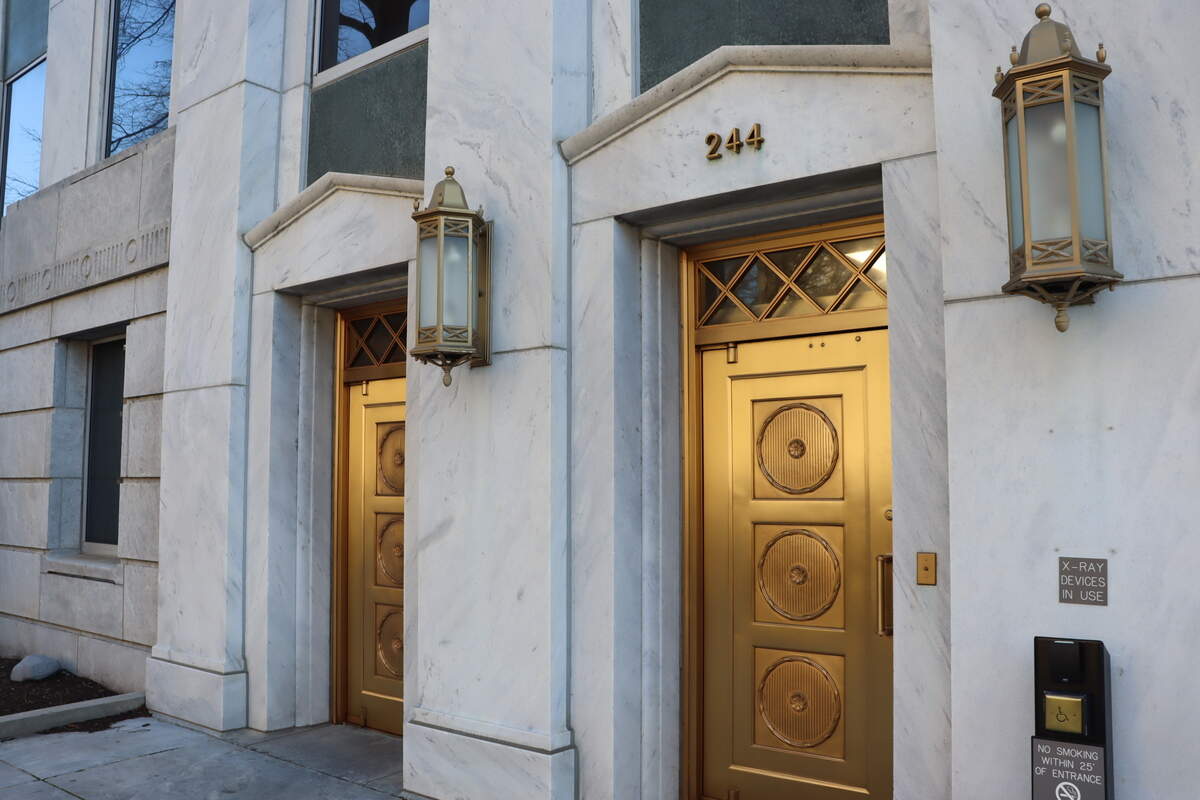
The hearings will be at 244 Washington Street SW in Atlanta, and can be livestreamed on the PSC’s YouTube page.
The schedule for the certification hearings are:
- Oct. 21-23: First hearing of Georgia Power’s testimony
- Nov. 12: PSC Staff/Intervenors file their testimony
- Nov. 26: GPC may file rebuttal testimony
- Dec. 10-12: Hearing from November testimonies
- Dec. 19: Closing arguments and PSC decision