Google gives $1M for Flint River watershed restoration project in south Georgia
About 35 acres of wetlands along the Flint River in south Georgia will soon get a boost from big tech.
Google is supporting a water stewardship and restoration project in Dooly County along the Flint River Wildlife Management Area with a $1 million grant in partnership with Ducks Unlimited, a nonprofit organization dedicated to wetland restoration.
The grant is part of Google’s commitment to responsibly manage water resources in communities where the company builds and operates data centers.
“We really want to help communities understand what responsible water use looks like to ensure success for a bright water future,” Ben Townsend, global head of infrastructure strategy and sustainability at Google told the Ledger-Enquirer.
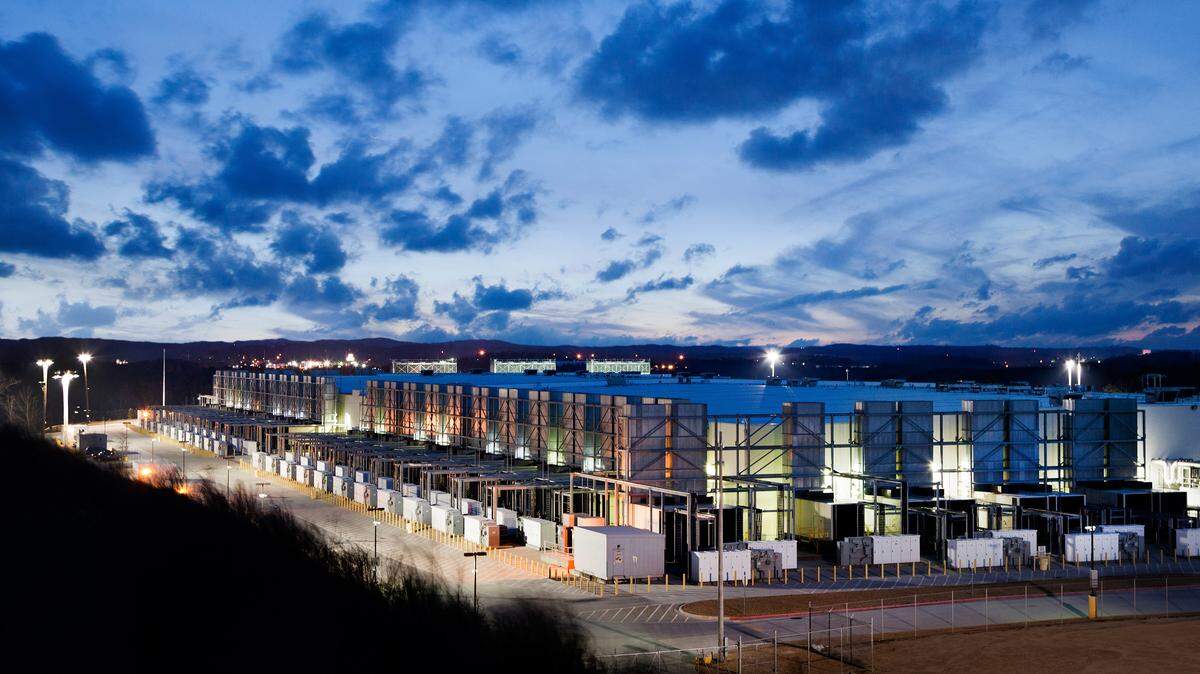
Data centers are heavy water users, generally, but utilize various water cooling methods. Google’s only data center in Georgia is in Douglas County, about 150 miles northeast of the Flint WMA.
The data center was built in 2007 and uses about 1 million gallons of water per day, 90% of which is reclaimed wastewater, according to Google.
The tech company’s next facility in the state, Project Pegasus in LaGrange, is expected to use up to 2 million gallons of water per day.
Townsend said this watershed restoration project in Georgia is one of 17 projects across the U.S. He called it a “blueprint” to guide the entire data center industry to being responsible water stewards.
“Water has remarkable power to dramatically reduce energy consumption and emissions — and we have to be thoughtful about how and when to use water,” he said. “We can’t put a community at risk because of data center ambitions.”
Five commitments were made in addition to the $17 million announcement that includes other states with a high concentration of data centers, like Iowa, Michigan, Minnesota, Missouri, Nebraska and Texas.
The commitments include: replenishing more water than consumed at sites by 2030; help modernize water and wastewater infrastructure; protect at-risk watersheds with air-cooled solutions; report water use transparently; and pursue freshwater alternatives like what is done with reclaimed water at the Douglas County center.
Fixing a poorly managed WMA
Georgians can expect a better and more protective wetland habitat and infrastructure upgrades at the Wildlife Management Area, according to project team leads.
“Currently, the project site has poor management capacity, with a large potential to improve it,“ Ed Farley, manager of conservation programs at Ducks Unlimited said.
The conservation organization will re-establish water perimeters and embankments to help waterfowl and river species.
More than 100 species of bird have been recorded at the Flint WMA, according to Farley.
The WMA also provides inland fishing and waterfowl hunting, adding additional recreation opportunities beyond Georgia’s coastlines, Farley said.
Townsend is excited about the announcement, and said the company is just getting started in Georgia.
“This project also supports the people and communities who depend on healthy water resources every day,” Farley said. “With Google’s partnership, we are helping expand public access, and ensure the Flint River continues to provide benefits for local communities and wildlife for generations to come.”