
To thaw or not to thaw, voters will have to decide
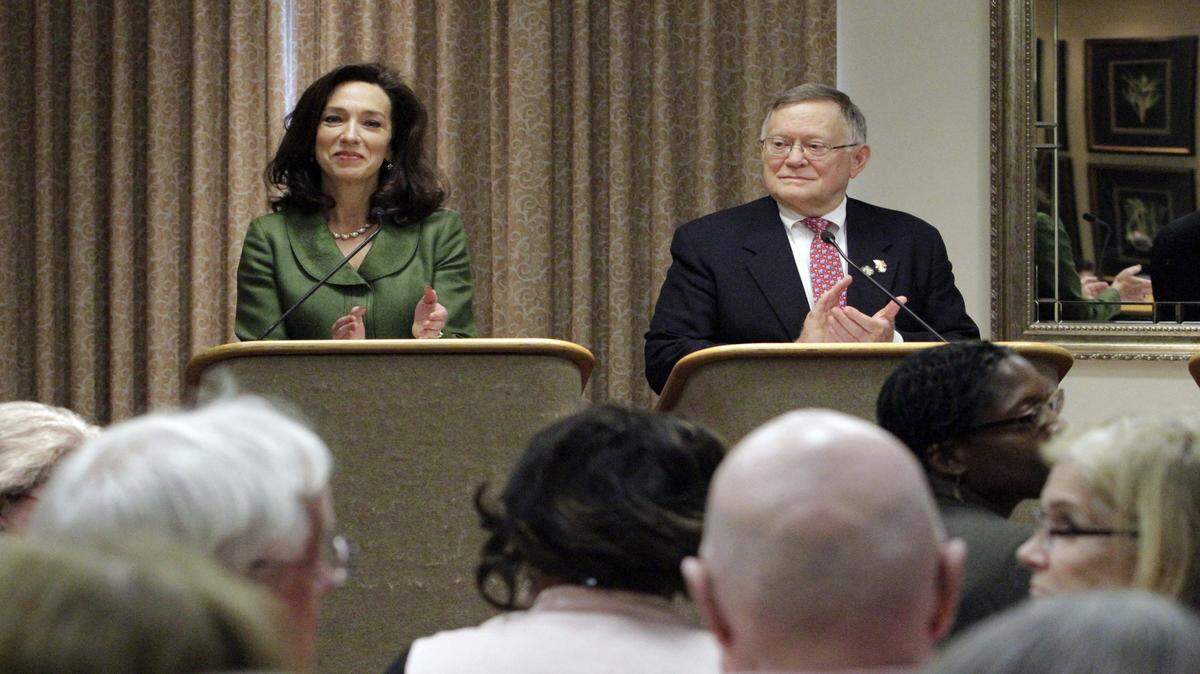
There is very little middle ground on the subject of Columbus’ 34-year-old property tax assessment freeze. Many love it, many hate it but few are indifferent to it, at least among homeowners.
In the early ‘80s, with rampant inflation and soaring property values, a group of citizens crafted the tax assessment freeze concept and got it on the ballot as a constitutional amendment. It passed easily, 73-27 percent and became law.
Since then, anyone who buys a home and lives in it with a homestead exemption lives under the freeze. As long as they own their home, its assessed value will remain the same. When and if the house changes hands, it is reassessed at current fair market value, then refrozen at that level.
Supporters of the freeze say it’s a hedge against inflation, protects those on fixed incomes and it keeps something of a lid on municipal spending.
Critics say it creates wildly unfair disparity in taxation that can see neighbors paying sometimes hundreds of times as much as the person across the street, it handcuffs the city government and is a burden on newcomers.
The freeze has been challenged at the ballot box and in the courts, but survived both times.
In the early 1990s, Mayor Frank Martin led a charge to have voters repeal the freeze, then just 10 years or so old. That effort failed spectacularly, losing by an 81-19 percent margin.
A decade later, opponents filed a legal challenge. Freeze opponents won an early victory when a Superior Court judge ruled it unconstitutional. But supporters appealed that ruling to the Georgia Supreme Court, which overturned the Superior Court ruling.
That ruling was appealed to the United States Supreme Court, which in 2003 declined to hear the appeal, effectively ending the legal challenge of the freeze.
Early in her six-year tenure in office, Mayor Teresa Tomlinson set her sights on the freeze, but in a different way. Instead of asking voters to simply abolish the freeze, which failed so thoroughly in 1991, Tomlinson proposed a referendum asking voters to “thaw” the freeze.
Under her proposal, should it succeed, current homeowners would remain under the freeze as long as they owned their homes. Once they sold their home or bequeathed it, it would come out from under the freeze and be placed in a more typical fair market value system that most communities use.
Homeowners who purchase their homes after Jan. 1, 2017 also would be in the fair market system. So eventually, all the homes currently under the freeze would change hands and the freeze would effectively have been thawed.
Tomlinson has been pushing her referendum in speeches, at forums and in debates with opponents. She says the freeze is holding Columbus back, stifling growth, discouraging newcomers and penalizing those who do move here.
Opponents say her proposal is unconstitutional and possibly threatens the freeze should it be challenged in court and be declared unconstitutional.
In the coming weeks leading up to Election Day, the Ledger-Enquirer will be taking closer looks at the various arguments for and against the Thaw the Freeze referendum. If you have questions you would like answered concerning the referendum, email them to mowen@ledger-enquirer.com.
Mike Owen: 706-571-8570, @mikeowenle
This story was originally published October 8, 2016 at 3:23 PM with the headline "To thaw or not to thaw, voters will have to decide."