
Will they leave? Will they stay? A tug of war burdens young LGBTQ people in Columbus
The clock is ticking for Ben Redding.
The 28-year-old Harris County native grew up in Columbus’ arts and theater scene. He left as a teenager thinking this Georgia town wasn’t a place for a gay man with big dreams.
But he’d find his way back, determined to make a difference. He and others have worked to create experiences and spaces more welcoming to the city’s LGBTQ population.
For decades, gay bars came and closed in Columbus. None remain. Some who lived in the city told the Ledger-Enquirer they didn’t feel comfortable holding their partner’s hand when walking down sidewalks. There were no spaces for them.
Now, LGBTQ people who’ve found their way to Columbus from smaller towns across the United States are surprised by how friendly the city is and think things will get even better.
Still, they say there is much to be done.
For some who left Columbus, drawn away by the military or some other force, they see Columbus as closed off and less accepting than their new homes in larger metropolitan areas like Kansas City. Others want to leave or have said goodbye to Columbus for economic reasons. They wanted higher-paid, high-skill jobs. Some just want to live in a place that is already more accepting of LGBTQ people.
This represents a challenge for changemakers in the Fountain City — to constantly push forward to keep people here and create safe spaces as Columbus and the rest of the nation becomes generally more accepting of LGBTQ people.
The city may soon create legal protections that could prohibit discrimination based on sexual orientation and/or gender identity in areas like housing and public accommodations. If it comes before the Columbus Council and is passed, Columbus could be one of only a few cities in Georgia with these protections.
“We’re here,” said Jacy Jenkins, the city’s new LGBTQ liaison. “We need more diverse things here. ... We need that. We want that.”
For others, it doesn’t feel like enough has changed quickly. They don’t think it will come, and the fight to carve out these spaces in a mid-sized southern city is draining.
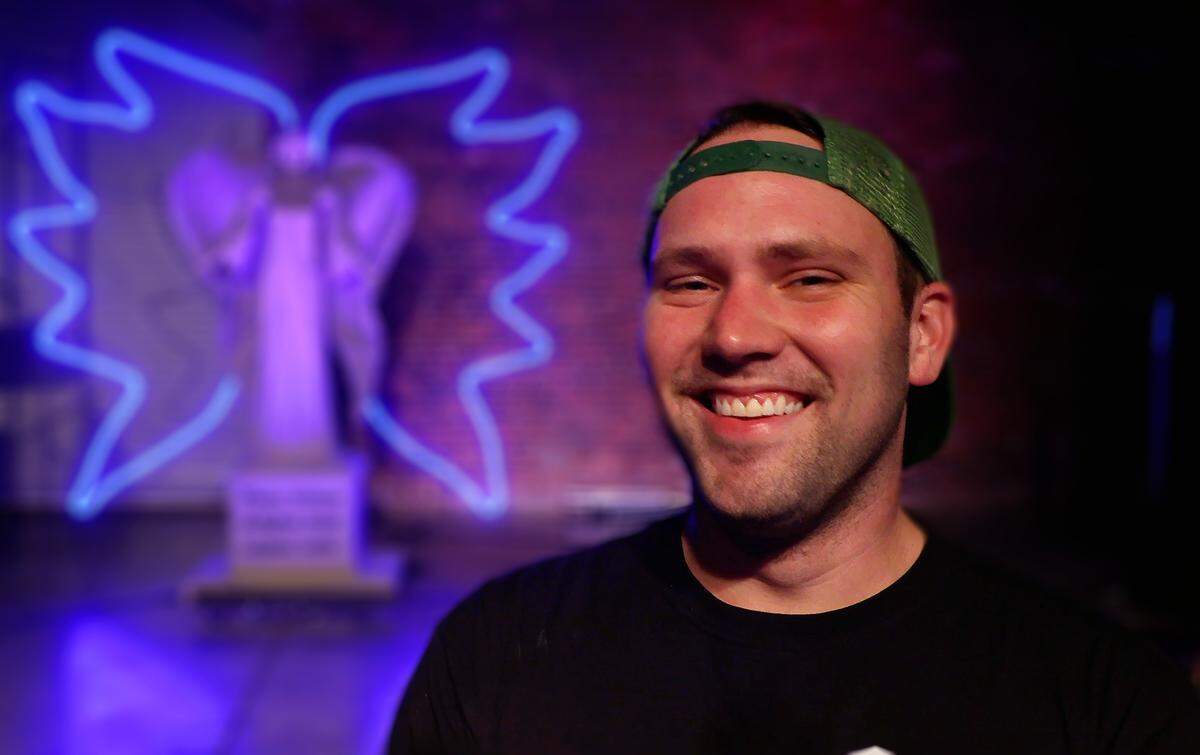
Redding feels that. He has his sights set on somewhere else. He’s said he’s likely to leave soon.
“I’ve got like a year left that I can feel like I can keep going,” he said. “I don’t think people who aren’t a part of my community see it.”
Redding represents many young LGBTQ people in his community where a tug of war lingers: Do millennials and Gen Z stay in Columbus and help be the change in the place they call home, or do they leave for larger, more welcoming and inclusive communities somewhere else?
Columbus is changing
Eric Triller, a 29-year old U.S. Army soldier, drives an hour and a half from Columbus to Atlanta nearly every other Sunday to take part in a powerlifting club. Most of the time, the sessions only last as long as his commute.
Triller is a member of the Fantastic Beasts LGBTQ Powerlifting Club. He first learned about the group from an Instagram ad as he was preparing to move from North Carolina to Georgia in February. Triller reached out, and they eventually invited him to come out and lift.
“I’d never done anything like that before,” he said. “I’ve been with them every other Sunday since. ...You can just be who you are there without somebody judging you or you being concerned about other people.”
Triller argues you can’t really compare larger cities like Atlanta to Columbus. There are things about his new city that he loves, like white water rafting and the coming Banks Food Hall. He said it’s an opportunity for people to spend an entire day or afternoon exploring Columbus without having to go too far.
Triller, who grew up in Vermont and said he’s spent a lot of time in small-town America, said Columbus shocked him a little bit because he didn’t expect to see the amount of LGBTQ visibility that he did moving this far south, like the frequent drag shows hosted at Cantina Grill, Bar & Lounge, a downtown Mexican restaurant.
“I’m pretty satisfied with Columbus right now,” he said.
That change has taken time.
Jeremy Hobbs, an activist and a former LGBTQ liaison for the city, has been here to see it firsthand in the past decade.
He was kicked out of his family home as a teenager. He began his advocacy work after being diagnosed with AIDS in 2003, and he founded the LGBTQ nonprofit group Colgay Pride in 2013.
When he was growing up, the gay bars were among one of the only spaces for Columbus’ LGBTQ residents.
“That’s basically been Columbus, Georgia history up until a certain point,” Hobbs, 45, said. “The clubs were basically it. ...There was no one to turn to. No one to talk to. Back then, we didn’t even have AOL.
“It was a horrible time to be coming out.”
Hobbs points to progress made under former Mayor Teresa Tomlinson’s tenure as a turning point. The city issued a proclamation for Pride Month for the first time in 2014, and she appointed Hobbs as the city’s first-ever LGBTQ liaison, he said.
Things still need to improve, Hobbs said. People looking for good jobs often don’t find them here, eventually resulting in them leaving.
“I think Columbus is a lot better than a lot of places out there,” he said. “It ain’t no Atlanta, but at the same time, we aren’t Lumpkin or Cusseta. ...You can make a difference here.”
What could Columbus do differently?
Triller has his own ideas about what might help Columbus, pointing out three things the city can continue to work on for its LGBTQ residents.
Businesses offering a visible sign of inclusion for LGBTQ customers. Triller said he doesn’t mean a store has to fly a large rainbow flag out front, but possibly posting signage in a window that says all are welcome. Hobbs, the former LGBTQ liaison, is currently working on getting free “We Serve All” stickers distributed to businesses across Columbus, he said.
Creating safe spaces for Columbus residents to express themselves.
Trying to better understand and empathize with the LGBTQ community as a whole.
“You want to be able to incorporate any type of ethnicity, any type of culture, any type of sexual orientation, any type of age, any type of gender and have people benefit from all those to be able to create Columbus,” he said.
Triller also has ideas of creating a friendly space of his own. In a perfect world, he would bring an LGBTQ powerlifting club to Columbus, but he says he’d need help.
“I would love to do that,” he said. “I wouldn’t travel to Atlanta if somebody somewhere said, ‘Hey, I’ll go in with you on this.’”
He’s been in conversations with local gyms, but Triller said he realizes it’s a process to get something like that started. He’ll likely be in Columbus for another year before being sent somewhere else. But he said he’ll be coming back.
“I’m very excited to see where the future of Columbus is going,” he said. “I want to see where they are in three years. … It’s going to take time and it’s going to take those inches to create that mile.”
Columbus won’t be home for some LGBTQ people
Brandon Mays, 29, tried to create a space like Triller described.
Mays briefly taught yoga, including one class marketed towards gay men, at the Art of Yoga studio in downtown Columbus. Several people reached out to Mays telling him that they wanted the class.
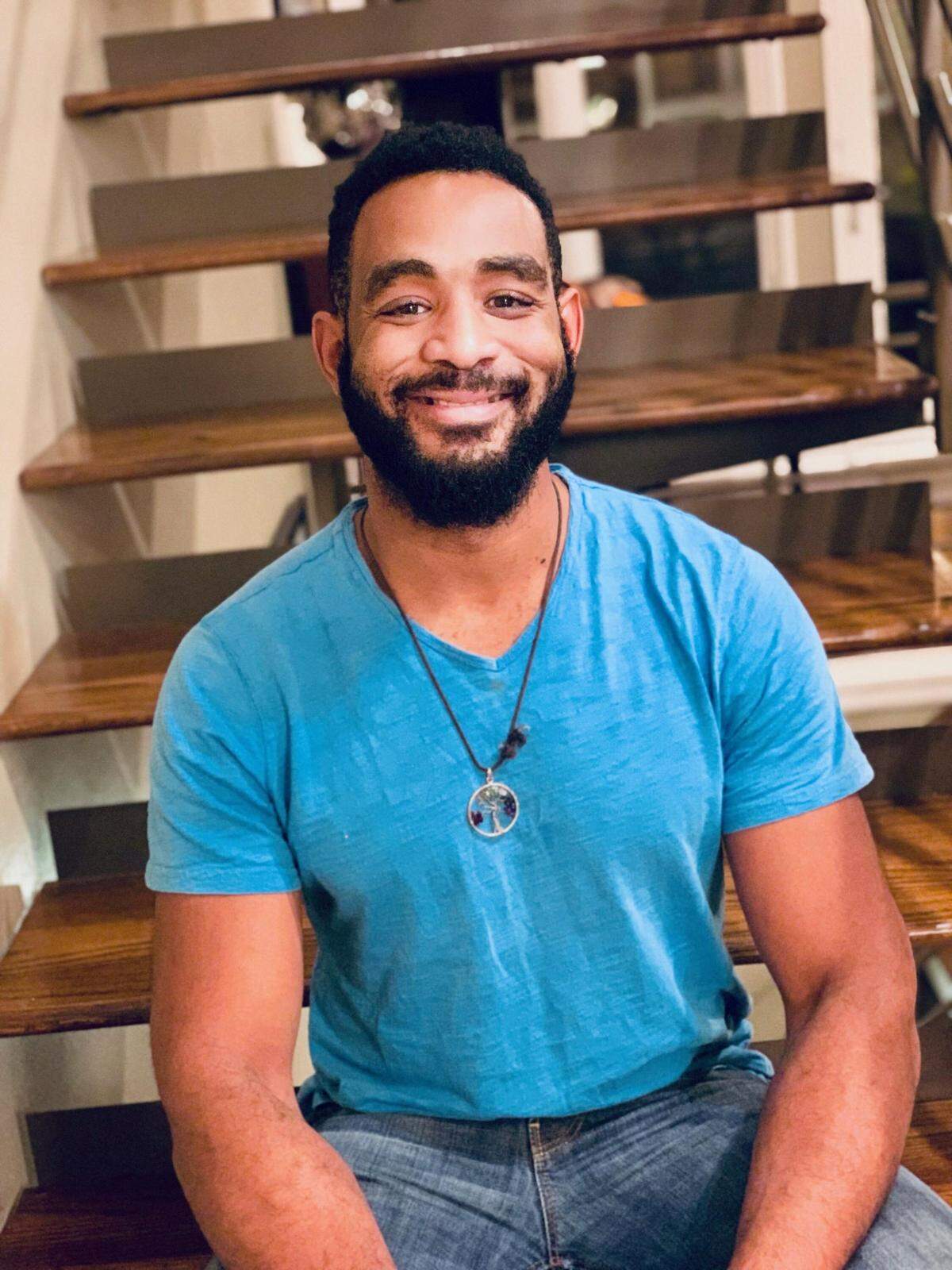
“The idea wasn’t even mine,” he said. “I was just responding to someone in the community, and we just got the ball rolling on it.”
Mays didn’t have an image for how the class would function at first. But as he got to know the men who came, Mays started making changes. He went from typical calm yoga music to songs played by “gay icons and divas,” Mays said.
“It was the highlight of (a couple of the guy’s) weeks,” he said.
He moved to Columbus from nearby LaGrange, Georgia, in 2009 after graduating high school, and studied music at Columbus State University. He spent much of his time downtown, and the music and art students he hung around made him feel safe and welcomed. There were a few gay clubs to visit then, too.
His experience in Columbus was different from his hometown. He was outed during his freshman year of high school. He never felt like he was in danger, but he also didn’t feel accepted in LaGrange.
“My personal experience in Columbus felt a lot safer as a gay man,” he said. “It doesn’t have the gay community that a larger city has, but I definitely felt a lot safer there than in a small town like LaGrange. ...I didn’t feel like I had to worry about being out or expressively gay because it wasn’t something new to downtown Columbus.”
Mays married an Army soldier in May, and the men have moved just outside of Kansas City, Missouri. The much larger city’s LGBTQ residents are more visible, he said.
“There is so much more in Kansas City to do,” he said. “There are gay clubs, gay restaurants. ...There’s a huge gay men’s chorus. ...For June, the whole damn city was a rainbow.”
But the lack of institutions isn’t just a size problem, Mays said. Georgia cities of comparable population sizes to Columbus have bars, resorts or other LGBTQ-focused businesses like Augusta’s Parliament Resort. It’s not necessary, but Mays said it would be nice for Columbus to have some of those things.
“I could never quite put my finger on it,” Mays said. “But there’s something about Columbus. ...It just seems like any time something comes up, it doesn’t last. ...I’m not sure what to do to change it. I’ve been wondering that for 10 years.”
Mays said the city is becoming a cool place to live, but he doesn’t want to come back to Columbus.
“I never saw myself really settling down as a gay black man period in a middle-sized Southern city for a lot of reasons,” he said. “Having been here, we’ve rapidly become a part of … the gay scene (in Kansas City).”
LGBTQ changes for the better
Some are working to correct some of those problems, and a good portion of that debate centers around the creation of inclusive spaces and experiences for LGBTQ people in Columbus.
Gay bars throughout America and abroad have closed in recent years.
Hornet, a news website devoted to coverage of LGBTQ issues, says several factors have contributed to the loss of gay bars in American cities. One operating theory suggests LGBTQ people have gained greater acceptance from families, coworkers and society at large. Therefore, some don’t need to seclude and cloister themselves.
Still, there are problems. In cities like Chicago and San Francisco, gentrification caused some bars to close. Some patrons found smaller gay event spaces or mixed-sexuality bars. But immigrants, people of color and working-class LGBTQ residents sometimes find the newer spaces unwelcoming.
“There’s less need for queer-specific spaces in a city like Washington D.C. where almost every bar and restaurant hangs up rainbow flags, if not all year, at least in June,” wrote Phil Reese for online news website LGBTQ nation in 2017.
But in cities and towns like Columbus, there’s still a dire need for LGBTQ-specific spaces, and it became the topic of conversation in May during a regular “Meeting of the Minds” event at POP UPtown, Jenkins said. She also owns the event space.
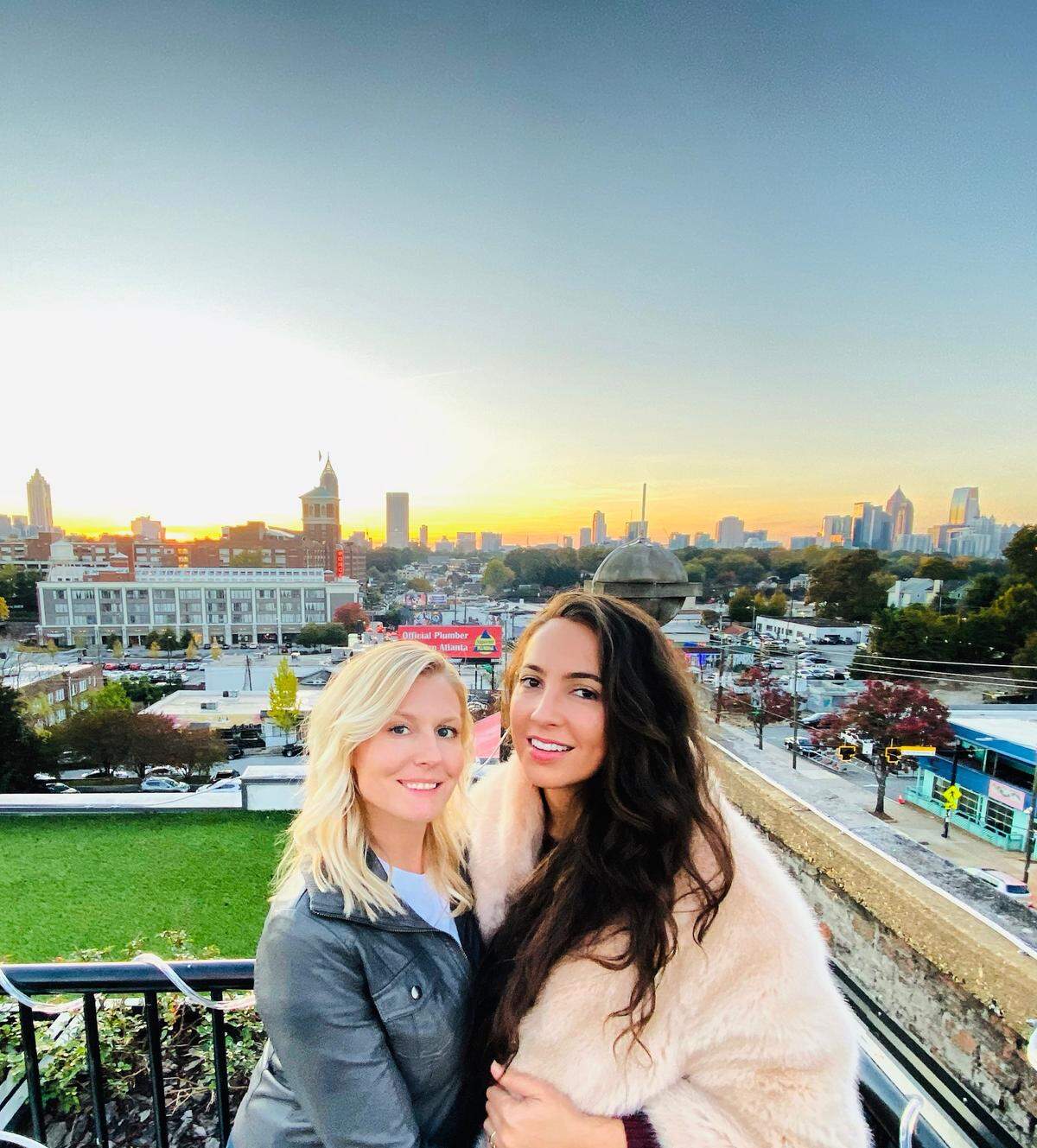
There have been two happy hour events hosted at the venue where discussion about LGBTQ-friendly places came up. One was hosted in partnership with Young Professionals of Columbus, Georgia. The events were targeted to members of Columbus’ LGBTQ community and business owners who want to create a friendly environment or for people “just looking for awesome drink specials,” Jenkins said.
Jenkins reached out to TSYS, Synovus, Aflac and other Columbus corporations when putting together those meetings. TSYS, now Global Payments, sent their diversity officer, Gail Burgos, to speak. Those businesses were aware that they need to keep these residents here and attract new ones, Jenkins said.
“It was interesting to see that they were thinking about this. This is an economic impact,” she said. “Some are a little further ahead. There are some people who might not see it as much as a priority. ...But it’s on everybody’s radar.”
Jenkins has approached the issue broadly by tying the fate of Columbus’ economic present and future to the state of its LGBTQ community, she said.
“We have a missing demographic that we can’t recruit, and we definitely can’t retain because they aren’t happy here if they don’t feel like they have a place. Who would be?” she said.
Jenkins herself left Columbus for a brief period with her now-wife, Cora King, to live in Savannah in late 2010. She was running a business in Savannah and returned to Columbus for the fall after spending the summer in Europe.
She rented a place downtown and loved it. But the business called her to Savannah, and the couple felt like they couldn’t be themselves in Columbus.
While Savannah was more welcoming, it didn’t feel like home to Jenkins and King. Jenkins felt called back to Columbus when the dams were destroyed and the city’s urban whitewater course was created.
“It was weird,” she said. “We had a lot of opportunities here when we moved back. ...We felt pretty loved and accepted.”
Still, some of the motivation to create inclusive spaces stems from Jenkins’ own experiences in Columbus. She said she still hasn’t felt like she could be open in public with her wife in Columbus for the past decade.
At times when the couple went out, they’d often become a spectacle, and public displays of affection invited unwanted attention.
“When we show affection, we get 10 bros looking at us, and then they get closer,” she said. “We could hardly be affectionate. We just wanted to be able to be together. I don’t feel free to express who I am. ... It has gotten better.”
Most of the now-shuttered gay bars in the city were open only a year or two before closing. There’s a concern, Jenkins said, that the label of a “gay bar” or space might divide folks.
Past failures might deter someone with the means from opening a bar or space like that. In a perfect world, the city would have a space that’s inclusive for all. There’d be no need for a label, she said.
“We’re not there yet,” she added.
But until then, the community has Jenkins’ meetings and occasional happy hours. People are creating inclusive spaces within existing businesses. She tends to approach the topic like this: What if you were straight but all the bars in the city were gay bars? Would you want a straight bar?
“That flipping it is how I’ve gotten through to some people,” Jenkins said. “It’s like they don’t get it. ...This is part of the conversation we’re having for why this is a space that is important for us.”
Raising equality score a priority
Jenkins took over as LGBTQ liaison from Jeremy Hobbs a few months ago. A big goal includes continuing to raise Columbus’ Municipal Equality Index score. The index, published by the Human Rights Campaign, measures “ how inclusive municipal laws, policies, and services are of LGBTQ people who live and work there,” according to the website. It was 36 in 2018 but recently rose to 61.
The city doesn’t have laws in place to prevent discrimination related to public accommodations, housing and employment based on sexual orientation or gender. Neither does the state of Georgia. Benefits offered to city employees don’t include transgender-inclusive healthcare benefits, according to the score.
But Columbus does have a contractor nondiscrimination ordinance in place, and nondiscrimination protections in city employment. The city’s leadership was given 4 out of 5 points for its public position on LGBTQ Equality, according to the Human Rights Campaign scorecard.
It isn’t the end-all, be-all, but it is something tangible, she said.
“We need those little wins,” she said.
City leaders, including members of the City Attorney’s Office; the human resources department; Jenkins, the LGBTQ liaison; and District 8 Councilor Walker Garrett, are working to craft a local nondiscrimination ordinance. It’s in the early stages, said Columbus Mayor Skip Henderson.
“We do have a group looking at what other communities have done successfully,” Henderson said. “Hopefully, we can have something we can take to (the Columbus Council) by February … A lot is going to depend on what we get from the other communities. It’s something we are working on aggressively.”
Only six other municipalities in Georgia have full protection local nondiscrimination ordinances in place, according to the Movement Advancement Project, a nonprofit think tank. All are in the Atlanta area. They are:
Atlanta
Chamblee
Clarkston
Decatur
Doraville
Dunwoody
“Columbus works very hard to make sure it is welcoming to everybody,” Henderson said. “We work hard to unify this community. ...It is unity that is the muscle of the community because if you don’t continue to exercise it, it will atrophy.”
What will make LGBTQ people stay in Columbus?
Others who call Columbus home and are working to make changes feel frustrated that more hasn’t changed.
Luis Hernandez, a server at the Cantina, rents out the Mexican restaurant and bar at night and organizes drag shows there almost every other week. Candy Ohara, a longtime LGBTQ activist, hosts the events.
Hernandez, 29, who is originally from Mexico and moved to Columbus as a child, started the shows in 2019 in an effort to bring entertainment to a city without a gay bar.
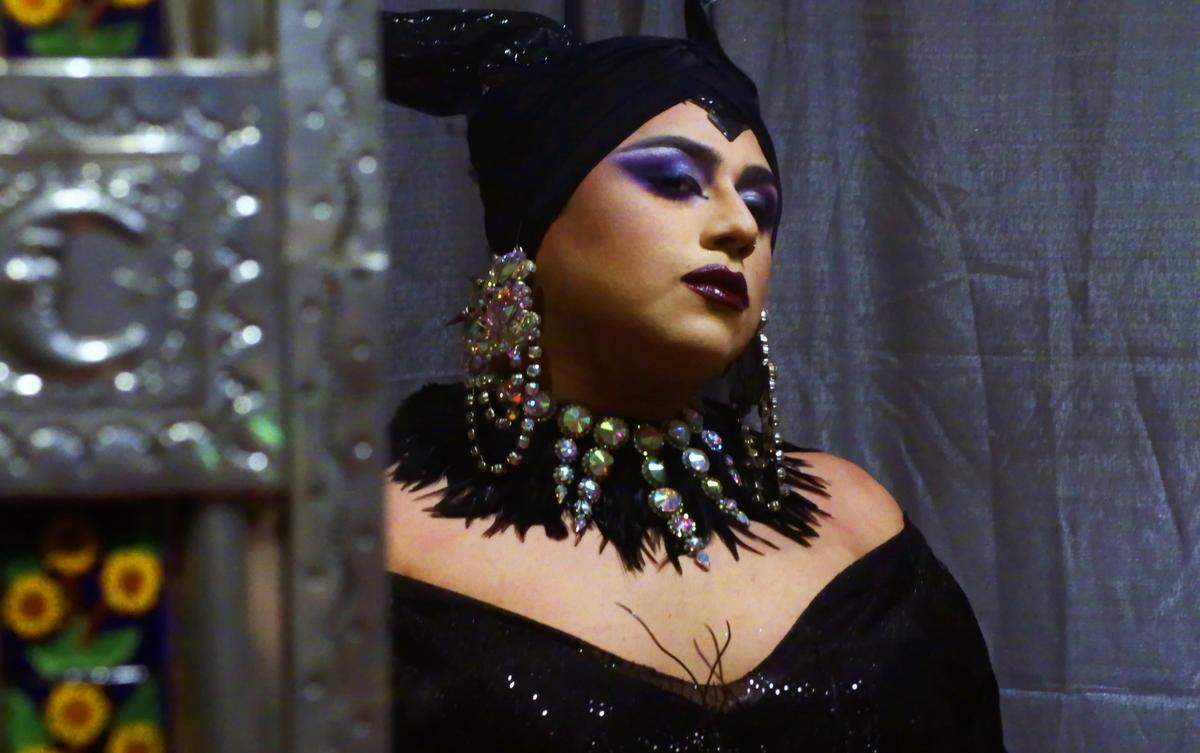
“I thought it was important to have a staple place to have a drag show where everyone could come and just be themselves and be free for at least one night,” he previously told the Ledger-Enquirer. “I was just hungry for drag.”
In spite of carving out of these spaces, he has expressed a desire to leave Columbus. He feels left behind as friends over the years have come and gone.
“I remember when I was younger there were so many gay people in Columbus, and they started moving away as soon as they could,” he said. “People just come here for a minute and leave. ...It’s not fresh. It’s not exciting.”
He said he could see himself coming back but he wants to go out and explore. What could get him to stay? If he was able to buy and operate his own business, he said.
“My thing would be to have financial stability,” he said while sitting at a table outside The Cantina. “I would love to buy this place.”
But that dream won’t be something he thinks he can accomplish for several years. He’d planned to leave Columbus in May 2020 to explore other places. However, the success of recent drag shows made him change his mind. For now, Hernandez will remain in Columbus until at least some time in 2021.
“At the beginning, I wasn’t sure where this was going to go. It was kind of up and down. The last few shows were really good,” he said. “That motivated me to stay here and do bigger things and work more for the community.”
Redding moved back home to Columbus from New York and recently started the Muddy Water Theatre Project in Columbus with friend Austin Sargent. While Sargent told the L-E he plans to stay in Columbus and grow with the city, Redding said he feels isolated and frustrated with the current state of Columbus’ LGBTQ community.
“I’ve had multiple interactions with people where I’ve overheard people dropping the f-bomb. ...I could live in so many other places in the country where the whole bar turns around and (stops that),” he said. “How many more days, months, years am I gonna continue to invest in a community that can not go out on a limb and invest in me?... There’s not a space where I feel comfortable.”
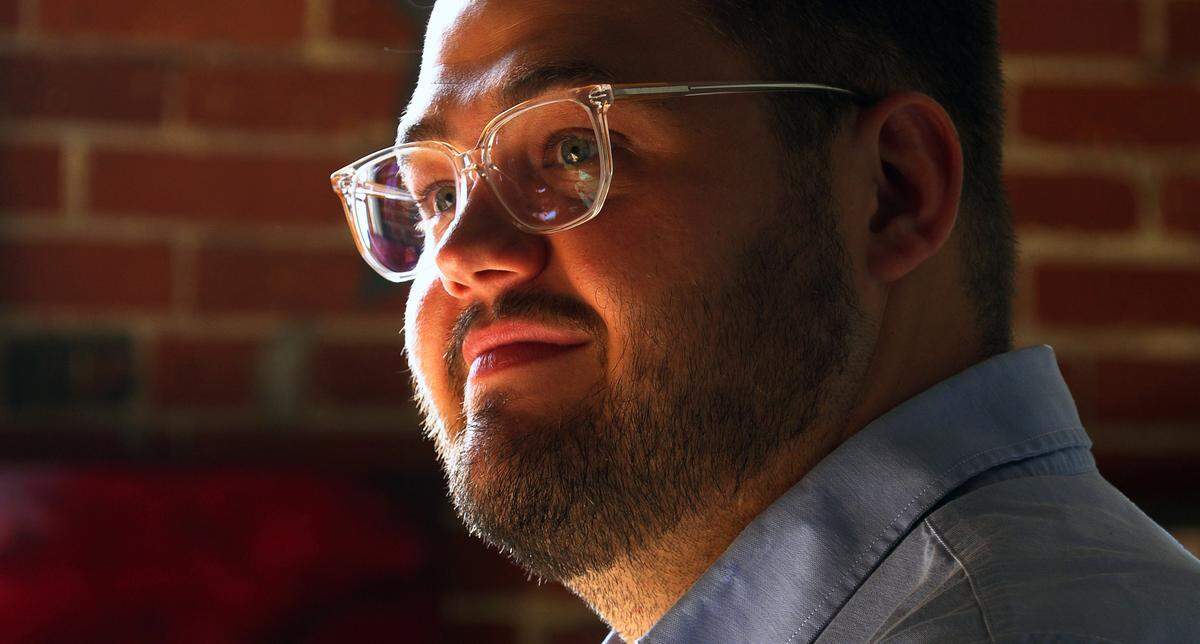
But what would it take for Redding to stay? He said he needs to see people in power — those with political influence, money and social status — going out on a limb to attempt to make a difference.
“I think if I was not the only one in a community meeting that’s like advocating for LGBTQ+ rights, little signs like that would add up,” he said.
A nondiscrimination ordinance, depending on its verbiage and implementation, is one of those signs.
“That would be awesome,” he said.
This story was originally published January 6, 2020 at 12:00 AM.