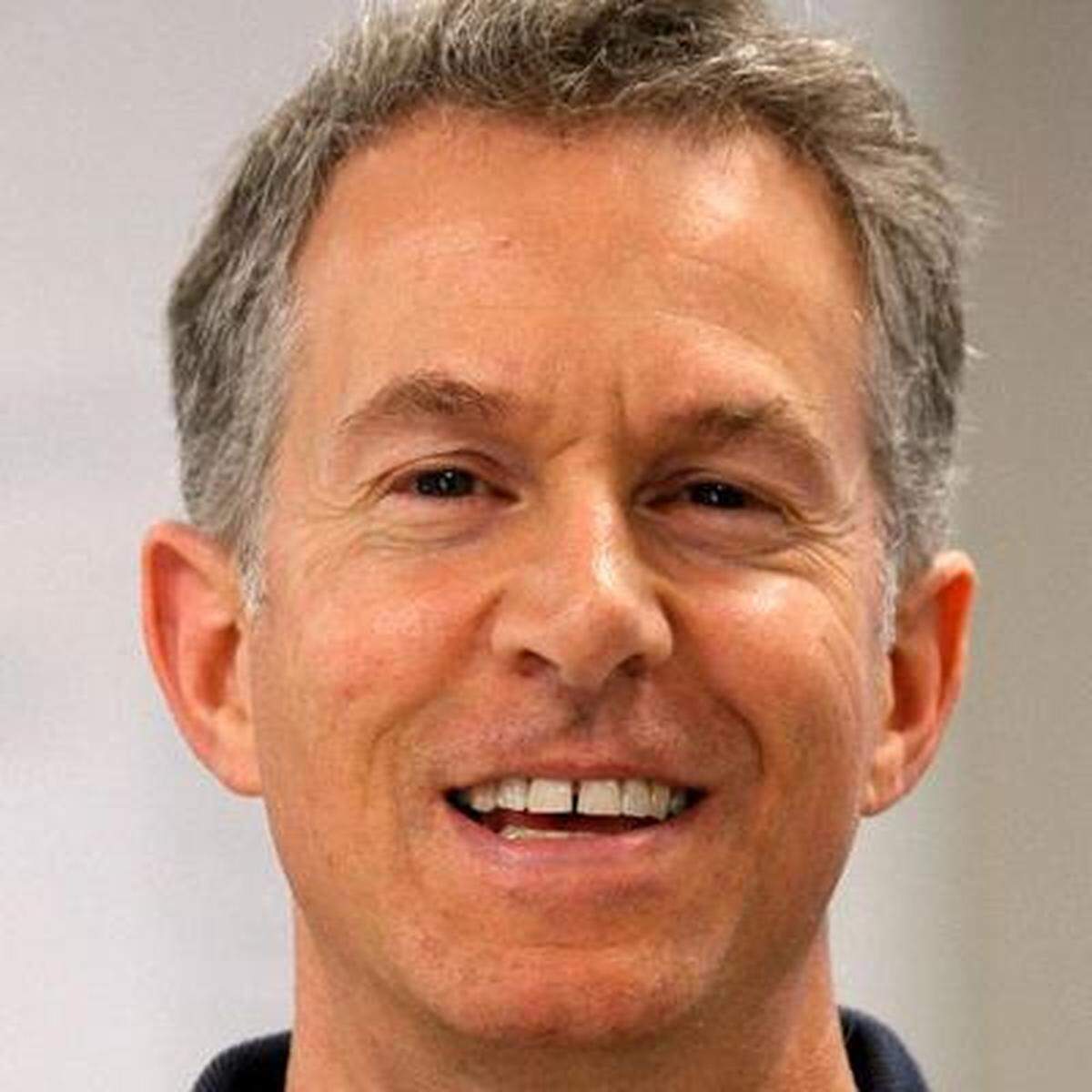
Army colonel with ties to Columbus talks about his role as spokesman of mission to defeat ISIS
If you follow news about the U.S. military’s involvement in the Middle East, you probably have read or seen a name familiar to Columbus residents being quoted by media outlets.
Since he was deployed from Fort Hood, Texas, in August, U.S. Army Col. Myles Caggins III has been the communications director and spokesman for the combined joined task force of approximately 10,000 troops called Operation Inherent Resolve, the multinational military mission to defeat ISIS in Iraq and Syria.
Nope, he isn’t the retired Col. Myles Caggins Jr., who was the operations chief for the Muscogee County School District.
Yep, they are father and son.
In an emailed Q&A with the Ledger-Enquirer, Caggins III explained what it’s like to be in the spotlight amid such a tense situation with so many people having so much at stake.
Here are excerpts from that interview, edited for brevity and clarity:
Circumstances have meant that you’ve been quoted in the news a lot lately. What’s that been like for you?
“I’m a words warrior. I’ve prepared for this formally and with self-study for several years. Fun fact: With assistance from interpreters and coalition colleagues, I’ve tweeted in nine different languages. Readers are invited to follow @oirspox.”
Have folks who know your Columbus connection contacted you after seeing you quoted in the media? If so, what has been their reaction?
“My parents, cousins and their friends form the core of my supporters from Columbus. I’m quite thankful for the flood of greeting cards, particularly from the Edgewood Church of Christ. I know that many veterans and retirees follow the news closely and are cheering for U.S. troops. On my next visit to Columbus, I’ll need to set up a lunch at Ed’s Southern Cooking or Ezell’s to give the retirees the inside scoop on the fight against ISIS and dealing with the media.”
What’s the worst part about your position?
“We are in an information age, but sometimes our military overlooks the importance of public information as a weapon, because we have sophisticated war machines like B-2 bombers, F-35 jets, M1A2 tanks and aircraft carriers. Information is free, and our adversaries use physical military maneuvers and kinetic attacks to exploit the information environment. Oddly enough, technology is my team’s biggest limitation. In the world’s most powerful military, my photographers have to go through cheetah flips to get photos and videos uploaded online. The solution to competing in information warfare is in our pockets and purses: smartphones with worldwide data plans.
“Daily, I try to instill a culture of communication from the commanders through the most junior soldiers. If I were king for a day, all soldiers would post pics of their daily lives on Instagram and we’d have persistent media embedded with the troops. Each soldier has a great story to tell of why they serve and what they do. America and the world should hear more of these stories.
“The saddest thing I’ve done in my career is write condolence messages for troops who’ve perished in combat and accidents at home station.”
What’s the best part about your position?
“It’s a great honor to represent the 81 members (76 nations and five international organizations) of the coalition. No two days are the same, and we’re always looking for new ways to ensure the world sees the great effort of the coalition and our Iraqi security forces and coalition-aligned security forces partners in Syria.”
What’s a moment when you felt you made a significant difference as the coalition’s spokesman?
“Our goal is to dominate the information environment with weaponized truth. Seeing my troops smile when their photos, videos and press release gain traction on social media or in the news gives me a sense of pride.
“… Earning the trust and respect from my colleagues in the Iraqi security forces and Syrian Democratic Forces was important. Sharing messages with them on Twitter and WhatsApp let’s me know that we’re making a difference.
“Oh, one time I was in Erbil, Iraq, and it was totally unexpected to be recognized by the public who had seen one of my press conferences.”
What’s the most surprising thing you learned about the Middle East that folks without your experience might not realize?
“People in Iraq and northeast Syria share many cultural similarities with folks in the southern United States: family comes first, they love to socialize around good food, and before they do business with you, they want to get to know you on a personal level.”
How did you become the coalition’s spokesman?
“After completing the National Security Fellows program at Harvard’s Kennedy School of Government, I was assigned as director of public affairs for III corps and Fort Hood, Texas. III corps and XVIII Airborne Corps have swapped the leadership for this coalition since 2015; this deployment is just part of my duties of supporting the commanding general.”
This story was originally published November 26, 2019 at 11:53 AM.