Harris Co. man’s chance for kidney transplant was taken away, but a tragedy gave him new life
Freed from the four hours of dialysis he endured three days per week — totaling more than 8,500 hours — a 50-year-old Fortson resident gushes gratitude for the blessings he received through his four-year medical journey:
Not only a new kidney for a hopeful path toward health but also a sweeter appreciation of the loving support from family and friends in Columbus, Harris County and beyond.
“It has been awesome, amazing and mind-blowing,” Brian Moushon told the Ledger-Enquirer.
In a two-week period from late March to early April, he went through a roller-coaster of emotions.
From the elation of hearing he would get a new kidney, to the devastation of the chance being taken away the next day.
From the sadness of hearing that a family friend had died in an accident to the gladness of realizing the tragedy at least would birth new life for him and others.
Kidney failure
Hypertension killed his kidneys, Brian said, but he mentioned another factor — a cautionary one — for needing the transplant.
“The main reason was my own fear,” he said. “I thought, if I dug a hole in the sand and buried my head, it would go away.”
Brian has battled high blood pressure since 2002. Despite his maternal grandfather dying from kidney disease and his mother, a registered nurse, urging him to seek treatment, he refused for more than a decade.
“I didn’t listen like I should have,” he said. “I was scared to death. I was afraid. Fear is the biggest thing we have to overcome in our lives.”
His condition became critical in 2015.
He was lethargic. He would fall asleep anywhere throughout the day. His mind felt foggy. He had bouts of gout, a painful inflammation of joints caused by excess uric acid, possibly due to malfunctioning kidneys.
“I just did not feel good,” he said.
Brian’s wife, Barbara, recalled how the doctor described his kidneys.
“They were both blown, as if they had each exploded,” said Barbara, the Certified Literate Community Program director at Columbus Technical College.
According to the National Institutes of Health, the body’s two kidneys are bean-shaped organs, about the size of a fist, one on each side of the spine and just below the rib cage. Kidneys remove waste and extra fluid from the body. Without them properly working, nerves, muscles and other tissues can break down.
Like other organ transplants, kidneys can come from deceased donors, but they also can come from living donors because the body is able to function with only one kidney.
Brian likened this anatomical wonder to an insurance policy from God. But not enough folks are willing and able to be living donors. Two-thirds of the 17,107 kidney transplants in the United States in 2014 came from deceased donors, according to the latest statistics from the National Kidney Foundation.
Family and friends weren’t eligible to be donors for Brian because they didn’t match the criteria, including blood type, tissue type and health condition. Barbara received six calls from prospective donors who saw the “My love needs a kidney” decal on her car, but none of those worked out.
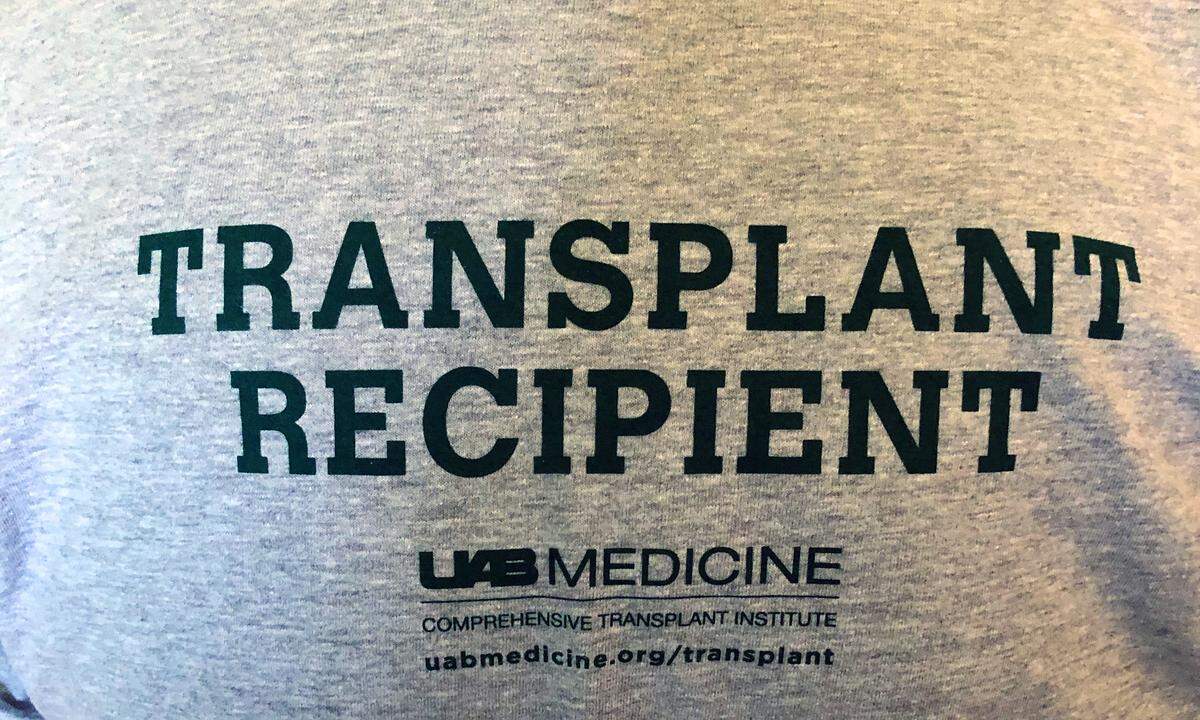
So, in 2016, Brian was put on two kidney transplant waiting lists, one at Emory Healthcare in Atlanta and the other at UAB Hospital in Birmingham.
The median wait time for a new kidney is 3.6 years, 4,761 patients died while waiting for a kidney transplant, and another 3,688 became too sick to receive one in 2014, according to NKF.
“I was very anxious,” Brian said, “but believed things would happen in God’s time.”
To speed up that time frame, Brian had to lose a lot of weight. He was considered morbidly obese, carrying 344 pounds on his 5-foot-10 frame. He needed to weigh less than 240 to be eligible for a new kidney.
Brian changed his diet, but his medical condition meant no exercising. Surgery at Emory in August removed two-thirds of his stomach and inserted a gastric sleeve to help lose weight.
He got down to 199 — reducing his waist by 13 inches and dropping four shirt sizes.
All he needed next was that vital phone call.
First chance
March 26, while talking on the phone with his father, Brian got a call from the Birmingham area code.
“I knew it was UAB,” he said.
The transplant coordinator told Brian they had a kidney available from a deceased donor who was an excellent match. His surgery was set for the next day.
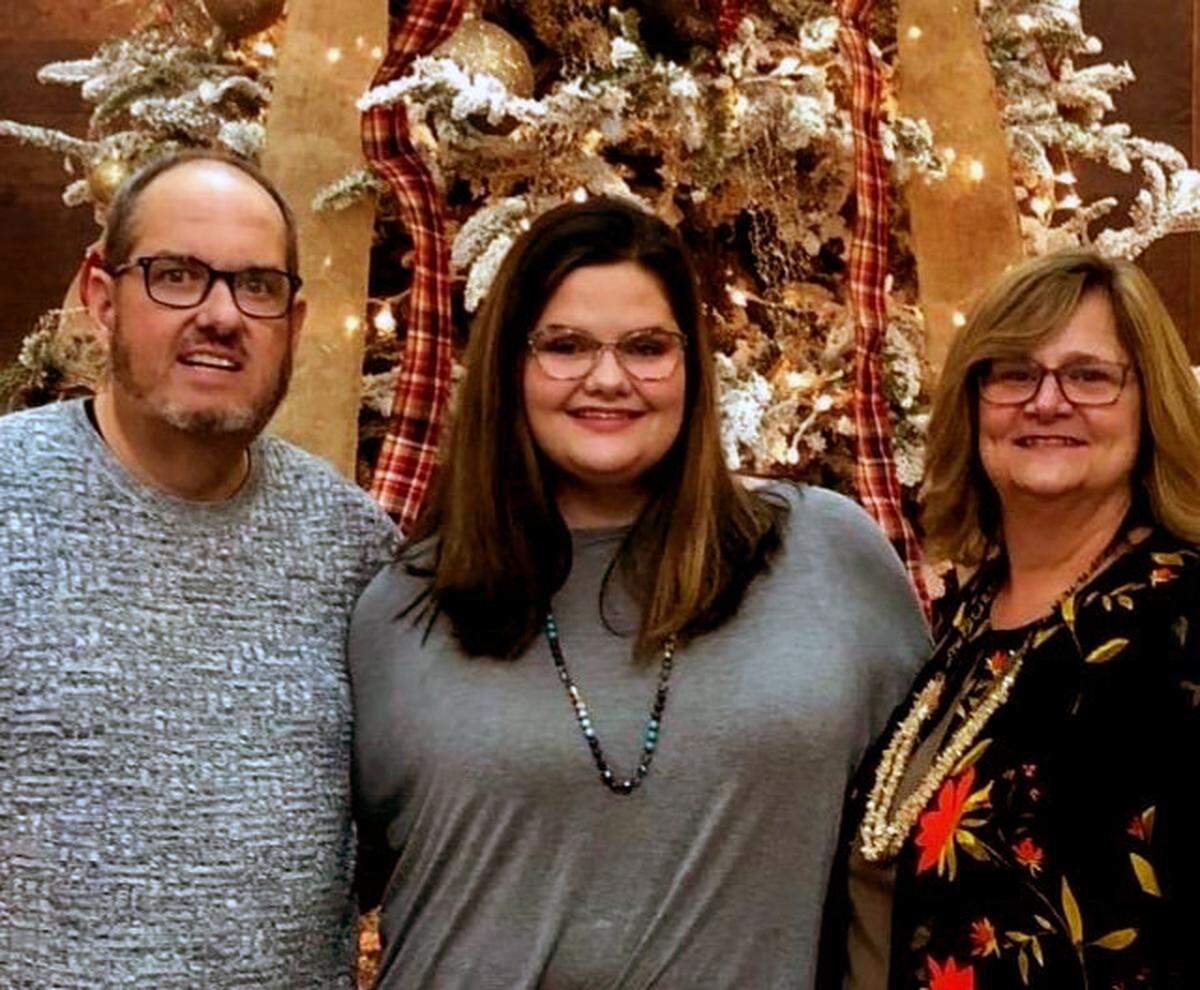
“I was thrilled and in disbelief,” Barbara said. “He was jumping up and down. We all were.”
Brian, Barbara and their daughter, Victoria, a nursing student at Columbus Tech, drove that night to Birmingham.
“I felt like a 7-year-old child going to Disney World the first time,” Brian said.
COVID-19 restrictions prevented his family from going into the hospital with him.
“It was sad and lonely,” Brian said. “I had no support system watching out for me. I was surrounded by strangers — kind strangers but strangers.
“I worried that I would not get to see Barbara and Victoria and worried that we missed a chance to say goodbye if something went wrong. I hear about these poor souls dying all alone in our hospitals. I can tell you the loneliness is horrible.”
The next morning, horrible got worse.
Brian already was prepped for the procedure when the surgeon told him the kidney he was waiting for would go to someone else, someone who needed a kidney and a liver.
“Disney World disappeared,” Brian said. “… All that elation and excitement went to despair.”
After returning home from dropping off Brian at the hospital, Barbara was asleep for only three hours when Brian called and broke the news to her.
“It was so sad,” she said, “but our faith told us it was not meant to be.”
Life expectancy on dialysis depends on other medical conditions, according to the NKF, with the average being 5-10 years, although many patients live for 20-30 years.
“But it is a horrible and painful existence,” Brian said.
He grieved the lost opportunity for a few days. Then he found solace in his faith and supporters.
“No one said, ‘I’m sorry for you,’ and let me play the pity card,” he said. “They all said to me that God didn’t intend this kidney for you. … I knew it was part of God’s plan.”
That plan was revealed the following week — starting 700 miles away.
Second chance
A truck hit 46-year-old David Powell from behind while he was cycling near the Champaign, Illinois, suburb of Mahomet on April 3, the News-Gazette reported.
J.J. Jimenez, the husband of Brian’s sister, also lives in that Illinois community and was one of Powell’s cycling buddies.
April 5, the afternoon of Palm Sunday, the Moushons were relaxing in their Fortson home when Barbara’s phone dinged with a text message from Jimenez.
“Don’t get excited,” Barbara recalled the text as saying. “Don’t say anything to Brian yet. What is his blood type? Where is he registered? There might be a kidney.”
Barbara took her phone outside to learn more from Jimenez without risking another false hope for Brian. Jimenez told her that the wife of his hospitalized friend had decided to end life support and donate his organs — and Jimenez had suggested Brian could be among the recipients.
“Nobody expected it to be a match,” Barbara said. “I mean, the probabilities of that are ridiculous.”
Also improbable is that Jimenez happened to be a doctor in the same hospital system where his friend — and Brian’s potential donor — was dying.
“It was so surreal,” Barbara said.
After a flurry of phone calls, the transplant coordinator at UAB was alerted to this possibility, and Barbara went back in the house to share the news with Brian.
His reaction was a swirl of emotions.
“This was someone’s life that was taken away too soon that I was going to benefit from,” he said. “It’s a real tough thing to swallow. … Every step along the way, I have prayed for David Powell. I have prayed for his kids. I have prayed for his wife. I feel a sense of gratitude, and I feel a sense of obligation to him to live a good life. Hopefully some day, his kids will know that their dad didn’t die in vain, that he gave people life.”
And, remembering the first chance that was taken away, Brian emphasized, “I also was not going to let myself get attached to the situation.”
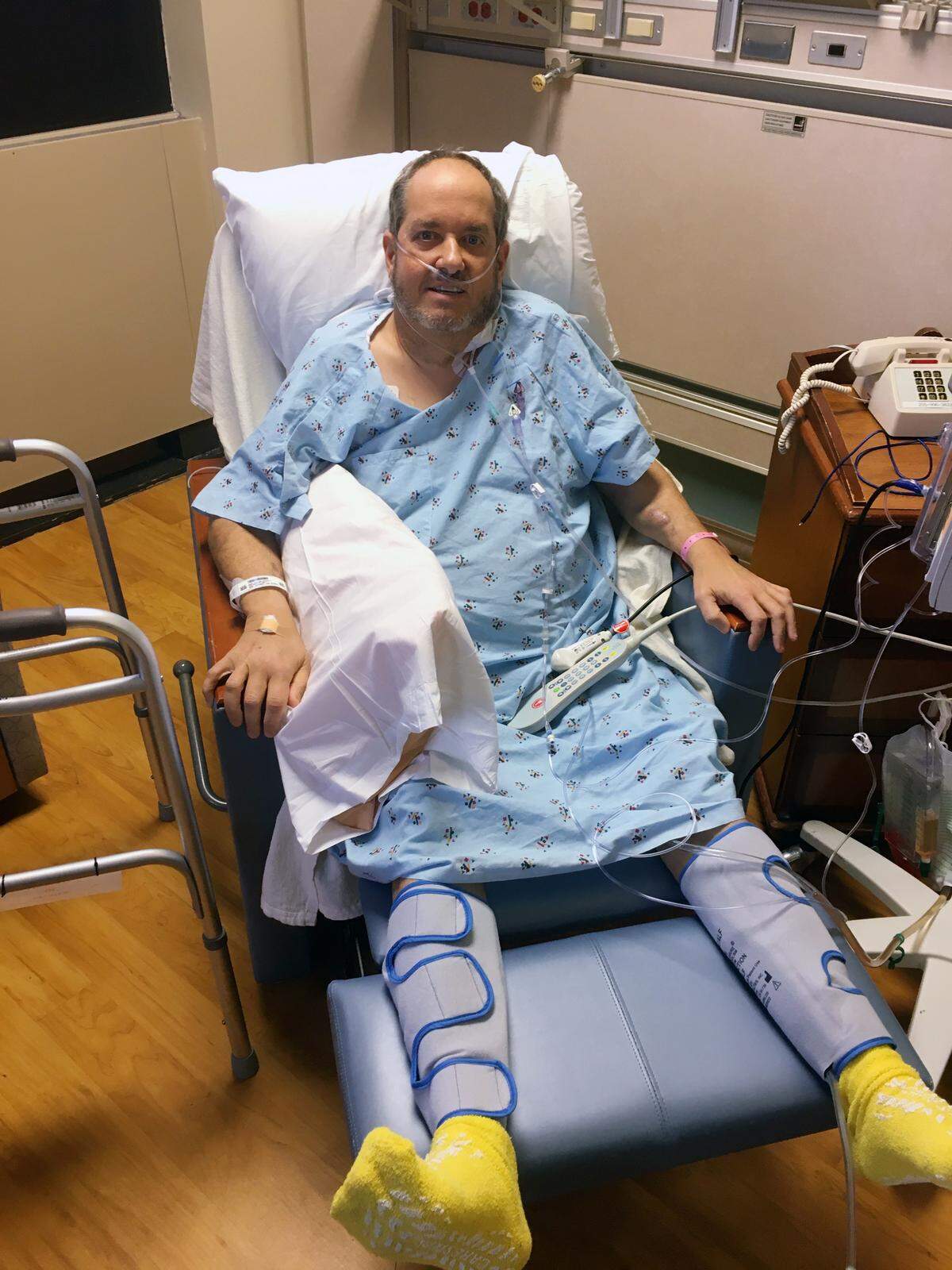
But he indeed got that kidney. Although heart and lung issues after the April 7 surgery forced him to spend three days in the intensive care unit, Brian now is recovering in a Birmingham hotel to be nearby UAB for blood work.
Next steps
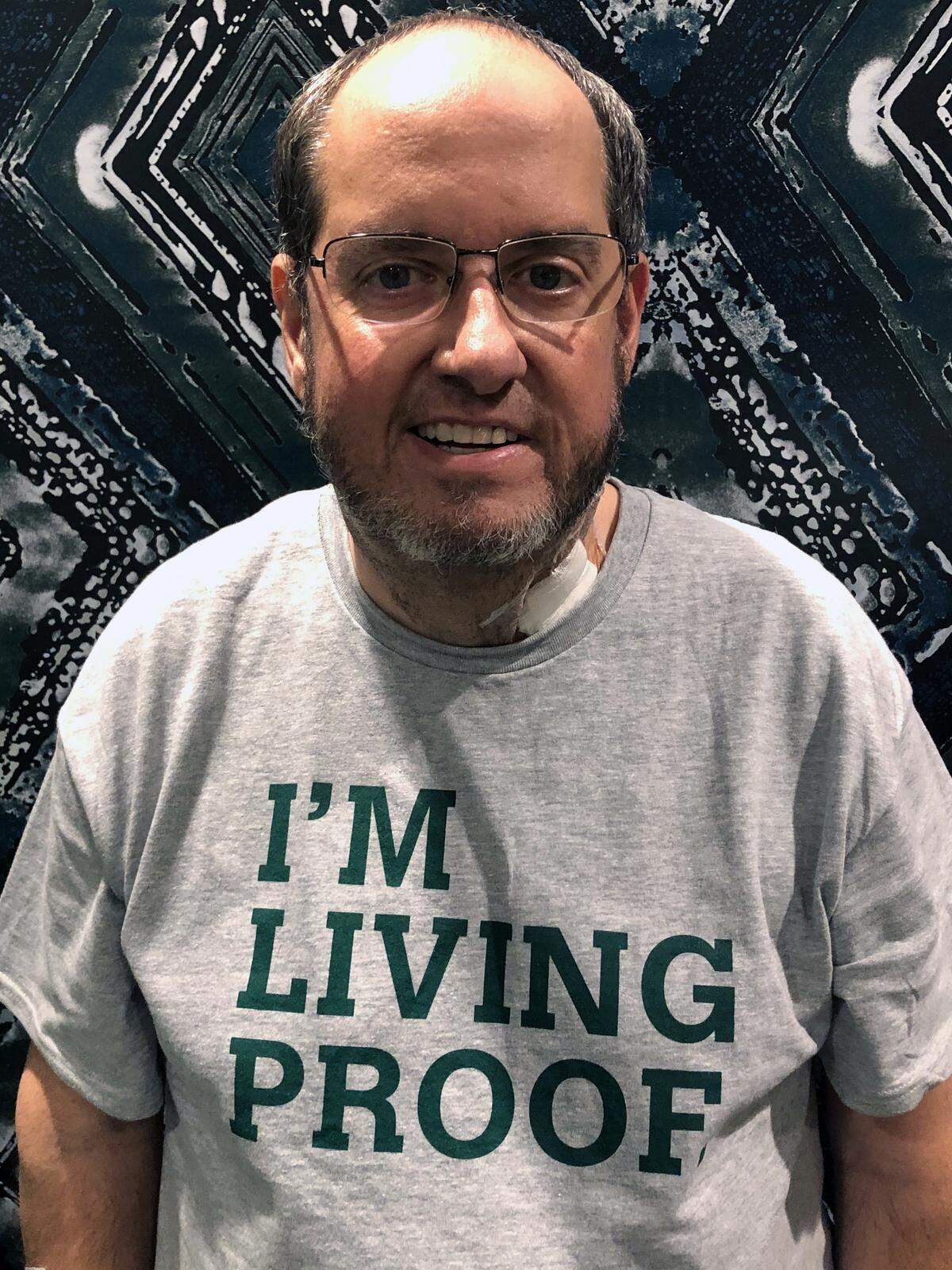
If he continues to recover well, Brian is expected to return home April 22. What normally would be a six-week quarantine for transplant patients will be two or three months for him because he is at higher risk of getting the coronavirus while his immune system is suppressed from the drugs telling his body to not reject his new organ.
“I already feel fantastic,” he said. “I may have to take 36 pills a day, but I will take that over dialysis anytime.”
Brian intends to pay forward the gift he has received by helping to resurrect a local charity that provided financial aid for kidney-failure patients and education to prevent kidney disease. He wants to call the charity “Get Busy Living” from the line in “The Shawshank Redemption” movie.
“I do not wish anyone to go through what I have experienced,” he said.
Brian credits his family and friends, however, for using this experience to draw closer together.
“It’s because of their love and caring and support and what they were willing to do for me and the sacrifices that everyone was willing to make to get me well,” he said.
Brian was retail distribution manager for Party City in Columbus before he went on medical disability in 2016.
“I’ll possibly never be able to return to work,” he said, “but as far as the ability to be a productive citizen and hopefully do good things, that’s probably excellent.”
HOW TO HELP
Information about becoming an organ donor is at organdonor.gov.
An account at GoFundMe.com called the “Get Busy Living Transplant Fundraiser” has been established to help the Moushons pay for Brian’s medical expenses.