
Funds needed to clean up polluted Columbus plant could be $48M short. Who pays the rest?
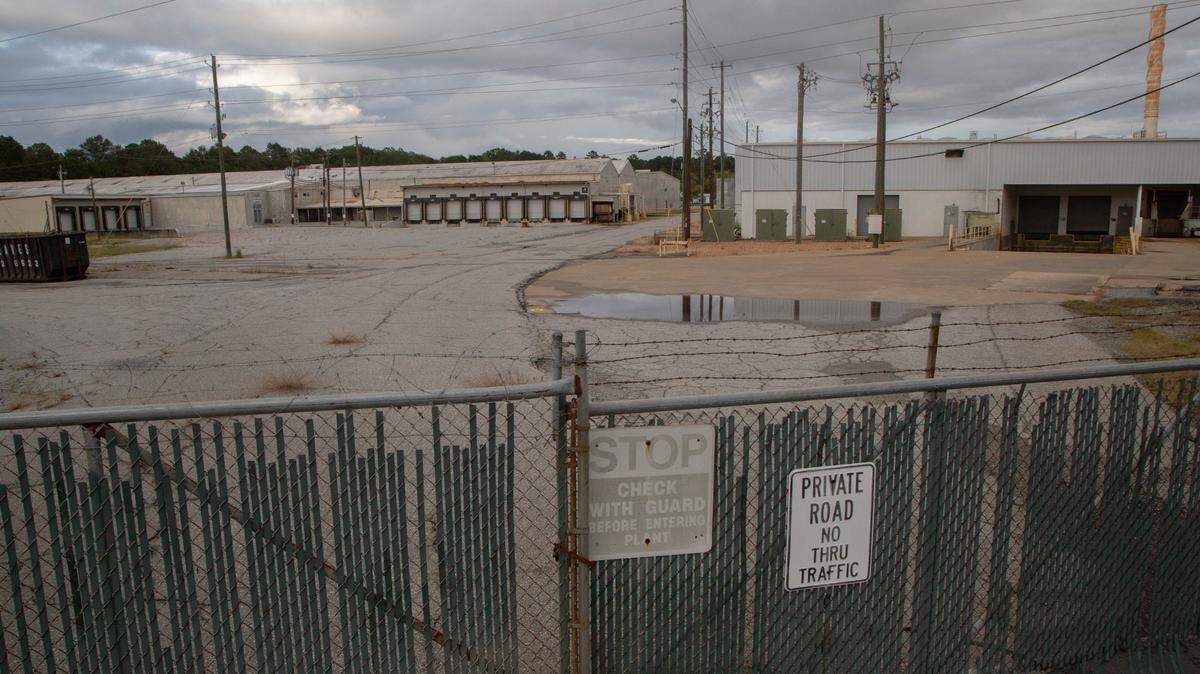
The multi-million dollar cleanup at a lead-polluted property once owned by a battery manufacturer in southeast Columbus is ongoing, but funds dedicated to the project are $48 million short of what state environmental officials say could be needed to fully repair the land.
A new buyer or the state government will be on the hook to finish the job.
Exide Technologies shuttered its 20-acre Joy Road plant in mid-2020, just before the Georgia-based battery maker and recycler sought Chapter 11 protection. A Delaware bankruptcy court approved a plan last fall that placed money in a trust fund to clean the Columbus site and 15 other polluted properties that once belonged to Exide.
Recent studies of the site suggest risks to nearby residents are low. The trust has a budget of $12.7 million for the Columbus property, but the highest estimate from the Georgia Environmental Protection Division puts the total cleanup cost around $61 million.
Ken Hewlett of PathForward Consulting, the company that oversees the trust and the cleanup work at contaminated properties, told Columbus Council Tuesday that the efforts must be focused on the most urgent and “impactful” work because of the restricted budget.
The work will continue until the trust runs out of money or the property is sold.
“The goal is to try and sell the property and transfer those environmental liabilities to a willing buyer who can then turn the property into another productive use,” he said. “We’ll clean it up as much as we can with the funds that we have.”
Site cleanup efforts
The environmental trust was formed in late October 2020, and the Georgia Department of Environmental Protection oversees the work completed at the Columbus site.
Hewlett was brought before council at the request of Mayor Skip Henderson and other members to provide answers for residents around the abandoned site. The old plant is in Councilor Bruce Huff’s district.
Huff said years ago, residents near the site became dizzy while working in their yards. Huff also attended a recent meeting of mobile home residents who live near the abandoned property and said the residents expressed concerns about vapors in the air.
“We’re just being good stewards by watching over what they are doing and taking care of any concerns of our citizens,” City Manager Isaiah Hugley said during the meeting. “We don’t control the property. ...Our only responsibility ... is to make sure they do it right.”
In the past 11 months, more than 38 million gallons of rain and groundwater have been treated for lead and other contaminants. Levels found in treated water match permitted regulatory standards, Hewlett said. The trust also funded work to divert 25-50% of stormwater away from contaminated areas.
A draft vapor study that measures the likelihood that chemicals in soil or groundwater would seep into the indoor air of structures near the site showed the possibility was “very, very low” because the soil on the site has low permeability and the groundwater runs deep, Hewlett said.
“I can say, comfortably, that the analysis we performed shows that the risk is well below the level the state thinks is one of concern,” he said.
State officials confirmed the study’s preliminary conclusions but told the Ledger-Enquirer that they requested the trust do more work to offer stronger support for the findings. A final copy of the report will be provided to the city of Columbus when it is approved by the Georgia Environmental Protection Division.
The trust is also removing contaminated equipment and investigating the source of volatile organic compounds found in the groundwater. In 2020, samples detected the presence of chemicals at or above the established groundwater protection standard levels. Chemicals found include tetrachloroethylene, a chemical that is widely used for dry-cleaning fabrics and metal degreasing operations. It is likely carcinogenic to humans.
However, Hewlett said groundwater from the site is not being consumed, and there are no groundwater wells within three miles of the site.
“This is not water than anybody is drinking,” he said.
What’s next, and how much could it cost?
Hewlett said the trust is submitting plans to the Georgia Environmental Protection Division to handle the main source of lead on the site by the end of this year or early 2022.
One building on the site will be completely demolished. Another will be decontaminated, and the trust will oversee the restoration of the site. Some of that work will include asbestos abatement as well as waste and equipment removal. The trust has already engaged with developers who have expressed interest in purchasing the property, and the Georgia Environmental Protection Division would have to approve the sale, Hewlett said.
Hewlett told the Ledger-Enquirer approximately $2.5 million would be left in cleanup budget once that work is completed.
As efforts continue, the amount of money needed to fully clean the property could change, said Kevin Chambers, a spokesperson for the Georgia Environmental Protection Division.
If a new buyer isn’t found, the cleanup falls to the Georgia Environmental Protection Division. All abandoned sites on the state’s Hazardous Site Inventory are eligible for cleanup conducted by the state. The efforts would be funded by the Hazardous Waste Trust Fund, and the agency evaluates all abandoned sites to determine which cleanup efforts are prioritized, Chambers said.
“EPD is coordinating with the Trust to maximize the amount of work the Trust will complete at the site. Subsequent remediation work would be carried out under EPD’s oversight by a new buyer of the property,” he said in an email. “If the property is not sold, EPD will evaluate and potentially conduct remediation in the same manner that it does for all abandoned sites on the state Hazardous Site Inventory. ... The total cost to clean up the site may change as the Trust continues to investigate and remediate the site. The high end of current estimates is $61m.”
Exide plant’s environmental history
Environmental issues at the Exide property have long been documented. The site operated from 1961 to 2020, and efforts to treat polluted groundwater at the Columbus site began in 1988.
From 2016 to 2019, the Georgia Department of Environmental Protection and the Environmental Protection Agency fined Exide more than $97,000 for various violations.
This story was originally published September 17, 2021 at 12:20 PM.