Drowning is a top cause of death for kids under 4. Here’s how you can keep them safe
Safe Kids Columbus director Pamela Fair is warning Columbus residents about swimming pool safety for young children.
The story of Deputy Greg Countryman Jr. rescuing unconscious twins who were pulled from a swimming pool was important to Fair, she said, because she often advocates for water safety through Safe Kids Columbus.
The organization is part of a network of 600 local coalitions across the country with a mission to keep children safe from preventable injuries including falls, poisonings and drownings. According to Safe Kids, drowning is the leading cause of injury-related death among children ages 1-4.
“It’s hot in Georgia this time of the year,” Fair said. “So pools are loads of fun, and they’re a great way to cool off. But they also have to be respected.”
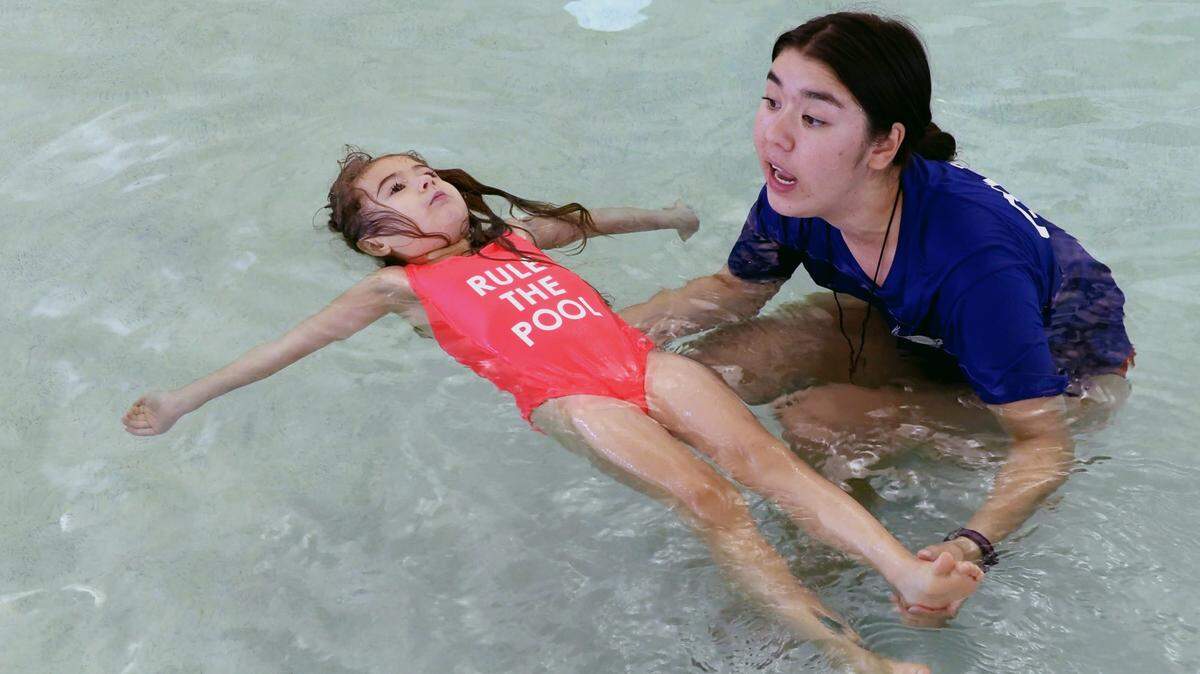
Safe Kids advises parents to teach children to swim, make sure kids understand swimming in open water is different than swimming in a pool, and learn CPR and other basic water rescue skills.
Young children should also learn these five water survival skills:
Step or jump into water over their head and go back to the surface.
Turn around in water and orient to safety
Float or tread water
Combine breathing with forward movement in the water
Exit the water
If children are going to be anywhere near a pool, Fair said, adult supervision is key. There are a variety of ways to ensure there are always eyes on the kids.
Parents that have pools can install a basic battery operated alarm to the last door that gains access to the pool, Fair said. This way, if parents hear the alarm, they’ll know that someone has entered the pool area.
Oftentimes, accidents occur during parties or celebrations, Fair said. One strategy parents can implement in this situation is utilizing a “water watcher card.” She suggests parents get a card, laminate it and put it on a lanyard that can be passed around. Adults can take 30 minute shifts where they are focused on watching the pool.
“So your job is no cell phone, no conversations,” she said. “No visiting. Eyes on the water.”
When that person’s time is up, he or she hands the card off to another adult who will take over. This strategy ensures there will always be a concentrated set of eyes on the pool, Fair said, because, as humans, people can easily start chatting with each other and get distracted.
Having multiple layers of barriers to pools is critical, she said. This includes a locked door, an alarm door and a gate around the pool. Parents should make it difficult for young children to gain access to the pool, Fair said.
When an accident happens, it only takes a second, Fair said, and parents can’t rely on hearing their kids splashing in a pool if they fall in.
“Drowning is very quiet,” she said. “It’s very silent, and you just won’t know by [a splashing] noise.”
Parents can find more information on swimming safety on the Safe Kids website.