
How much will Fort Benning’s name change cost? Several million, new report says
Renaming Fort Benning to completely scrub away tributes to the Confederacy will cost nearly $5 million, according to a report from an independent congressional commission.
The Naming Commission issued the first part of its final report Monday, outlining its full renaming recommendations for the nine U.S. Army posts named in honor of Confederate leaders.
In May, the commission released its recommendation to rename Benning in honor of Lt. Gen. Hal Moore and his wife, Julie. But no cost estimates had been provided, and little information was available regarding the short list of other candidates before Monday’s report release.
The $4.93 million will cover the cost of renaming the army post just south of Columbus as well as its welcome signs, websites, markers and various other items on the installation. Most of them bear the name of Henry Benning, a Confederate general who once said “that he would rather be stricken with illness and starvation than see slaves liberated and given equality as citizens,” according to the report.
Other assets to be renamed or removed include the post’s airstrip named in honor of Confederate Col. John Singleton Mosby, a road named for Confederate Gen. James Longstreet and various Confederate names that appear on stones along the Ranger Memorial Walk leading to the Ranger Memorial.
The report estimates it will cost $21 million to rename the nine installations. Only Fort Bragg ($6.3 million) will be more expensive than Benning.
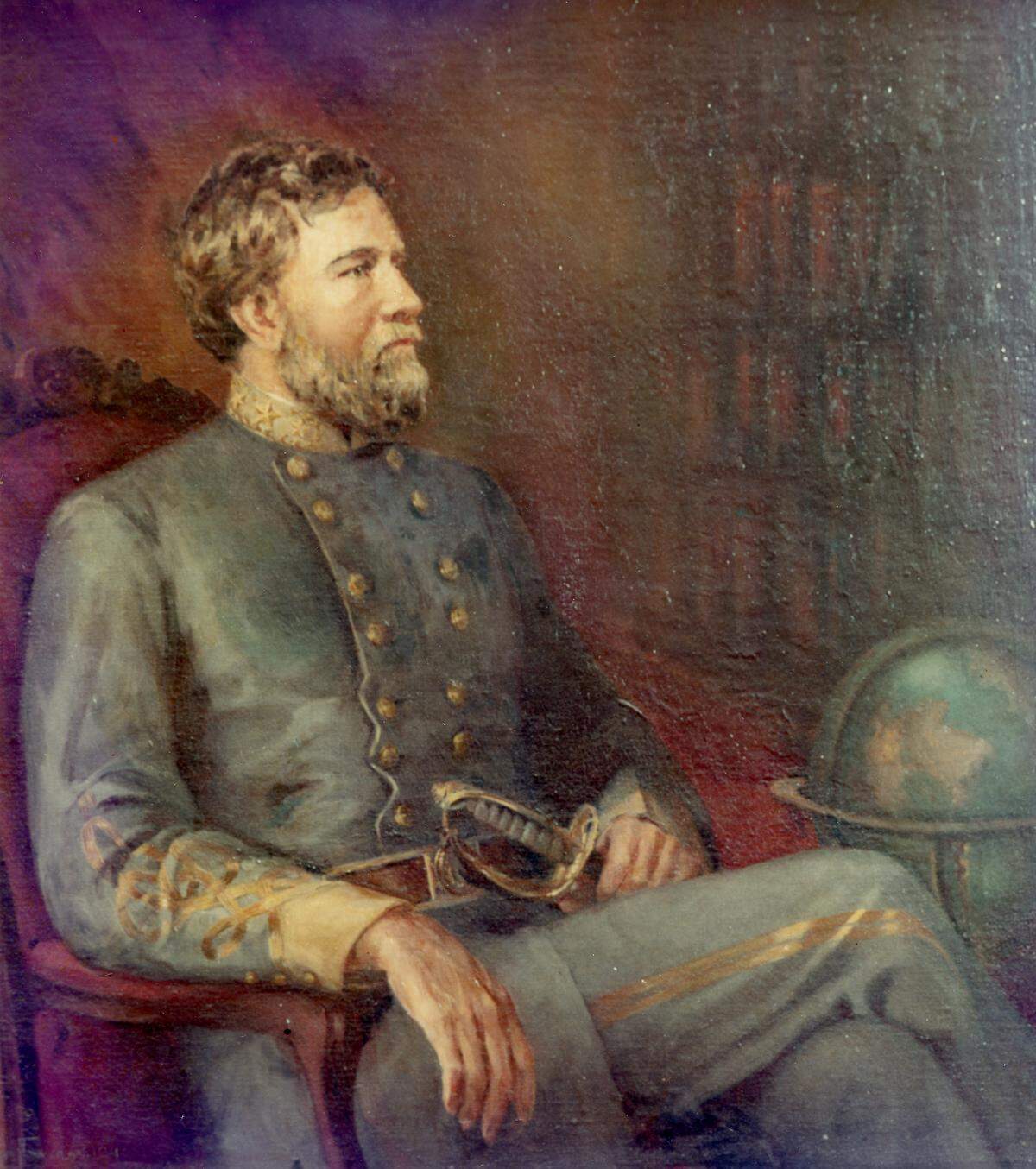
Who could Fort Benning have been named after?
The report also reveals 10 other names the commission considered before selecting Fort Moore. The names are:
- Omar Bradley: Bradley was appointed to General of the Army in 1950 and is one of only 10 service members promoted to a five-star rank. From 1941-1942, Bradley commanded the Army Infantry School at Fort Benning.
- Alwyn Cashe: Cashe was a Fort Benning soldier who died after rescuing six comrades and an interpreter from a burning vehicle during fighting in Iraq. He was awarded the Medal of Honor by President Joe Biden in late 2021.
Ernest Childers: A member of the Muscogee (Creek) tribe, Childers was the first Native American to receive the Medal of Honor in World War II. He secured every position and killed or captured every enemy soldier during a fight in Italy.
Barney Hajiro: Born in Hawaii in 1916, Hajiro was drafted into the Army in 1942. He was wounded and medically discharged from the Army after fighting in Europe. His Distinguished Service Cross was upgraded to the Medal of Honor in 2000.
George Marshall: A Nobel Peace prize recipient and statesman, Marshall led the Army Infantry School at Benning in the post-World War I era. Marshall served as Secretary of State and Secretary of Defense under President Harry Truman. Marshall was also one of ten U.S. service members to reach the five-star rank. He was named General of the Army in 1944.
Colin Powell: Powell served as the nation’s first Black Secretary of State under President George W. Bush from 2001 to 2005. While in the military, Powell lived in the Columbus area while assigned to Fort Benning.
Ralph Puckett Jr.: A South Georgia native and a key figure for the Army Rangers that call Benning home, Puckett acted with bravery and was wounded during a critical battle in the Korean War. He was awarded the Medal of Honor in 2021 by Biden.
Mitchell Red Cloud, Jr.: Cloud was among the first U.S. forces deployed to Korea during the Korean War. He was killed in battle, but his actions prevented Chinese soldiers from killing and capturing his comrades. Cloud was awarded the Medal of Honor in 1951.
James Rudder: Rudder commanded the 2nd Ranger Infantry Battalion during the D-Day landings.
Rodger Young: Young was awarded the Medal of Honor for actions in the Pacific theater in World War II. Young, who was deaf and nearly blind, was killed by Japanese soldiers as he fought to protect his platoon. The night course at Benning is named after him.
“Since its creation in the First World War, Fort Benning has trained Americans to become the world’s best land Soldiers, capable of winning any ground, by any means, anywhere on the planet,” a portion of the report reads. “Given Fort Benning’s deep and enduring ties to this tradition, 12 candidates for renaming represent the many kinds of courageous Soldiers that have made and maintained our nation’s exceptional infantry forces.”
Why is Benning being renamed, and what’s next?
The renaming of Department of Defense-owned assets that honor the Confederacy — including Fort Benning — was spelled out in the 2021 National Defense Authorization Act.
After reviewing online renaming submissions and meeting with community stakeholders and military leaders at each base, the commission released a list of 87 possible names for the nine Army installations bearing Confederate names.
In addition to Benning, those bases are Fort Hood in Texas; Fort Bragg in North Carolina; Fort Rucker in Alabama; Fort Polk in Louisiana; Fort Gordon in Augusta, Georgia; and Forts A.P. Hill, Lee and Pickett in Virginia.
The commission released its final naming recommendations in May, and now it must submit a written report to the House Armed Services Committee and Senate Armed Services Committee by Oct. 1 outlining the renaming process and estimated costs.
The Secretary of Defense must approve the plan. Once that happens, the commission recommends that the defense secretary authorize the Secretary of the Army to begin renaming, according to the report.
Under the act, the Secretary of Defense is expected to “implement a plan submitted by the commission,” no later than Jan. 1, 2024.
This story was originally published August 12, 2022 at 5:00 AM.