
Columbus animal shelter has killed 20 dogs due to overcrowding. What happened?
Columbus Animal Control and Care had not euthanized a dog in nearly three and a half years because its shelter was deemed full.
That changed in June.
Since then, the agency has killed 20 dogs. On most days in recent months, shelter staff members, animal advocates and others post on Facebook pleading with the public to adopt, reclaim or foster animals because there is no space.
City officials and three major animal rescue organizations in Columbus — Paws Humane, Animal Ark and Animal SOS — told the Ledger-Enquirer that several factors are to blame for the increase in euthanizations. This year, adoptions are down and fewer animals are being rescued from the shelters.
Rescue partners are receiving fewer donations while the costs of medicine, surgeries and transportation increased. Partner shelters and other organizations in northern states are taking fewer dogs from Columbus as their available space and adoption numbers are also down.
“Every day is a crisis of space,” the shelter’s interim director Contreana Barker-Pearson told the L-E.
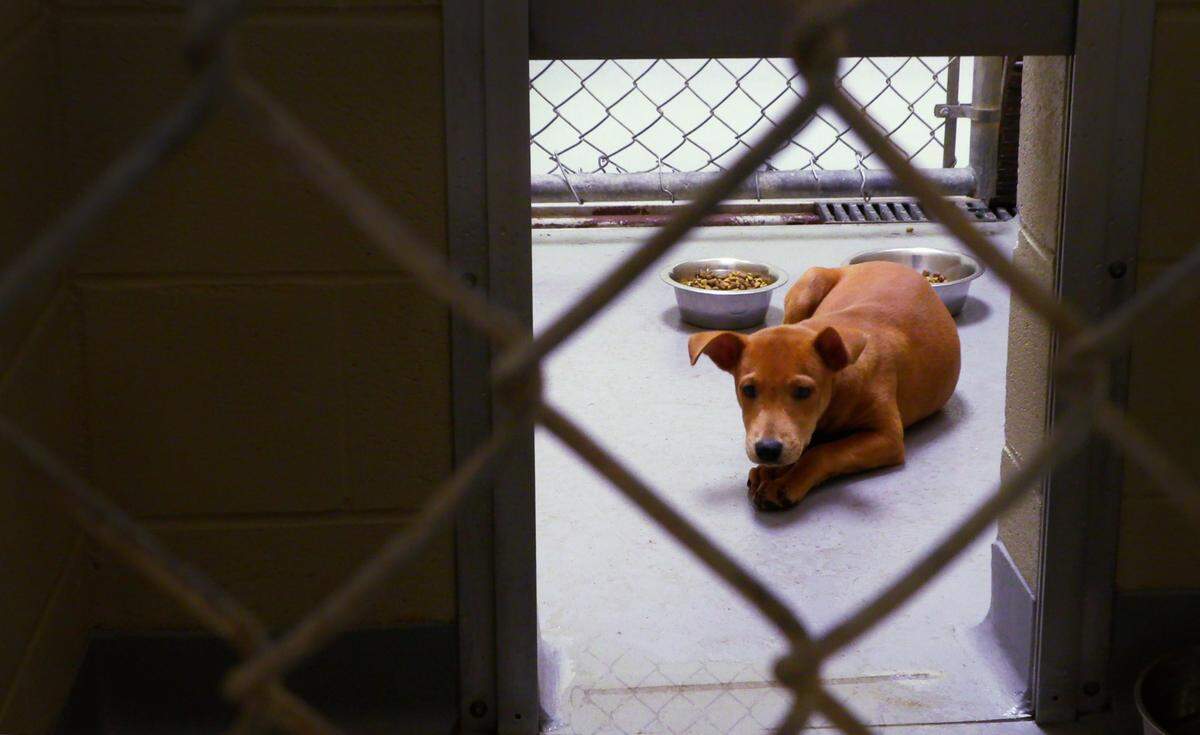
The flow of animals is constant, but rescues and adoptions aren’t keeping up
The euthanizations buck recent trends. City officials and animal advocates worked more than a decade ago to slow the killings as large numbers of dogs were being put down.
In 2010, the euthanasia rate at the city’s shelter was 79%. Nearly 6,100 animals of the 7,672 impounded were killed. Under then-mayor Teresa Tomlinson, the city implemented its Save-A-Pet program, eventually cutting the euthanasia rate to 7% by 2021, according to data provided to the L-E.
In the past decade, fewer animals have come through the shelter. Increasing adoption and rescue rates also caused euthanization rates to drop. The shelter hasn’t seen more than 5,000 in a year since 2014.
According to shelter data, only 832 animals were rescued in 2011. That number nearly doubled by 2012 and has been above 2,500 for the past three years.
Before June, the shelter last killed 6 dogs in January 2019 due to a lack of space.
In 2020, 4,151 animals were held at the shelter — a low mark due to the COVID-19 pandemic. There were 558 adoptions at the city shelter, down from totals in 2018 and 2019. Rescues were about the same compared to previous years. Nearly 2,600 animals were rescued from the shelter by organizations like Paws Humane, Animal SOS and Animal Ark.
The number of animals entering the shelter increased to just over 4,200 in 2021. Adoptions dropped further to 306. However, more than 3,000 animals were rescued by organizations last year — a record.
This year has been different. The flow of animals into the shelter continues at almost the same pace, but there aren’t enough animals being adopted or recused.
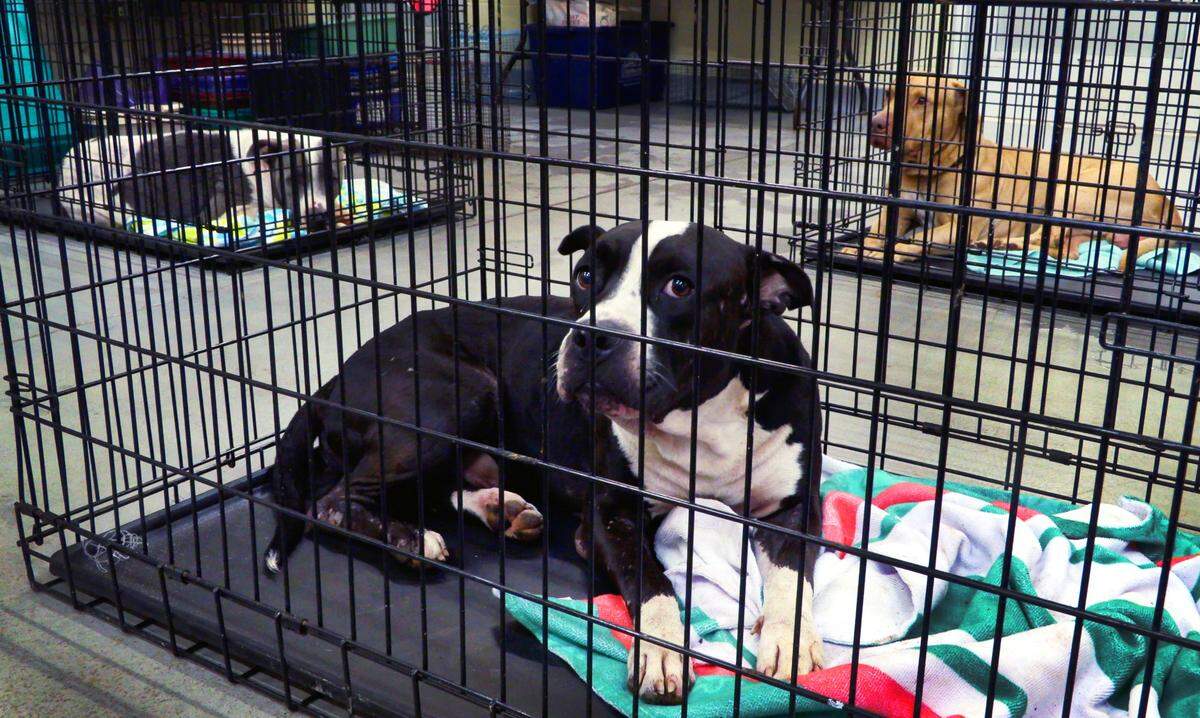
As of July, 2,313 animals had come through the shelter. There were 177 adoptions and 1,531 rescues. If trends continue this year, the shelter would receive about 4,000 animals, and the number of adoptions is expected to remain around the same too.
However, the number of rescues (2,625) is expected to drop by nearly 400 compared to 2021.
The recent increase in euthanizations is part of a nationwide trend. According to data from nonprofit Best Friends Animal Society, 355,000 cats and dogs were killed in 2021, up from 347,000 in 2020. It was the first time in five years that euthanizations increased.
Throughout 2021, shelters saw an 8.1% increase in animal intake. Dog intake increased by nearly three times the rate of adoptions, according to the nationwide data set.
“We really have hit a perfect storm and reports are not good,” said Tricia Montgomery, a member of the Columbus Animal Control and Care Advisory Board and former director of Paws Humane. She is also the National Director of Business Development of the American Association of Pet Parents.
“It’s happening nationwide,” she added. “The economy really has pet adoption crashing and people are having to make tough decisions.”
Paws Humane, Animal Ark and Animal SOS told the L-E that current economic conditions and other factors are making their jobs more difficult.
Trouble at rescue organizations
In interviews, representatives of Paws Humane and Animal SOS told the L-E they’ve seen a drop in donations.
Paws Humane appealed to donors and other supporters in a news release late last month when it said that the organization’s future was “in jeopardy due to a lack of funding.”
“At the current rate of expenditures and with the amount of average monthly donations, we have approximately six months left before services and programs are discontinued,” the organization said. “We do have a disaster plan in place, which would drastically cut the services we provide; ultimately leading to the euthanizing of more dogs and cats from (the city shelter) and setting us back on years’ worth of progress we have made in the community.”
Paws director Courtney Pierce was unable to tell the L-E how much donations have decreased in 2022, but she acknowledged that they were lower than in previous years.
The nonprofit has rescued more than 400 animals from the shelter in 2022 so far, but it is spending roughly $50,000 more than it brings in a month this year.
“I think just because of the (economic) state of the world, people are weary of donating in the same capacity that they have before,” she said. “We’ve retained a lot of our donors, but (they) are maybe donating a little less. … Everybody individually is struggling.”
Despite the struggles, Pierce said Paws hasn’t had to cut back on services yet. There was a slight uptick in donations after their letter was released.
“We always want to remain transparent with the community,” she said. “Nobody’s gonna help if they don’t know that we need help.
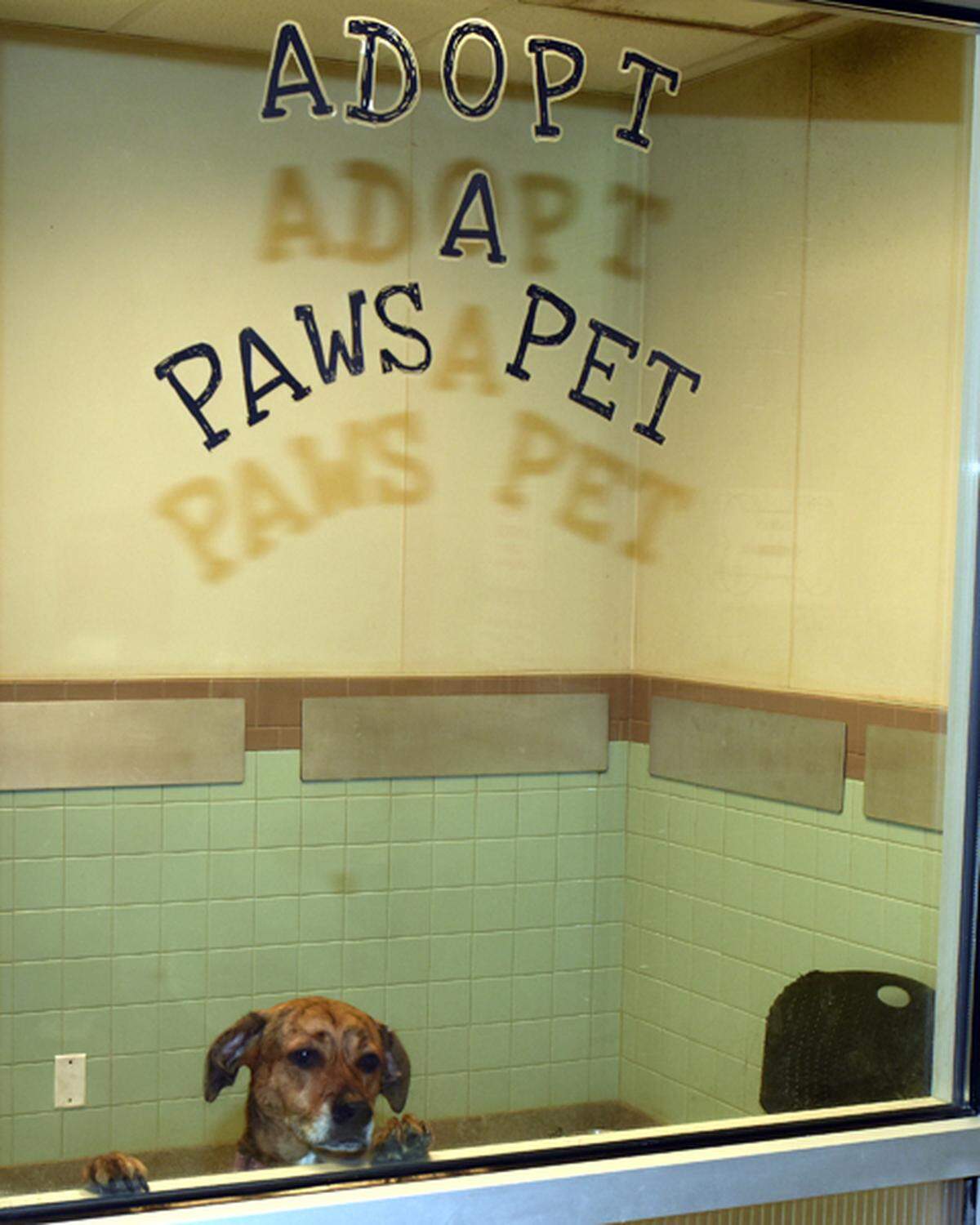
Becky Carter, founder and executive director of Animal SOS, estimated that her donations were down by a third, and money is getting tight.
Since July, Animal SOS has turned its focus to older dogs and those with medical needs. The nonprofit doesn’t have a shelter and relies on fosters to house animals.
“Operating costs are covered, and so are everything else. I can operate a little while supplementing,” Carter said. “I do have to take care of myself in retirement.”
Both organizations also transport dogs to partners in northern and midwestern states. Gas and hotel prices earlier this year made the trips more expensive. Shelters in these states are starting to take fewer animals from Columbus because adoption demand is down, they said.
“We do weekly transports, but there have been weeks here and there were (those shelters) had to cancel just because they had an influx and they’re just not able to receive any from us,” Pierce said.
While donations to Animal Ark haven’t decreased much this year, director Sabine Stull said the cost of medicine and procedures has increased. Vaccine costs have increased by 100% and surgery costs 300%. Food is more expensive too.
“(It’s) just stuff that we have to have,” she said. “We have not cut back.”
‘It’s not easy’
The groups have tried to find additional fosters, run adoption specials and other tactics to get animals in new homes and away from the shelter, they said.
Still, the rescues and the city shelter can’t keep up with the flow of animals coming in. At Paws Humane, the average length of stay for dogs is 52 days, up from nearly 14 a few years ago.
“(The shelter) have more noses going in than noses going out,” Pierce said. “And that’s where we get bottlenecks. And that’s where they become at risk for being euthanized because there’s simply nowhere for them to go.”
Two dogs were euthanized in June. Another 8 were killed on Aug. 10. Ten more were put down Aug. 24, city officials told the L-E.
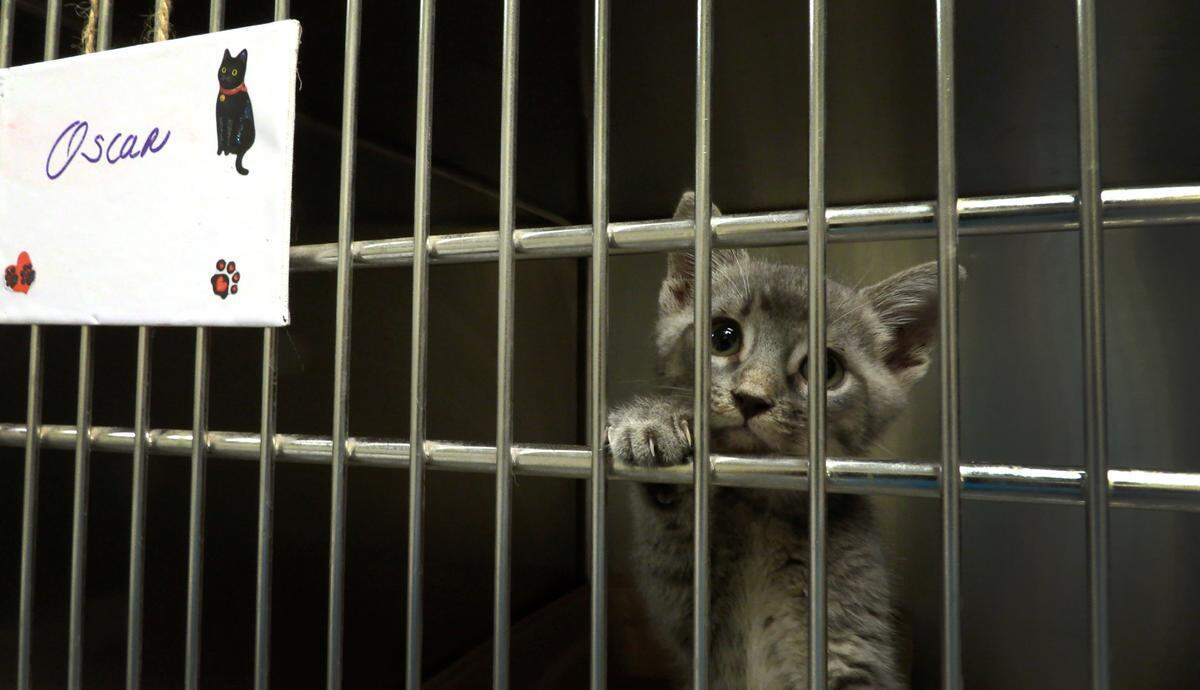
“It’s not easy,” Short said. “It’s felt from the ground up. … We’re here to help. Don’t see us as that villain. That’s not what we’re here for. We’re here for the animals. We want to protect the animals.”
A previous version of this story stated the dogs were euthanized in May; the current version has been updated to reflect that they were actually euthanized in June.
This story was originally published September 6, 2022 at 12:32 PM.