A day outdoors in GA could lead to a red meat allergy. Here’s why
Cool breezes, pumpkin patches, football and . . . tick bites?
Most people believe that cooler weather means less room for bugs and while that is mostly true, cold weather will not keep ticks away.
In fact, fall is the most active season for ticks and they can survive pretty low temperatures in general.
According to Plunkett’s Pest Control: “When temperatures drop below 45°F, ticks in any stage become dormant. To survive, they latch onto a warm host or burrow into the ground or leaf litter where they become insulated by snow over winter. Much like a bear, their systems slow down until the weather is warm again. Even after a hard frost, if the weather becomes warm, ticks will become active until the temperatures drop again.”
The fall also means ticks have reached adulthood and are ready for bigger, more frequent feeds, so it is crucial that you check yourself after being outside this season.
If you are bitten, you should seek medical attention, especially if you suspect the bite is from a Lonestar tick.
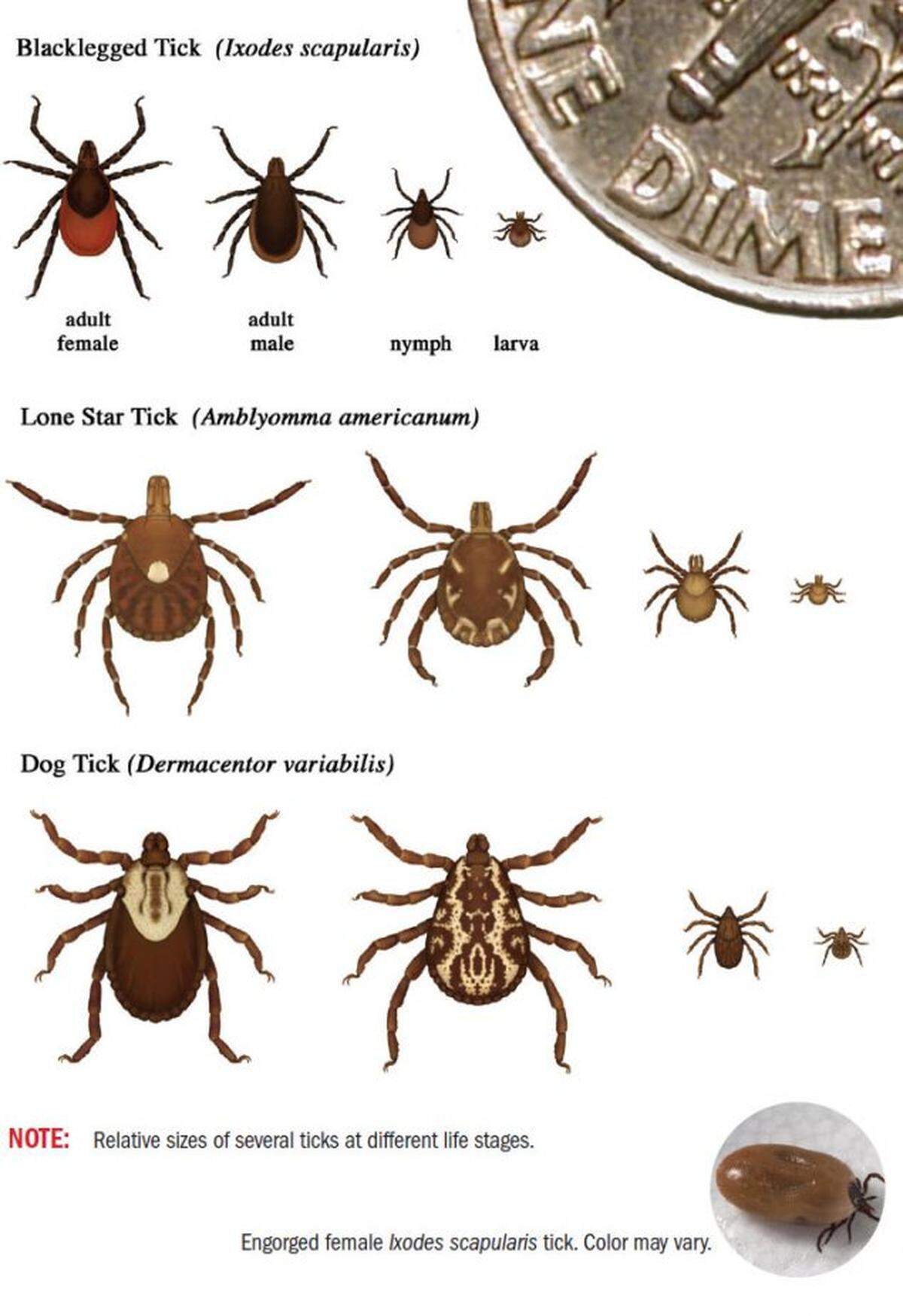
Lonestar ticks are named after the white dot located on the back of the tick and they are the most common tick active in the fall. Lonestar ticks carry Lyme, but they aren’t able to spread it.
However, Lonestar ticks do transmit Alpha-gal syndrome, which causes an allergic reaction to red meat.
According to the Mayo Clinic, a bite from a Lonestar tick injects a “sugar molecule called alpha-gal” into the bite site, which can cause the allergy.
“In some people, this triggers an immune system reaction that later produces mild to severe allergic reactions to red meat, such as beef, pork or lamb, or other mammal products.”
Unfortunately, there is no known cure for the allergy. Those who are affected must completely avoid red meat altogether.
How do you know if you have alpha-gal syndrome after being bitten by a Lonestar tick?
Symptoms include cramps, vomiting, diarrhea, wheezing, weak pulse, hives, swelling, dizziness, confusion and in severe cases, anaphylaxis.
How can you protect yourself from ticks?
Check yourself for ticks regularly
Use insect repellent
Wear long sleeves, pants and a hat
Avoid long grass and thick brush
Clear brush in yard
Check children and pets for ticks if long periods are spend outside
Remove ticks as soon as possible
This story was originally published October 31, 2022 at 12:03 PM with the headline "A day outdoors in GA could lead to a red meat allergy. Here’s why."