How robotic surgery for lung cancer makes recovery easier for Columbus patients
Shelba Reynolds, 69, wasn’t surprised when she was diagnosed with cancer again.
Forty-three years ago, Reynolds’ primary care physician recognized that the pimple to the left of her nose just under her eye was a sign of skin cancer.
Nurses would watch her then 2-year-old daughter Kelly while Reynolds would go to the back for her radiation treatment. Luckily, the cancer was caught early, and she didn’t need to undergo further treatment.
Medical technology advanced significantly in the four decades after Reynolds became a skin cancer survivor. When she was diagnosed with lung cancer, Reynolds’ had little anxiety about the diagnosis because of her previous experience as well as new technology made available to her.
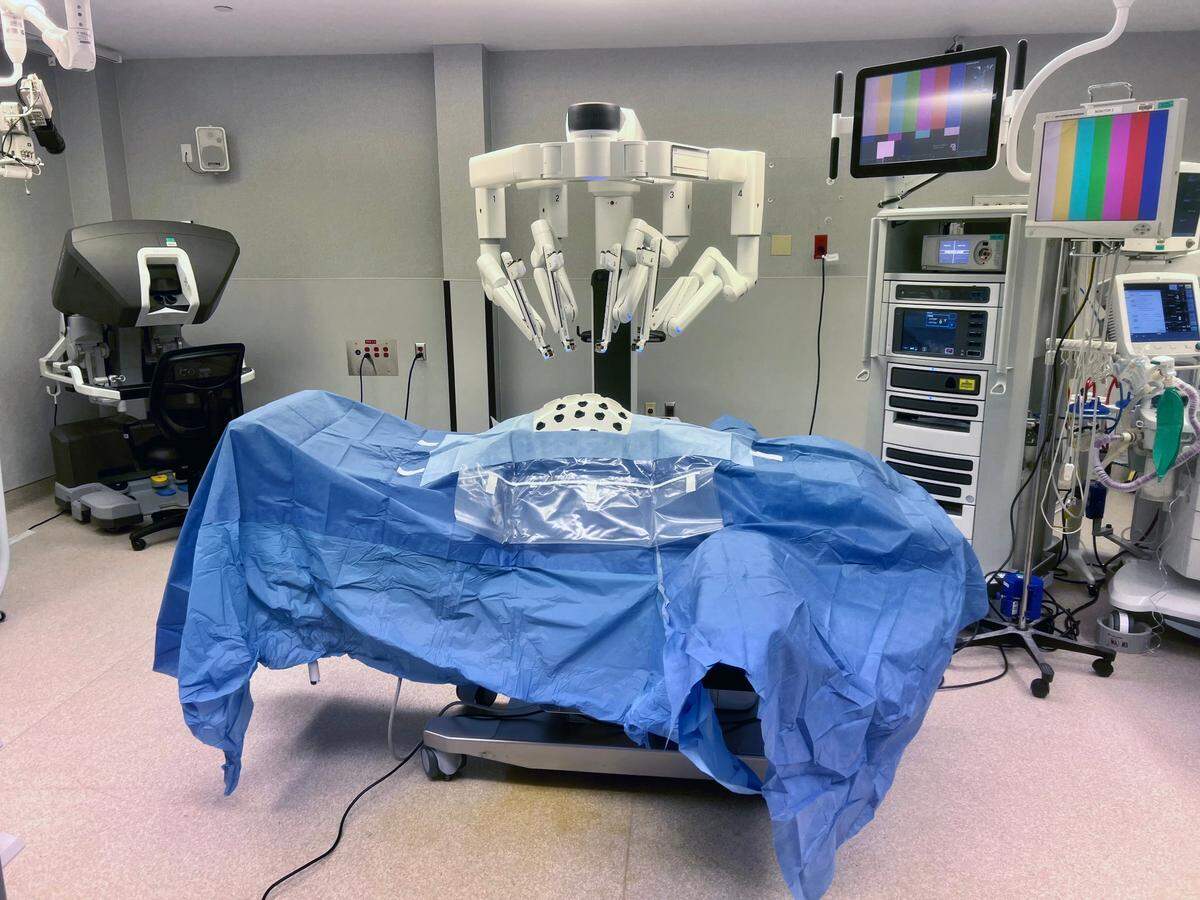
Piedmont Columbus Regional offers the only robotic assisted surgery for lung cancer in the region, providing patients like Reynolds a local option for a treatment that is less invasive with faster recovery periods.
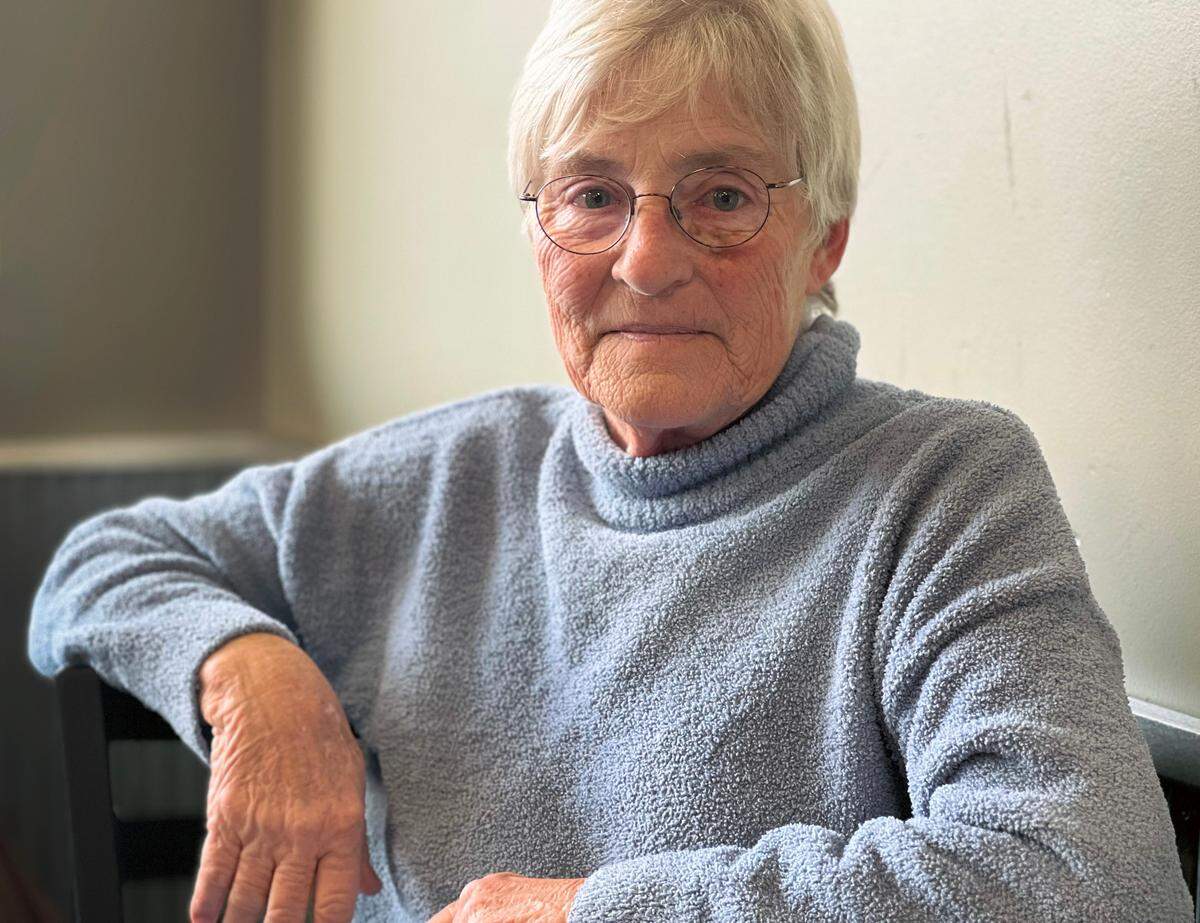
‘What was it going to hurt me?’
Life was normal for Reynolds in the time before her lung cancer diagnosis.
Reynolds and her husband, Charles, raised their four children in Harris County. Married for 53 years, Charles worked for the railroad while Reynolds — other than a 13-year stint working at Callaway Gardens — stayed home.
The couple lives on a farm tending to their cows, and Reynolds keeps busy staying involved with Pine Mountain Valley First Baptist Church. About twice a week, Reynolds goes into Pine Mountain to help with her sister’s pizza restaurant, Fox’s Pizza Den.
At least once a week, Reynolds meets with two of her five sisters, Jacqueline and Brenda, along with a couple of their friends to have lunch at Fox’s Pizza and catch up.
Reynolds had no symptoms of cancer. She wasn’t coughing and her breathing was normal. She regularly visited Dr. Elizabeth Martin of Piedmont Physicians at Brookstone, who serves as Reynolds’ primary care physician.
She was at a routine appointment with Martin when the physician recommended that Reynolds, who began smoking when she was 16 years old, be screened for lung cancer.
“What was it going to hurt me?” Reynolds said. “So, I just did it.”
The goal of lung cancer screening is to catch the illness early, said Dr. Daniel Gwan-Nulla, director of thoracic surgery and thoracic oncology at Piedmont. Early detection has a tremendous impact on raising the survival rate, Gwan-Nulla said, because if the lung cancer is more advanced then the chance of survival is poor.
Reynolds’ CT scan revealed her lung cancer, and she believes that getting screened saved her life.
Breast cancer is the most prevalent form of cancer in Muscogee County, according to Piedmont’s 2022 Community Health Need Assessment, however lung cancer was the most deadly. Lung cancer was the fifth most common cause of death in the county.
“While lung cancer may not be the most prevalent (form of cancer) it is the leading cause of cancer death in the United States as well as worldwide,” he said. “And in the U.S., it kills more people each year than breast, colon and prostate cancer combined.”
‘It wasn’t that scary’
Telling her husband about her diagnosis wasn’t hard, Reynolds said.
After the CT scan, she told Charles that she needed to go see Gwan-Nulla at the John B. Amos Cancer Center.
“He said ‘Oh. Okay,” because we’ve been through it before,” Reynolds said. “So it wasn’t that scary.”
In her appointments with Gwan-Nulla, the physician took care to ensure Reynolds understood everything that was happening to her. Reynolds had a mass on the right side of her lung, she said, and her surgery was set up for the end of January 2022.
Gwan-Nulla performed a lung segmentectomy, which is a procedure that takes out a portion of the lung. There are three nodes on the right side of the lung, he said, and two on the left. When treating lung cancer, surgeons can sometimes take out a whole node or even a whole lung.
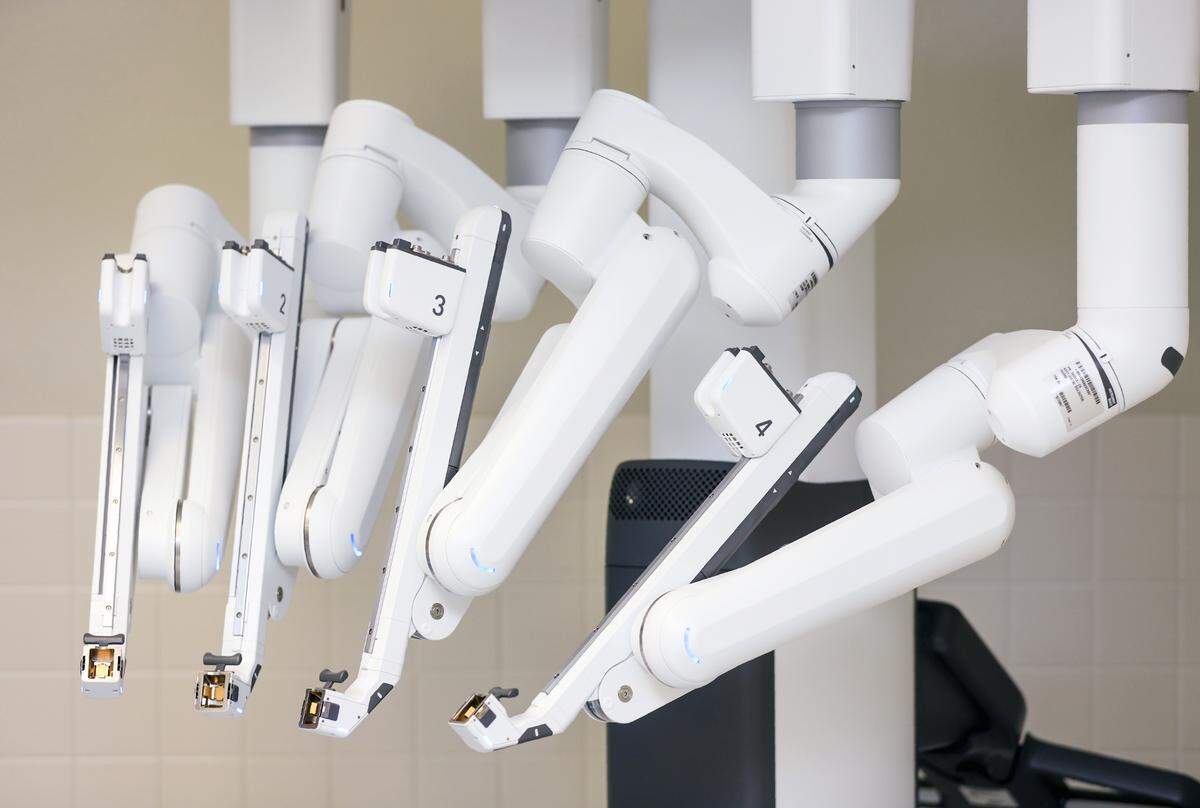
“We do almost all our lung cancer surgeries here (at Piedmont) robotically,” Gwan-Nulla said. “Which means they get small incisions and there’s less blood loss, less postoperative pain and faster recovery.”
During the robotic surgery, Gwan-Nulla is able to utilize three-dimensional visualization that makes the surgery easier. The robotic arms also move in different ways that give surgeons access to certain places that would otherwise be hard to reach, he said.
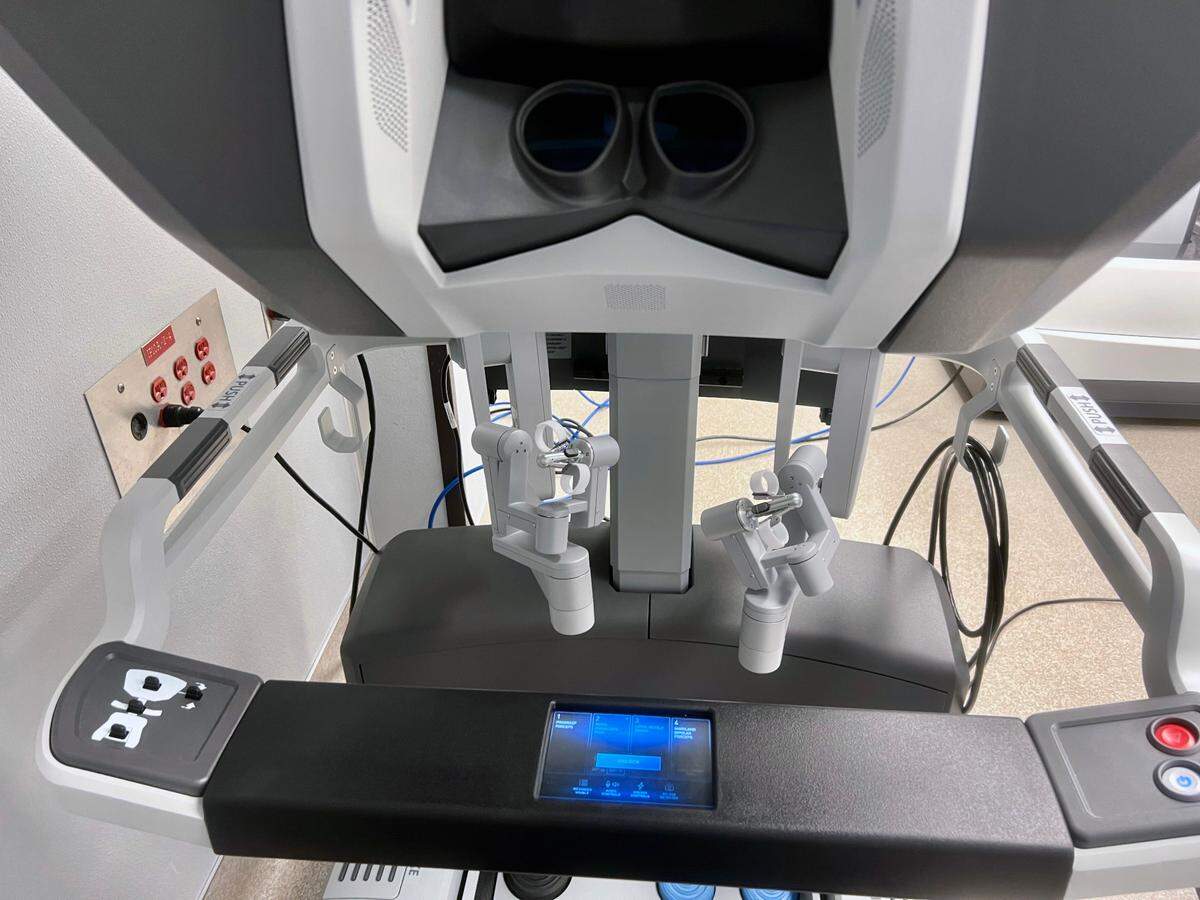
Reynolds was glad to know that this technology is available to help these types of surgeries be more efficient, and she wasn’t nervous about the procedure going into it. Reynolds felt prepared for the surgery because Gwan-Nulla made sure that she and her family all knew what to expect.
Before the surgery, she told Gwan-Nulla that she would be leaving the hospital the next day. He told her she could leave in two or three days.
“Oh no, I’m going home the next day,” Reynolds told him.
Her surgery went well, and Reynolds went home the next day.
“Your patient recovers faster,” Gwan-Nulla said. “They are able to get up in the morning and walk.”
Reynolds’ recovery was easy, she said. Although laying on her side was uncomfortable, she didn’t feel much pain from the surgery. It was only a few days later when she was back up cooking and living her life almost like normal.
Because the cancer was caught early and the surgery was successful, Reynolds has been clear of lung cancer for almost a year. She will have to visit Gwan-Nulla for a routine appointment again soon, but Reynolds is optimistic about her health.
After both of her experiences with cancer, along with a history of cancer in her family, Reynolds hopes others will be sure to visit their primary care physicians and take their advice.
“If they ask you to take a test — take a test,” she said.