“We still have a ways to go.” Columbus Black History Month panel takes on inequity
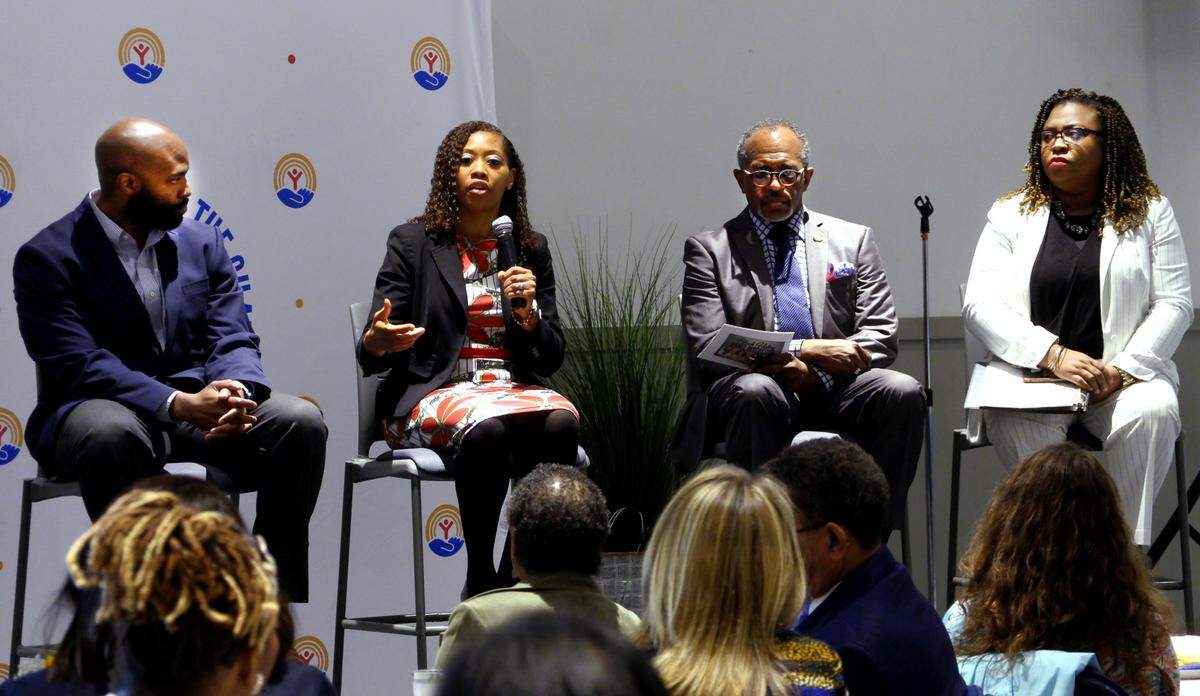
Business and healthcare leaders took on the most important racial equity issues facing the Black community in Columbus this week in an effort to provide more opportunities to improve their lives.
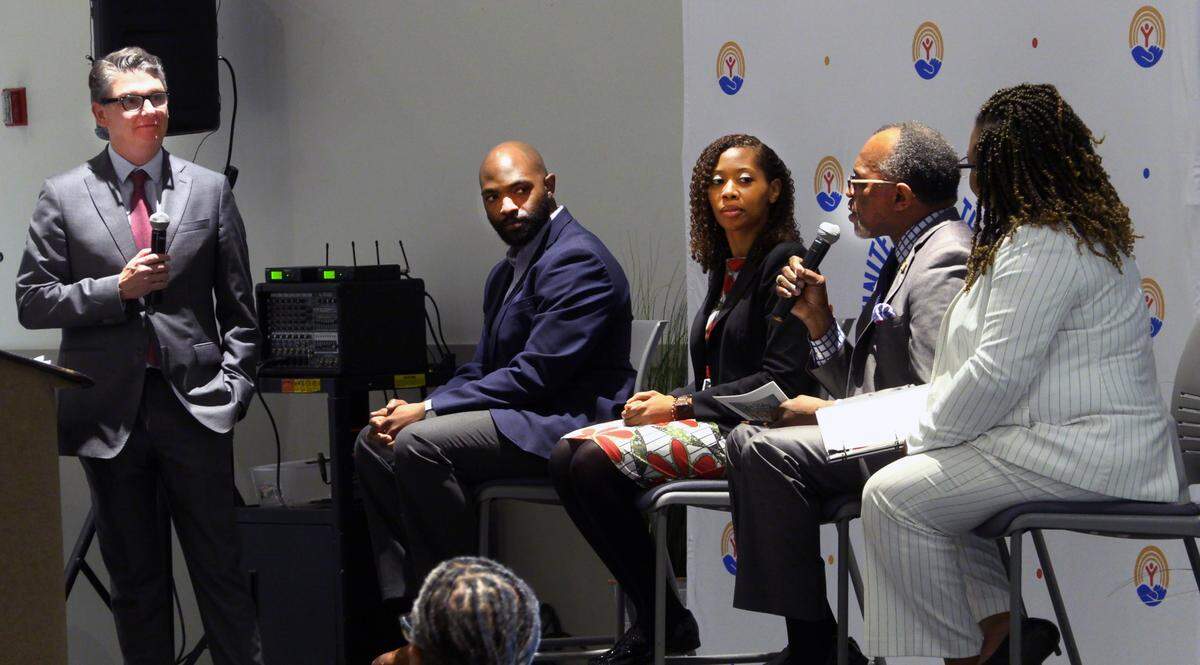
From health to education, speakers at the 3rd Annual Black History Month panel challenged the status quo and said if the community fails to speak up and demand changes, services will continue to be denied.
As an example, Dr. Asante Hilts, president and CEO of Valley Healthcare System, Inc., said historically healthcare has been withheld from African Americans and that continues to affect the community today.
“I think as a community we’re afraid to name the institution of racism because we want to feel like we have come a long way,” she said. “And I think we can’t deny that we have come a long way, but we can’t ignore that we still have a ways to go.”
If the community doesn’t address the way racism impacts health, discuss strategies and identify the challenges then there won’t be much progress, Hilts said.
Raising these issues and digging underneath the surface level in a conversation will help provide more opportunities for people of color in the Chattahoochee Valley, said Ben Moser, president and CEO of United Way of the Chattahoochee Valley.
“I think an awareness of the importance of Black history to our country and to our communities specifically is really important,” he said.
Impact of racism in healthcare
One area in which racism has impacted health outcomes for Black people is shown in how Black mothers face higher mortality rates.
A study has shown that Black women, regardless of their education or economic status, still had higher maternal death rates and infant mortality rates, Hilts said.
The Behavioral Risk Factor Surveillance System is one of the systems that tries to measure the impact of health in all areas, she said, but racism has never been one of those factors. But now the agency has begun to look at how racism affects health and name it for what it is, Hilts said.
“We want to really raise awareness about health equity,” she said. “And so that physicians understand that certain diseases affect people differently and how they can have that conversation.”
Educational Equity
It is important to be proactive about creating educational equity and providing more resources for schools because there are a lot of parents who do not have the tools necessary to support their children at home, said Toyia Tucker, Columbus councilwoman for District 4.
Her children’s grandmother grew up in Selma, Alabama, Tucker said. Their grandmother got pregnant in the 8th grade and was married in the 9th grade. After that, her education was over.
Tucker knows children in Columbus today who have become pregnant at a young age and solutions like United Way’s Community Schools United program can help. The program provides additional resources and opportunities for students in participating schools to help lower barriers so students can receive an education.
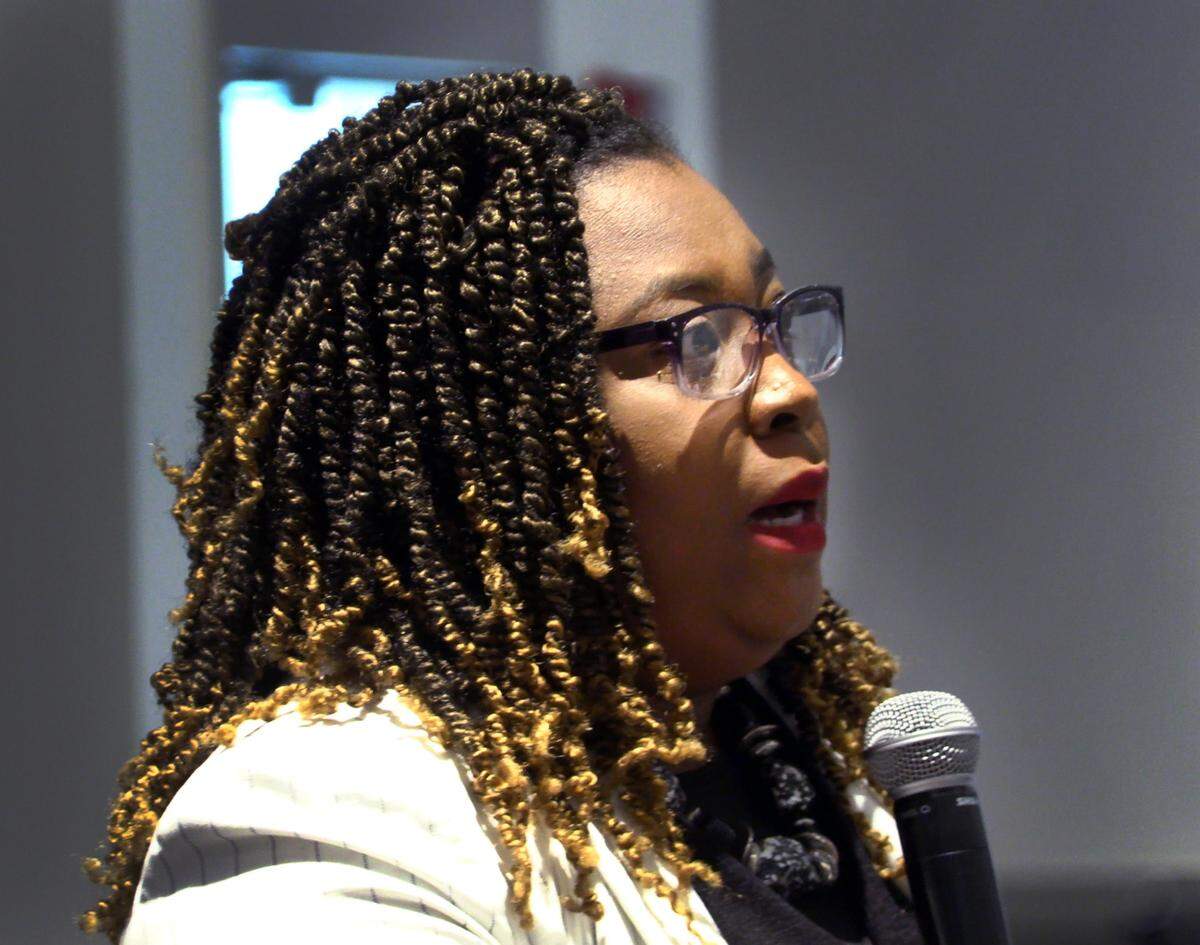
“Our kids that are here locally are carrying baggage that most adults don’t carry,” Tucker said.
Students could be dealing with parents who have an addiction, she said, or students could be working multiple jobs while also helping to raise their siblings.
Educators can become overwhelmed because they are the counselor, parent or babysitter, Tucker said.
“This is causing problems within our education system because we don’t want to be honest about the resources or the stressors that our schools endure every day,” she said.
Community Schools United is one solution because they provide a safe place for the kids, parents and educators.
Disparity in housing
Along with barriers to purchasing home among marginalized communities, there is also a disparity in appraisals, said Norman Hardman, realtor of Prestige Property Brokers.
There are several cases where people have received a 40%-60% decrease in value on their home because the way it was decorated indicated that a Black family lived in the home, he said. After removing those items, people saw their home’s value shoot up.
“In one case the first appraisal value was received at $475,00,” Hardman said. “After receiving the second value it was around $750,000. That’s not even the same class of property.”
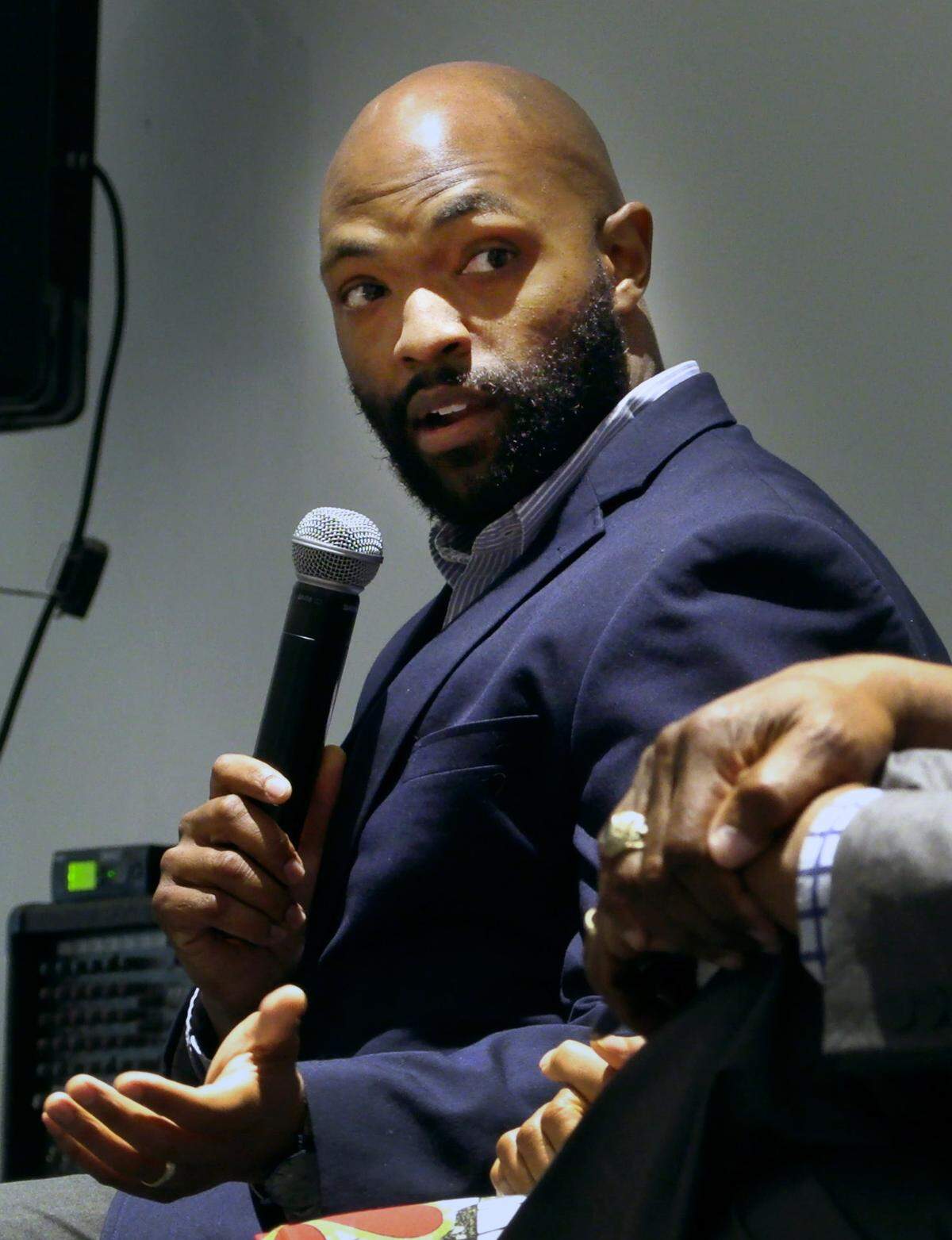
Disparities are also seen in the rental market, he said, with cases around the country of discrimination. Hardman cited a case in Alabama where the housing authority and a private development company were indicted for racism after they were found to be steering Black applicants away from a predominantly white neighborhood.
Residents who believe they are experiencing some type of discrimination when it comes to housing should know that these incidents can be reported to the Department of Justice, Hardman said.
Ultimately, it comes to realt estate agents and people working in the industry to ensure they are advocating for every client as hard as they can to get approved, he said.
“Make sure that you do a good job for this person,” Hardman said. “Don’t write this person off just because they don’t seem like they fit the bill, or maybe they talk funny, whatever the case may be.”
The CROWN Act
In the past, Black women straightened their hair with chemicals such as relaxers, Tucker said, so they could look more like their European counterparts.
“In the late 200s, it’s been a cultural shift where people are becoming more accepting of wearing their natural hairstyles,” she said.
Along with the acceptance, women have learned more about the negative effects relaxers had on their health. This includes higher risks of uterine cancer, according to the American Cancer Society.
Although Black people are wearing their natural hairstyles more, many are still facing negative consequences for doing so at work, school or sporting events, she said, which is what made the CROWN Act gain popularity.
The CROWN Act provides protection against discrimination based on race-based hairstyles in the school or workplace. There are 19 states and 40 municipalities that have enacted the CROWN Act or similar legislation, Tucker said, but Georgia and Columbus have not passed any legislation.
Tucker plans to begin working towards getting legislation passed in Columbus soon, she said.
Not being able to wear cultural hairstyles or wearing their natural health can have a detrimental effect on a person’s health, Hilts said.
“It affects mental health,” she said. “It affects the way you present yourself. It affects the opportunities that you might go for.”
Learning from our past
After the Supreme Court’s Brown v. the Board of Education of Topeka decision, the chairman of the House Rules Committee introduced the Southern Manifesto in a speech on the House Floor, said Oz Roberts, Aflac Historian and community advocate.
It was titled the “Declaration of Constitutional Principles”, he said, and was signed by 82 Representatives and 19 Senators who were all from states that once composed the Confederacy.
“The manifesto attacked Brown as an abuse of judicial power that trespassed upon state’s rights,” Roberts said. “It urged Southerners to exhaust all legal means to resist the chaos and confusion that will result from school desegregation.”
The politicians were working to continue to treat schools differently, he said.
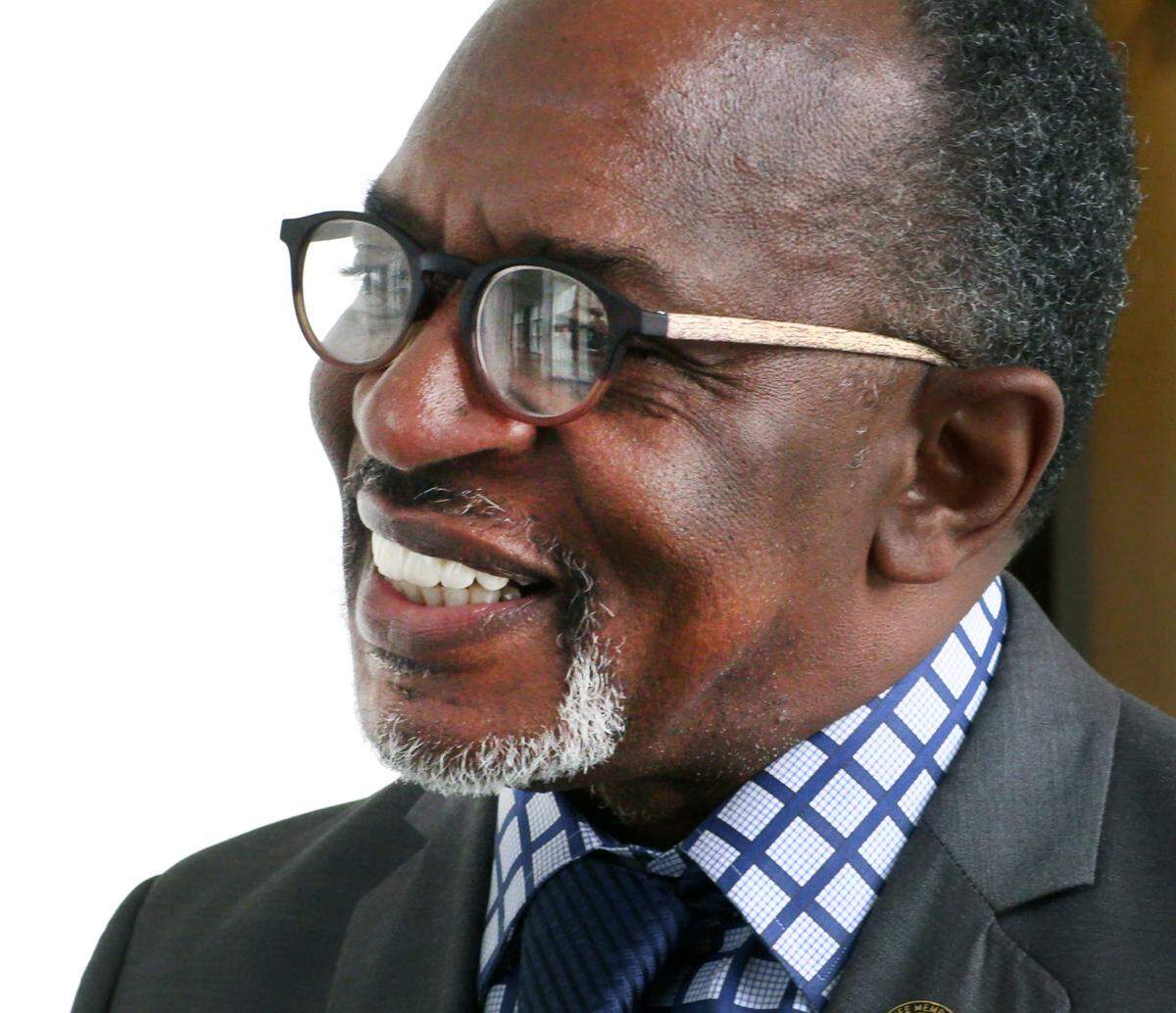
Florida Governor Ron DeSantis’ banning AP African American Studies in the state is horrendous, Roberts said, because people who don’t know the past are doomed to repeat it.
“I think the problem is that learning about something only broadens your horizons,” he said. “It only allows you to gain knowledge. So, to try to keep people from learning about things does not really make them better people.”