
Power outages may be more frequent this summer in Columbus, Macon. What you can expect
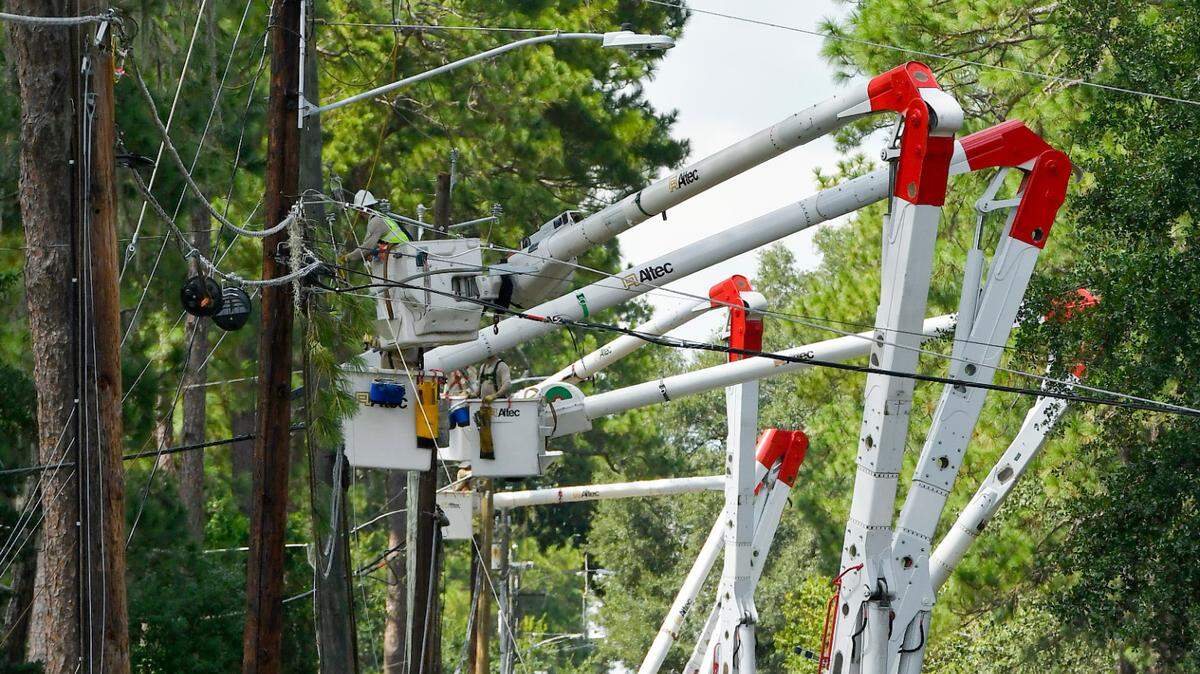
Weather events and natural disasters accounted for over 60 hours of power outages in Georgia last summer. This year’s unprecedented hurricane season could increase that number significantly.
Thunderstorms, tornadoes and Hurricane Idalia ravaged Georgia between May and August 2023, causing outages across the state. Hurricane season is likely to be even worse this summer, according to the annual hurricane forecast released by the National Oceanic and Atmospheric Administration.
NOAA’s prediction estimated between 17 and 25 named storms in 2024, up to seven of which could become major hurricanes. There is an 85% probability of an above-normal hurricane season, which means even more inclement weather and likely, more outages like the ones seen in 2023.
These outages affected at least 200,000 Georgians, but Mike Evans, a FEMA public assistance coordinator, said it can be difficult to know exact numbers in the wake of natural disasters.
“We can’t really know the precise number of people who lose power after hurricanes,” he said. “It’s especially hard right after a hurricane or tornado just passed through, because we’re typically dealing with deaths and life-threatening situations before power restoration.”
Although power outages do not directly cause deaths like flooding and storm surges, long outages can pose significant threats to people caught in severe weather events.
“The most immediate problem is going to be lack of refrigeration for food and medicine,” Evans said. “Things like insulin and lots of antibiotic courses need to be kept in the fridge or they go bad.”
Andrew Sherry, who works at Georgia Power, said those with refrigerated medication and other medical needs should go to their nearest hospital as soon as they can do so safely after a storm.
“Unfortunately there’s not much we can do during and immediately after catastrophic storms like Idalia,” Sherry said. “One thing we do prioritize is our critical infrastructure, like keeping the power on for hospitals and police to help as many people as possible.”
Evans said the best thing to do is be prepared and avoid panic. He advised against trying to evacuate after a storm has begun, unless it is absolutely necessary.
“A lot of Georgians know they’ll have a hurricane and lose power at some point every year,” he said. “It’s crucial for that knowledge to turn into adequate preparation for worst-case scenarios.”
Preparation suggestions from the FEMA website include gathering nonperishable food items, charging electronics and fueling cars before extreme weather events.
This story was originally published June 14, 2024 at 5:00 AM.