Lawsuit in Columbus seeks to restore a Confederate’s name to Ranger memorial, hall of fame
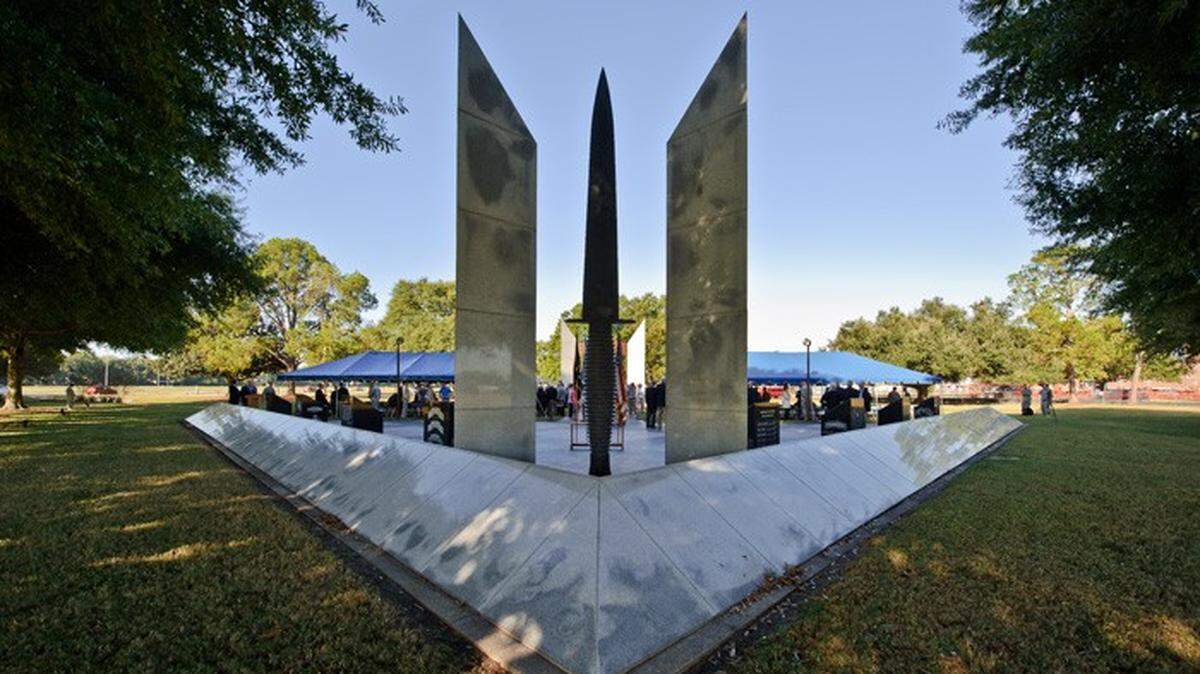
The National Ranger Memorial Foundation, headquartered in Columbus, has sued the U.S. Department of Defense in an attempt to restore the name of a Confederate officer to the memorial and the elite Army unit’s hall of fame at Fort Moore.
The foundation filed the lawsuit in Columbus, in the U.S. District Court Middle District of Georgia. A hearing is scheduled for Dec. 12 at 2 p.m. in the federal courthouse, 120 12th St..
As the Ledger-Enquirer reported in June 2023, the Fort Moore garrison commander directed the foundation to remove the name of Confederate Col. John Mosby from the memorial and the hall of fame as well as three other Rangers (William Quantrill, George Bowman and Jackson Bowman) associated with the Confederacy from pavers on the walkway leading to the memorial.
That directive was based on the September 2022 final report the Department of Defense Naming Commission sent to Congress, which recommended removing names associated with the Confederacy from U.S. military assets. The May 2023 change of Fort Benning’s name to Fort Moore was part of that process.
“Our mission has always been to honor and preserve the legacy of all who have contributed to the storied history of the Ranger community, and we believe this case is vital in fulfilling that commitment,” foundation director Max Mullen said in a news release Wednesday. “In the current climate of heightened public interest in justice against the use of lawfare and the administrative state, particularly in the context of the recent presidential election, we believe this case will resonate with many.
“The outcome of this hearing may set a significant precedent for how we recognize and respect the history and contributions of those who served.”
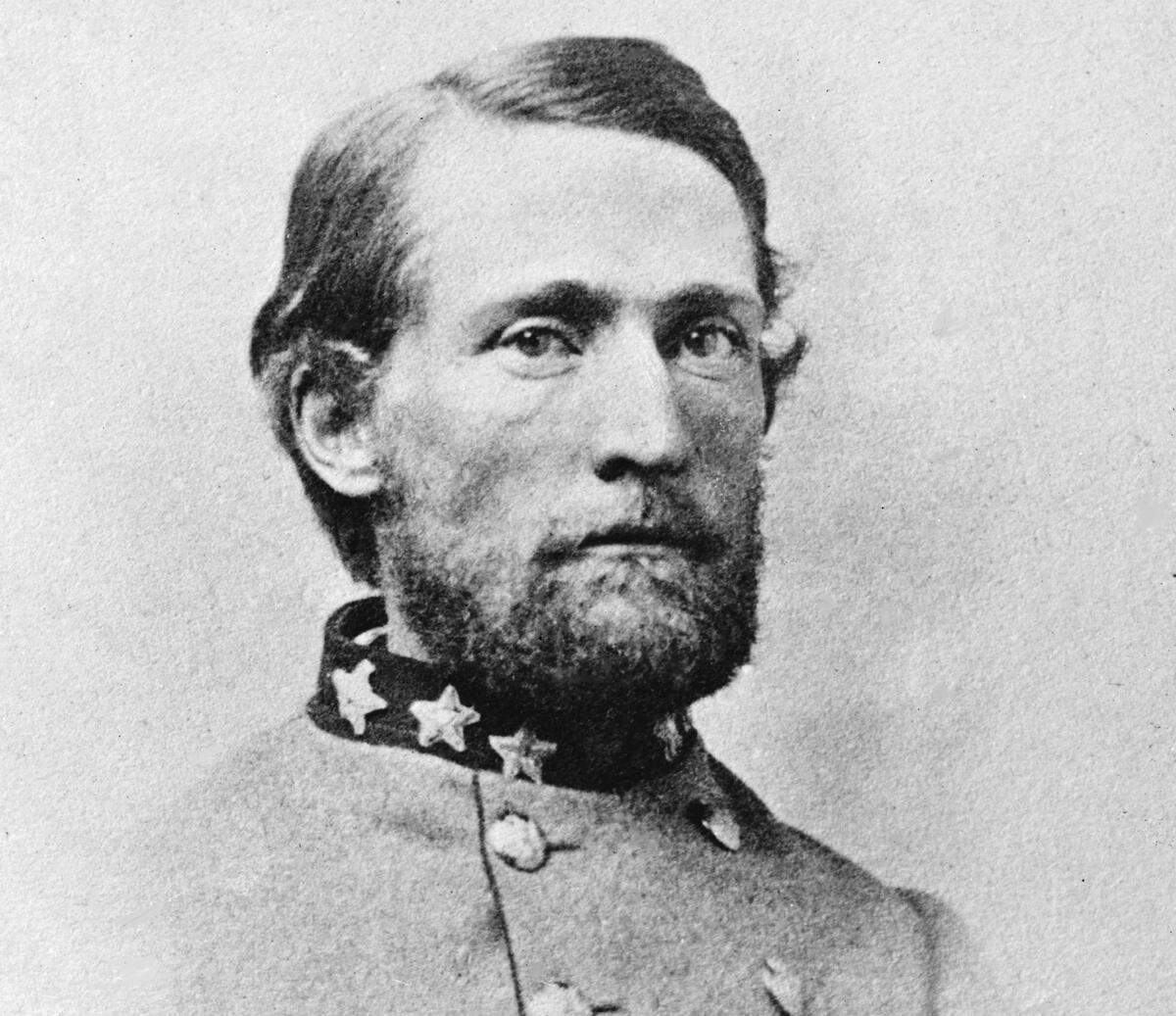
Who was John Mosby?
According to the foundation, Mosby was known as “the Gray Ghost” for his elusive guerrilla tactics during the Civil War.
“One prevalent myth is that Mosby was a staunch Confederate loyalist and a racist,” foundation executive director Blair Brown said in the news release. “While Mosby did serve the Confederacy as a cavalry battalion commander, his personal beliefs and actions tell a different story. Mosby was not an ardent defender of the Confederate cause or its principles. In fact, he viewed the Civil War primarily as a struggle for states’ rights rather than a fight to preserve slavery.”
In fact, Brown contends, Mosby “harbored abolitionist sentiments. Before the war, he expressed disdain for slavery, considering it morally wrong. After the war, his actions further confirmed his opposition to racial injustice. Mosby aligned himself with the Republican Party, which was unusual for a former Confederate officer, and supported the Reconstruction efforts to ensure the rights of newly freed African Americans.”
Brown argues another false narrative is that Mosby continued a life of guerrilla warfare or lawlessness after the Civil War.
“In reality, Mosby transitioned into a life of public service and became a dedicated patriot,” Brown said. “He served as the U.S. consul to Hong Kong and worked in various capacities within the federal government.”
Brown calls Mosby’s postwar career “a testament to his commitment to the United States. He sought to heal the nation’s wounds by advocating for reconciliation between the North and South.”
Mosby supported Ulysses S. Grant’s presidential campaigns and worked as an attorney in the U.S. Department of Justice, which “highlighted his dedication to the country’s legal and political systems,” Brown said.
In his personal life, Mosby “was known to have good relations with African Americans and actively worked to protect them during the tumultuous Reconstruction era,” Brown said. “His opposition to the Ku Klux Klan and similar organizations further underscores his stance against racial violence and discrimination.”
Brown concluded, “Colonel John S. Mosby was a man of complex beliefs and actions, far removed from the simplistic and often erroneous portrayals. His opposition to slavery, his efforts towards national reconciliation, and his post-war patriotic service paint a picture of a man dedicated to the ideals of justice and unity.
“Understanding Mosby in this light not only corrects the historical record but also honors his true legacy as an American who strove to bridge the divides of his time.”
This story was originally published November 20, 2024 at 2:03 PM.