If a copperhead bites your dog or cat in Georgia, follow these tips to save its life
A Georgia copperhead just bit your dog or cat, so what should you do now?
The copperhead snake comes out in warmer weather and in Georgia, there’s plenty of scorching heat for these coldblooded animals to enjoy. The other thing about copperheads: their brown color can easily be camouflaged in leaves, grass and wooded areas, ultimately making them hard to see to humans and pets. If undetected, they could get spooked and strike.
So, what should you do if one bites your dog or cat?
Identifying a copperhead in GA
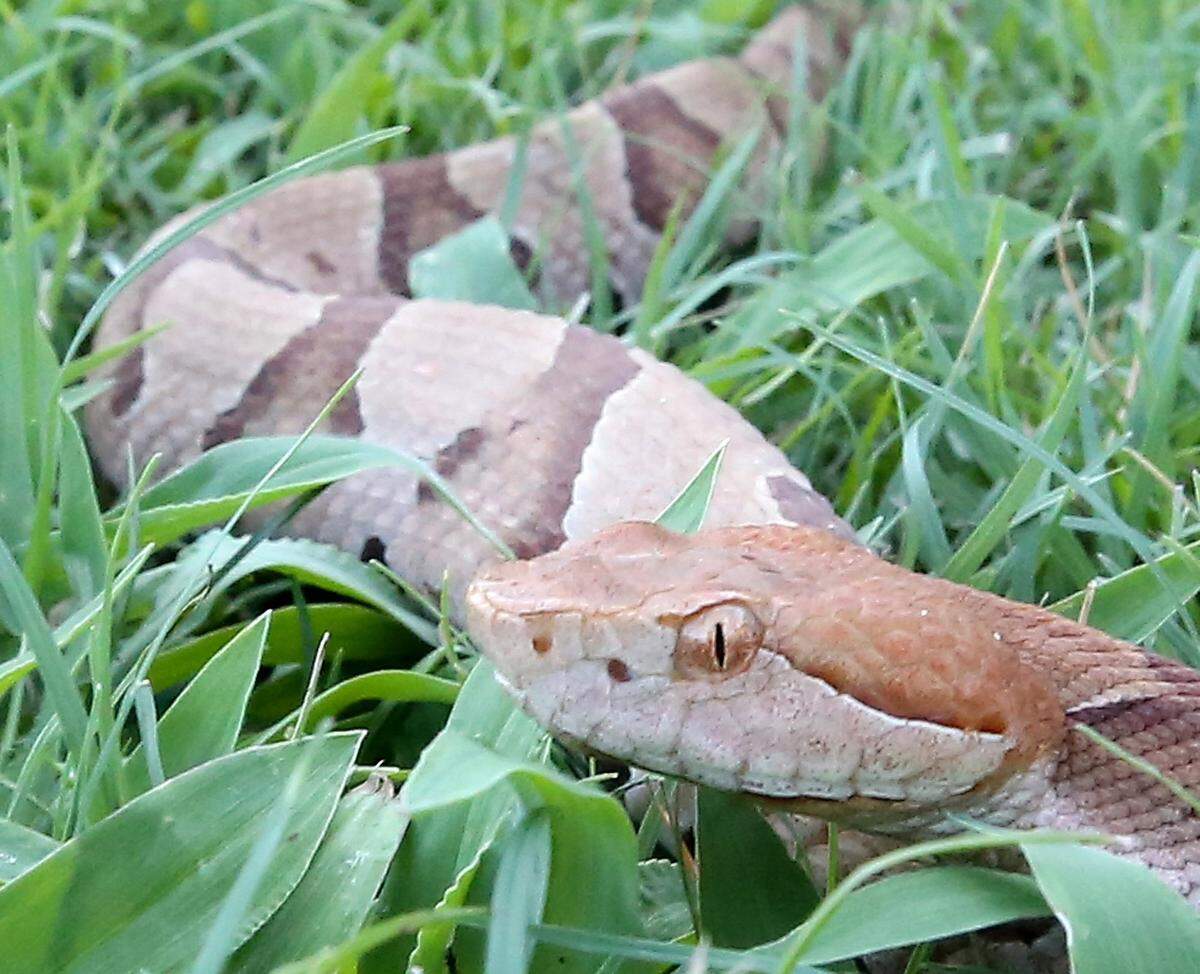
According to the Georgia Department of Natural Resources, a copperhead has brown, tan and beige tones, which easily blend in with Georgia’s wooded landscape. Copperheads also have markings that resemble “‘Hershey’s Kiss’ shapes” all the way down its body.
Another distinct part of this snake is its angular shaped, golden-coppery head, where it gets its name.
What to do if dog or cat is bitten by copperhead
If your dog or cat has been bitten by a copperhead snake, you should call your local veterinarian immediately.
“Let them know your dog was bitten by a snake and ask if they carry antivenom. If you have to, drive to a clinic that’s further away if it means your dog will have access to antivenom,” as stated on American Kennel Club’s website. “Antivenom works best when given immediately, but it is still effective hours, and even days, after a bite.”
When you are on your way to the vet, keep the bitten part of your pet below the level of the heart, if at all possible. This helps to slow the spread of toxins, said petMD experts.
Once you arrive, other treatment will depend on how serious the bite is and where the wound is located on your pet’s body.
Snake bite symptoms
According to petMD, these are several symptoms your cat may experience after being bitten by a copperhead:
Extreme pain and swelling at the site of the bite
Swelling, bruising or dark fluid that spreads outward from the bite site
Nausea, drooling, vomiting, diarrhea
Pale gums
Blood in the urine
Dilated pupils
Weakness, lethargy
Shallow or labored breathing
Elevated heart rate
Low blood pressure
Muscle twitching (after a bite by a neurotoxic rattlesnake)
Shock
And if your dog gets bitten, here’s are some symptoms to look out for:
Pale gums
Mental dullness
Changes in breathing (either slower or faster than usual)
Drooling
Tremors
Collapse
What not to do
If your pet is bitten by a copperhead, here’s what to avoid:
Don’t wait. “When in doubt, have your dog checked out. Dogs are smaller than people, so a snake that is venomous to humans is even more so to dogs,” said petMD experts. The same goes for cats, if you suspect your feline has been bitten.
American Kennel Club experts said the following treatments could be ineffective and/or dangerous to try yourself: tourniquet or constriction bandage, sucking out the venom, antihistamines, ice, NSAIDS to control pain and corticosteroids to control swelling.
How to keep snakes away
Northwest Exterminating suggested the following tips to keep snakes away from your home and yard:
Get rid of food sources and water
Remove and clean up possible hiding spots like firewood, coiled up hoses and under sheds
Keep brush and grass manicured
Fill in burrows or holes made by rodents
Have more questions about snakes? Let me know at cmadden@mcclatchy.com.
This story was originally published July 22, 2025 at 6:00 AM with the headline "If a copperhead bites your dog or cat in Georgia, follow these tips to save its life."