‘Crisis in our community.’ New Columbus childcare center tries to help solve issue
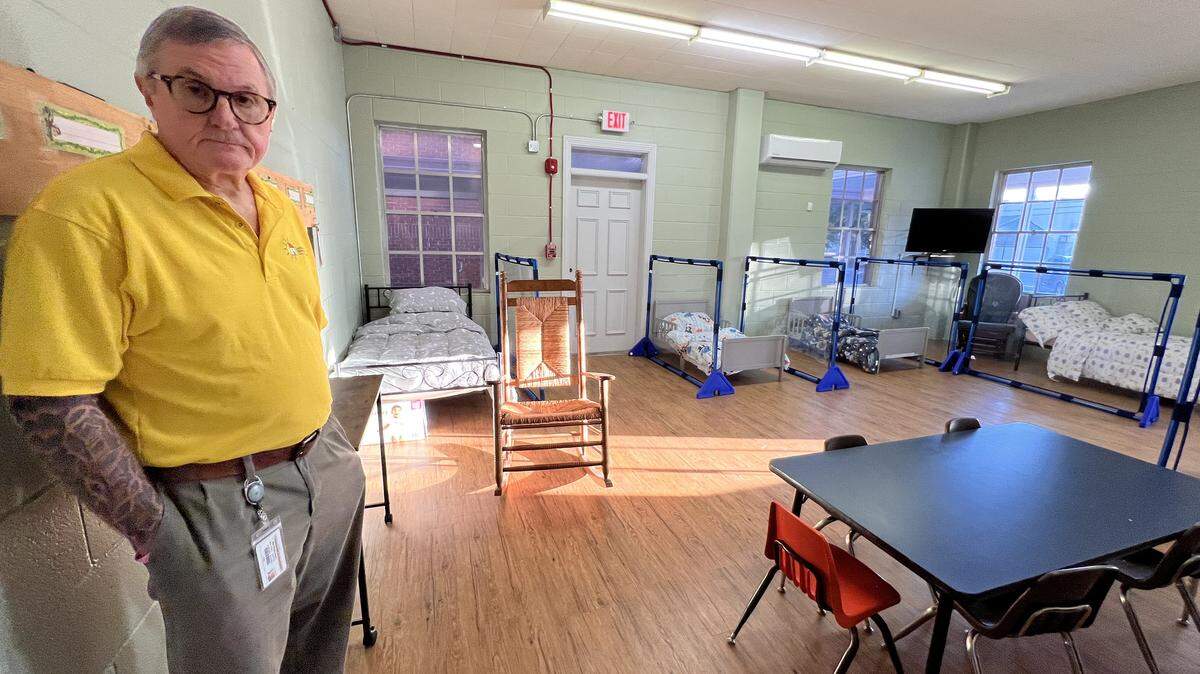
SafeHouse Ministries has opened a new childcare center in Columbus to meet a critical need in the community for more childcare.
Bright Futures of Columbus, 1342 17th St., held a ribbon-cutting ceremony Monday and is scheduled to start taking care of children Oct. 27, Anna Kowalsky, the center’s director, told the Ledger-Enquirer.
The center is in the Fort Church at Eastern Heights and cares for children as young as newborns and as old as 12. It is open Mondays through Fridays from 5 a.m. to 8 p.m.
“We offer care for children with disabilities, including the autism spectrum,” Kowalsky said. “We offer a hands-on curriculum that helps cross-dimensionally in their development.”
Bright Futures also is the only licensed facility in the state to offer all-day sick care for children, she said.
SafeHouse Ministries serves people experiencing homelessness or at risk of homelessness, SafeHouse executive director Neil Richardson told the Ledger-Enquirer, and that group usually doesn’t have access to childcare.
More than 14,000 children younger than 4 live in Columbus, Richardson said, but the city has only 8,000 childcare slots.
“So who’s going to get cut out?” he said. “We started with a mission of trying to get childcare for our clients and then for people on life’s margins that were being turned away or not getting access.”
The organization soon recognized a bigger need in the community.
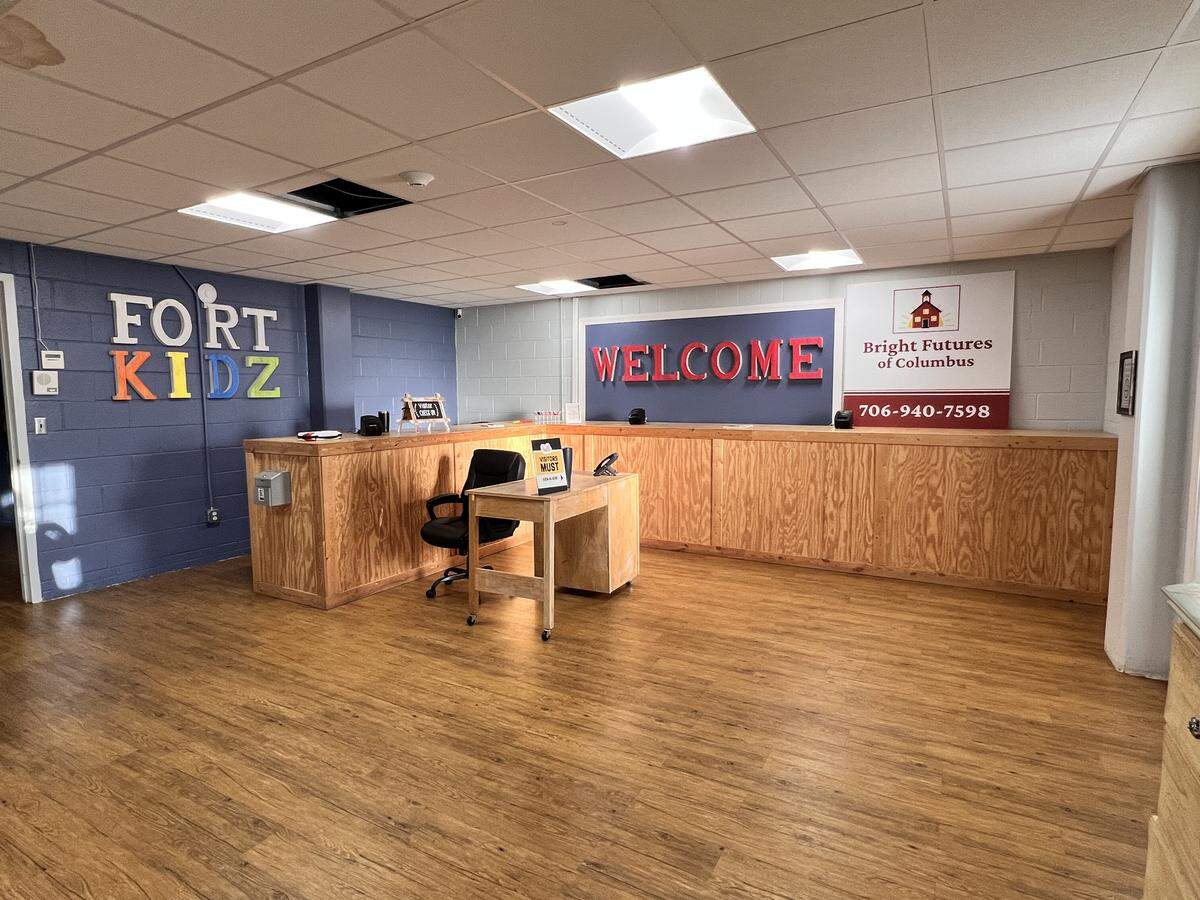
Opening Bright Futures of Columbus
The process of opening Bright Futures began about a year ago, Richardson said.
After they realized how big the shortage of childcare is in Columbus, he said, they decided to make Bright Futures available to more people than just those at risk of homelessness.
“This is a crisis in our community,” Richardson said. “And until we solve this crisis, we’re not attracting new employment. We’re not attracting new companies to come here, and that hurts us as a community.”
By sharing the depth of the problem they were trying to solve, he said, SafeHouse Ministries was able to raise the money necessary to open Bright Futures. The childcare center’s full capacity would be 146 kids, Kowalsky said. At this time, they can accept 50 children while they build enrollment, she said. As their enrollment grows, they will extend their capacity to the full number as they get more staff and equipment.
“We have about 30 children enrolled, but not all 30 have a contrac,” Kowalsky said. “We have about a dozen on contract right now. So we have about 30 to 35 spots that are open for contract.”
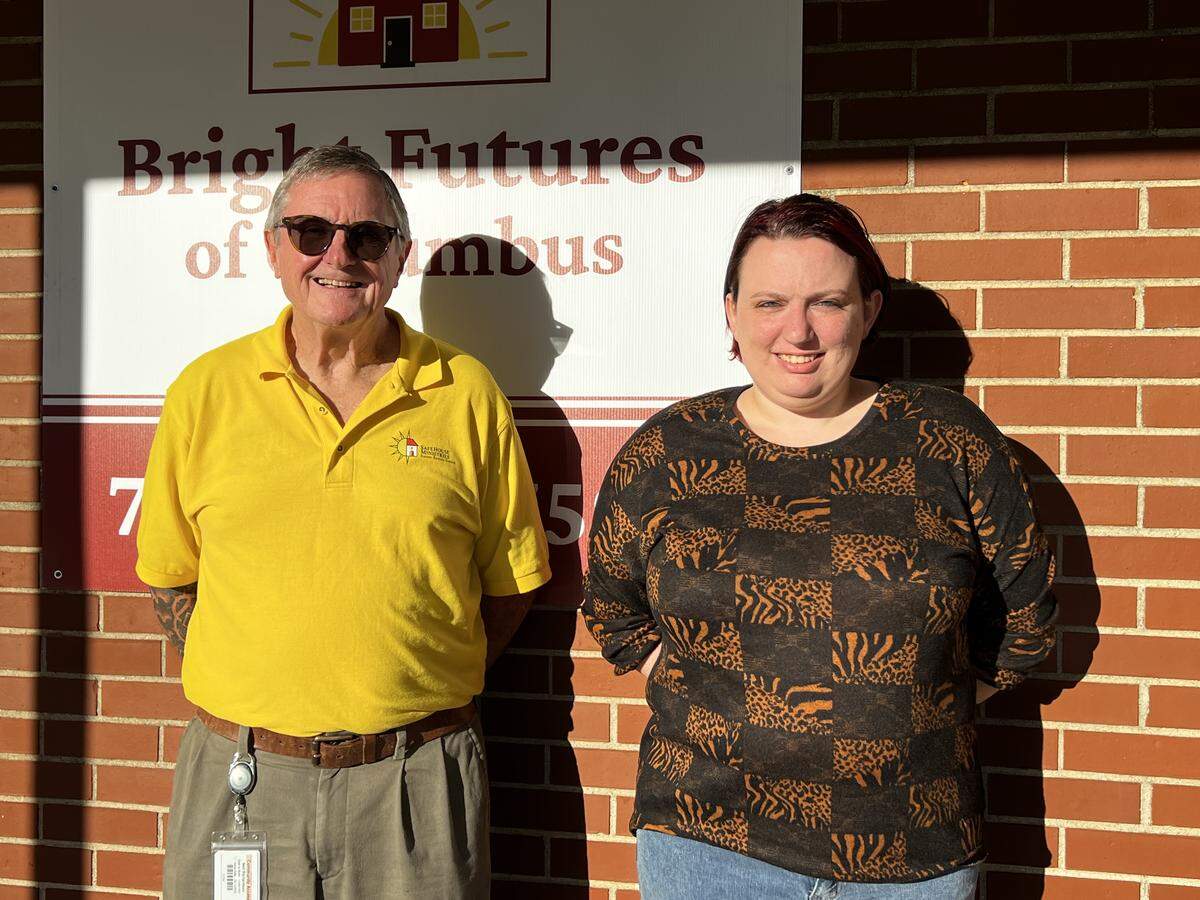
Bright Future can be replicated elsewhere in the community, Richardson said.
Over the past year, SafeHouse visited several potential locations for the childcare facility, he said, including businesses and churches. At least two of the locations, which wouldn’t have worked out in the long run, liked the plan and began their own childcare services, Richardson said.
“We’ve been able to plant seeds that have nurtured,” he said. “Also, Columbus Tech is a key partner here because the training is being done for childcare workers.”
The college is integral in creating a pipeline of people trained to work in childcare, Richardson said.
What parents can expect at Bright Futures of Columbus
One of the most important services Bright Futures offers is all-day sick care, Kowalsky said.
“I got the idea from having two children who get sick,” she said. “My husband has had to miss important things at work because our children were sick. I couldn’t leave work.”
In Kowalsky’s situation, her husband took care of their children without missing wages, she said. But it is a decision parents shouldn’t have to make for minor issues like a sniffle or persistent cough, Kowalsky said.
Most childcare centers have a small sick room, she said, but they are for when kids become symptomatic. They can be moved to the sick room and their parents are called to come pick them up.
The sick room at Bright Futures offers a place for parents to bring their children if they can’t take off work, Kowalsky said, and kids who get sick while they are already at the center can stay if needed.
“One of our teachers was a pediatric nurse, worked in pediatric units and worked in the pediatric ER,” she said. “So she’s seen it all and done it all.”
The sick room is for mild illnesses. Kowalsky said, but if children are vomiting or have high fevers, then Bright Futures would send them home because they could be a biohazard.
Bright Futures also offers quick access to childcare. Getting a child enrolled in state-run childcare can take a few weeks to a month, Richardson said.
If a homeless mother is trying to get a job, she can’t bring her 2-year-old to the job interview, he said. And the state won’t get her child enrolled fast enough for her to begin the job search, he said.
“You can bring them 20 minutes after you turn in the last piece of paperwork,” Kowalsky said.
They have drop-in care so a parent who has sent in the paperwork but doesn’t have a contract with Bright Futures can bring their child in, she said.
“Having that quick availability for parent is going to be instrumental,” Kowalsky said.
Pricing for Bright Futures varies, she said, and depends on the children’s ages and needs of the family. Parents interested in learning more about the costs should call Bright Futures at 706-940-7598, Kowalsky said.
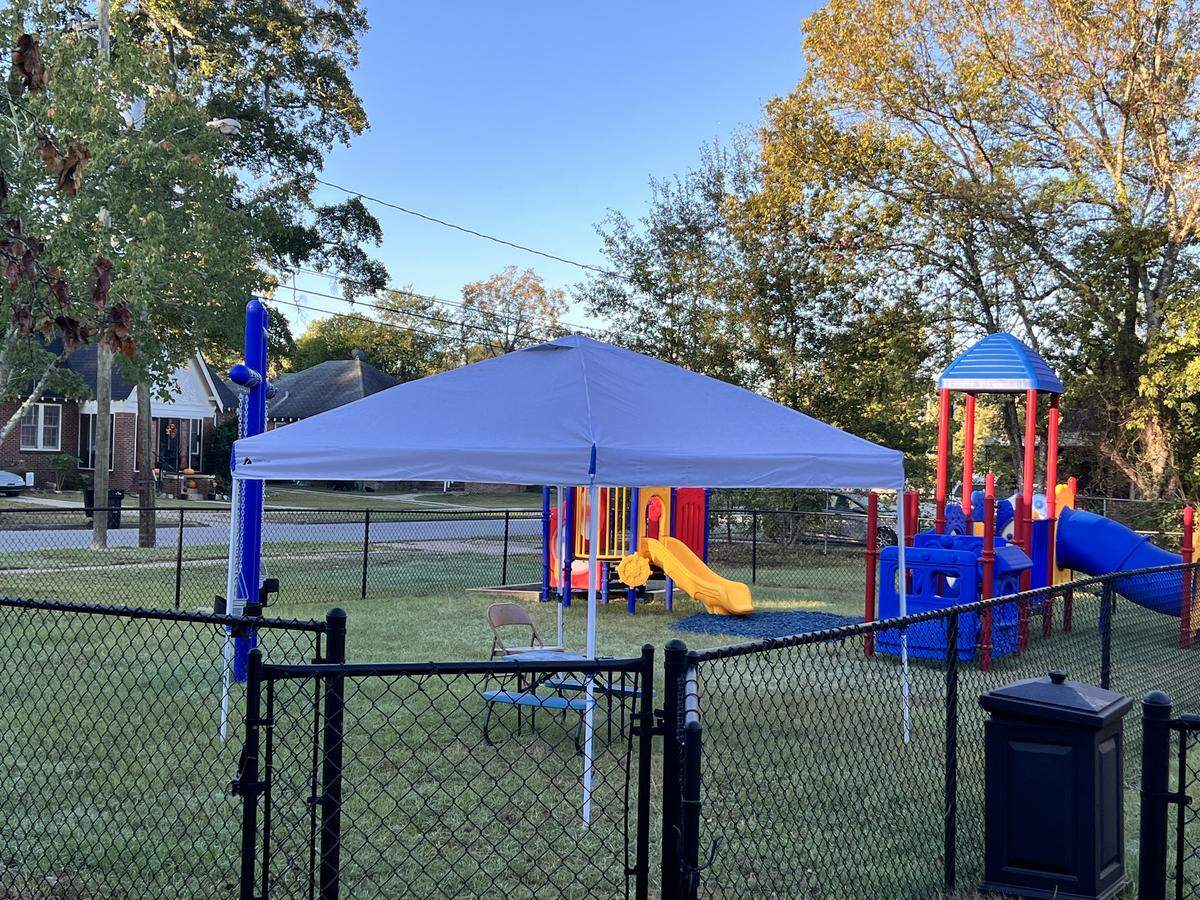
Inclusivity and Curriculum
The staff is trained across multiple disabilities, including the autism spectrum and Down syndrome, Kowalsky said.
“If they’re bringing their kids here, we can expect the highest level of care and an enriching and stabilizing environment,” she said.
Bright Futures has about a dozen people on its staff, Kowalsky said, who will teacher virtue education and character education with the school-age kids. They also offer French, Spanish and American Sign Language instruction.
The center’s curriculum is called Lilio Learning, Kowalsky said, which is cross-dimensional and hands-on learning.
“As a lay person, it’s play therapy,” Richardson said. “Children learn with playing. So, a lot of our toys have multiple colors, multiple textures … We can do counting. We can do colors. We can do shapes. We can do ladders — all from a toy.”

Instead of doing flash cards, Kowalsky said, teachers can help children engage with topics on a deeper, hands-on level. Staff also will continuously monitor their skills, she said.
“So the first month the child is here, we’re checking their skills,” Kowalsky said. “And every three months after, we’re making sure that there’s growth.”
This story was originally published October 22, 2025 at 12:29 PM.