
Christian nationalism hot topic in Columbus mayoral race. Here’s an explainer for it & other -isms
The recent controversy in the Columbus mayoral race over Christian nationalism reveals a deep lack of understanding about ideological and political vocabulary.
Columbus connection
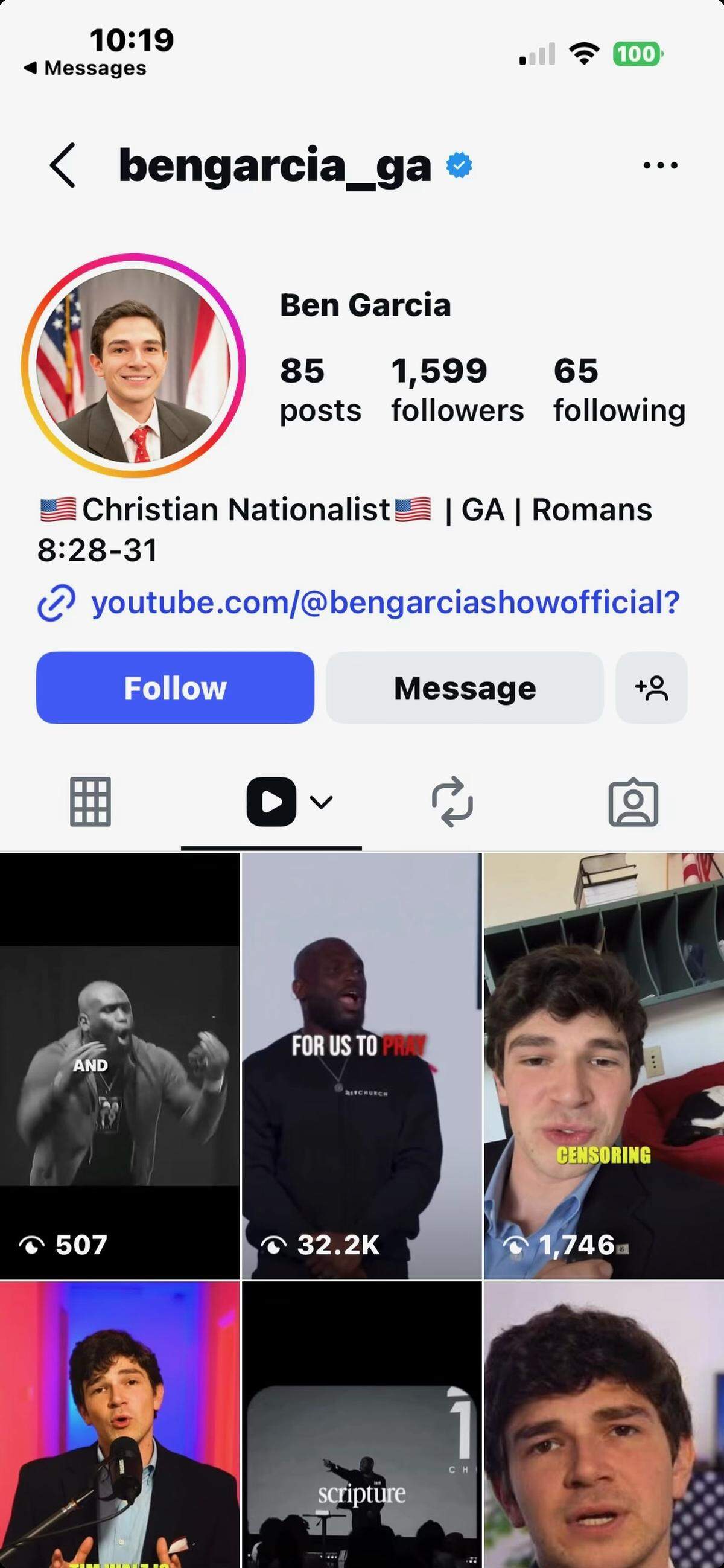
Mayoral candidate Joanne Cogle paid over $20,000 to Magnolia Grove Consultants, run by an individual who described himself as a “Christian nationalist.” Columbus Councilor John Anker is still listed as a client as well, although he said he is not currently using Magnolia Grove Consultants.
A heated debate broke out on the Ledger-Enquirer’s Facebook page this week, as readers debated terminology and semantics over the term “Christian nationalism.”
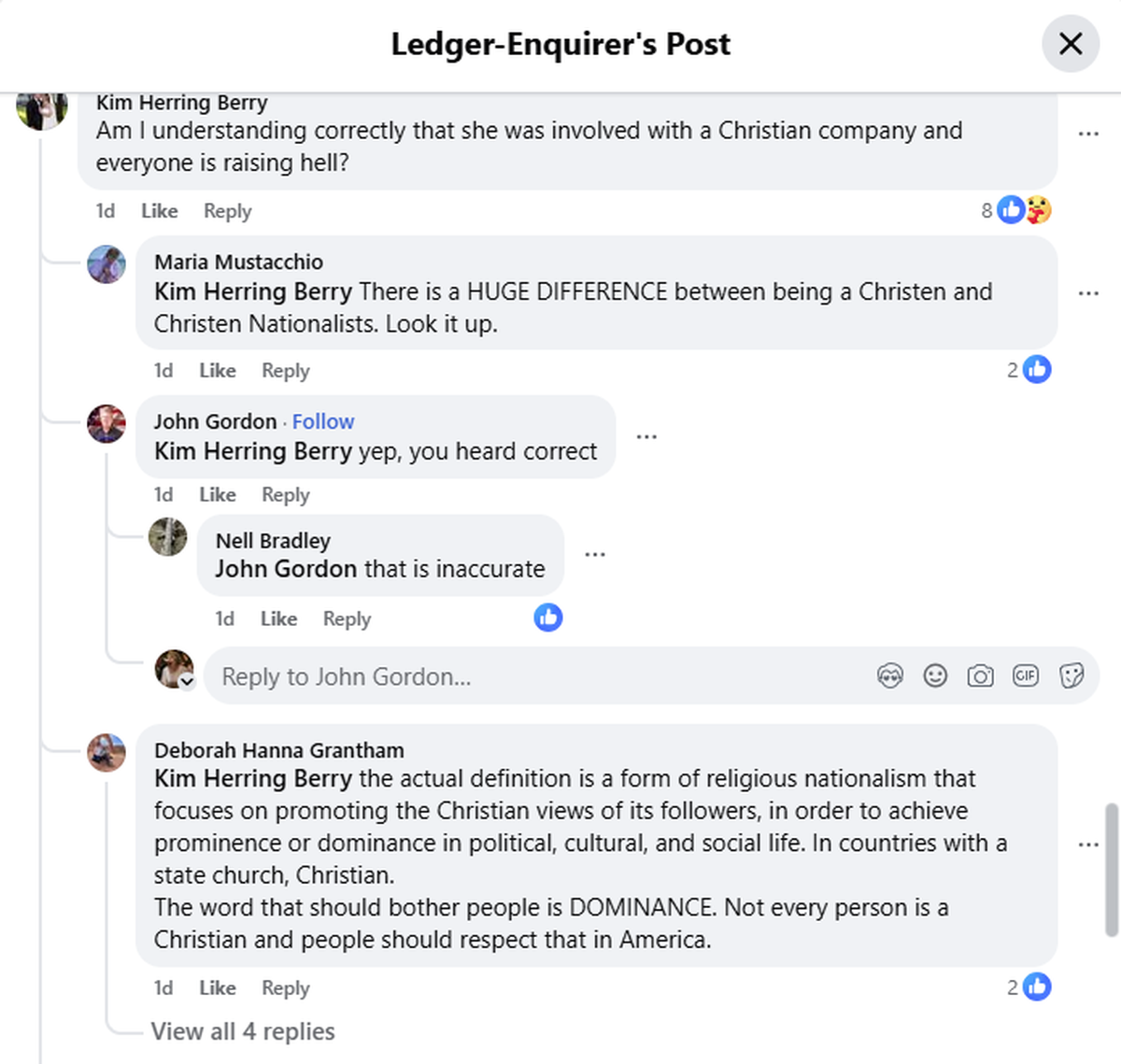
Cogle has since dropped Magnolia Grove Consultants from her campaign team and posted in the comments section of the above Facebook post. The Ledger-Enquirer’s Brittany McGee reported on her alleged involvement with the ideology.
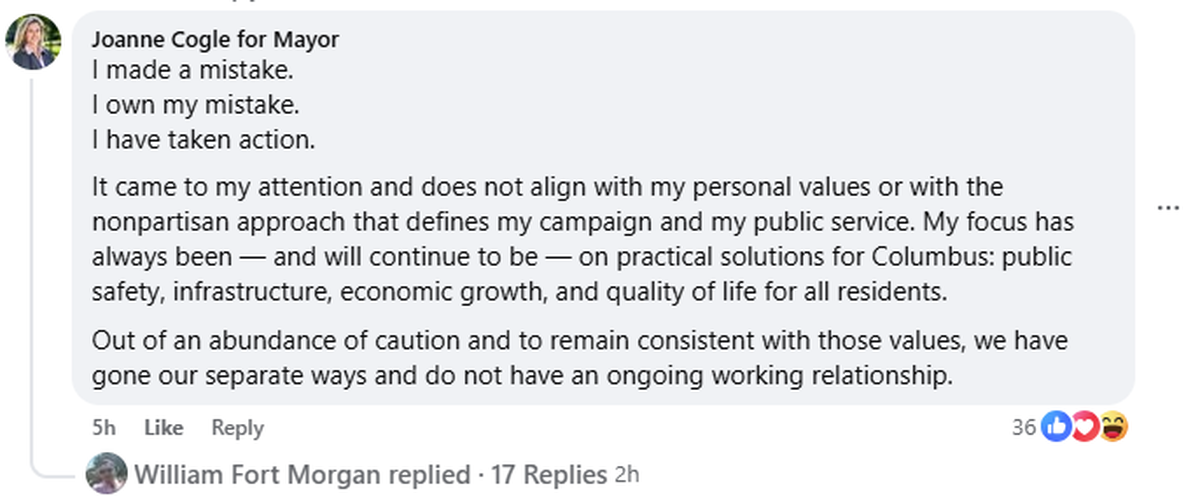
She quoted Cogle as saying, “These views recently came to my attention and do not align with my personal values or with the nonpartisan approach that defines my campaign and my public service. My focus has always been and will continue to be on practical solutions for Columbus: public safety, infrastructure, economic growth and quality of life for all residents.”
Other mayoral candidates have since weighed in on the topic involving the lead consultant at Magnolia Grove, Ben Garcia.
To help clear it up, here’s a glossary of terms, by category, from trusted sources, to help readers understand how to use them appropriately and wisely.
Ideologies and worldviews
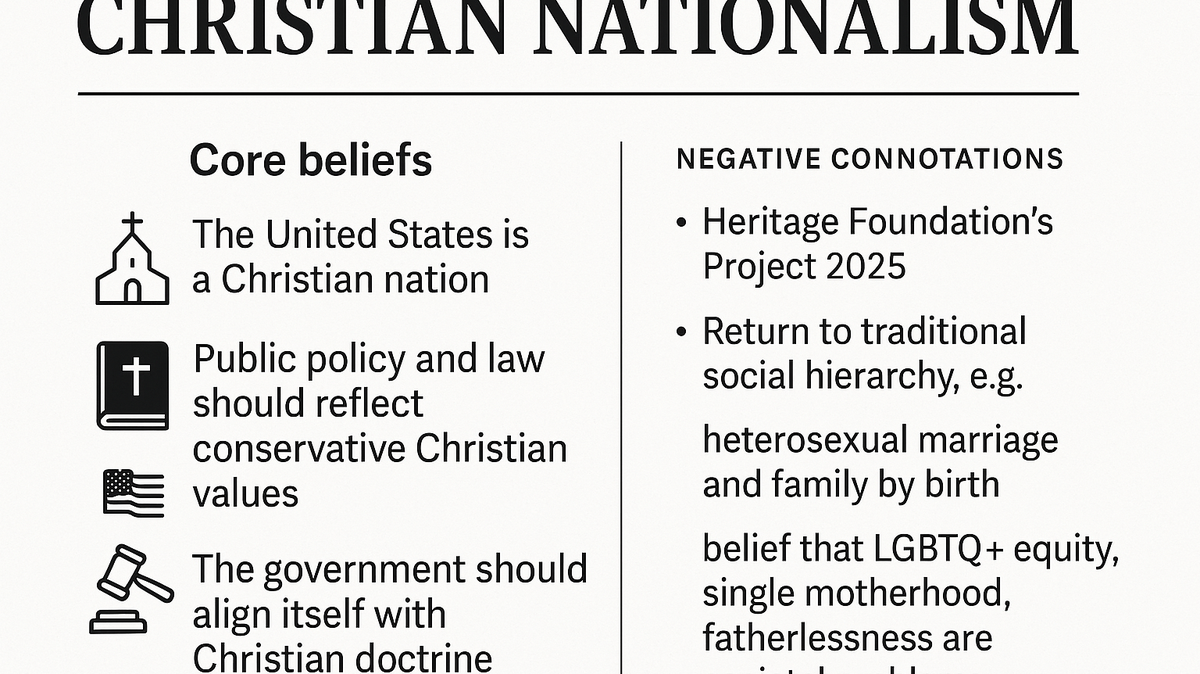
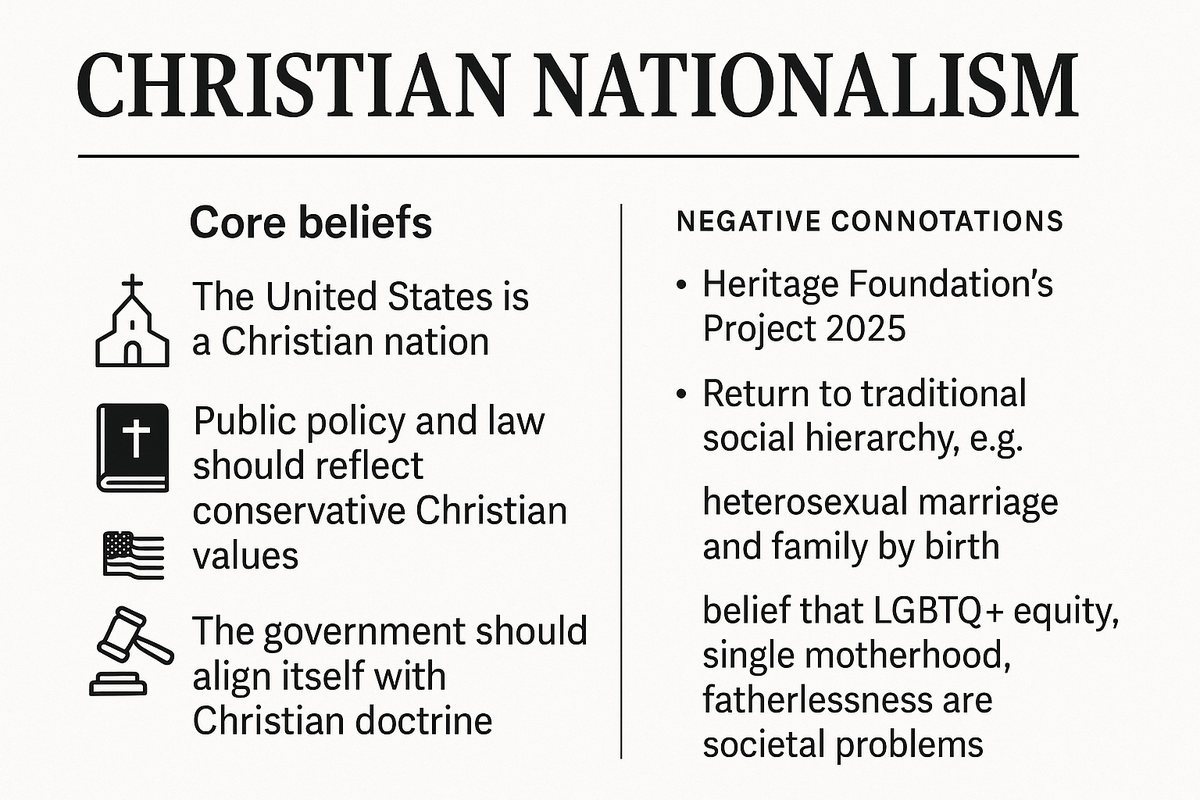
Christian nationalism
- The United States is, or should be, an explicitly Christian nation.
- Public policy, law and national identity should reflect that religious commitment.
- Political movements should overlap with conservative Christian values.
- Government should align with specific interpretations of Christian doctrine.
Negative connotations:
- Connection and cosigning of the Heritage Foundation’s Project 2025.
- Possible reshaping of American civic life.
- Return to a more traditional social hierarchy.
- Encourages marriage between a man and woman and the production of a family by birth.
- Belief that LGBTQ+ equity, single motherhood and fatherlessness are the root of societal disarray.
Nationalism
- Emphasizes loyalty, devotion and identity with one’s nation.
- A belief that the nation’s culture or ethnic group should be privileged in policy.
- The state exists primarily to serve that group.
Negative connotations:
- Xenophobia
- Development of an “us vs. them” framing
- Collectivism over individualism
Populism
- Politics are a struggle between “the people” and corrupt or out‑of‑touch elites.
- Promises to give greater voice or power to ordinary citizens, often via strong leaders.
- Distrust of procedures and institutions.
Negative connotations:
- Exclusionary narrowing
- Excluding opponents as “traitors” or “sellouts”
- All-or-nothing discourse
Common political terms
Liberalism
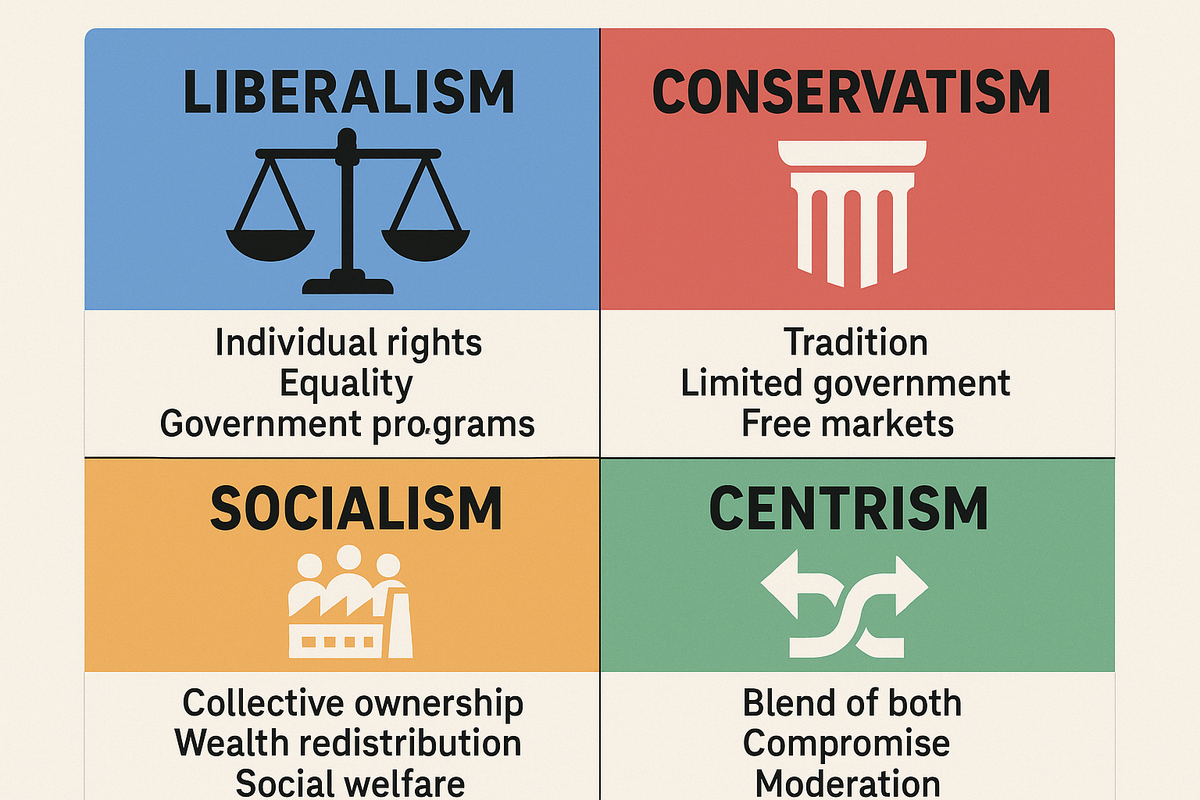
- Favors individual rights
- Promotes social and economic equality
- Believes in an active government role in regulating the economy and providing social programs.
Conservatism
- Values tradition
- Seeks limited government involvement
- Promotes free markets
- Belief in social stability
- Often includes socially conservative stances on religion, family and cultural norms.
Socialism
- Advocates for collective or state ownership of major industries
- Favors redistribution of wealth
- Emphasizes social welfare and reducing inequality
- Party and system terminology
Fascism
- Centralized, dictatorial leadership with little tolerance for political opposition or dissent.
- Intense promotion of national unity, often with a belief in the inherent superiority of one’s nation or ethnic group.
- Limits free speech, press, political parties and civil liberties in favor of strict control by the state.
- Glorifies military strength, readiness for war and the use of violence to achieve political goals.
- Opposes democratic institutions and principles, often replacing them with a one-party state.
Centrism
- Falls near the center of the left–right political spectrum
- Blends elements of liberal and conservative approaches
- Often favors compromise and moderation.
Left‑wing
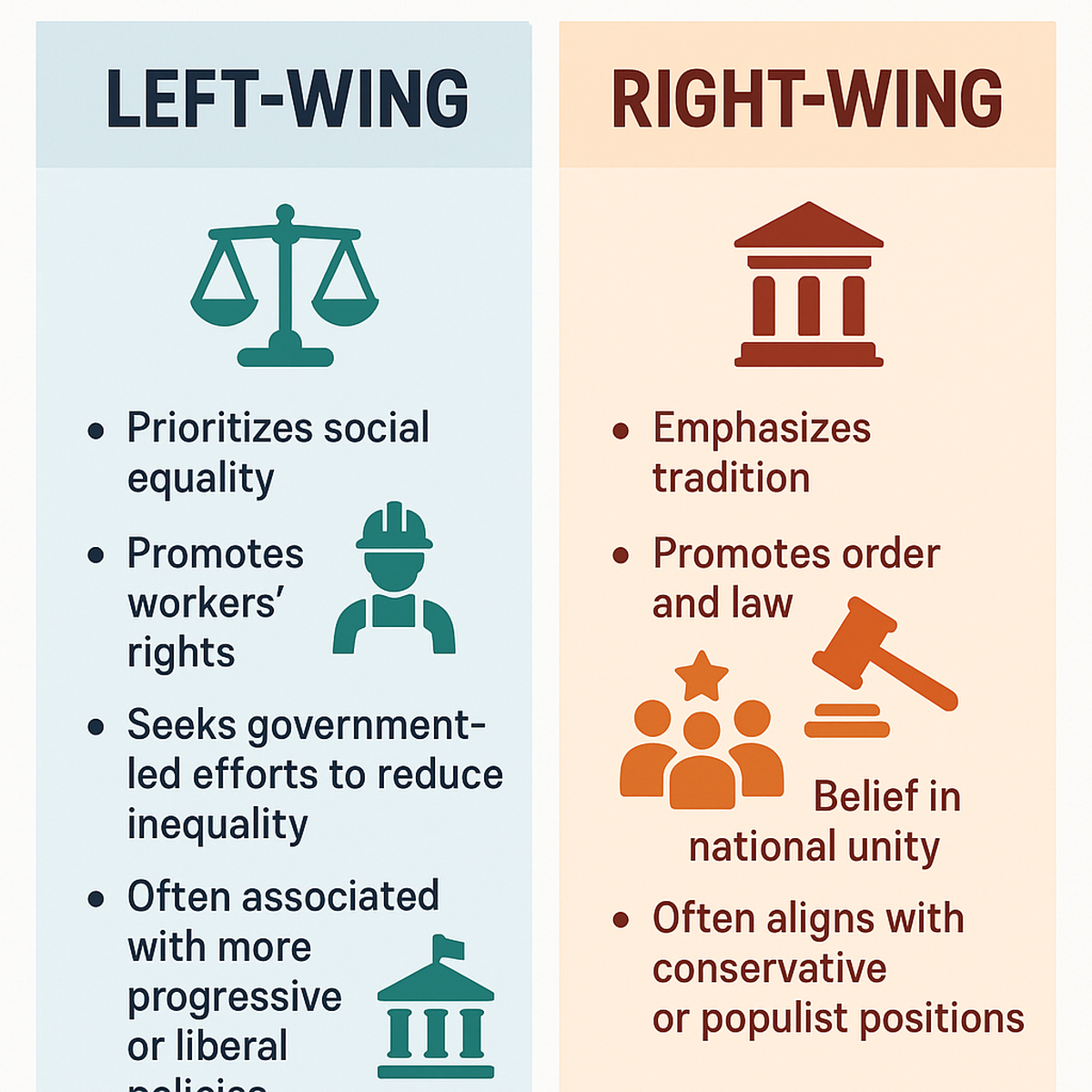
- Prioritizes social equality
- Promotes workers’ rights
- Seeks government‑led efforts to reduce inequality
- Often associated with more progressive or liberal policies.
Right‑wing
- Emphasizes tradition
- Promotes order and law
- Believes in national unity
- Often aligns with conservative or populist positions
Extremism
Political positions far from the mainstream of a society’s political spectrum.
Typically involves:
- Uncompromising demands
- Rejection of democratic norms
- Calls for radical change
Tribalism
- Polarized loyalty to one’s “team” (party or faction)
- Often overrides policy details
- Can lead to demonization of opponents and poor governance.
Rights‑related and partisan identities
Secularism
- Government and public institutions should operate on a neutral, nonreligious basis.
- Separation between church and state.
Individualism
- Individual freedom and autonomy are the guiding principles of government and society.
- Often underpinned by libertarian or classical-liberal thought.
Collectivism
- Group interests should be prioritized over individual choice.
- Often associated with socialist or communitarian visions of society.
Political alliances and behavior
Bipartisan
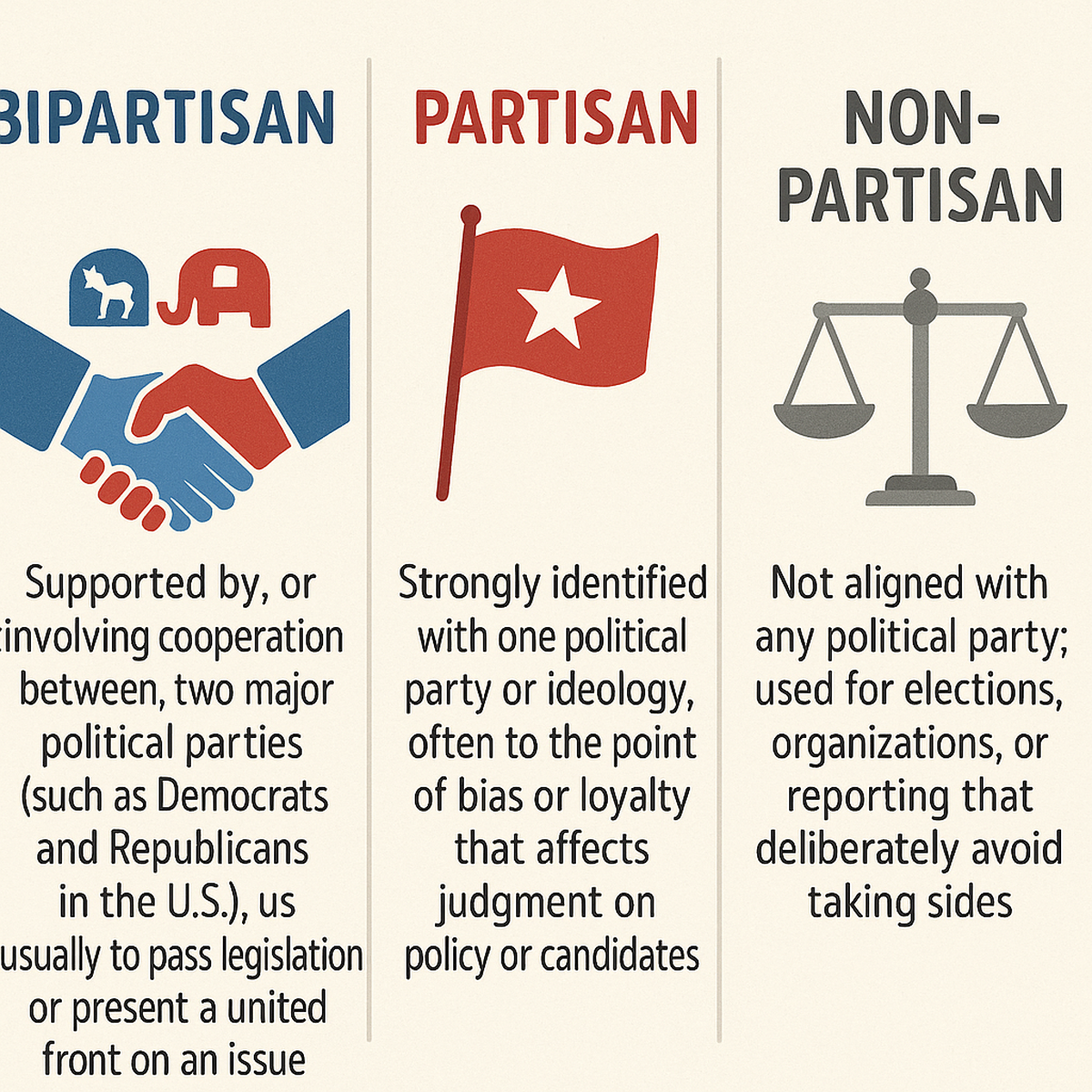
- Supported by or involving cooperation between two major political parties (most often Democrats and Republicans in the United States), usually to pass legislation or present a united front on an issue.
Partisan
- Strongly identified with one political party or ideology, often to the point of bias or loyalty that affects judgment on policy or candidates.
Non‑partisan
- Not aligned with any political party; used for elections, organizations or reporting that deliberately avoid taking sides.
Bipartisan consensus
- A situation where legislators from both major parties agree on a policy, making it more likely to pass and often signaling broad public support — or at least deep institutional support.
Coalition
- A temporary alliance of parties, interest groups or individuals working together, often across ideological lines, to achieve a common political goal, such as passing a bill or forming a governing majority.
Sources cited
Although this is not, by any means, an exhaustive list, these terms are useful to stay informed with current events and understand the subtext of news media stories.
- Political Research Associates
- Ketterling Foundation
- National Adult Literacy Agency
- Social and Legal Studies
This story was originally published February 14, 2026 at 6:00 AM.