
Subfreezing weather headed to Columbus again soon. Any snow chances? Here’s the forecast
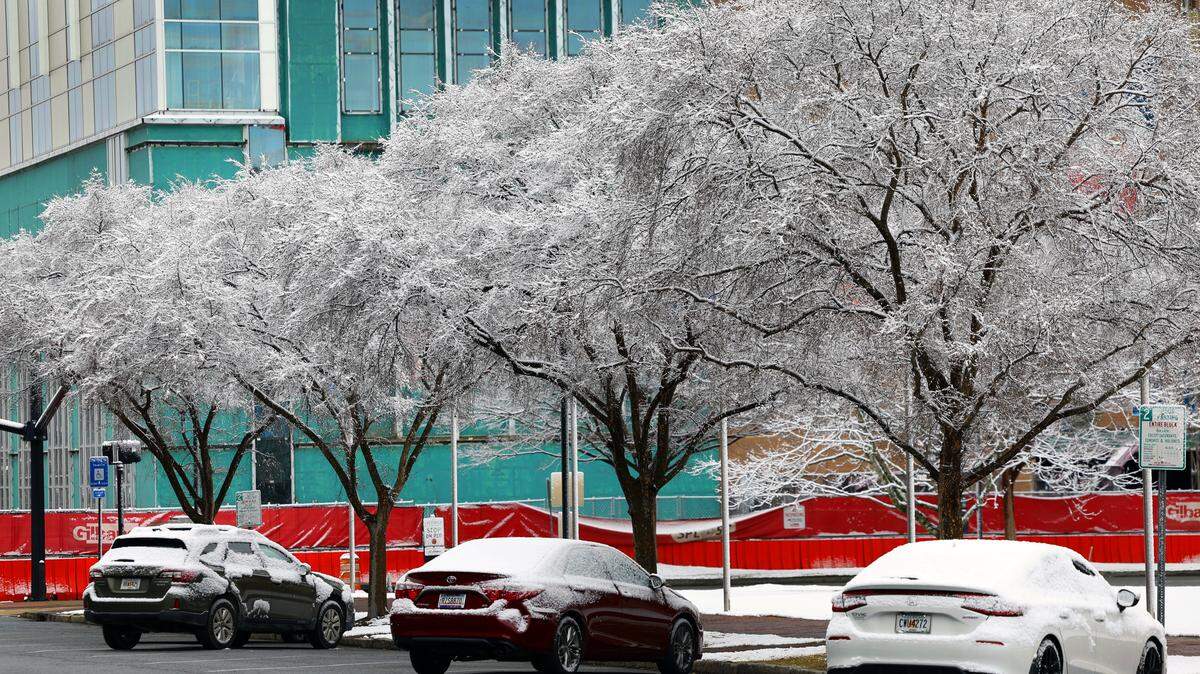
Columbus, if you’ve been enjoying this incredible weather this week, I’ve got some bad news for you. A cold front is moving through the area this weekend, and forecasters say temperatures will drop back below freezing by early next week.
According to the National Weather Service, (NWS), Columbus can expect freezing temperatures again by the end of the weekend, despite the unseasonably mild conditions we’re experiencing now. There is no prediction for snow in the forecast.
The cold-weather forecast
Saturday
- High: 76℉
- Low: 46 ℉
- Precipitation chance: 60%. Showers with thunderstorms starting around midmorning and continuing all day
Sunday
- High: near 58℉
- Low: around 31℉
- Clear and sunny
Monday
- High: 50℉
- Low: around 26℉
- Sunny and mostly clear
Tuesday
- High: 56℉
- Low: 31
- Sunny and mostly clear
Wednesday
- High: 64℉
- Low: 49℉
- Partly to mostly cloudy during the day
- Chance of precipitation: 30% Mostly cloudy with a chance of showers
The warm weather, explained
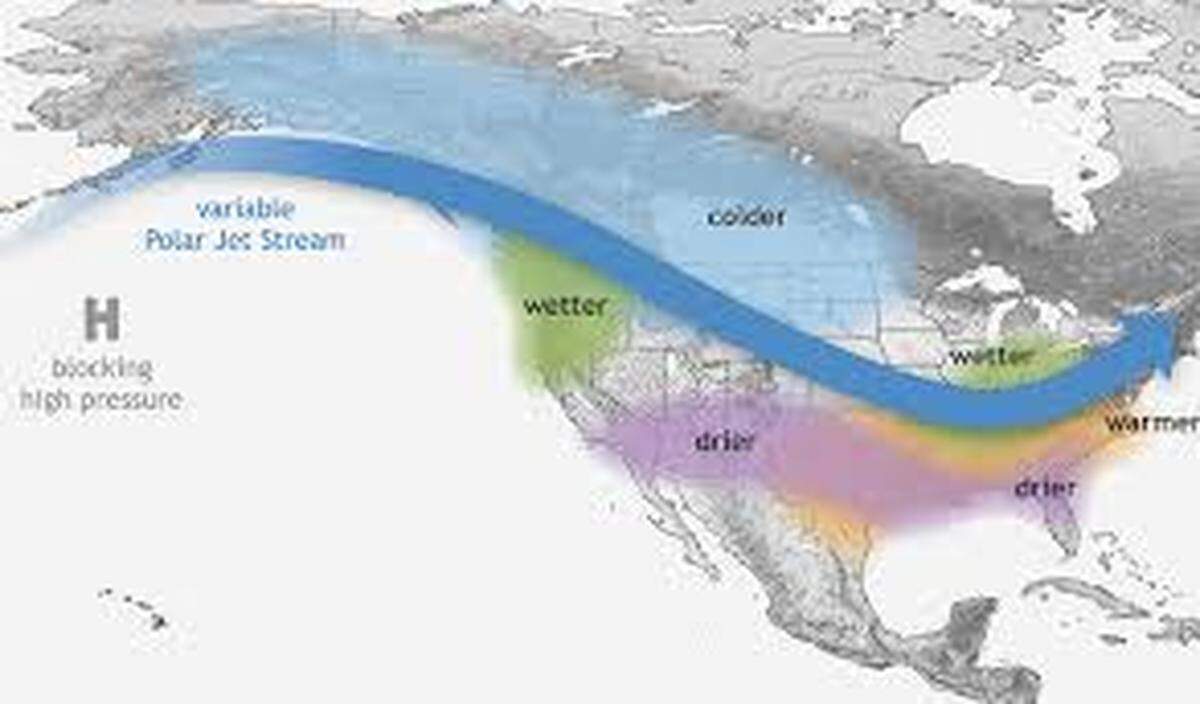
The warm stretch is part of a broader pattern meteorologists have been tracking across the Southeast all winter. A combination of La Niña conditions and an increasingly wavy jet stream has been pushing warmer air into the region.
What are La Niña conditions?
La Niña is a natural climate phenomenon characterized by the following elements:
- Cooler-than-average sea surface temperatures
- Stronger trade winds
- A push of warm water westward
How does the jet stream affect weather?
The jet stream is a fast-moving river of air high in the atmosphere that steers storms and air masses across the continent.
- Directs cold and warm air: When it dips South, it drags Arctic air with it.
- Steers storms: Low-pressure systems and rain events tend to follow its path.
- Creates temperatures swings: A “wavy” jet stream means sharp fluctuations in boundaries between cold and warm air.
- Shifts seasonally: In winter, it typically sits farther south, which is why cold air can reach Georgia at all; as spring approaches, it migrates north and takes the cold with it.
When to expect spring, for real
Columbus sits in a climatological sweet spot. Winter is typically short by national standards, but it can be as harsh as any other area. The next few weeks are historically the most volatile on the calendar.
Spring stats:
- The average last freeze date falls in mid-to-late March, though freezes have occurred as late as mid-April.
- March highs average in the upper 60s temps.
- April highs average in the mid-70s and overnight lows consistently staying above freezing.
- Wide temperature swings are normal through March.
The impending cold snap will most likely feel like shock after this week’s beautiful weather, but those temperatures are actually more in line with the averages for Columbus.
Make sure to plan for the colder weather, and if you need assistance with your utility bill, email me at srose@ledger-enquirer.com or find me on social media.
This story was originally published February 20, 2026 at 6:00 AM.