
The physical toll of heroin: Takes the body to the 'point of no return'
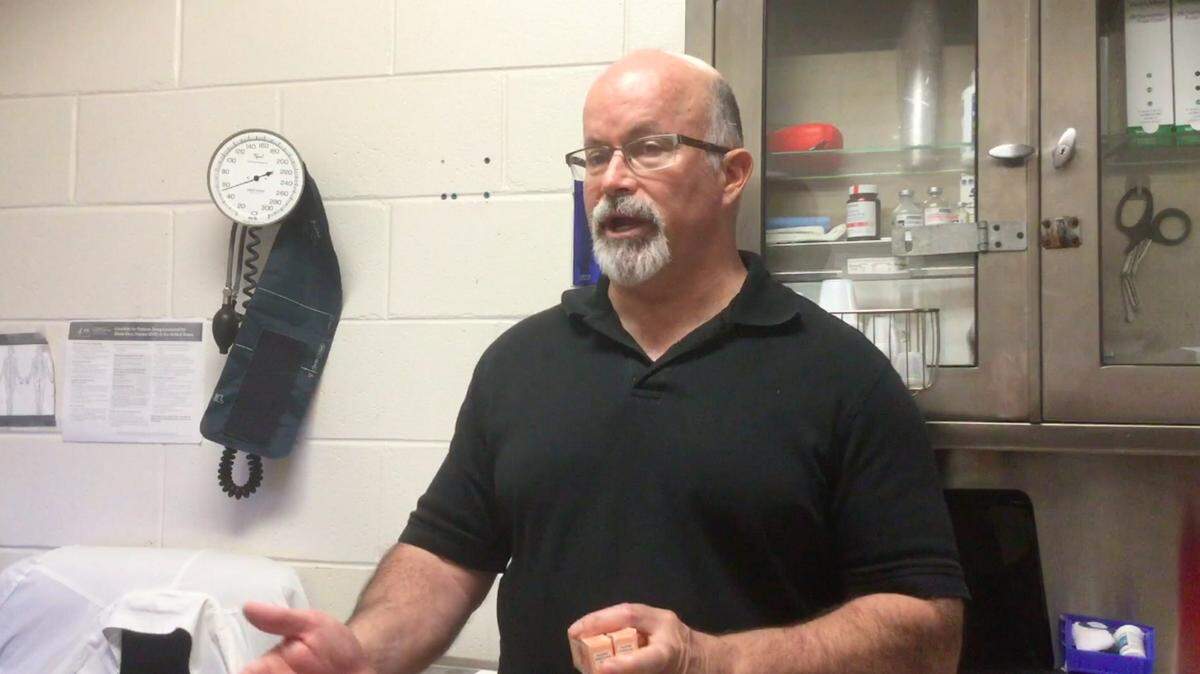
The young woman walked into the Muscogee County Jail with a heroin addiction, and that's where she discovered the drug's deleterious effect.
"I don't think she's 22 years old yet, and her health is completely ruined," said Paul Morris, the jail's health services administrator. "She has the heart of a sick 90-year-old because of the infections caused by injecting this stuff and the impurities that come with it."
Morris said that's the dirty secret about heroin that many people don't realize. It's not only an illegal substance that hooks people to a vicious cycle of drug dependency; it also ravages the body to a point of no return. He said the young inmate, whom he couldn't identify because of privacy issues, is only one example.
"I think if we were as a society to say we won't accept something, this is the something that should really get our attention, and the consequences for transporting heroin and selling heroin should be a completely different level than it is for all of these other drugs," he said, "because what it does to people is a completely different level of abuse to that person."
Heroin is a highly addictive opiate processed from morphine, a natural substance extracted from the seed pod of some poppy plants. It is usually "cut" with sugars, powdered milk, starch or quinine. In its pure form, it is a white powder with a bitter taste that can be snorted or smoked.
Black tar is an impure version of the drug that is dissolved, diluted and injected into the veins and muscles or under the skin.
When heroin enters the brain, it is converted back into morphine and binds to receptors in the brain, stimulating the release of dopamine, a neurotransmitter associated with pleasure.
"Abusers typically report feeling a surge of pleasurable sensation -- a 'rush," according to a report by the National Institutes of Health. "With heroin, the rush is usually accompanied by a warm flushing of the skin, dry mouth, and a heavy feeling in the extremities, which may be accompanied by nausea, vomiting and severe itching."
From there, the physical toll can be deadly.
"After the initial effect, users usually will be drowsy for several hours, mental function is clouded, heart function slows, and breathing is also severely slowed, sometimes enough to be life-threatening," according to the report. "Slowed breathing can also lead to coma and permanent brain damage."
Heroin users also experience scarred and collapsed veins, bacterial infections, boils, and soft-tissue infections. Additives from street heroin may clog blood vessels that lead to the lungs, liver, kidneys and brain.
Lung complications could include pneumonia and tuberculosis. Muscogee County Coroner Buddy Bryan said the heroin on the street these days is more potent and harsher than in the past, causing heart problems for many users.
"The rhythm of the heart is thrown into an off-pattern from what it should be," he said, "which causes myocardial infarction and cardiac arrest."
Morris said the jail inmate who came to him for treatment was using a form of heroin that damaged her heart.
"The drug is so impure that when it's passing through the blood vessels, and it goes through the heart valves, it creates scabs and infections, which makes (the heart valves) incompetent," he said.
"They can't close when they're supposed to close; they can't open when they're supposed to open. And what happens eventually, the heart works super hard to do what it's supposed to do easily, so it gets inflamed and then it becomes weak.
"The heart valve itself has to be replaced, and replacing the heart valve puts you at risk forever for clots and things of that nature," he added.
Morris said heroin also takes a toll on the body during withdrawal. People are so physically addicted to the drug that when they can't have it, their bodies rebel violently.
The symptoms include hallucinating, sweating, shivering, vomiting and diarrhea, which can last for 10 days or more.
"It's like the Godfather would say, 'Heroin makes you an offer you can't refuse,'" he said.
"You take heroin and you think everything is great. You stop taking heroin and you think you're living in hell."
Alva James-Johnson, 706-571-8521. Reach her on Facebook at AlvaJamesJohnsonLedger.
This story was originally published October 26, 2015 at 10:40 PM with the headline "The physical toll of heroin: Takes the body to the 'point of no return'."