
America’s identity crisis
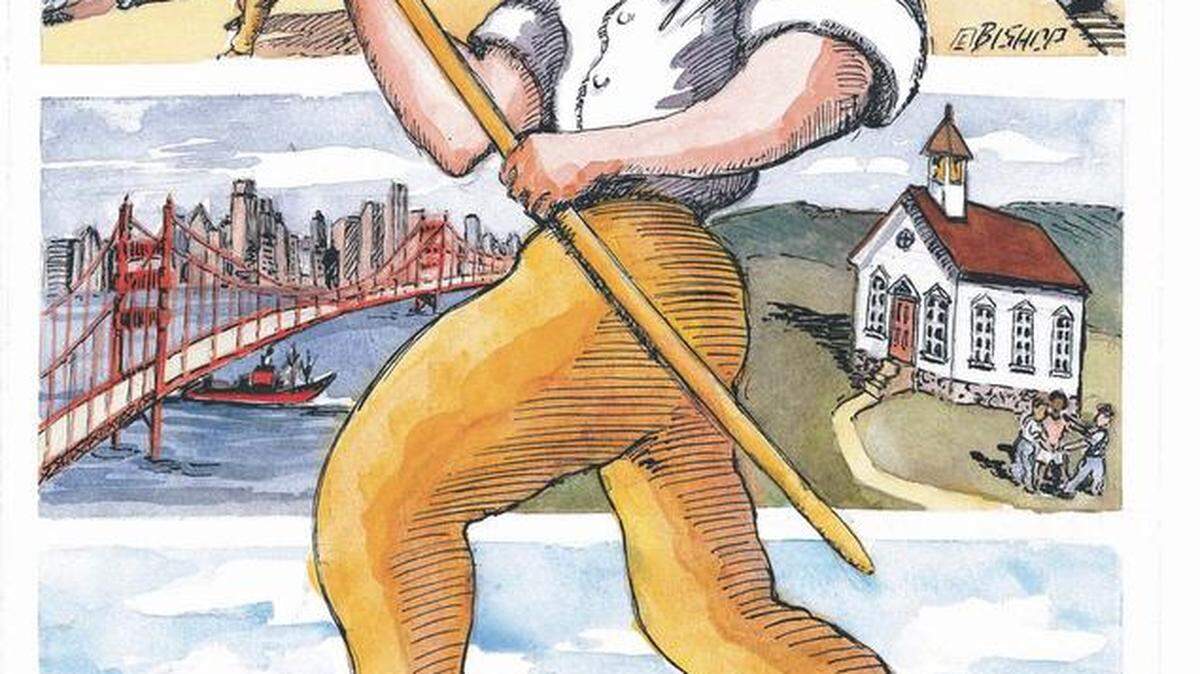
America has always been a nation of paradoxes.
Pilgrims flee religious persecution, only to set up their own system of intolerance.
Slave owners declare the country’s independence with the words, “All men are created equal.”
I believe it was the hand of God that inscribed those words in the Declaration of Independence. The Founding Fathers were merely tools used to write one of the greatest documents on earth.
And yet, even with Biblical principles rooted in its foundation, America has never really been a Christian nation. And I say that as one who’s very much a believer.
Over the years, I’ve argued that point passionately with some of my Christian brothers and sisters who fear America is straying from its Christian roots. As much as I share some of their sentiments, I’ve had to remind them — and myself — of the separation of church and state enshrined in the Constitution, ensuring freedom of religion for all, even those with whom we disagree.
Sure, our currency declares “In God We Trust,” I tell them. But even among Christians, there are so many varieties that the question becomes: Whose version of God are we talking about, anyway? Are we all on the same page?
That’s why freedom of religion is so important, allowing each person to choose according to his or her own conscience.
Now, as we celebrate the nation’s 240th birthday, America still has an identity crisis — not only when it comes to race and religion, but also immigration.
We were once a country with hands outstretched to the tired, poor and “huddled masses yearning to breathe free,” a nation of immigrants welcoming immigrants.
Now, with all the xenophobic rhetoric on the presidential campaign trail, it seems we may soon betray those ideals.
This past Sunday, I watched GPS, a CNN program hosted by Fareed Zakaria. In his opening remarks, Zakaria described a political divide developing in the Western World, using Britain’s recent vote to leave the European Union as an example.
The way Zakaria sees it, globalization has had a significant impact on Western countries due to “the free and fast movement of goods, services and information.” But he believes immigration is now the most significant disruptive force in Europe and North America.
“The migration of people in and out of countries has produced an emotional backlash against immigration, refugees, and indeed, the entire idea of globalization,” Zakaria said. “This is the new divide in the Western World. ... The struggle will go on, and the new politics of our age will not be left versus right, but open versus closed.”
So that’s something to ponder this Fourth of July weekend, as we celebrate our nation’s independence. How do we view ourselves today? And what kind of nation do we want to be in the future?
What ideals are worth preserving, and what should we throw away?
It’s a messy situation, but at least we can choose.
Happy Fourth of July, everyone!
Alva James-Johnson: 706-571-8521, @amjreporter
This story was originally published June 30, 2016 at 2:47 PM with the headline "America’s identity crisis."