
Judge sentences fired Columbus police sergeant who fatally shot paramedic in her home
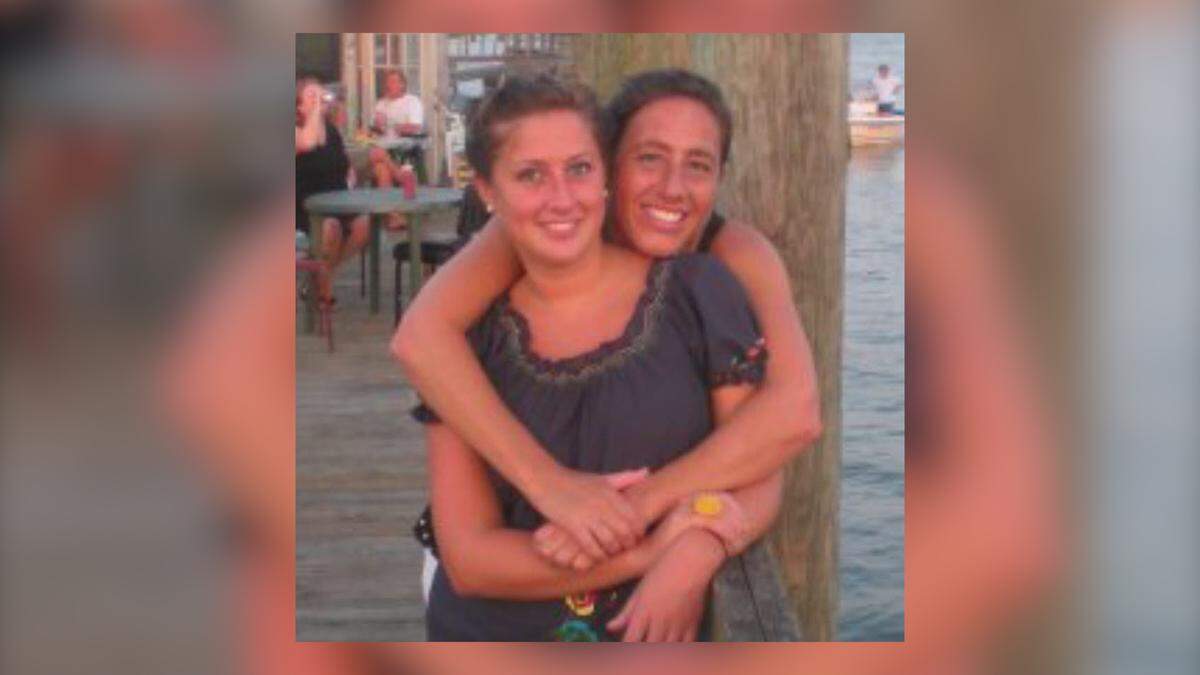
Fired Columbus police sergeant William Leonard “Bill” Talley III will spend at least the next 30 years of his life in prison for fatally shooting paramedic Kelly Levinsohn last year at her Pratt Avenue home.
After 90 minutes of heart-wrenching testimony Monday from the families and friends of both Talley and Levinsohn, the former officer pleaded guilty to murder and was sentenced to life with possible parole, meaning the 52-year-old likely will spend the next 30 years in a state prison before he is eligible for release.
Besides felony murder, he pleaded guilty to aggravated assault and using a gun to commit a crime. Charges of malice or deliberate murder and violating his oath as a police officer were dropped. The gun charge will add five years of probation to his sentence, taking effect upon his eventual release.
The plea deal was negotiated by Assistant District Attorney Robin King and defense attorney Jennifer Curry.
Witnesses sitting in front of computers to testify on camera struggled to contain their emotions as they described the grief of losing Levinsohn, 44, and the pain associated with Talley’s descent into alcoholism, which some said led to the violence that ended Levinsohn’s life on May 11, 2019.
Talley and Levinsohn were having an affair that Talley’s wife Rebecca Talley knew about, yet she continued to support him, hoping Levinsohn could help him, she testified: “Kelly came into our lives when Bill was broken and vulnerable,” Rebecca Talley said, adding Levinsohn cared for him even when “he was at his worst.”
Talley told Judge Gil McBride that he wished he would have done “just one thing” to stop what happened.
“I’m so sorry, but I know that those are just hollow words,” he said, later adding, “If there was some way I could go back and change.”
To those testifying on Levinsohn’s behalf, he said: “Y’all told the truth about Kelly. She’s a wonderful person, one of a kind, a flower in the desert.”
Family testimony
Levinsohn’s mother Wylma Levinsohn said reminders of her daughter’s death are daily occurrences.
If an ambulance passes, she has to remember not to look to see if Kelly’s driving. If Kelly’s beloved dog Finley acts up, she has to remember she can’t share that with her daughter.
“I think about the silly times we had together, and I think about her when her dog does something funny, and I know I can’t send her a picture,” she said.
She said Talley once sat with her and told her he loved Kelly and would never hurt her, the mother said.
“Those words of love and being together forever turned out to be empty and thoughtless,” she said. “Telling me he would never hurt my baby were words that became a nightmare, one that hasn’t ended or never will.”
Also addressing the court was her son Gary Levinsohn: “Kelly was my sister and she’ll always be my sister, but I’m not a big brother anymore,” he said.
He had to clean up the crime scene, and can’t forget it, he said: “The impact of her senseless murder continues to haunt me – sleepless nights pacing in circles, closing my eyes only to see the images of blood splattered in her house, and it will never go away, despite extensive, ongoing treatment for trauma and related stress.”
Levinsohn was a Columbus native who went to Reese Road Elementary School, Fort Middle School and Hardaway High. She got an associate’s degree in criminal justice from Columbus State University and became an advanced emergency medical technician with Care Ambulance.
She was devoted to her family and to her dog, friends said.
Bill Talley
Talley’s family also testified, telling McBride the native Virginian was a caring child who was always trying to rescue stray animals and befriend those less fortunate.
“He was a very tender person,” said mother Kathy Talley.
He joined the Army and became a Ranger, and later a day trader in New York City, where he was at the foot of the Twin Towers on 9/11, when the second plane hit.
He tried to help the first responders there, his mother said: “He saw things beyond imagination and never to be forgotten.”
The experience drove him to become a police officer, a job he loved, his parents said, but alcoholism took its toll.
“The poison of alcohol enveloped him and he was lost, confused and struggling,” his mother said.
“He never received the help he needed. It just wasn’t and isn’t right,” she told McBride, later adding, “You see, the misconception here is that police officers are the helpers, and not ones who need help.”
Still his wife and his girlfriend stood by him.
“I was invested,” Rebecca Talley testified. “We’d built a life together for 33 years and had two children. I was committed to loving him and supporting him forever, no matter what.”
Both she and Kelly tried to get him help, she added: “We tried. We really tried. Kelly and I even tried together, but so many systems are broken, and he fell through the cracks.”
She ended by addressing her husband directly: “William, I love you and I always will. I know you love me.”
The case
Talley shot Levinsohn in the head before driving her truck to Harris County, where he wrecked off Interstate 185’s Hopewell Church Road exit and threatened to kill himself, holding officers at bay as the Muscogee County Sheriff’s Office deployed its special response team to the site.
Talley eventually surrendered. Aside from injuries he sustained in the crash, neither he nor his captors suffered any harm.
Levinsohn’s homicide raised questions about Talley’s previous conduct when the Ledger-Enquirer through an open-records request obtained personnel files showing police had been called to Levinsohn’s home before.
Officers were summoned March 11, 2018, because Talley was there with a gun, visibly upset, apparently intoxicated and threatening to harm himself, reports showed. Police used three sets of handcuffs to restrain him, and he was taken to St. Francis Hospital for treatment.
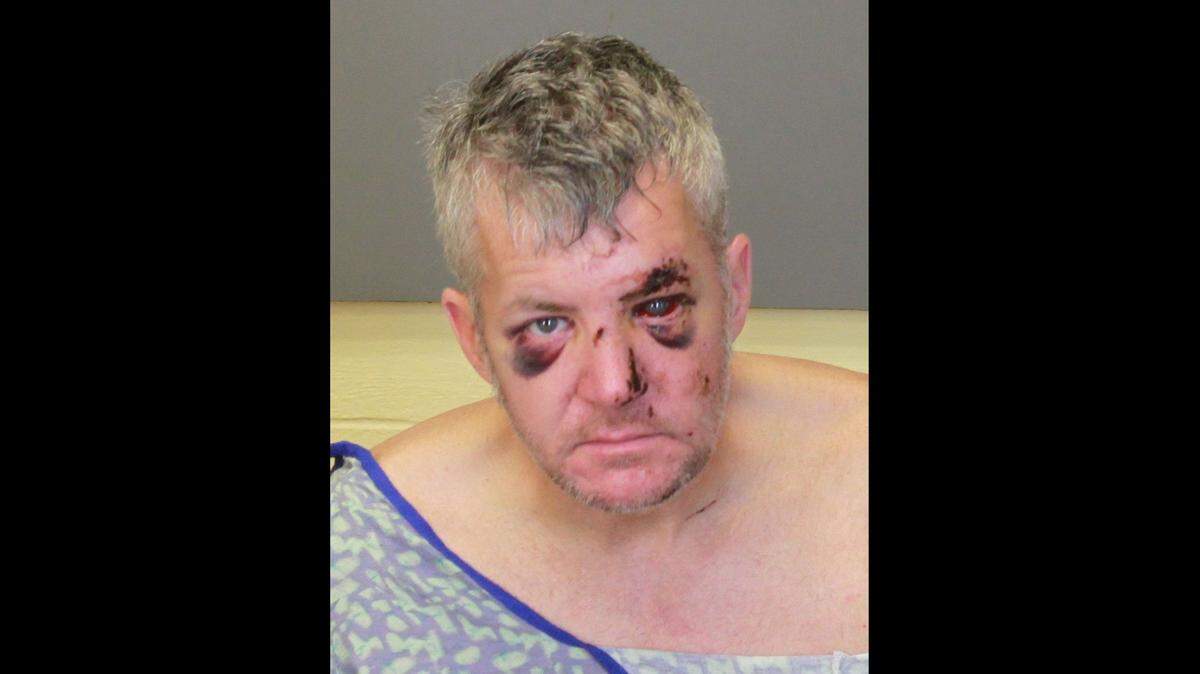
The incident resulted in Talley being placed on administrative leave and later being suspended for one day without pay, for violating department policy regarding alcohol consumption. He also was required to attend a city employee assistance program.
Eventually he was deemed fit for duty and returned to work. A sergeant in the department’s patrol division, Talley also served on the Special Weapons And Tactics (SWAT) team.
After his arrest in Levinsohn’s homicide, Talley was isolated in the Muscogee County Jail on suicide watch, though his attorney repeatedly tried to get him either released on bond or transferred to a treatment facility, saying the seclusion was causing his mental health to deteriorate.
He eventually will be transferred to the custody of the Georgia Department of Corrections to serve his sentence. The prison system briefly suspended accepting new inmates, during the coronavirus pandemic, but now accepts them on the condition that they test negative for the virus, said Muscogee County Sheriff Donna Tompkins, whose office is responsible for the jail.
This story was originally published September 28, 2020 at 1:02 PM.