
Prosecutors to drop Columbus ‘Cold Justice’ murder case. Could they bring it back?
Prosecutors want to dismiss charges in the Columbus cold-case homicide that gained national attention when it was featured on the TV show “Cold Justice.”
“Upon exhaustive reevaluation of evidence, defense materials, and work product, together with conversations with defense counsel and surviving members of William Kirby Smith Jr., the state believes it cannot meet the standard of proof at trial,” reads a court motion filed by Assistant District Attorney Robin Anthony.
Anthony is new to the case, but prosecutors already were facing dismissal for disobeying court orders to provide materials to the defense, including evidence related to the reality-TV crime drama that featured the arrests of suspects Rebecca Haynie, Smith’s estranged wife at the time, and her alleged lover, Donald Keith Phillips.
Anthony filed a motion called a “nolle prosequi,” which means prosecutors have decided not to pursue the case further. It does not mean they cannot re-indict it with additional evidence, and Georgia law has no time limit on filing murder charges.
Superior Court Judge Gil McBride has yet to rule on this move to close a case that has taken many turns since Smith, 50, was found shot once in the torso and again in the head the morning of Monday, March 8, 2004, in Kirby’s Speed Shop at 1438 Jacqueline Drive.
.jpeg "image2 (5).jpeg")
The police evidence
A coworker found Smith dead around 8 a.m., but investigators suspect he was shot around 9 p.m. the Sunday before, when his office computer data showed Smith had been online.
Detectives said they found no evidence of forced entry, and determined all that was missing was a gold necklace Smith wore. He still had cash in his pocket, and guns and more money were still in a safe in the shop.
During a preliminary hearing in 2014, investigators said they immediately considered the estranged wife a suspect, as she and Smith were involved in a contentious divorce, and Smith had evidence of his wife’s alleged infidelity.
They said witnesses told them Haynie had vowed she would get the gold necklace Smith wore, even if she had to take it off his dead body. They believed Phillips killed Smith at Haynie’s urging.
Identified in court documents as Rebecca Smith, Haynie since has remarried, and does not go by Smith now, her attorneys said.
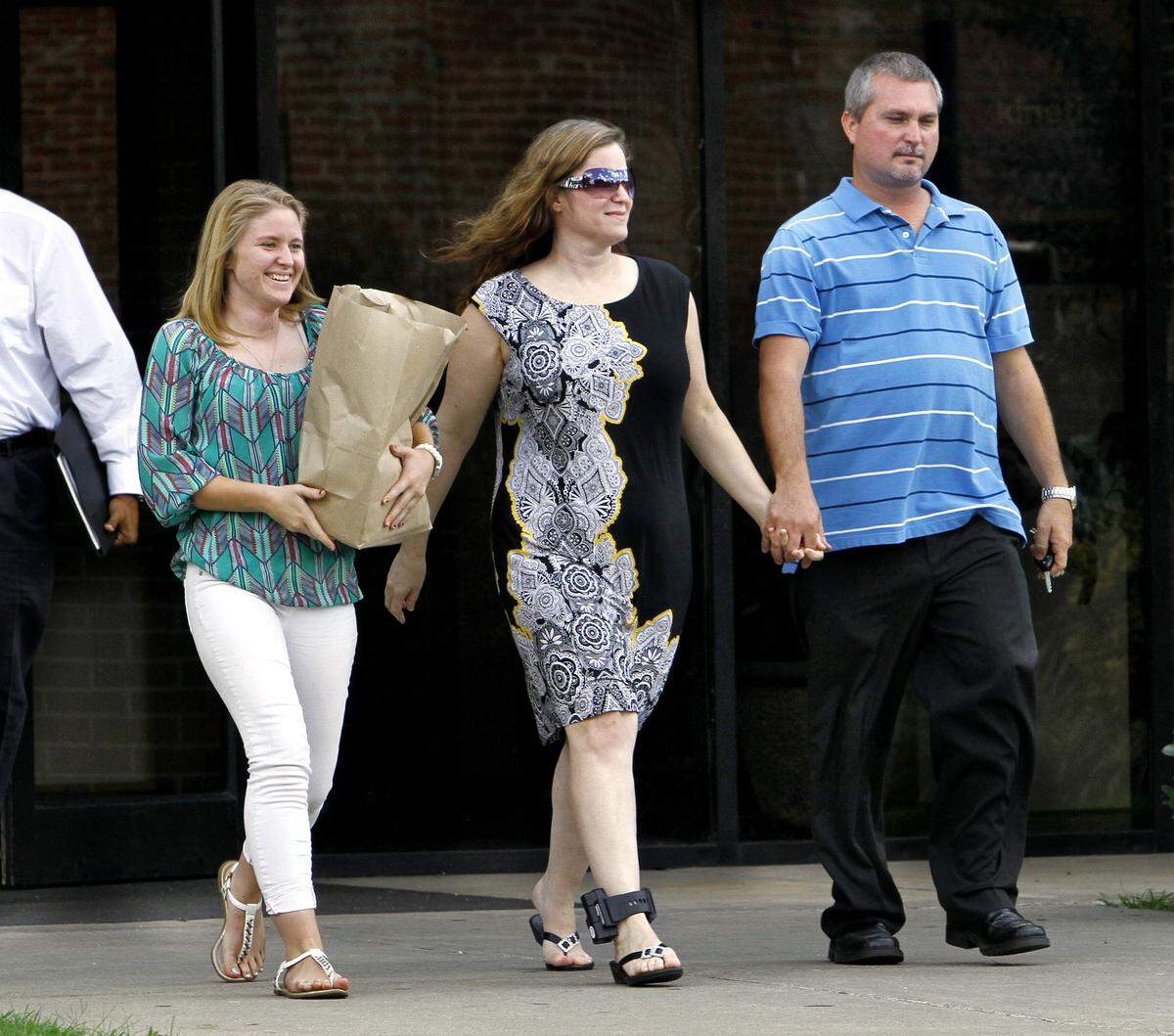
Despite detectives’ suspicions, police did not arrest the pair until June 15, 2014, when producers of the “Cold Justice” show got involved. The arrests were featured in an episode that aired a month later.
Defense attorneys long have claimed authorities have no direct evidence either Haynie or Phillips killed Smith, and neither would have been charged if not for the TV show.
Haynie is represented by Foss Hodges, Jason Sheffield and Erin King of the Decatur, Georgia, firm Peters, Rubin, Sheffield and Hodges. Columbus attorney John Martin represents Phillips.
Dismissal loomed
Claiming the TV show was the only evidence police had, the defense demanded materials from its production. Judge McBride ordered prosecutors to secure that evidence and share it, and that never happened.
McBride finally punished prosecutors by ruling they could not use any evidence from “Cold Justice” during the trial, but other defense demands also went unmet.
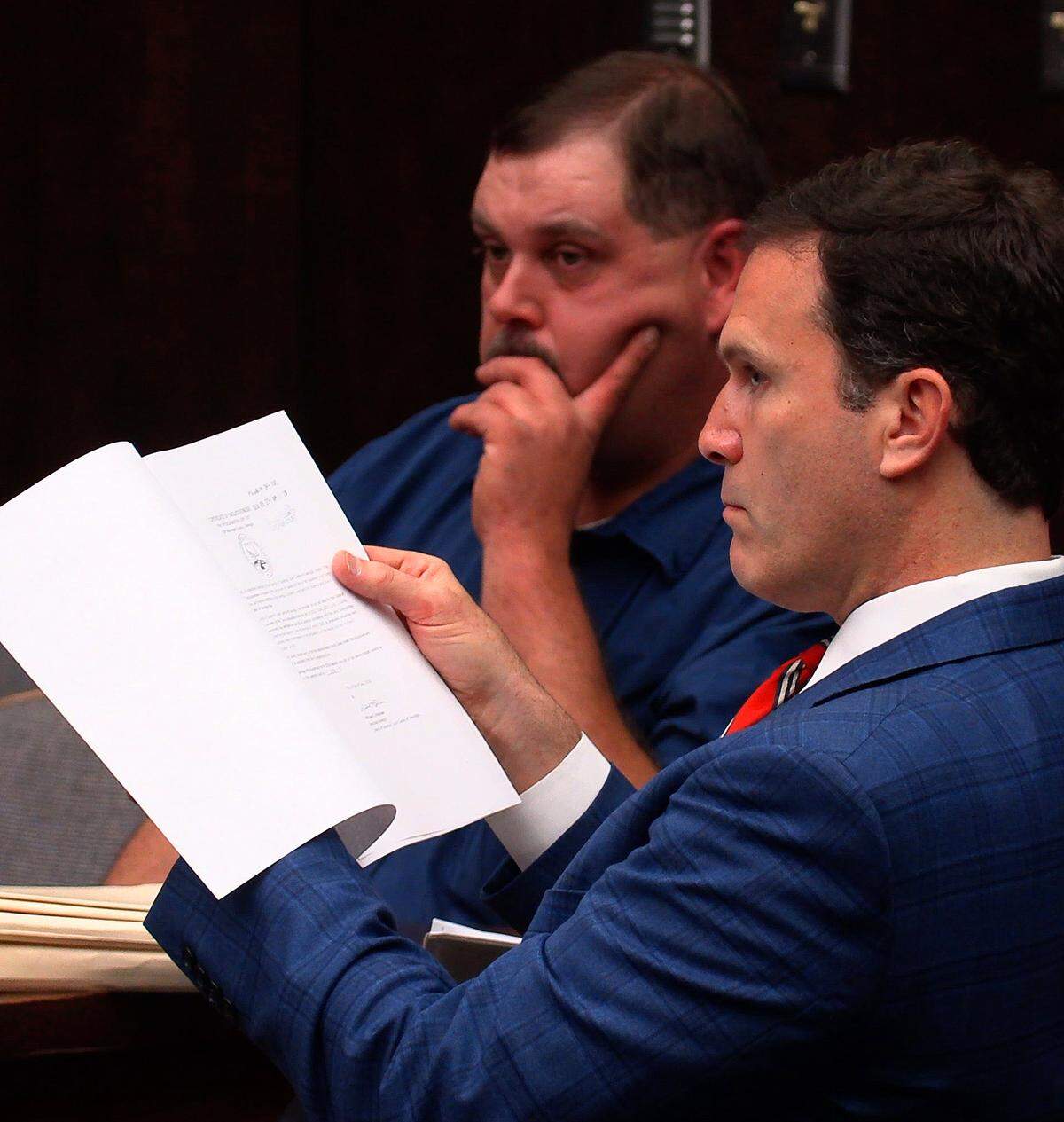
Attorneys sought police files from other unsolved murder cases in the same time span, and prosecutors long ignored McBride’s orders to provide those.
The defense finally got the files Aug. 4, and then on Oct. 8 asked the prosecution to remedy 17 deficiencies. Judge McBride on Nov. 5 ordered prosecutors either to supply that evidence or explain why they could not.
“As of today, the state has not produced the materials, or explained their absence, or even acknowledged receipt of the court’s order,” the defense wrote Nov. 10.
The attorneys’ demands and judge’s orders have spanned three administrations, in the DA’s office, starting with former District Attorney Julia Slater, who lost election in 2020; then former District Attorney Mark Jones, who pleaded guilty to felonies and resigned Nov. 15; and now acting District Attorney Sheneka Terry, who took over Oct. 6, after Jones was suspended.
Haynie and Phillips were indicted Aug. 30, 2016. The defense in July 2018 asked McBride to dismiss the case for lack of a speedy trial.
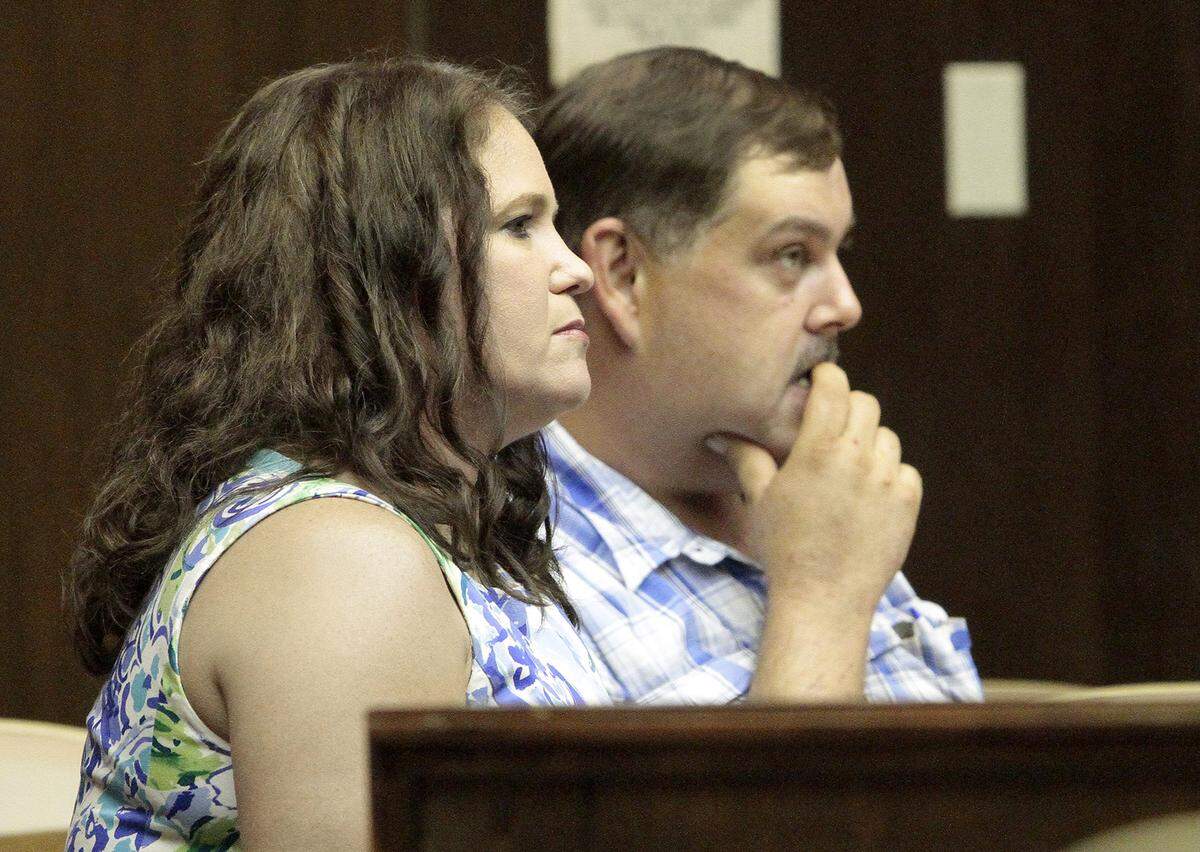
In their latest motion, the attorneys told the judge their clients cannot wait indefinitely to get evidence for a trial continually rescheduled, its most recent date Dec. 6:
“Putting all our energy and resources ... into a trial that is not going to happen (yet again) is intolerable. Either the state is not paying attention, does not have the resources, or just has no interest in appropriately handling this case. Defendants submit that dismissing the indictment with prejudice is the only remaining option.”
Dismissing the case “with prejudice” means the defendants never again can be re-indicted for the same offense.
The defense asked McBride for that ruling in a hearing on April 20, when former DA Jones told the Ledger-Enquirer that he might have to drop the case himself, before McBride could dismiss it with prejudice, to leave open the option of reviving it.
This story was originally published November 30, 2021 at 8:54 AM.