
Who stabbed a minister multiple times? Cold case detective revive brutal 1960 murder mystery
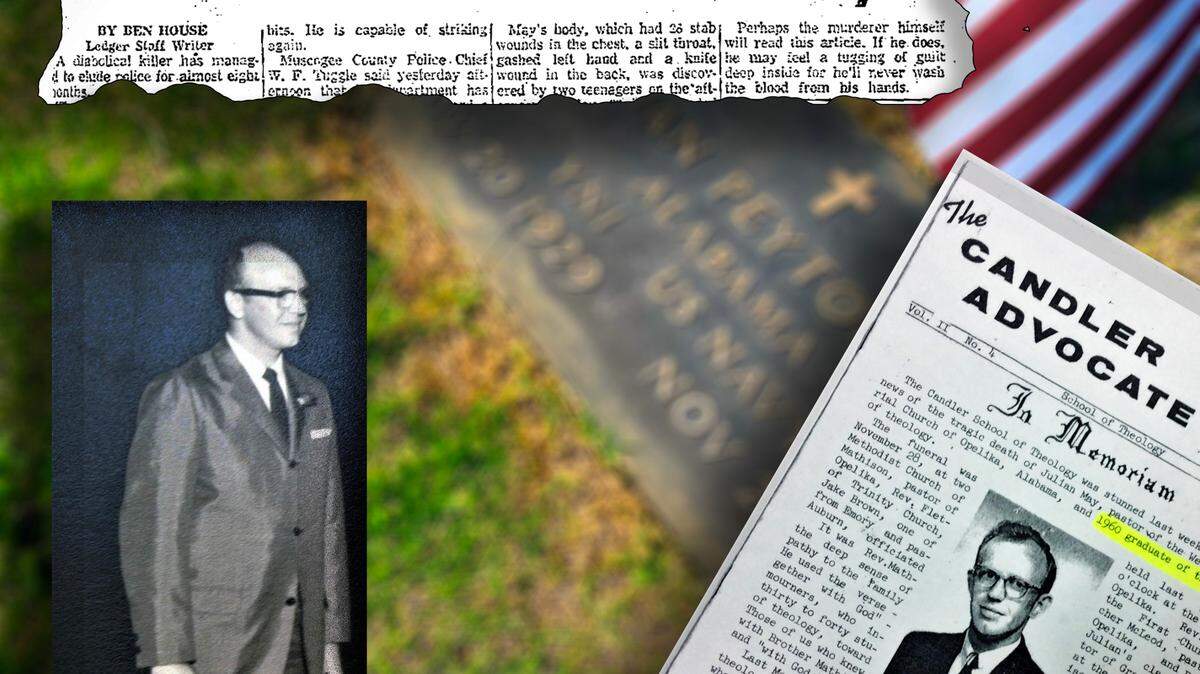
A 31-year-old Methodist minister left his Opelika, Alabama, home 62 years ago to see a movie, and was found dead the next day in Columbus, stabbed nearly 30 times.
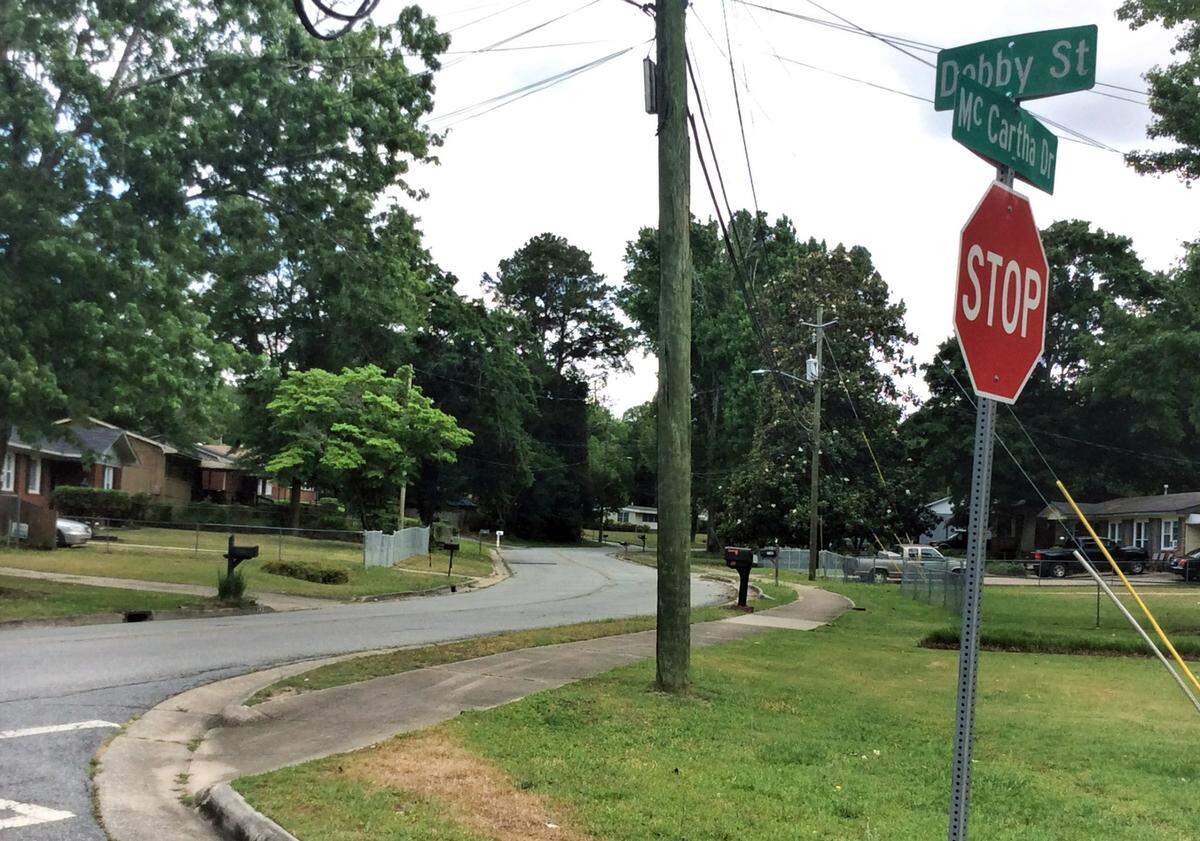
Afterward the Rev. Julian Peyton May’s casket was open for viewing in the house he shared with his parents, on South Sixth Street. So the mortician was challenged to cover the horrific wounds the body had when two teens found it around 1 p.m. Nov. 26, 1960, in a treeline on Debby Street, off McCartha Drive between St. Marys Road and Steam Mill Road.
Before leaving home the evening before, May had asked two visiting nephews, ages 10 and 12, whether they wanted to go see the film “North to Alaska” at the Martin Theater in Opelika. They declined, but never forgot the the last time they saw their uncle alive.
His homicide was never solved, and as the years passed most people forgot about it. May’s parents died, and later so did his sister — his only sibling — leaving her two sons, now ages 72 and 74.
May’s nephews recently decided that as the last to remember their murdered uncle alive, they should inquire about his case. So they called Columbus police and were routed to Detective Stuart Carter, who specializes in cold cases.
He is taking another shot at solving it.
Against the odds
Carter acknowledged clearing the case now is unlikely, as many people old enough to remember the homicide have died and whoever killed May may be dead, too.

But it’s also possible someone’s grandfather on his deathbed will confess crucial information that leads to a suspect, Carter said. Plus you never know what people may recall, if you prod their memory, he added.
That’s what May’s younger nephew hopes: “Maybe somebody might see this and say, ‘Yeah, I remember that,’” he said.
Said his brother: “We would love to see someone pay for this.”
The nephews requested their names not be published.
“We just didn’t want any notoriety about us,” the younger one said. “We want the article to be about our uncle.”
Their mother and grandparents rarely acknowledged the homicide, he said: “It’s pretty personal for our family... They were all devastated.” But the nephews remained curious: “My brother and I have always talked about it.”
He said their uncle had everything going for him, before his death: After gaining a degree from Auburn University and serving in the Navy, he had graduated from Emory University’s Candler School of Theology and started his own church in Opelika, Wesleyan Memorial United Methodist.
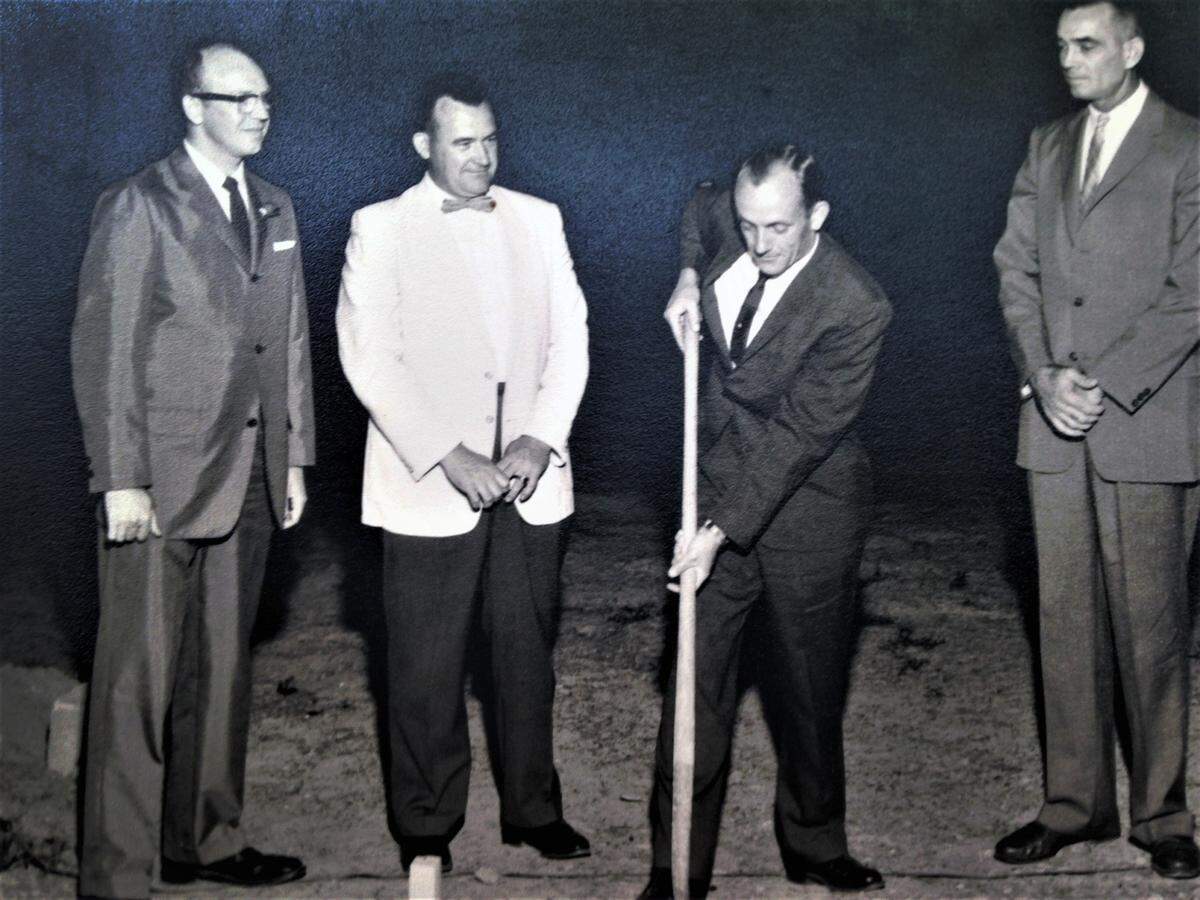
He was a gentleman, kind and dignified, but with a fine sense of humor and always generous to them, they said.
He was mindful of his appearance, wearing a coat and tie even to go to a movie: “He was an impeccable dresser,” the younger nephew said, and he liked fine cars, too, especially his brand-new, white Buick sedan, an Electra.
The evidence
May was dressed in his usual fashion when he left around 7 or 8 p.m. that Friday, the nephews said.
He was found dead in those clothes the next afternoon, in Columbus, where his white Buick was left locked in the 1100 block of Fifth Avenue. No blood or other evidence was in it.
Police believed May was not killed where his body was found: In a Ledger-Enquirer update on the case eight months afterward, reporter Ben House wrote: “There were no signs of a struggle at the scene, and only a small amount of blood... Police theorize that May parked his car, met someone and entered another car.”
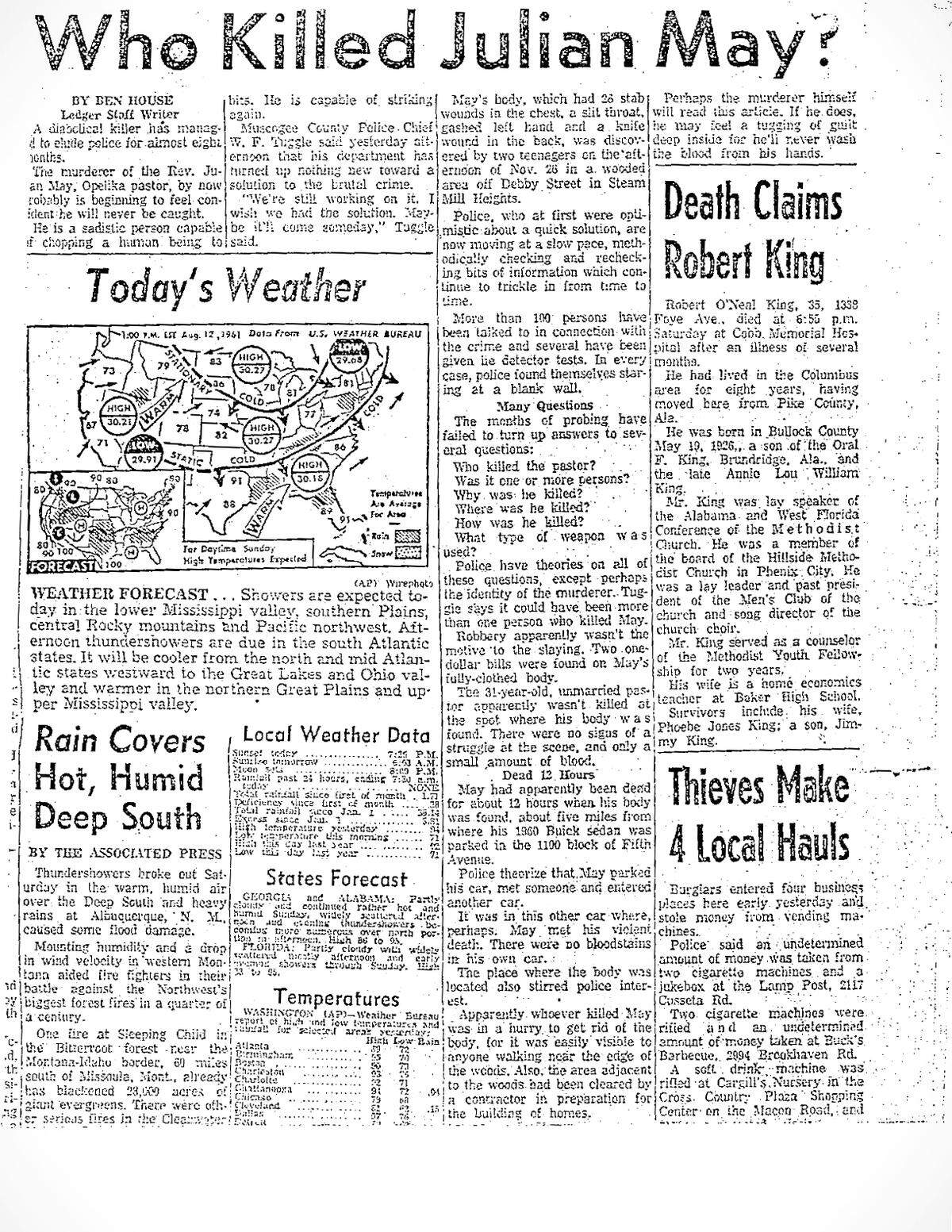
May was stabbed 26 times in the chest and once in the back, his throat was slit and he had a gash on his left hand. He had been dead about 12 hours, and his body was not concealed: It clearly was visible from Debby Street, as if it had been dumped there in haste, House reported, adding that May had two $1 bills on him.
The Ledger-Enquirer story and other contemporary news reports on the case cited some of the evidence found and some of the people questioned, but no progress toward identifying a suspect.
“More than 100 persons have been talked to in connection with the crime and several have passed lie detector tests,” House said. “In every case, police found themselves staring at a blank wall.”
Carter said investigators questioned four males ages 17 to 22, and interviewed an Army sergeant from Fort Meade, in Maryland. All were cleared.
A butcher knife was found about 150 feet from the body, but lab tests found no blood on it. Two other knives were tested, also with no blood found, Carter said.
A witness reading news of May’s slaying later came forward: A 16-year-old Opelika boy told police he was walking home from a grocery store that Friday night when May stopped to give him a ride, around 11:40 p.m. May drove off in his white Buick after dropping the boy at home, the teen told police.
“The police apparently interviewed him, and ruled him out as a suspect,” Carter said. If that witness still is available, “I’d love to talk to him,” he said.
Anyone with information regarding May’s death may contact Carter at 706-225-4319 or stuartcarter@columbusga.org.
Remembering May
The elder nephew said the brothers had a missing loved one before their uncle was killed: Their father was lost Dec. 16, 1950, in the war in Korea, as U.S. troops evacuated after the Battle of Chosin Reservoir. His body remains there.
His sons were ages 1 and 2 then. They don’t remember their father, but they have clear memories of the uncle the family called “Bubber,” a version of “brother.” And they don’t want his murder to be forgotten.
A Dec. 13, 1960, tribute to May was in “The Candler Advocate,” the newsletter for Emory’s school of theology. It recalled May’s “ready smile and warm hand clasp,” his “deep laugh that almost always brought tears to his eyes,” and the “stubborn, yet unselfish way he held his views.”
It also noted his “evident excitement over the progress at Wesley Memorial.”
May’s crowded funeral, attended by 30 to 40 theology students, was held Nov. 28, 1960, at Opelika’s First Methodist Church, because May’s church was under construction, the newsletter said.
May’s friend O.C. Brown, who wrote the Advocate tribute, described visiting the site: “We walked around on the concrete floor that, as yet does not have walls, looked at the piles of bricks waiting to be used, and tried to picture the church that is to stand on that hilltop in Opelika, Alabama.”
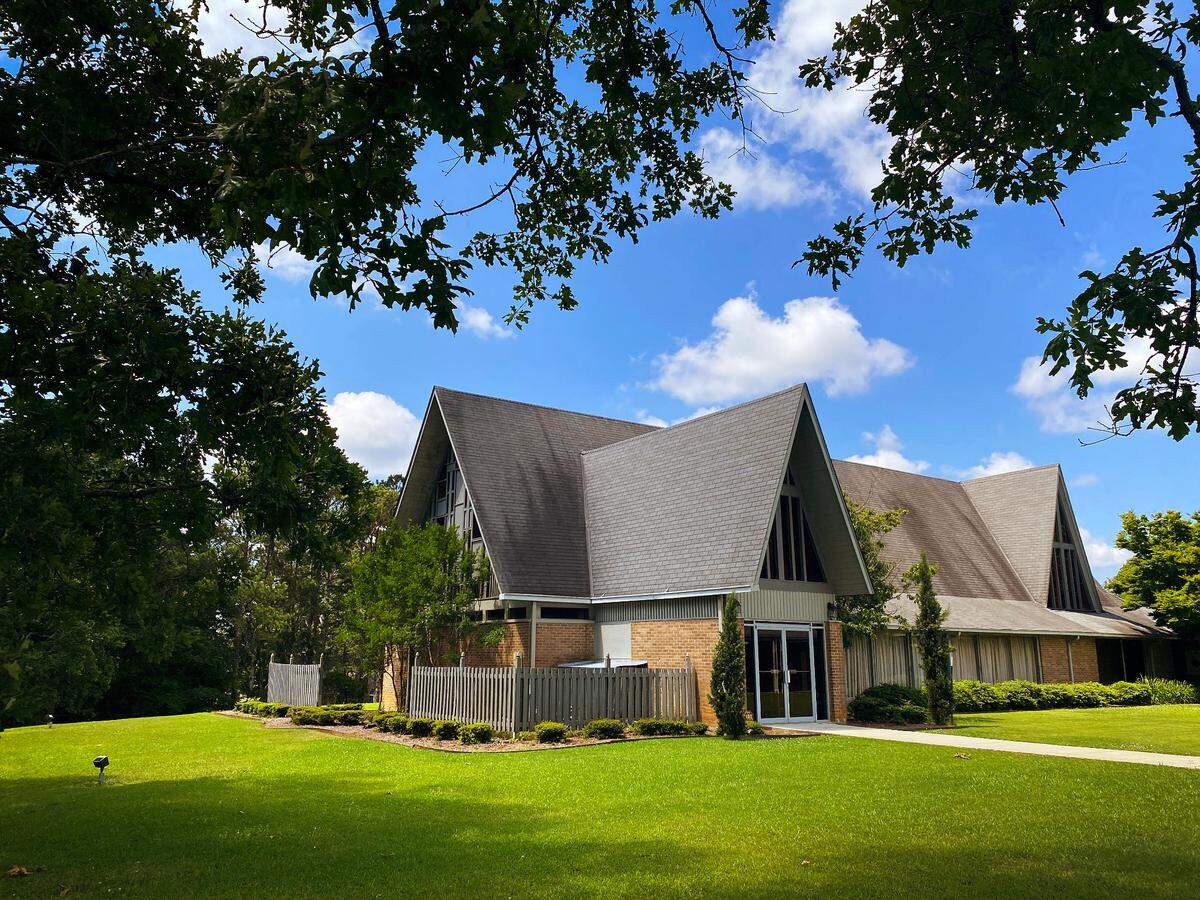
Thanks to May, no one has to imagine what that Marvyn Parkway church looks like now, the younger nephew said: “It’s still there.”
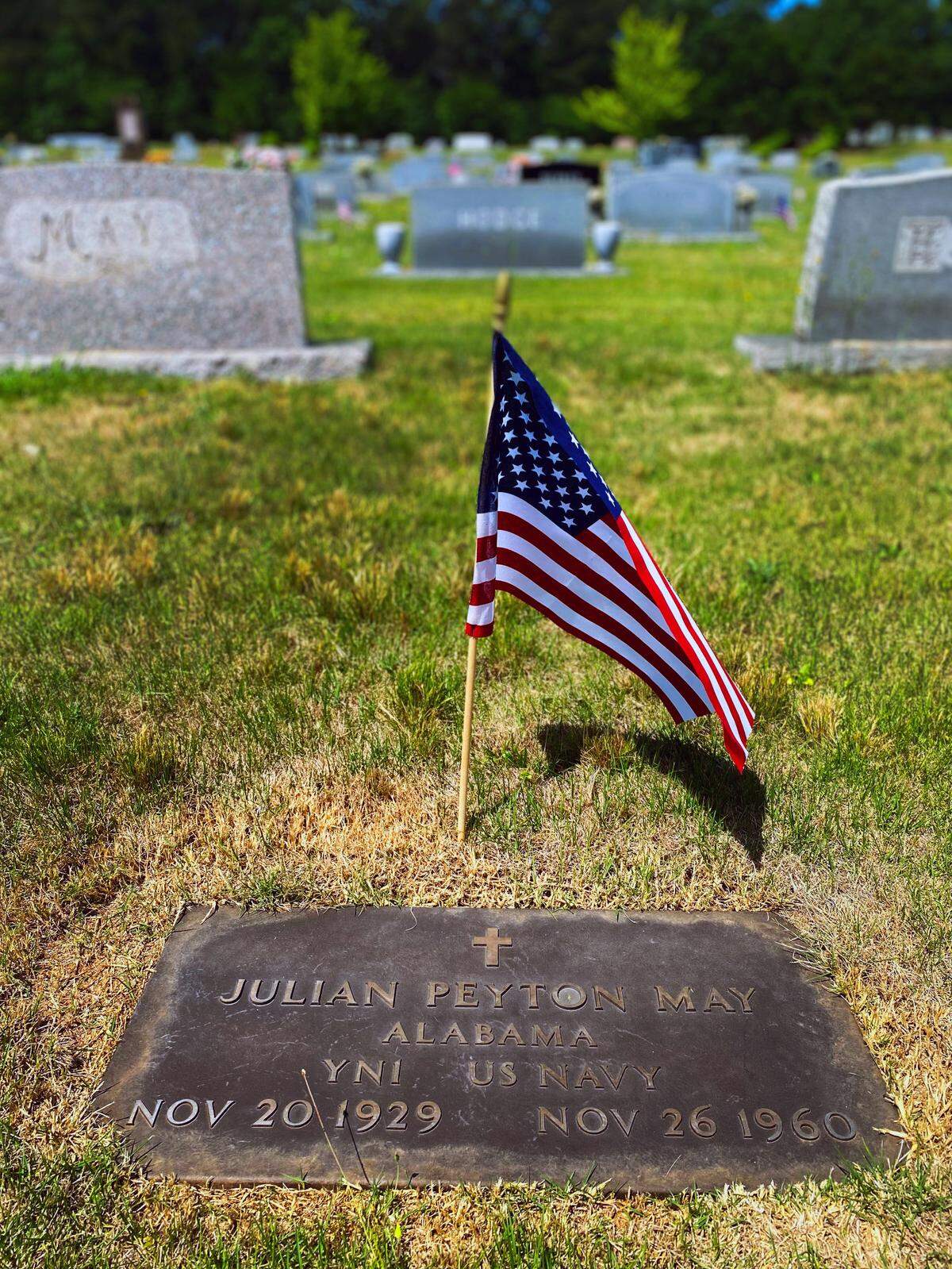
May is buried at the Garden Hill Cemetery in Opelika next to May’s parents, he said, recalling that every Christmas, his mother decorated the graves with poinsettias.
The older nephew said their mother never recovered from her brother’s death, and never spoke of his murder again.
This story was originally published July 20, 2022 at 5:00 AM.