
Suspect in fatal Columbus beating was convicted of raping, killing half-sister at 16

The 60-year-old Columbus man charged in a fatal October beating was convicted of raping and drowning his 7-year-old half-sister here in 1978, when he was 16, court records show.
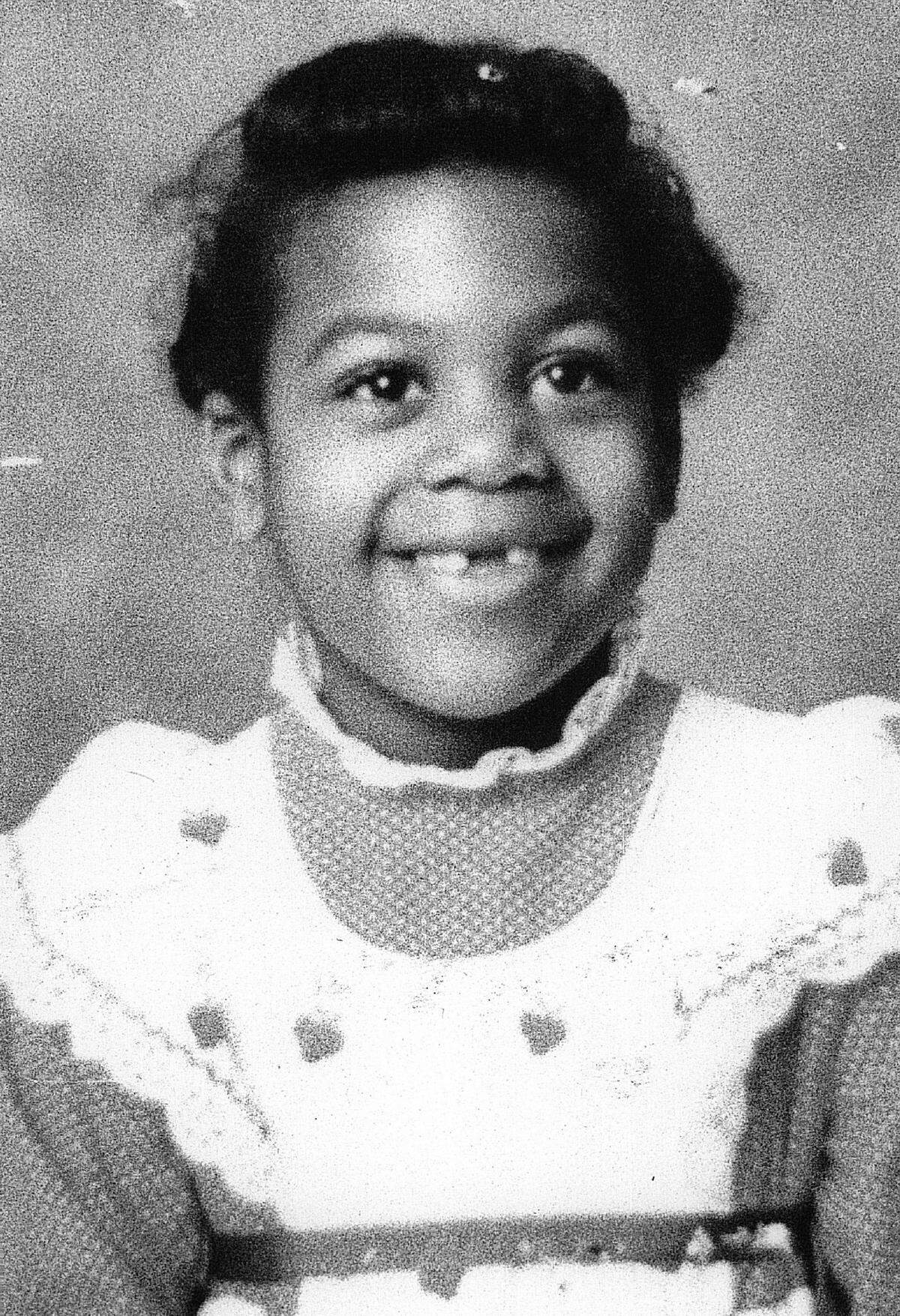
Michael Edward Simmons was released from prison in 2018, and came back to Columbus’ Oakland Park neighborhood where 40 years earlier he raped and murdered Dawn Worth.
He’s now in the Muscogee County jail, accused of beating 55-year-old Christopher Williams in the 2400 block of Blan Street, where medics called at 6:25 a.m. Oct. 19 found Williams dead from what an autopsy later determined to be blunt-force trauma.
Simmons twice has been set for a preliminary hearing in Columbus Recorder’s Court, on Nov. 7 and Nov. 14, but he asked for defense attorney Richard Hagler, who was on a leave of absence before his death Nov. 10. Simmons is set for another hearing Tuesday.
On Nov. 14, Recorder’s Court Judge Julius Hunter told Simmons’ mother, Mary Worth, that she had to find a lawyer to represent her son, because his hearing would not be further delayed.
The 1978 murder
In a unanimous 1999 decision upholding Simmons’ convictions for rape and murder, the Georgia Supreme Court recounted the evidence presented during his trial:
Dawn Worth was reported missing on the morning of April 21, 1978, when Simmons was supposed to have escorted the child on her walk to school.
Three days later, her body was found floating in what the court called a “lake,” just a fifth of a mile from her Wise Street home. Her hands were tied behind her back, and she had been raped. An autopsy determined her cause of death was drowning.
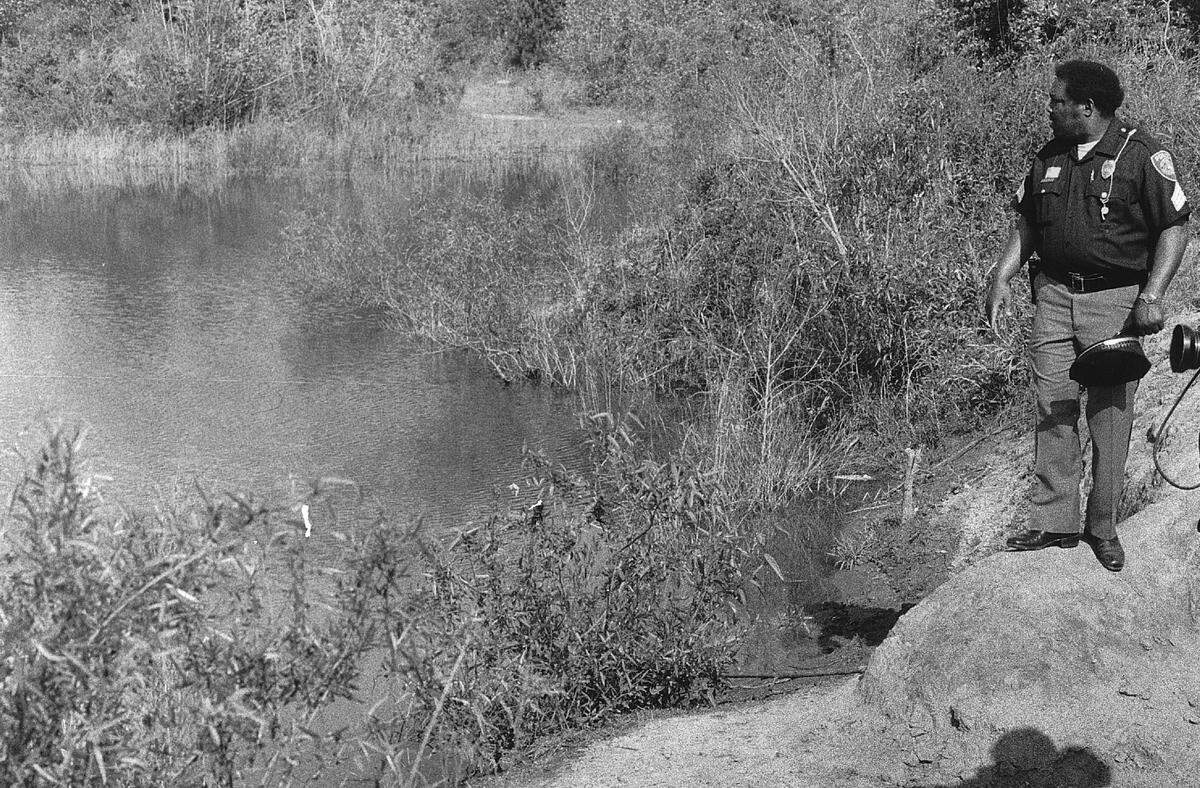
Then-District Attorney Bill Smith, now a senior Superior Court judge, said the “lake” referenced by the Supreme Court was a pit dug either for sand mining or an old city landfill.
Police retracing the little girl’s movements learned witnesses saw her walking down the street at 8:30 a.m., when a classmate spoke with her. The classmate said Dawn told her she was “going to her brother to take her to school,” according to court records.
At 9:05 a.m., a school secretary called Dawn’s mother to say the girl had not shown up. The mother replied that Dawn had not been feeling well, and had gone back to bed.
At 9:15 a.m. Dawn’s father called the school to say Simmons, the mother’s son from a previous relationship, had said he sent Dawn to school at 8:10 a.m. The child then was reported missing.
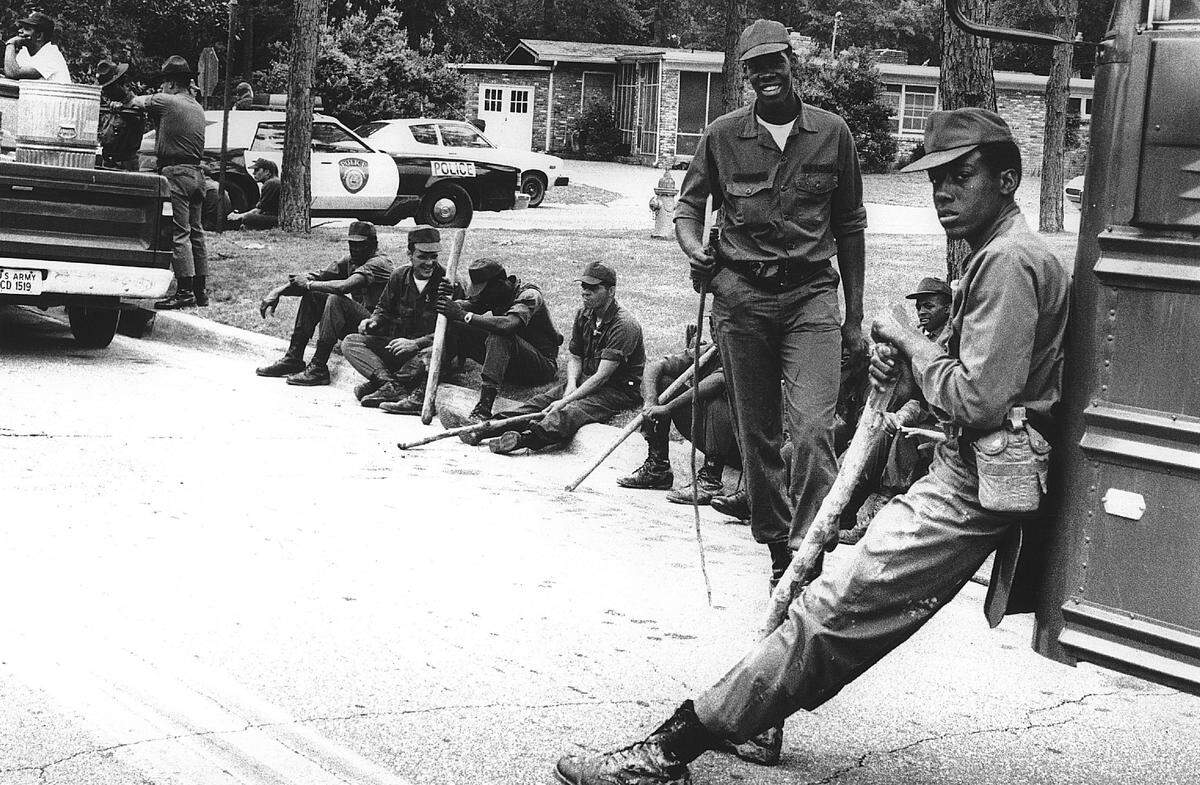
Search parties joined by soldiers from Fort Benning scoured the area before the body was discovered April 24.
Questioned the next day, Simmons told police he had helped Dawn get dressed for school and sent her on her way. Between 8 and 9 a.m., he walked to a local store to telephone a friend, whom he spoke with for around 30 minutes, he said.
When he got home and heard Dawn was missing, he left again, and rode around smoking marijuana with friends until he returned at 2 p.m., he said. He denied being with Dawn after she left for school.
The friend he had called gave police a different account: He said Simmons called him around 11 a.m. to tell him Dawn was missing and police would contact him. Simmons told him to tell police the call was earlier in the morning, he said. The friend’s sister said Simmons called back and left a message to “remember the time.”
Confronted with this discrepancy, Simmons told investigators that he had lied about the phone call, and that he had gone to the pit that morning to smoke marijuana. Still he denied Dawn was with him.
During his trial in October 1979, an aunt testified that she overheard Simmons tell his mother he had tried to make Dawn go to school, but she followed him to the pit, where he tied her arms behind her back and put her in the water while they were playing. He told his mother Dawn started crying, and he panicked and ran home, the aunt said.
Smith, who as district attorney took the case to trial, said he did not pursue the death penalty in Simmons’ case because he feared it would make witnesses close to the family reluctant to testify. “There was no such thing as life without parole,” he said: Georgia law at the time did not allow that.
Of Dawn’s murder, he said, “It was a tough one.” Columbus in the 1970s had a wave of shocking crimes that dominated the news. “This was simply one of them,” Smith said.
Convicted of rape and malice or intentional murder, Simmons served 39 years and one month in prison. He was freed on May 9, 2018, and released to the same Wise Street home where he lived as a teen, according to the Georgia Board of Pardons and Paroles.
Now that he’s charged with murder in a second death in the same Oakland Park neighborhood, the district attorney’s office is tracking the case. District Attorney Stacey Jackson said Friday that he is not free to comment further until Simmons has an initial court hearing.
This story was originally published November 22, 2022 at 9:59 AM.